Each pail includes 5 gallons of grape must
Product will arrive frozen or partially frozen.
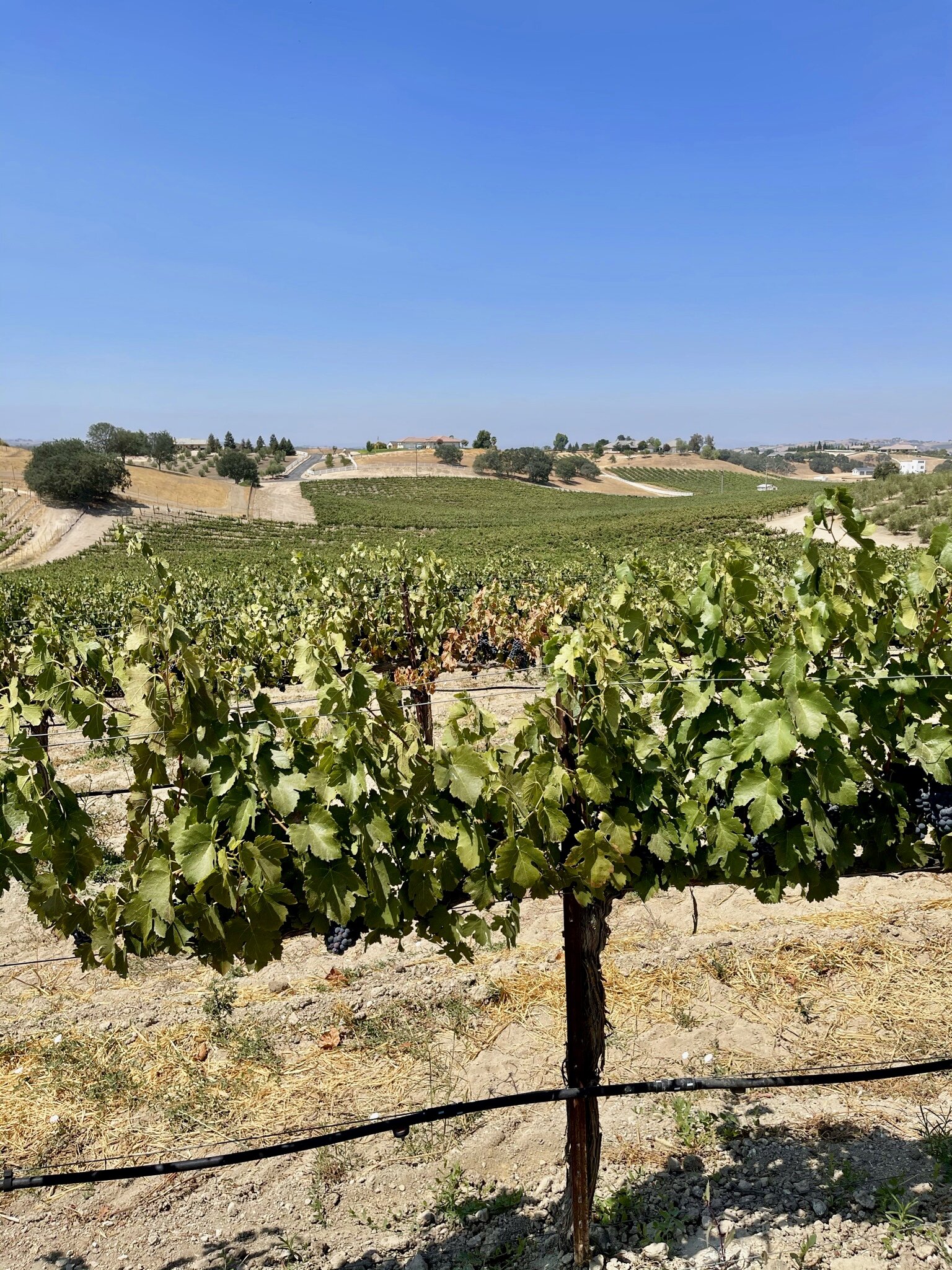
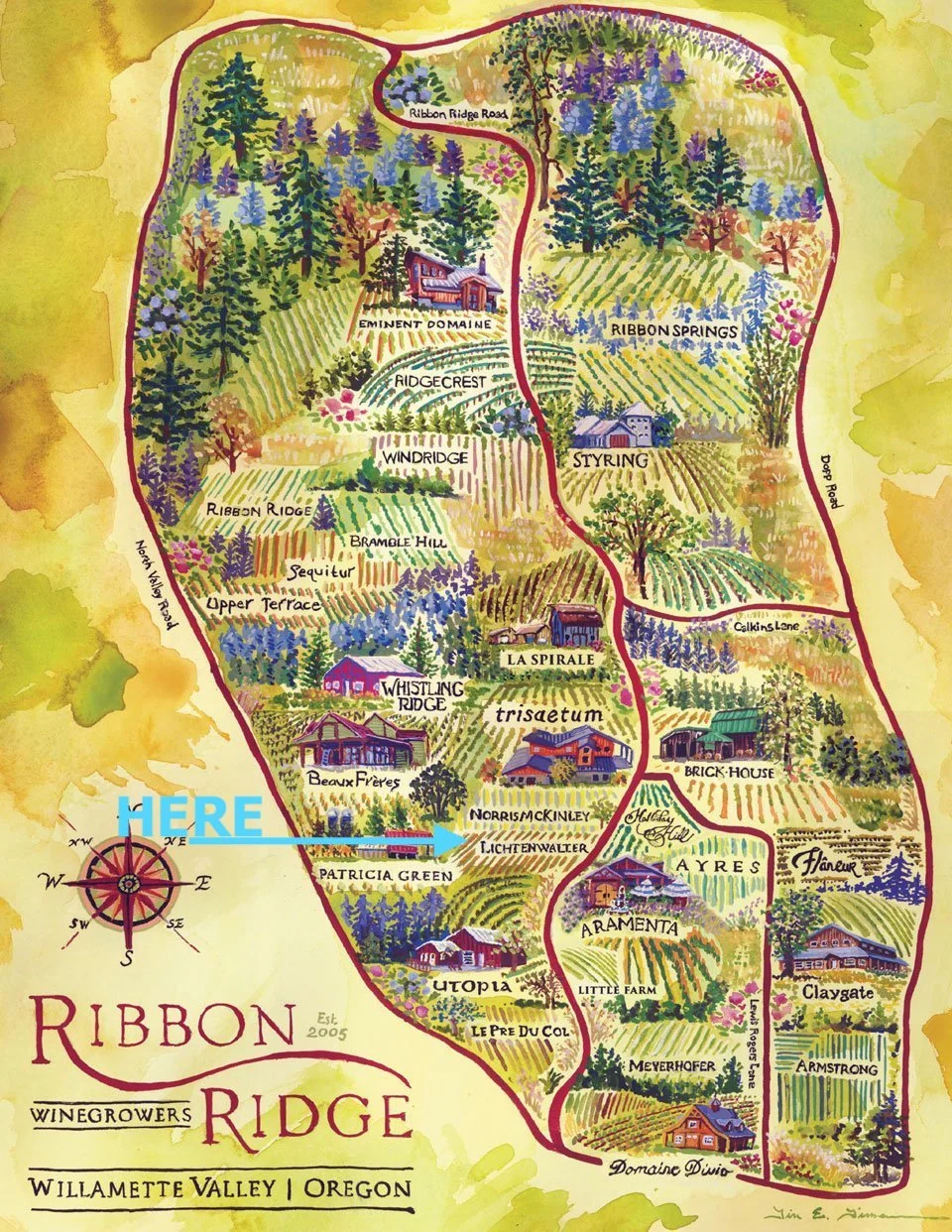
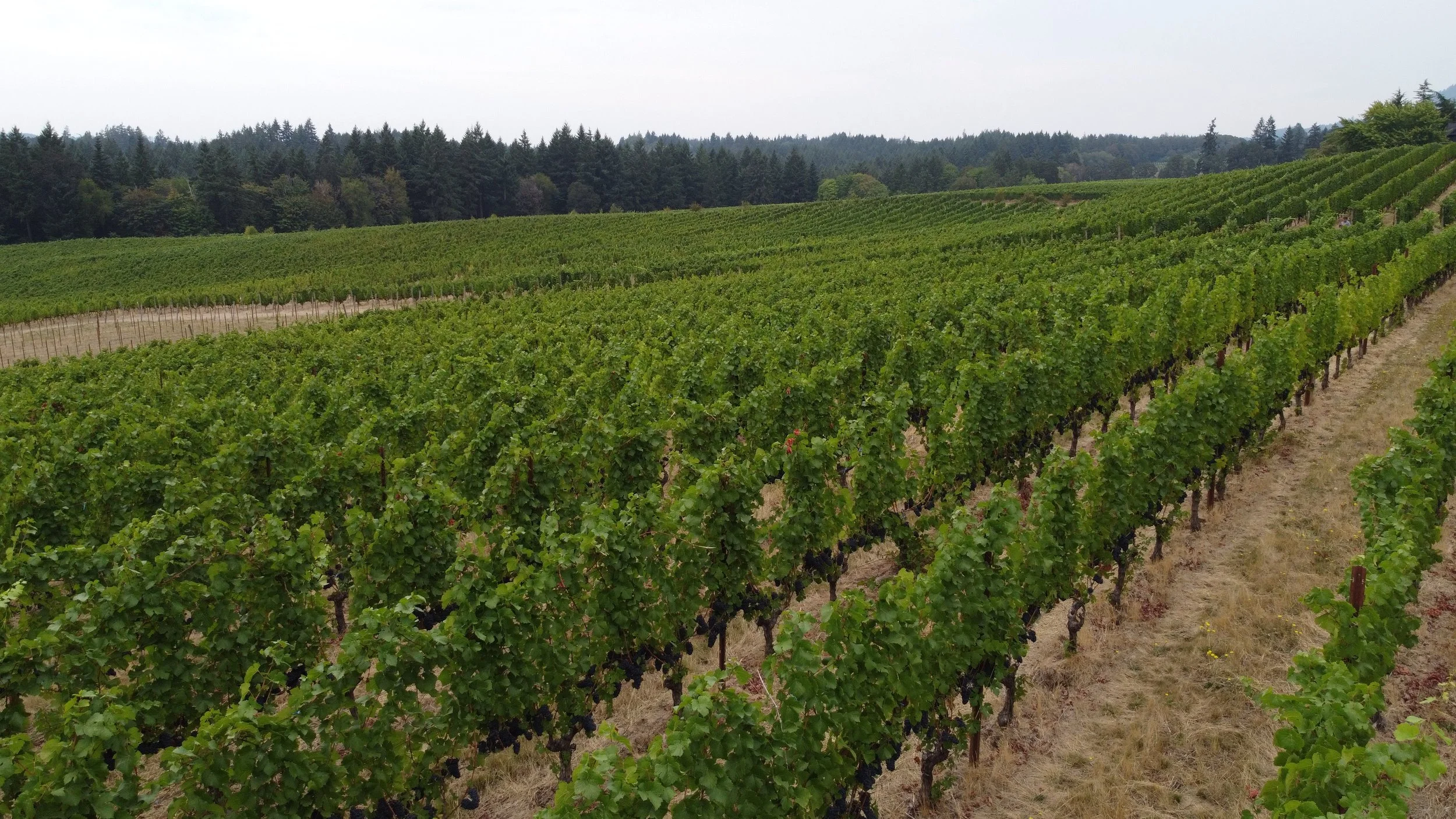
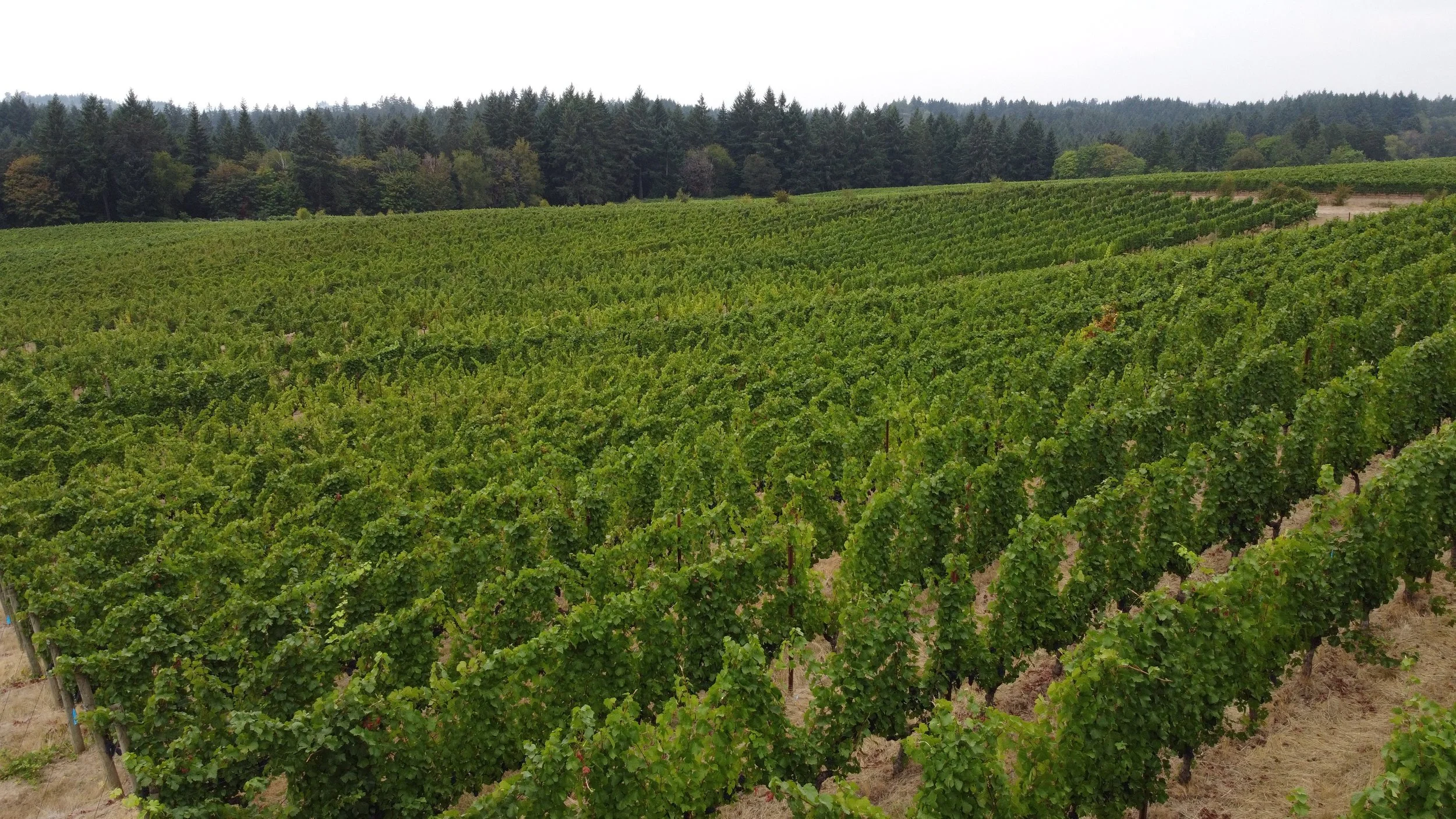
Croft Vineyard – Mount Pisgah, Polk County, Oregon AVA
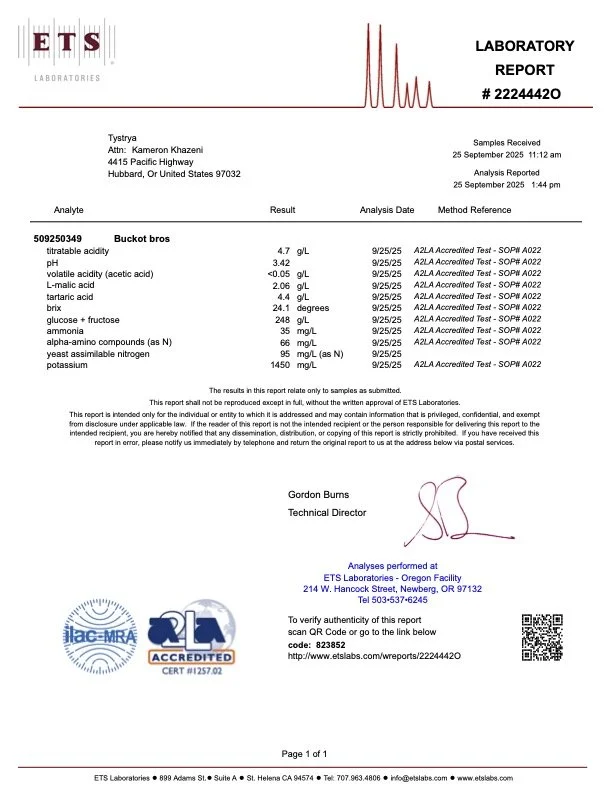
Brix: 22.5 | pH: 3.10 | TA: 6.5 g/L | YAN: 115 mg/L | Glucose + Fructose: 232 g/L
Potential Alcohol: ~13.5–14.1% ABV based on measured fermentable sugar (glucose + fructose: 232 g/L). Most likely finished alcohol: ~13.8% ABV if fermented dry.
(Full ETS Lab Report in photos or CLICK HERE)
Harvested and destemmed: September 28th, 2026
A Tiny, Dry-Farmed Gamay Block from One of Oregon’s Longtime Organic Vineyards
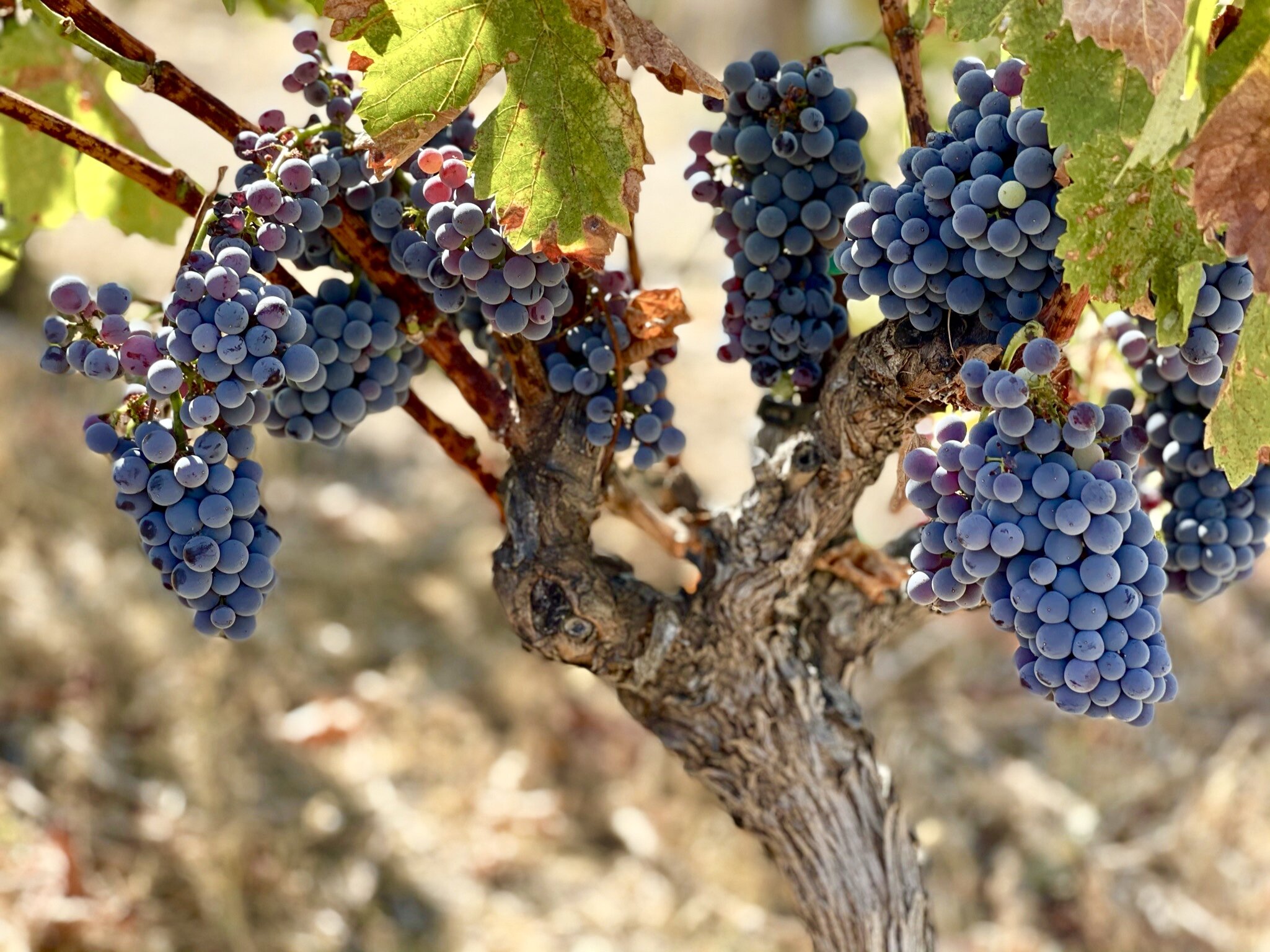
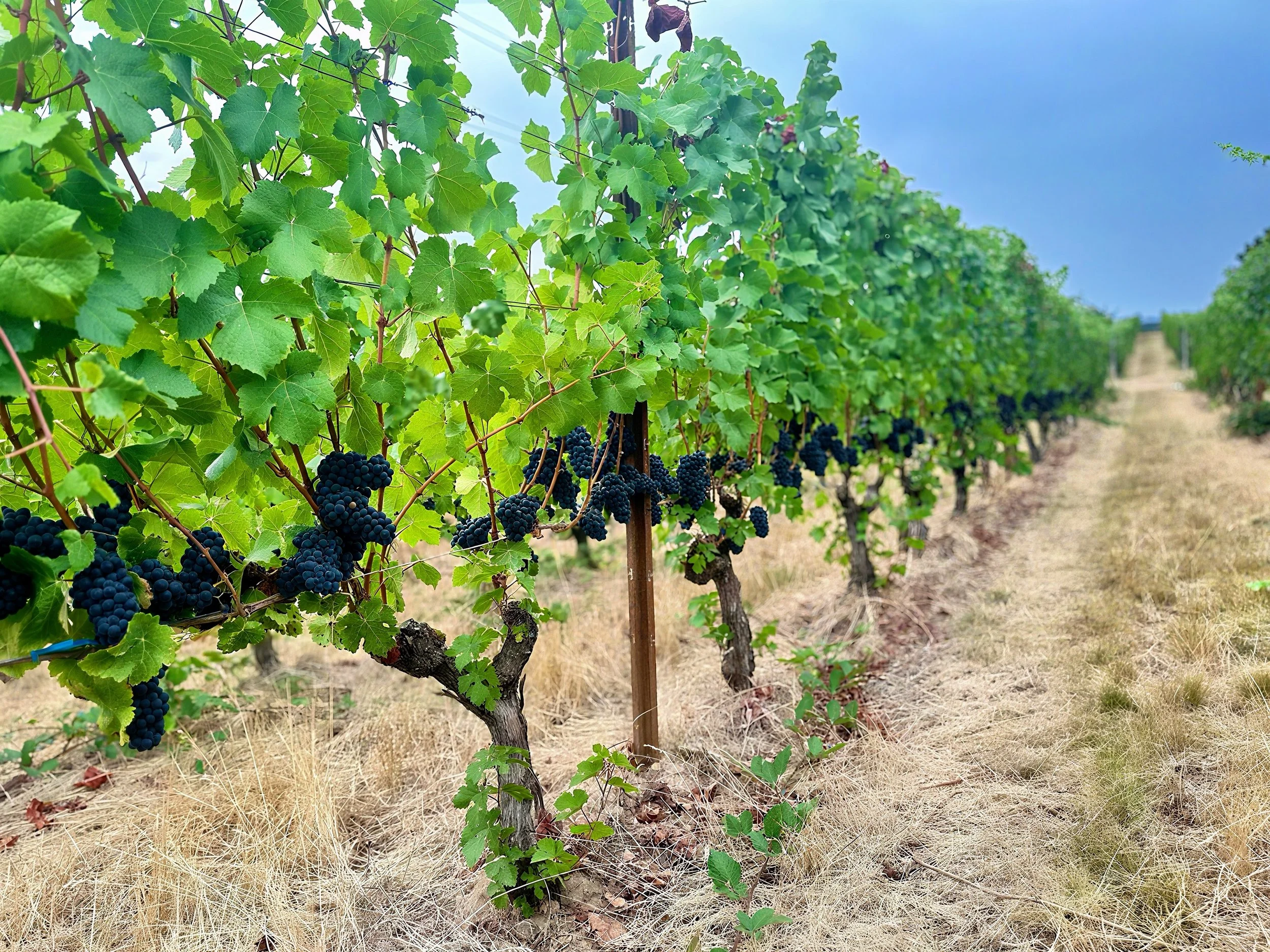
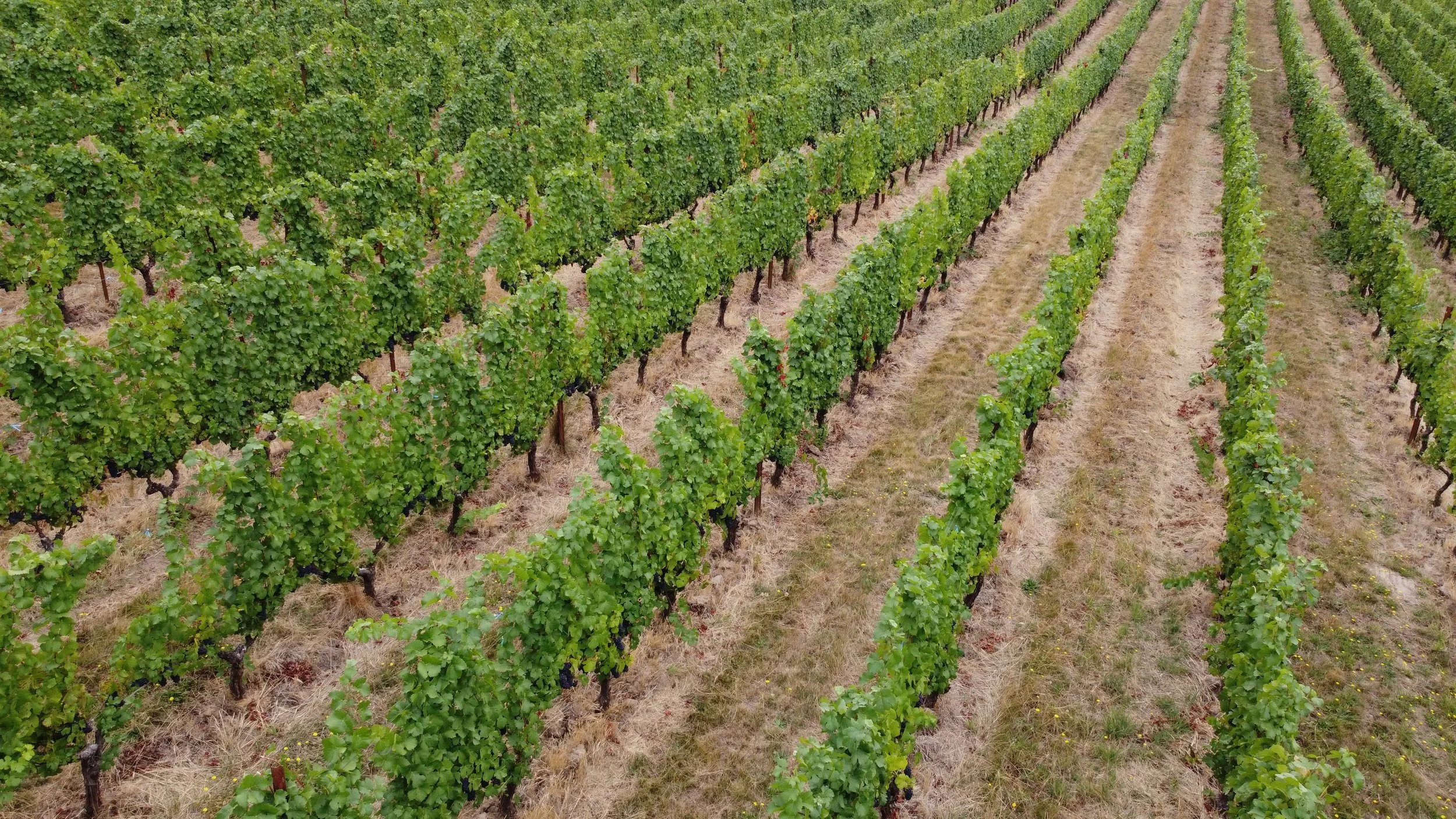
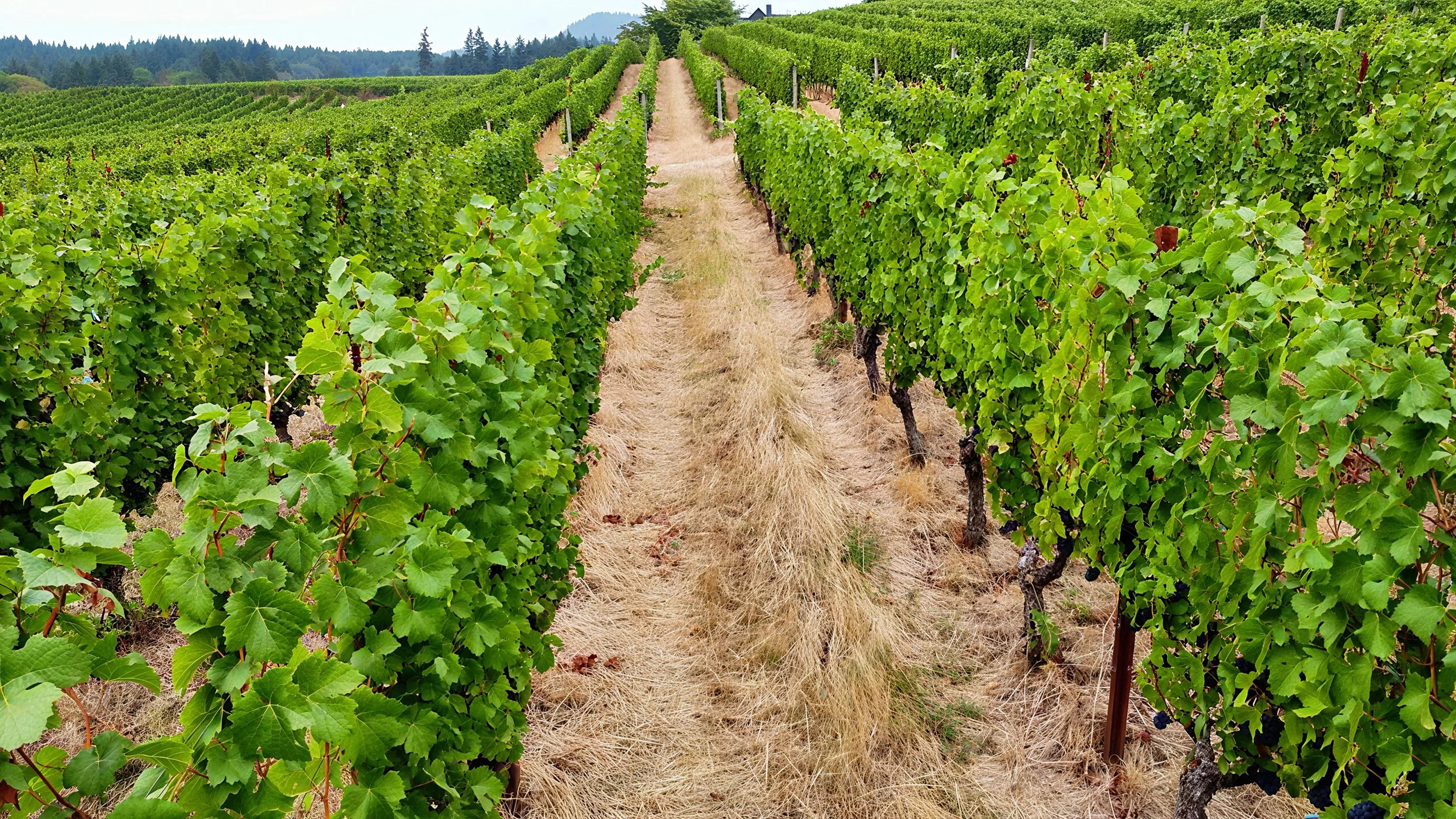
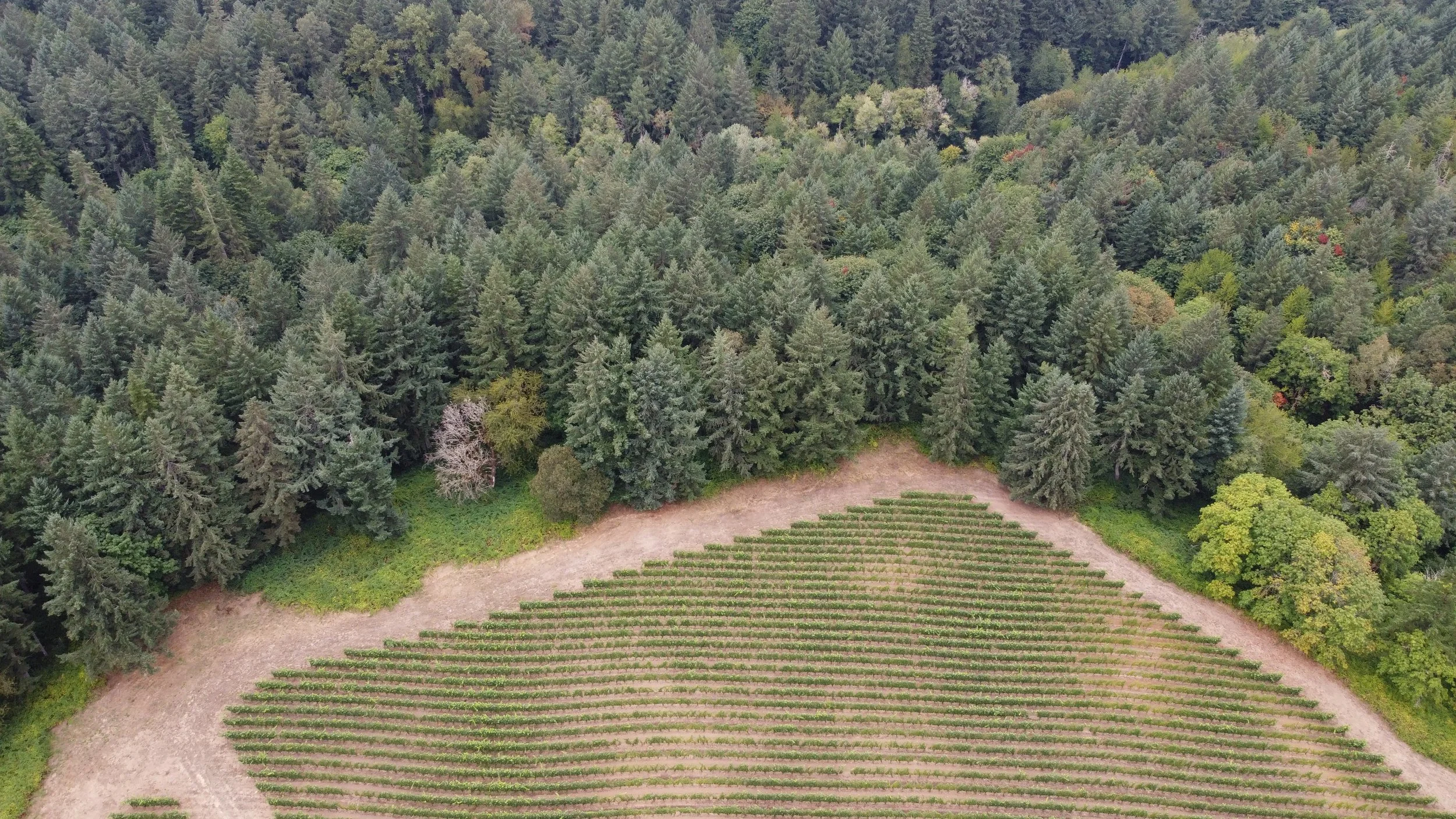
This is one of the most distinctive lots we brought in for 2026: certified organic Gamay from a tiny 0.85-acre block at Croft Vineyard, planted in 2012 near the lower portion of the vineyard at approximately 350 feet elevation. Since the block was planted, Croft has kept this Gamay entirely within its own estate wine program. The 2026 harvest marks the first time fruit from this block has ever been offered outside the winery.
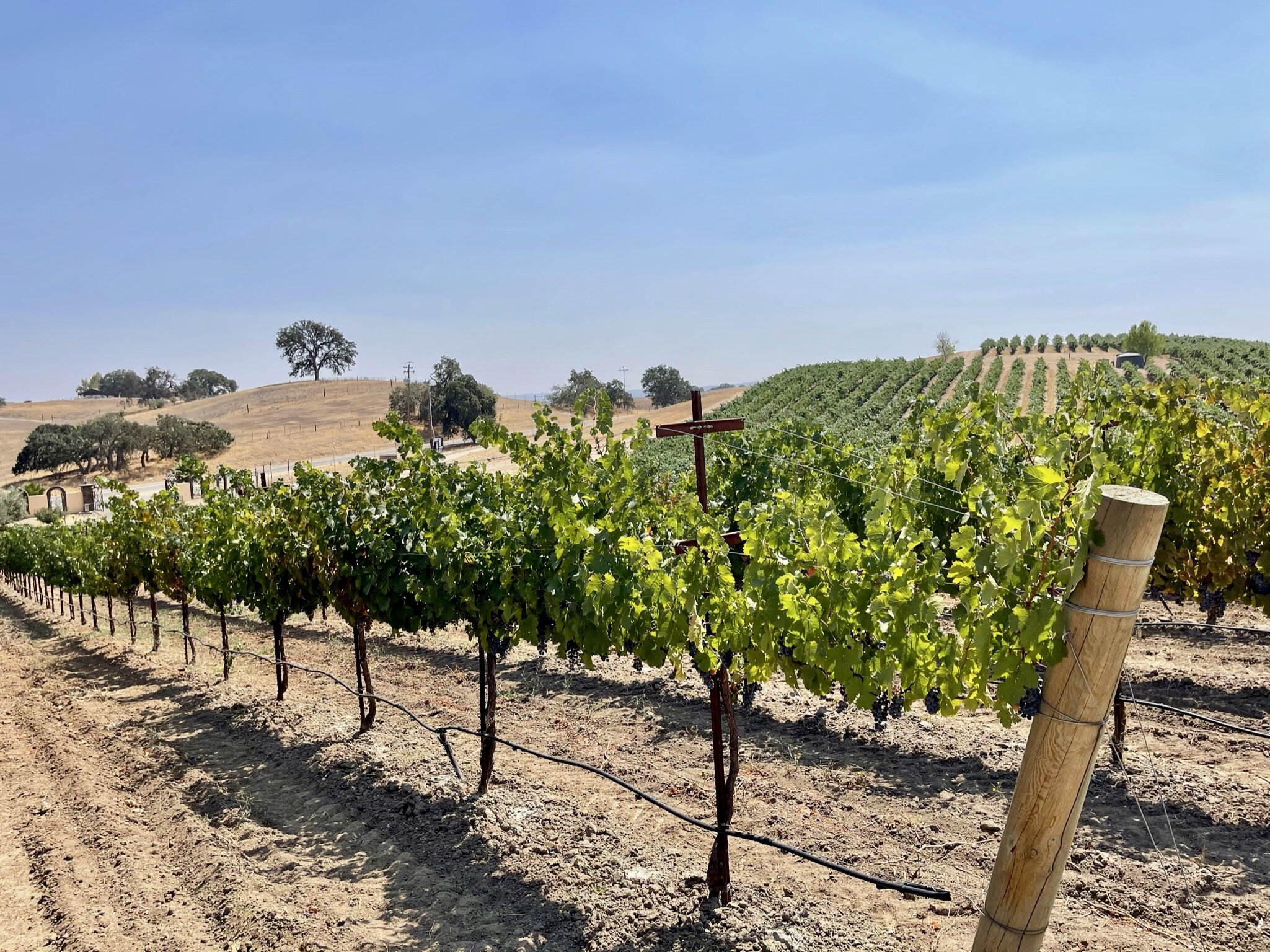
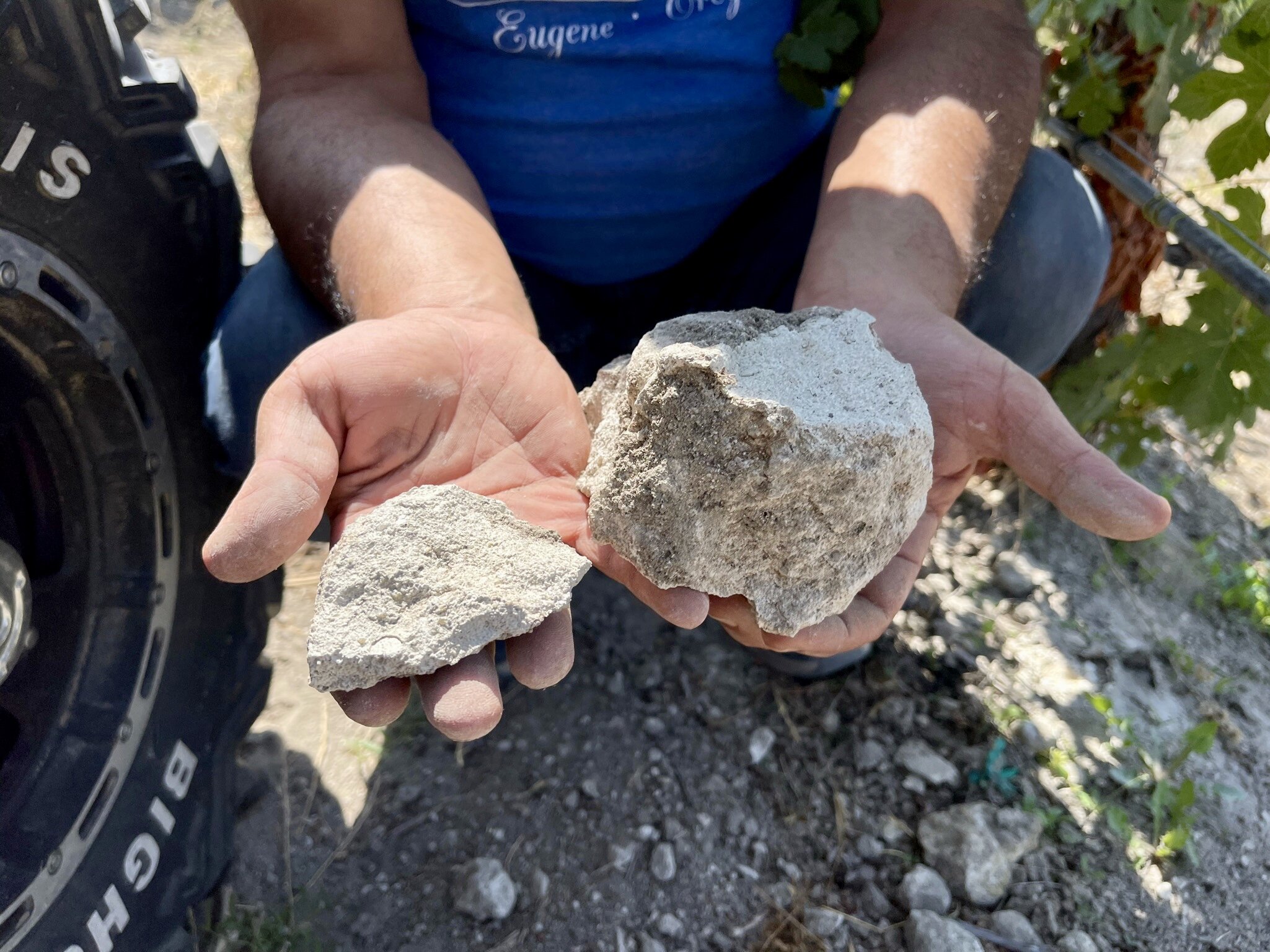
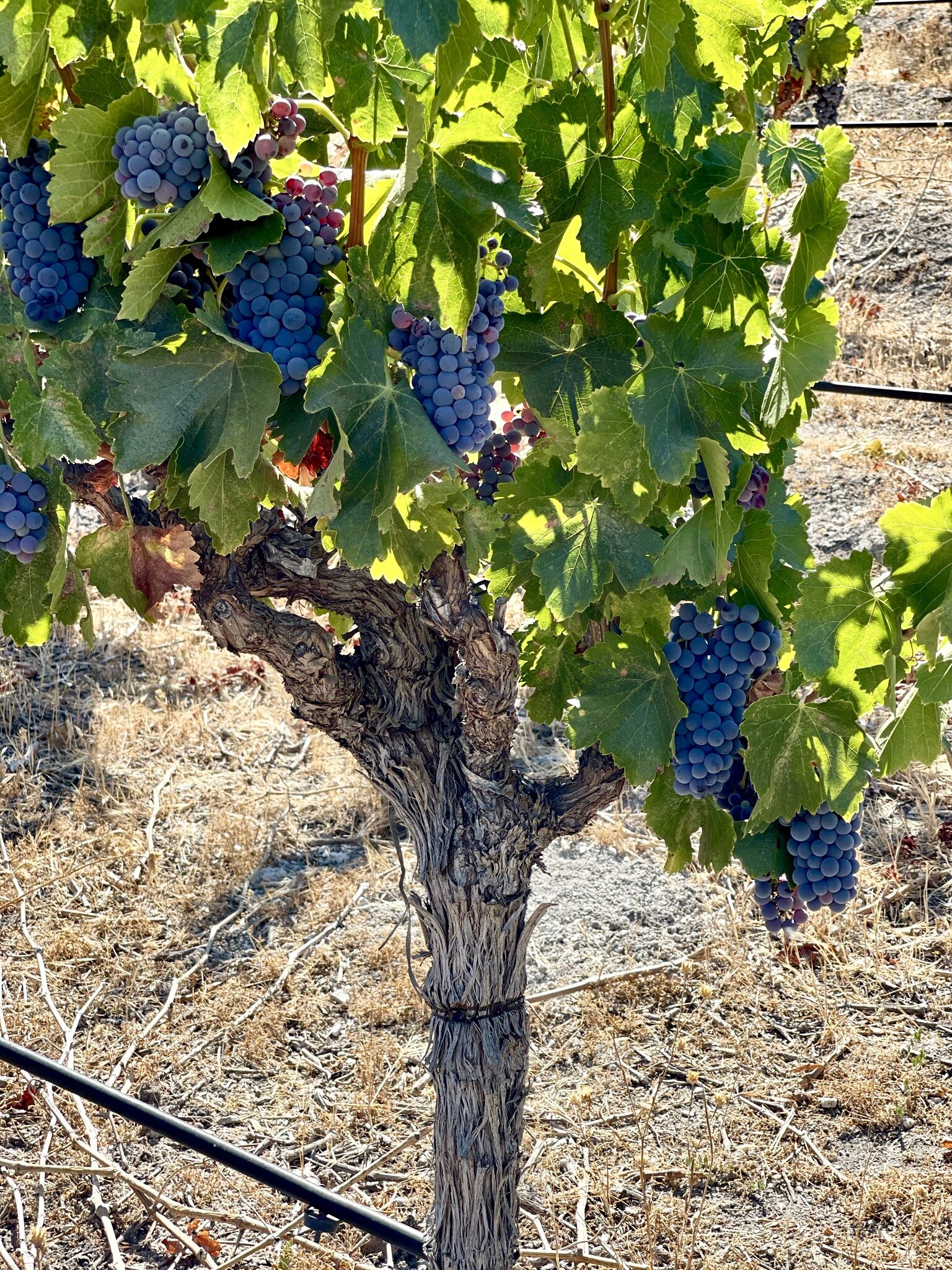
The block is almost entirely Bellpine soil, with a small vein of Jory running along its edge. Shallow groundwater allows the vineyard to be entirely dry-farmed, giving the vines access to natural moisture without irrigation.
Croft has farmed organically since 1983 and has been certified organic since the early 2000s. Its current Oregon Department of Agriculture certification shows an effective date of 2019 because the vineyard changed certifiers from Oregon Tilth to ODA that year. Croft remains USDA Organic certified, and Gamay is specifically included among the vineyard’s certified winegrape crops.
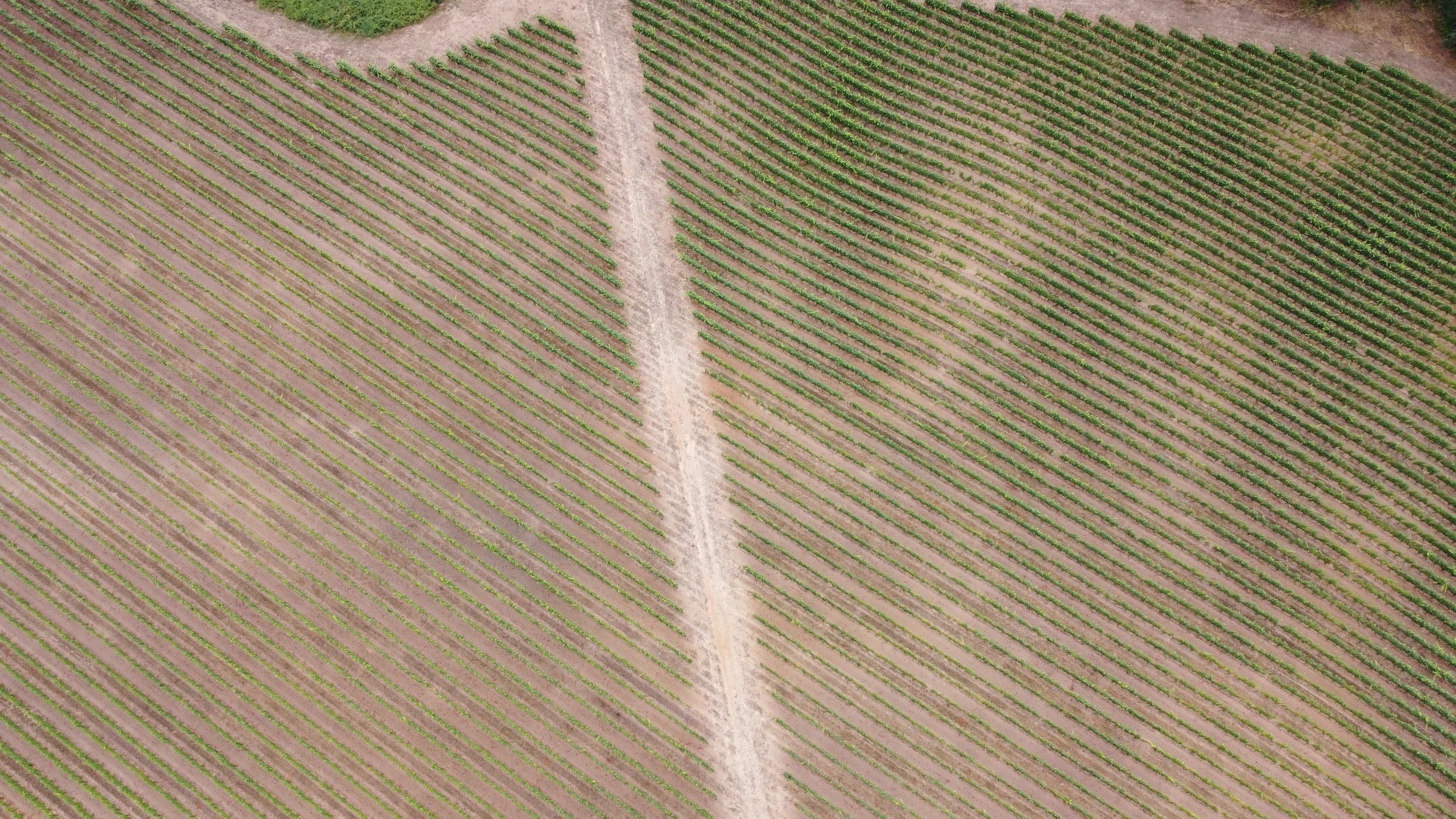
The Gamay occupies Block 3G — just 0.85 acres and 18 rows, planted in 2012. The exact clone is not currently known. The vines originated from the same Gamay material once planted by Al MacDonald at Seven Springs Vineyard, and the grower is still working to determine whether additional records survive identifying the clone.
What We Saw at Crush
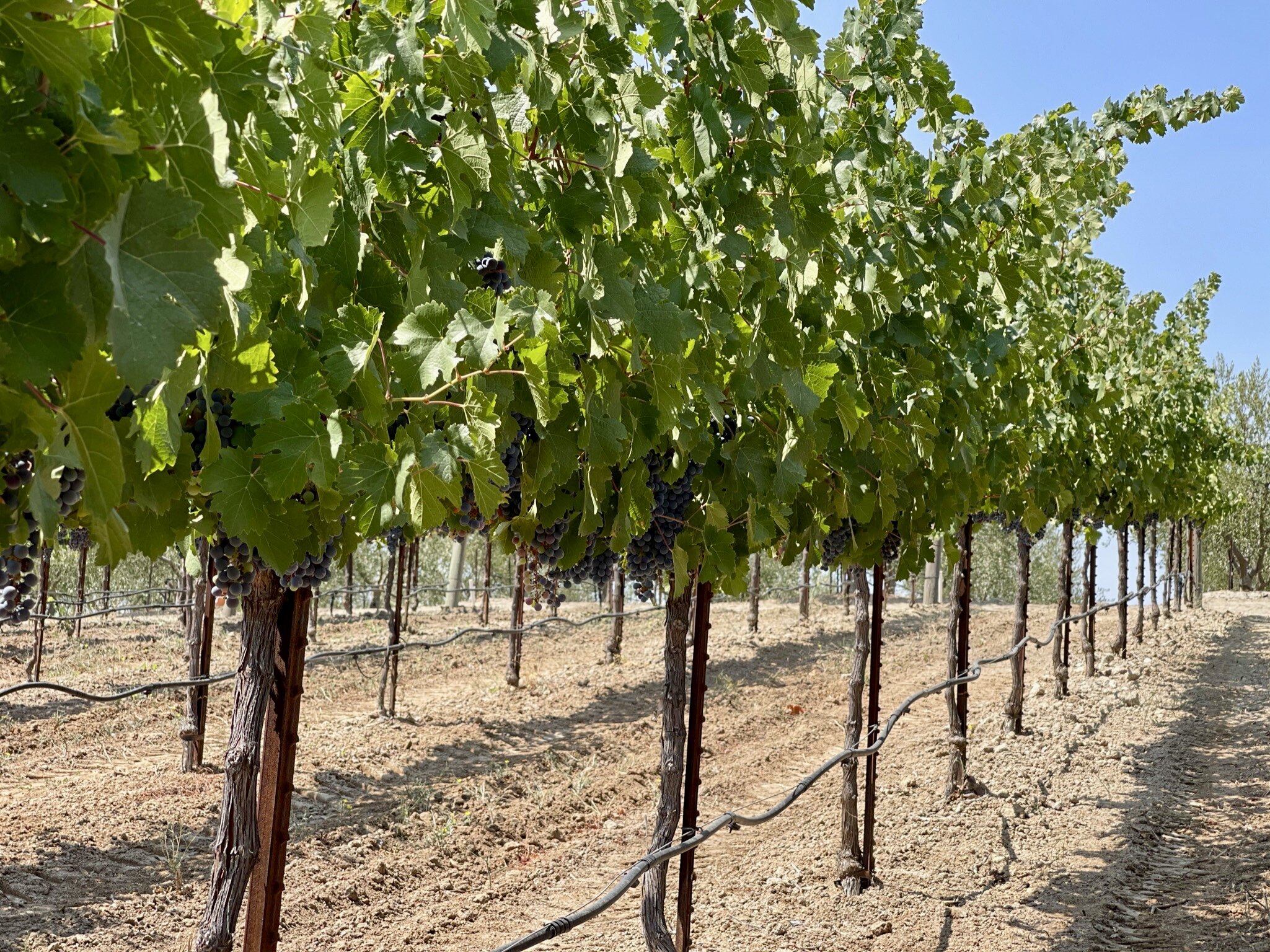
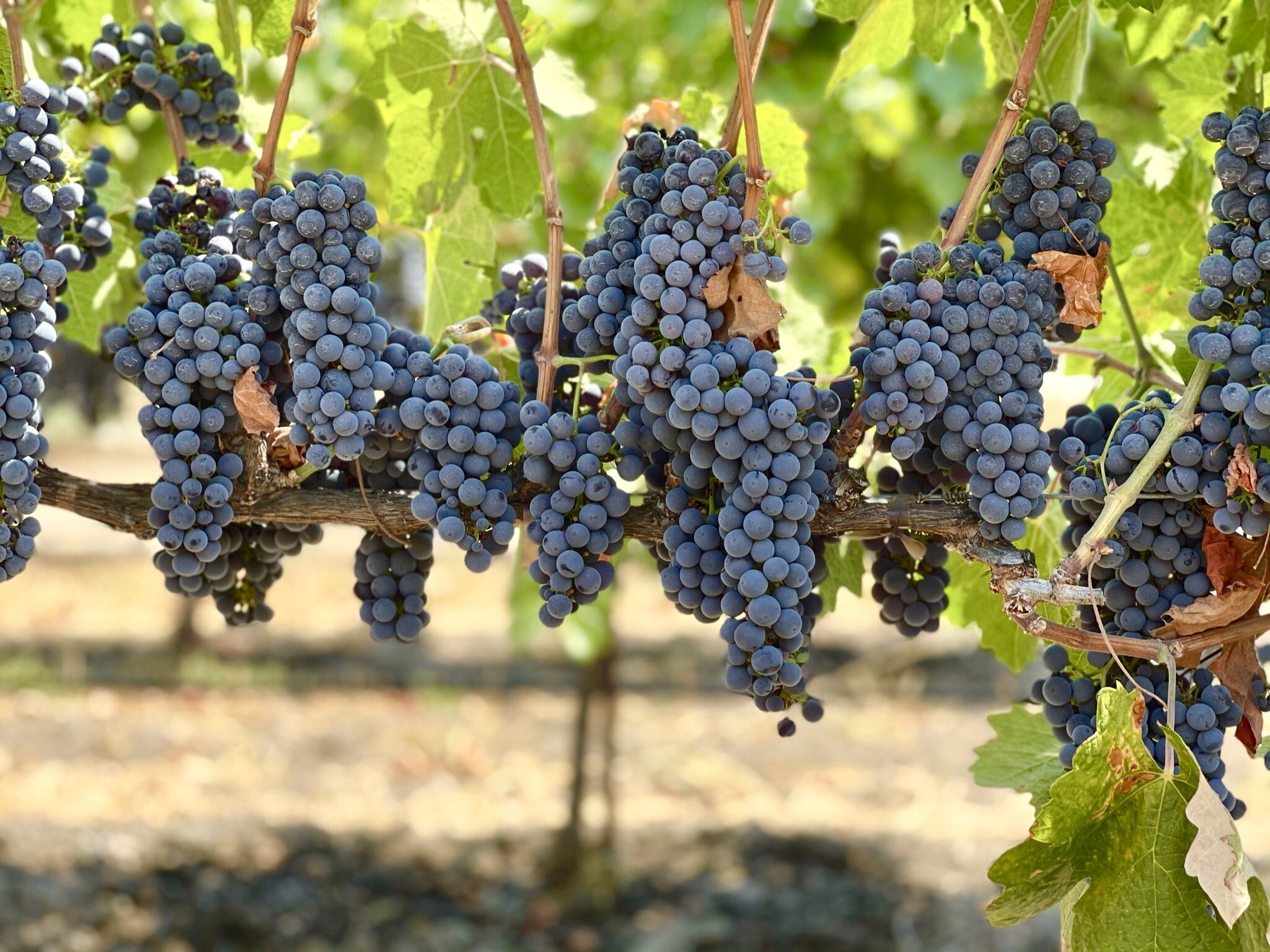
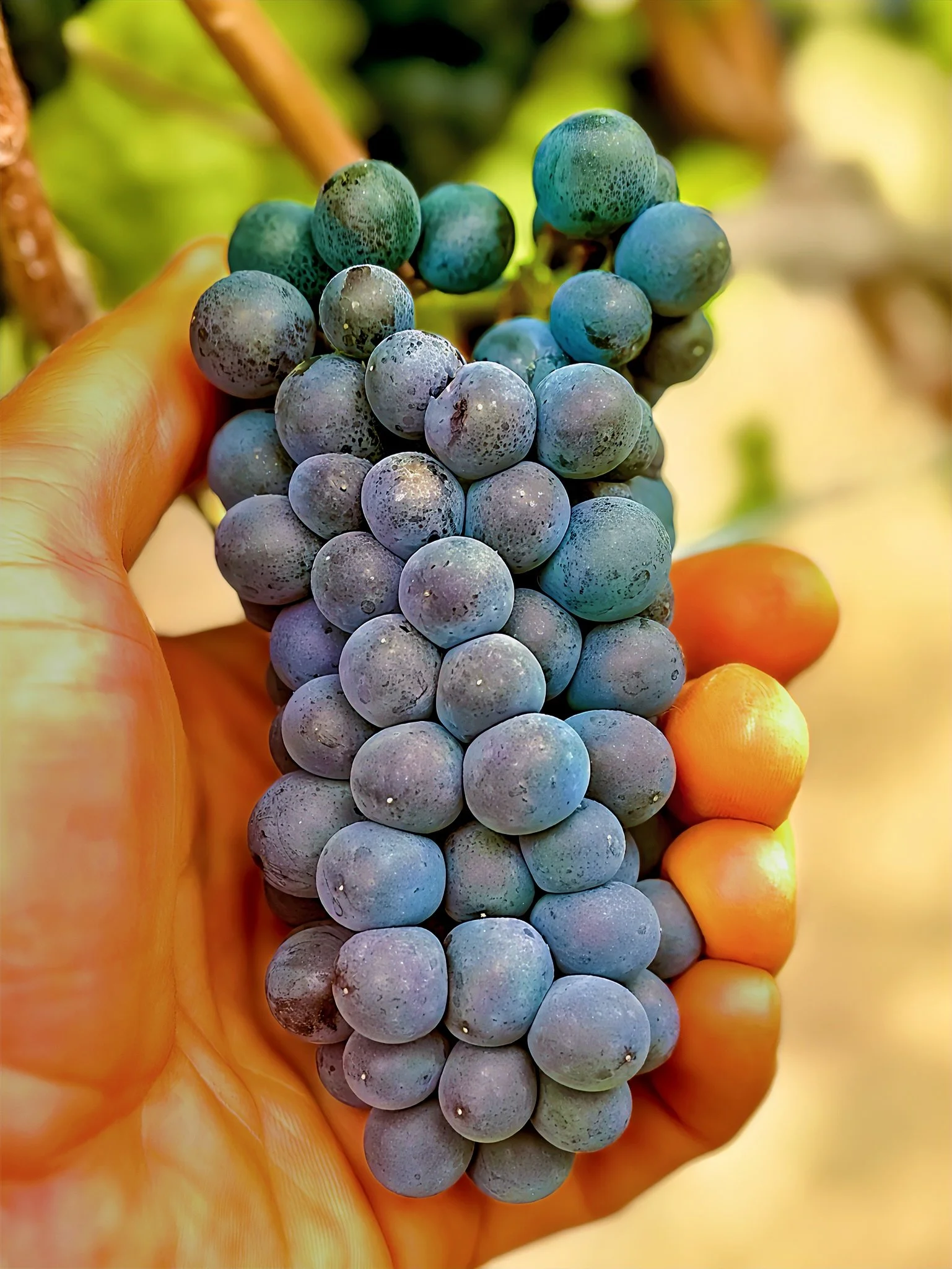
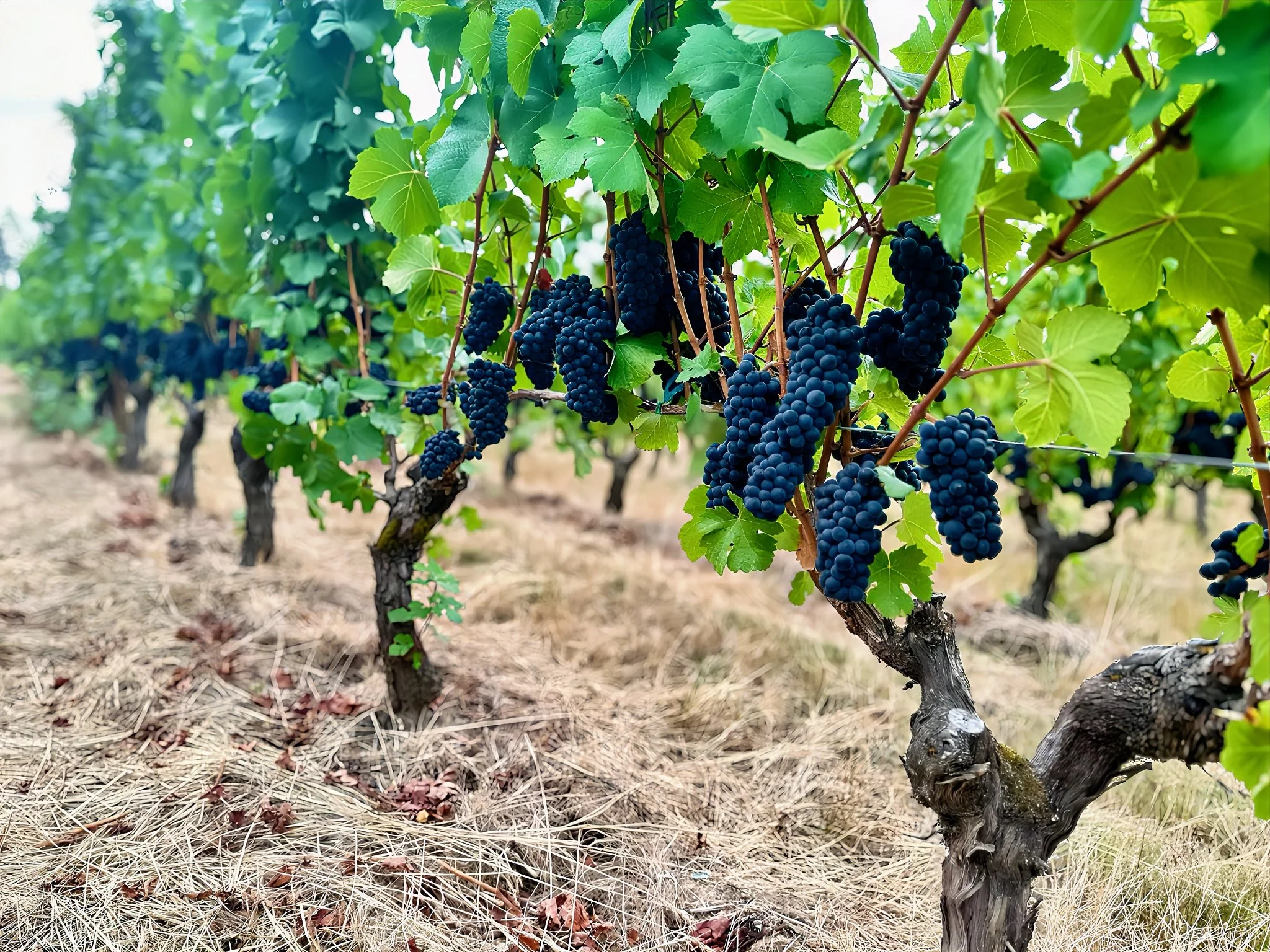
We harvested and processed this fruit on Monday, September 28, and it was beautiful. The fruit came in exceptionally clean, with substantial skins and a field reading of approximately 23° Brix.
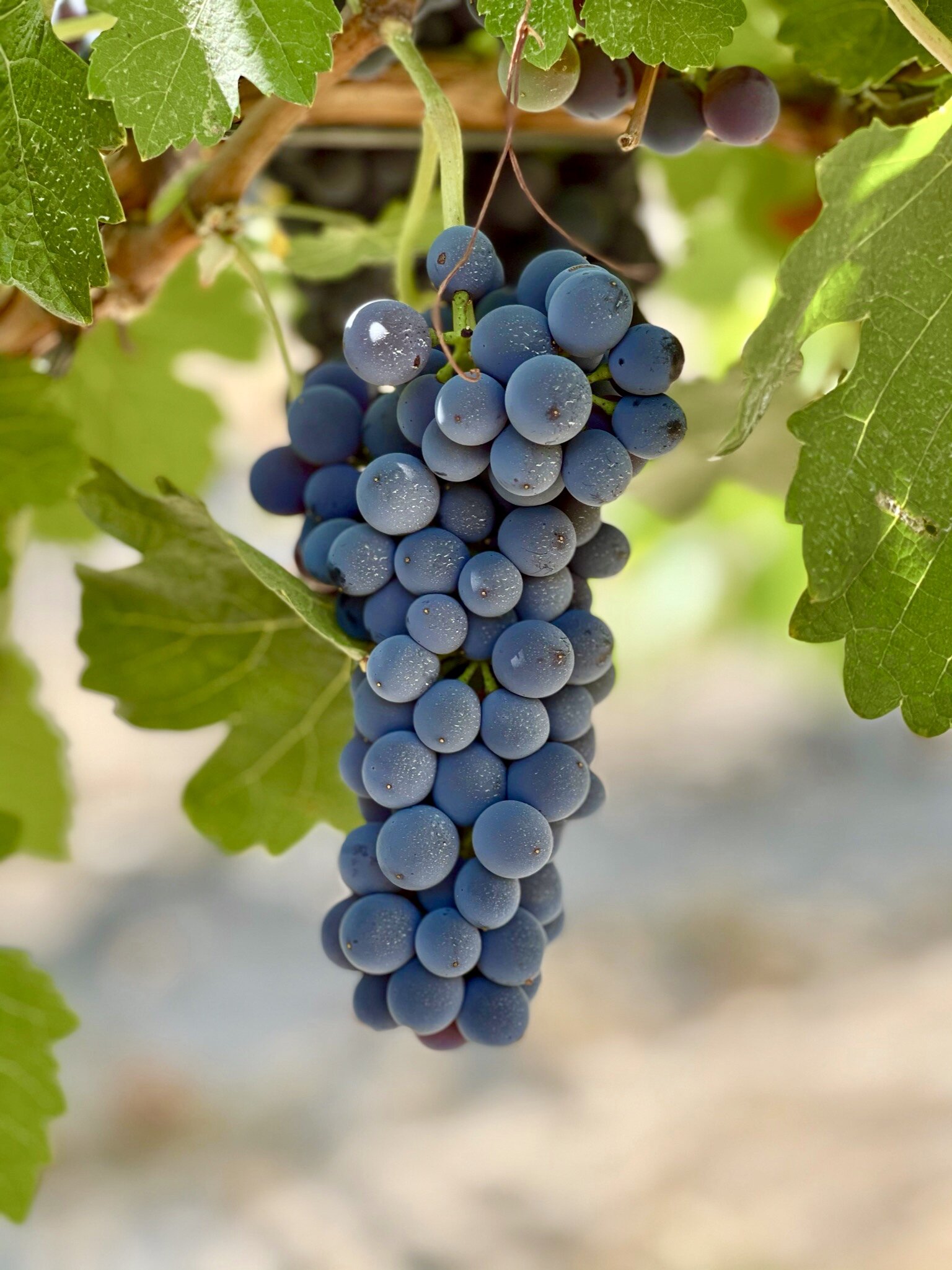
What immediately stood out was the flavor. The berries had an incredibly fresh, concentrated, almost grape-jam character — deeply fruity without tasting heavy or overripe. There was also a noticeably aromatic quality to the fruit, along with more skin structure than you might expect from Gamay.
It is intensely expressive raw material, with enough freshness to make a lively young wine but enough depth and skin structure to take in a considerably more serious direction.
The Grape Behind Beaujolais
Gamay is the traditional red grape of Beaujolais, where it can produce remarkably different styles depending on how the winemaker handles it.
On the fresh and youthful end of the spectrum, Gamay can make vibrant, highly aromatic wines built around its natural fruit character. A wine made in that spirit could be ready relatively quickly and would be a wonderful holiday wine — bright, fresh, and particularly well suited to charcuterie, cheeses, appetizers, and roast poultry.
But Gamay does not have to be simple or short-lived. More structured expressions can be given greater extraction and élevage, producing wines with considerably more depth and the ability to develop with bottle age. Given the substantial skins and concentration we saw while processing this fruit, there is plenty here for a winemaker who wants to pursue that more serious style as well.
We will also be publishing a dedicated How to Make This Wine guide with our recommendations for fermentation, extraction, pressing, and finishing this particular Gamay once the complete ETS analysis is back.
Highlights
Vineyard: Croft Vineyard
AVA: Mount Pisgah, Polk County, Oregon
Varietal: Gamay
Block: 3G
Block size: 0.85 acres / 18 rows
Planted: 2012
Elevation: Approximately 350 feet
Field Brix: Approximately 23°
Harvest date: September 28, 2026
Soils: Predominantly Bellpine with a small vein of Jory
Farming: USDA Certified Organic and entirely dry-farmed
At crush: Thick-skinned, exceptionally clean fruit with intense fresh grape-jam character and lifted aromatics
Winemaking potential: Fresh and fruit-driven or deeper, structured, and age-worthy
ETS analysis: Pending
Farming Practices
Certified Organic
☑ USDA Certified Organic
☑ Completely dry-farmed
☑ Organically farmed since 1983
The vineyard’s current ODA certificate carries a 2019 effective date because Croft transitioned its certification from Oregon Tilth to the Oregon Department of Agriculture at that time.
Extremely limited. Just 0.85 acres of certified organic Gamay from a singular Oregon vineyard site.
Each pail includes 5 gallons of grape must
Product will arrive frozen or partially frozen.
Croft Vineyard – Mount Pisgah, Polk County, Oregon AVA
Brix: 22.5 | pH: 3.10 | TA: 6.5 g/L | YAN: 115 mg/L | Glucose + Fructose: 232 g/L
Potential Alcohol: ~13.5–14.1% ABV based on measured fermentable sugar (glucose + fructose: 232 g/L). Most likely finished alcohol: ~13.8% ABV if fermented dry.
(Full ETS Lab Report in photos or CLICK HERE)
Harvested and destemmed: September 28th, 2026
A Tiny, Dry-Farmed Gamay Block from One of Oregon’s Longtime Organic Vineyards
This is one of the most distinctive lots we brought in for 2026: certified organic Gamay from a tiny 0.85-acre block at Croft Vineyard, planted in 2012 near the lower portion of the vineyard at approximately 350 feet elevation. Since the block was planted, Croft has kept this Gamay entirely within its own estate wine program. The 2026 harvest marks the first time fruit from this block has ever been offered outside the winery.
The block is almost entirely Bellpine soil, with a small vein of Jory running along its edge. Shallow groundwater allows the vineyard to be entirely dry-farmed, giving the vines access to natural moisture without irrigation.
Croft has farmed organically since 1983 and has been certified organic since the early 2000s. Its current Oregon Department of Agriculture certification shows an effective date of 2019 because the vineyard changed certifiers from Oregon Tilth to ODA that year. Croft remains USDA Organic certified, and Gamay is specifically included among the vineyard’s certified winegrape crops.
The Gamay occupies Block 3G — just 0.85 acres and 18 rows, planted in 2012. The exact clone is not currently known. The vines originated from the same Gamay material once planted by Al MacDonald at Seven Springs Vineyard, and the grower is still working to determine whether additional records survive identifying the clone.
What We Saw at Crush
We harvested and processed this fruit on Monday, September 28, and it was beautiful. The fruit came in exceptionally clean, with substantial skins and a field reading of approximately 23° Brix.
What immediately stood out was the flavor. The berries had an incredibly fresh, concentrated, almost grape-jam character — deeply fruity without tasting heavy or overripe. There was also a noticeably aromatic quality to the fruit, along with more skin structure than you might expect from Gamay.
It is intensely expressive raw material, with enough freshness to make a lively young wine but enough depth and skin structure to take in a considerably more serious direction.
The Grape Behind Beaujolais
Gamay is the traditional red grape of Beaujolais, where it can produce remarkably different styles depending on how the winemaker handles it.
On the fresh and youthful end of the spectrum, Gamay can make vibrant, highly aromatic wines built around its natural fruit character. A wine made in that spirit could be ready relatively quickly and would be a wonderful holiday wine — bright, fresh, and particularly well suited to charcuterie, cheeses, appetizers, and roast poultry.
But Gamay does not have to be simple or short-lived. More structured expressions can be given greater extraction and élevage, producing wines with considerably more depth and the ability to develop with bottle age. Given the substantial skins and concentration we saw while processing this fruit, there is plenty here for a winemaker who wants to pursue that more serious style as well.
We will also be publishing a dedicated How to Make This Wine guide with our recommendations for fermentation, extraction, pressing, and finishing this particular Gamay once the complete ETS analysis is back.
Highlights
Vineyard: Croft Vineyard
AVA: Mount Pisgah, Polk County, Oregon
Varietal: Gamay
Block: 3G
Block size: 0.85 acres / 18 rows
Planted: 2012
Elevation: Approximately 350 feet
Field Brix: Approximately 23°
Harvest date: September 28, 2026
Soils: Predominantly Bellpine with a small vein of Jory
Farming: USDA Certified Organic and entirely dry-farmed
At crush: Thick-skinned, exceptionally clean fruit with intense fresh grape-jam character and lifted aromatics
Winemaking potential: Fresh and fruit-driven or deeper, structured, and age-worthy
ETS analysis: Pending
Farming Practices
Certified Organic
☑ USDA Certified Organic
☑ Completely dry-farmed
☑ Organically farmed since 1983
The vineyard’s current ODA certificate carries a 2019 effective date because Croft transitioned its certification from Oregon Tilth to the Oregon Department of Agriculture at that time.
Extremely limited. Just 0.85 acres of certified organic Gamay from a singular Oregon vineyard site.
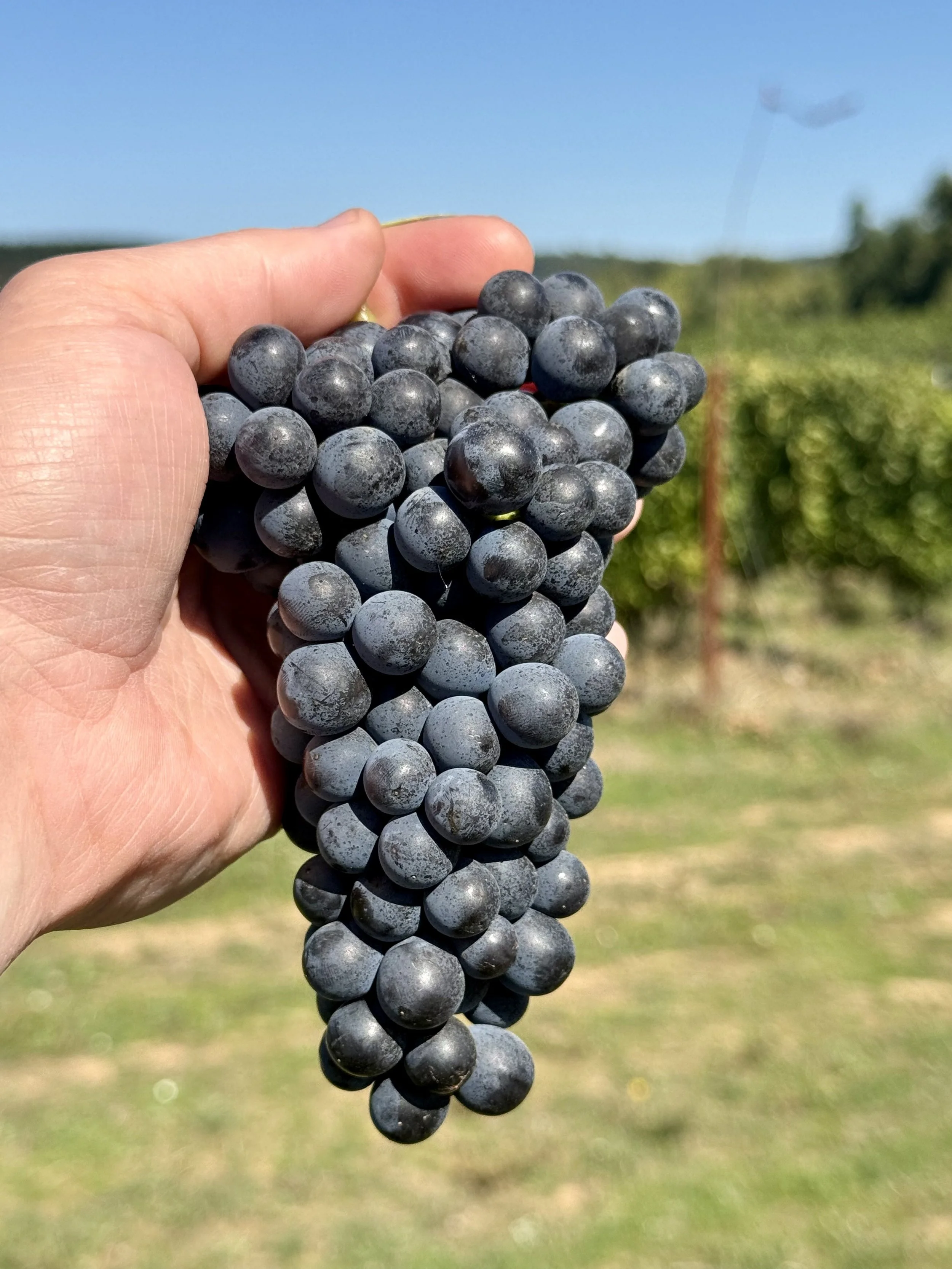 Image 1 of 13
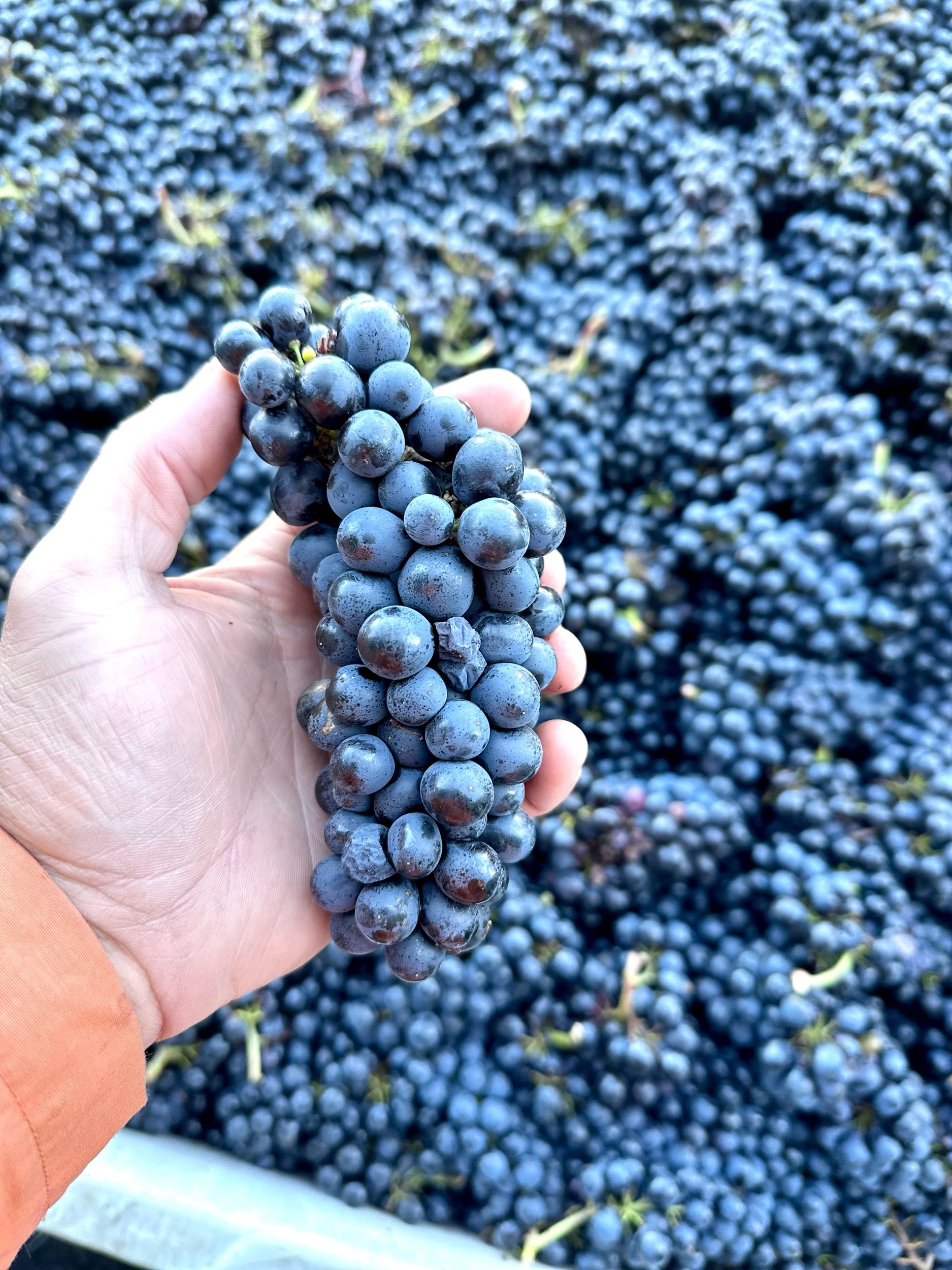 Image 2 of 13
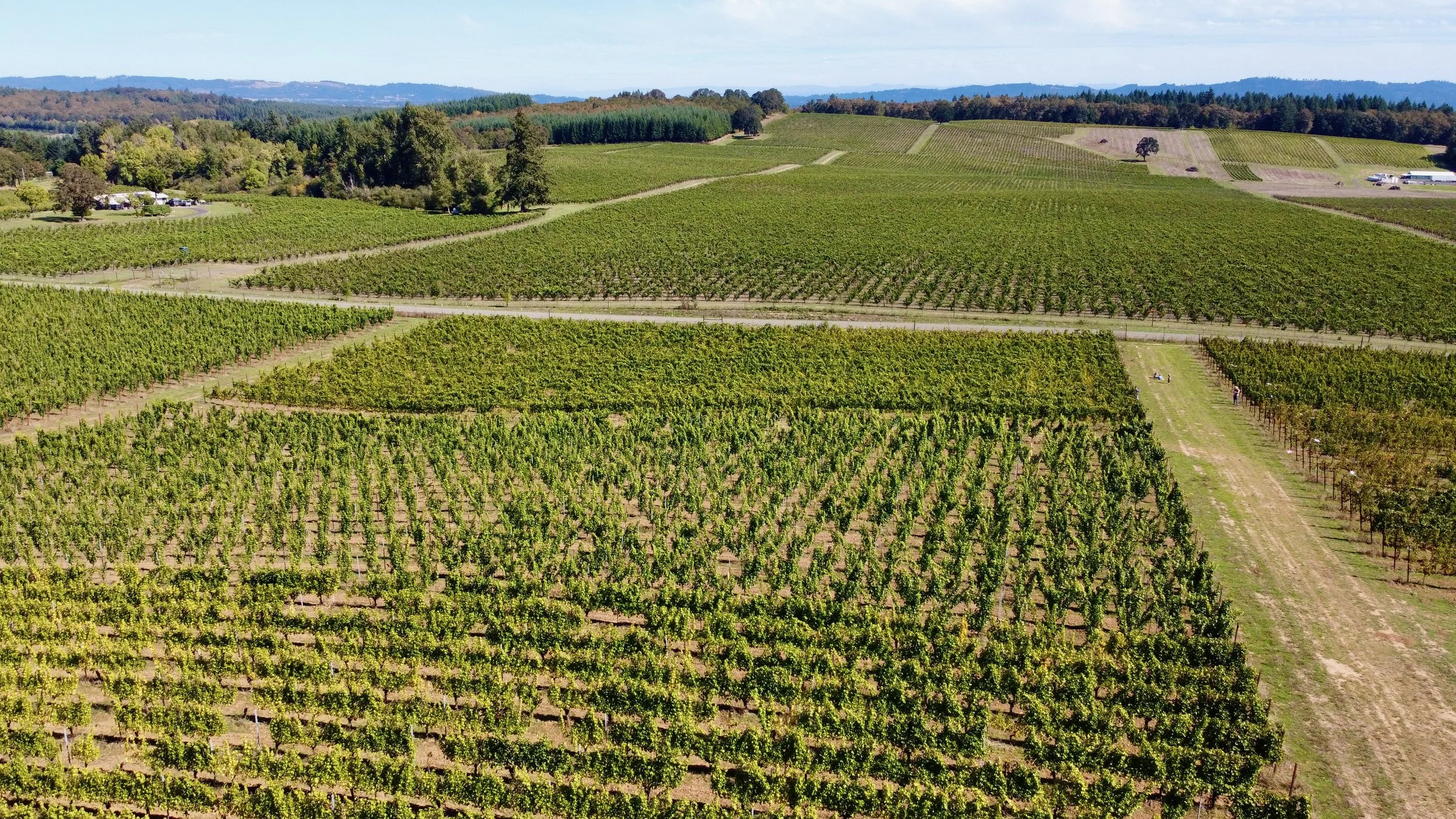 Image 3 of 13
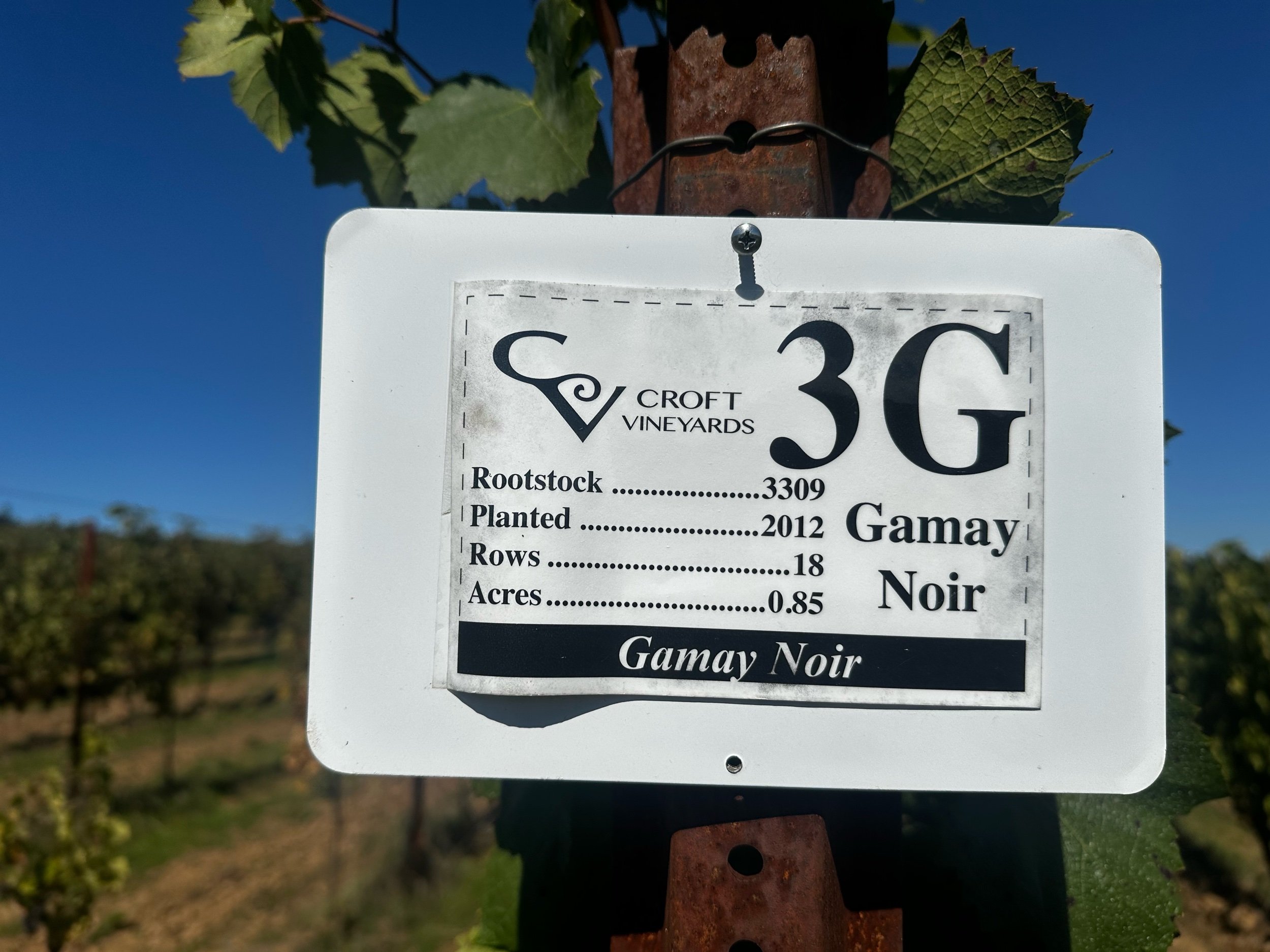 Image 4 of 13
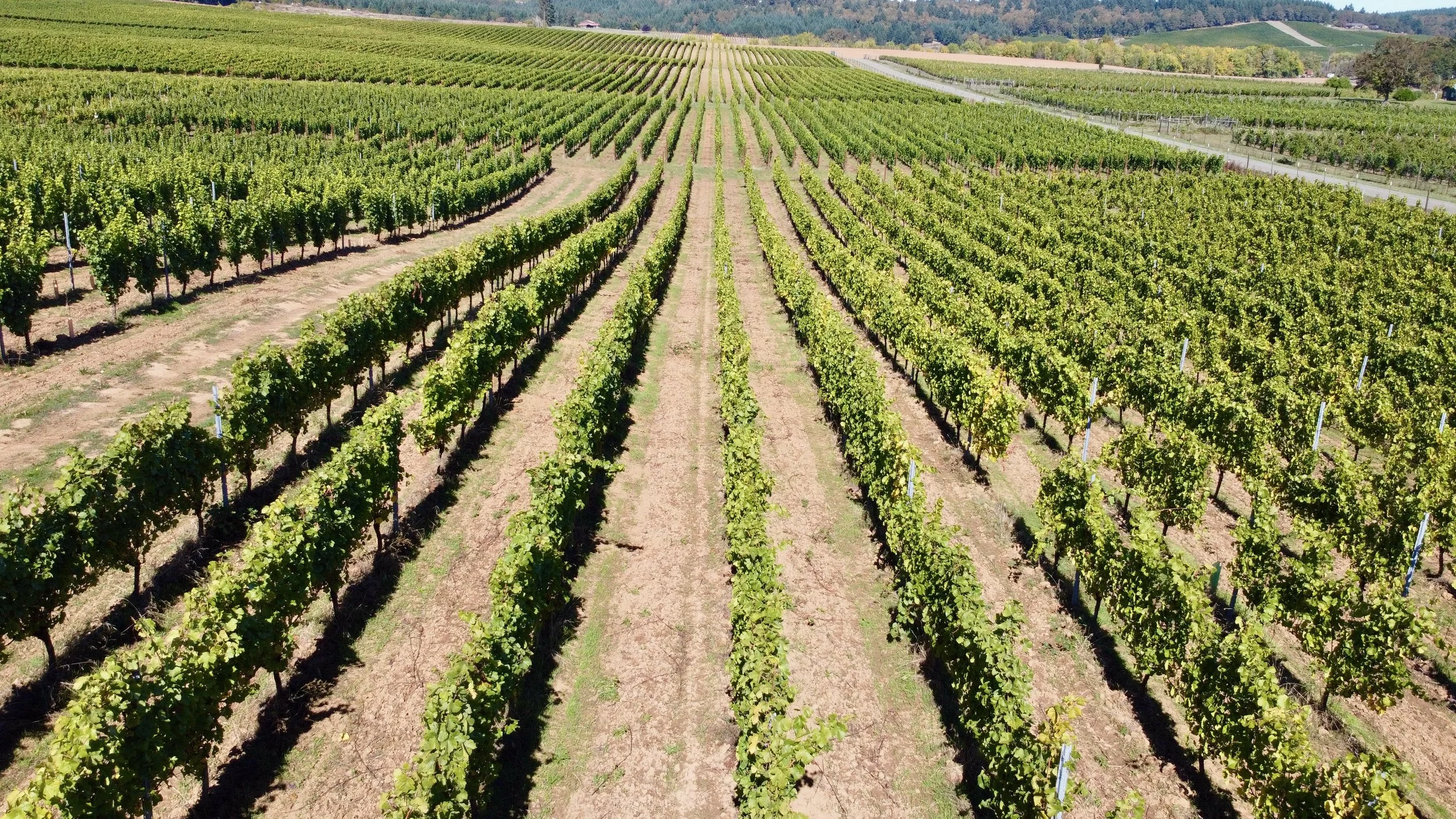 Image 5 of 13
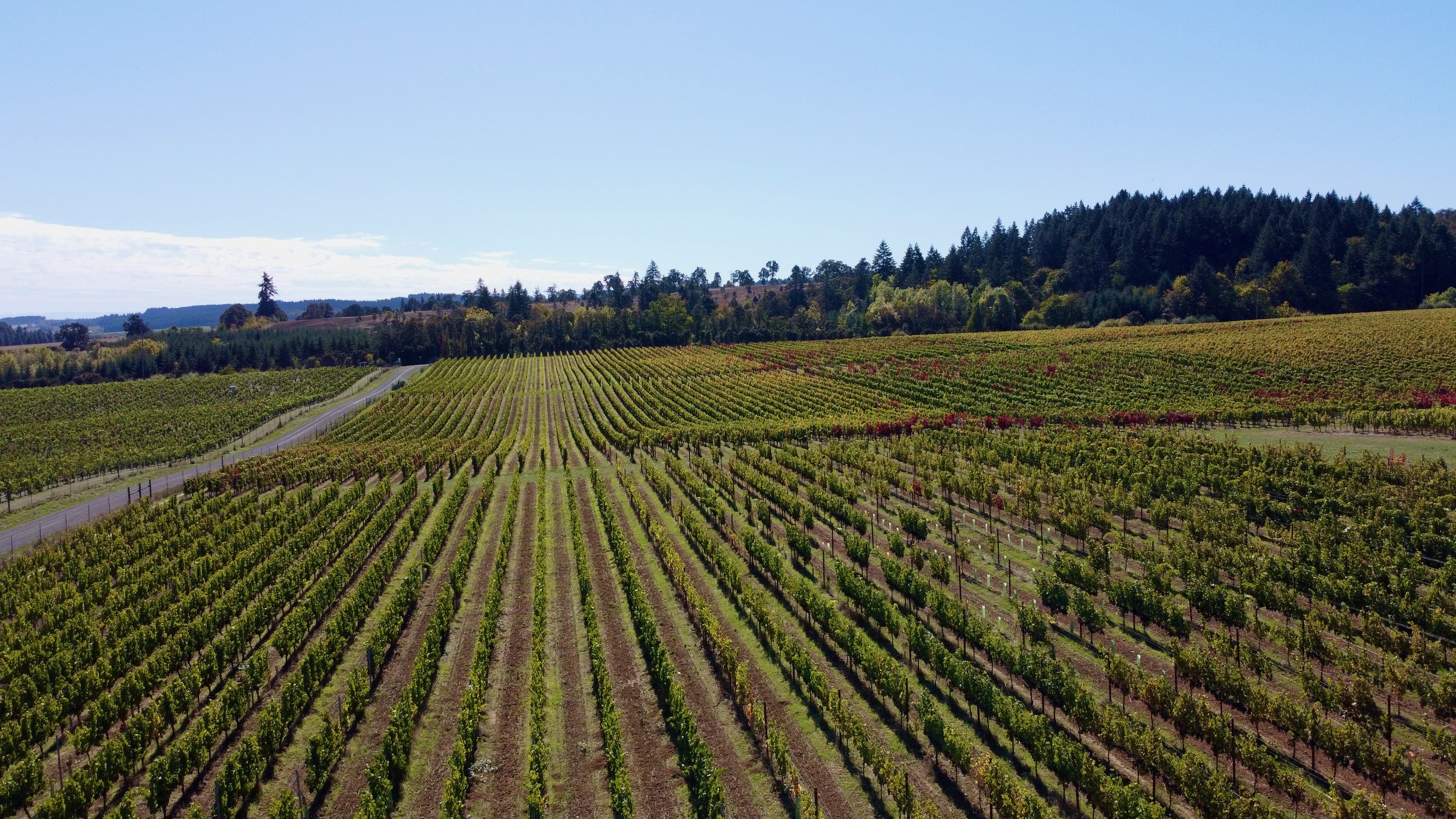 Image 6 of 13
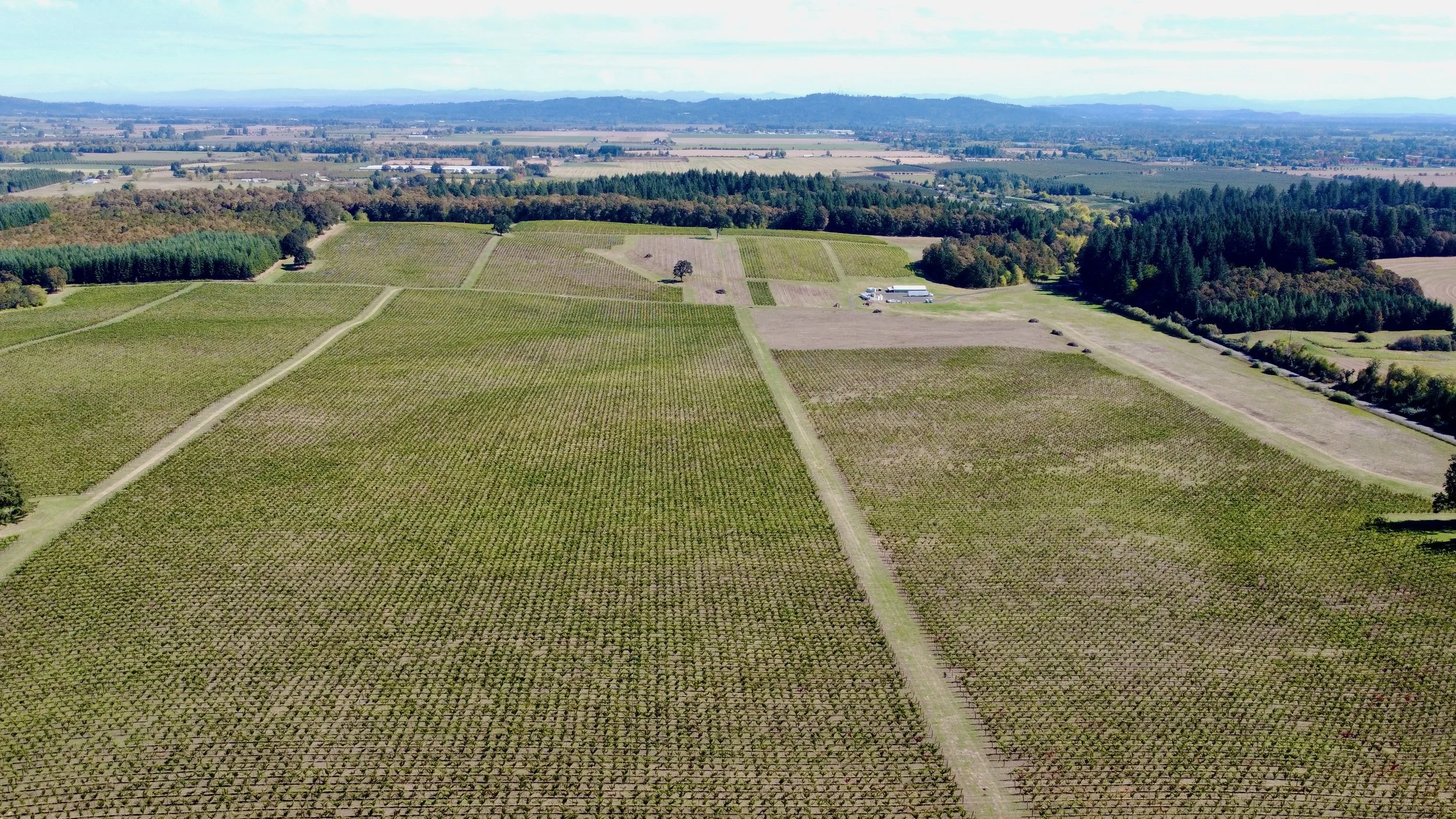 Image 7 of 13
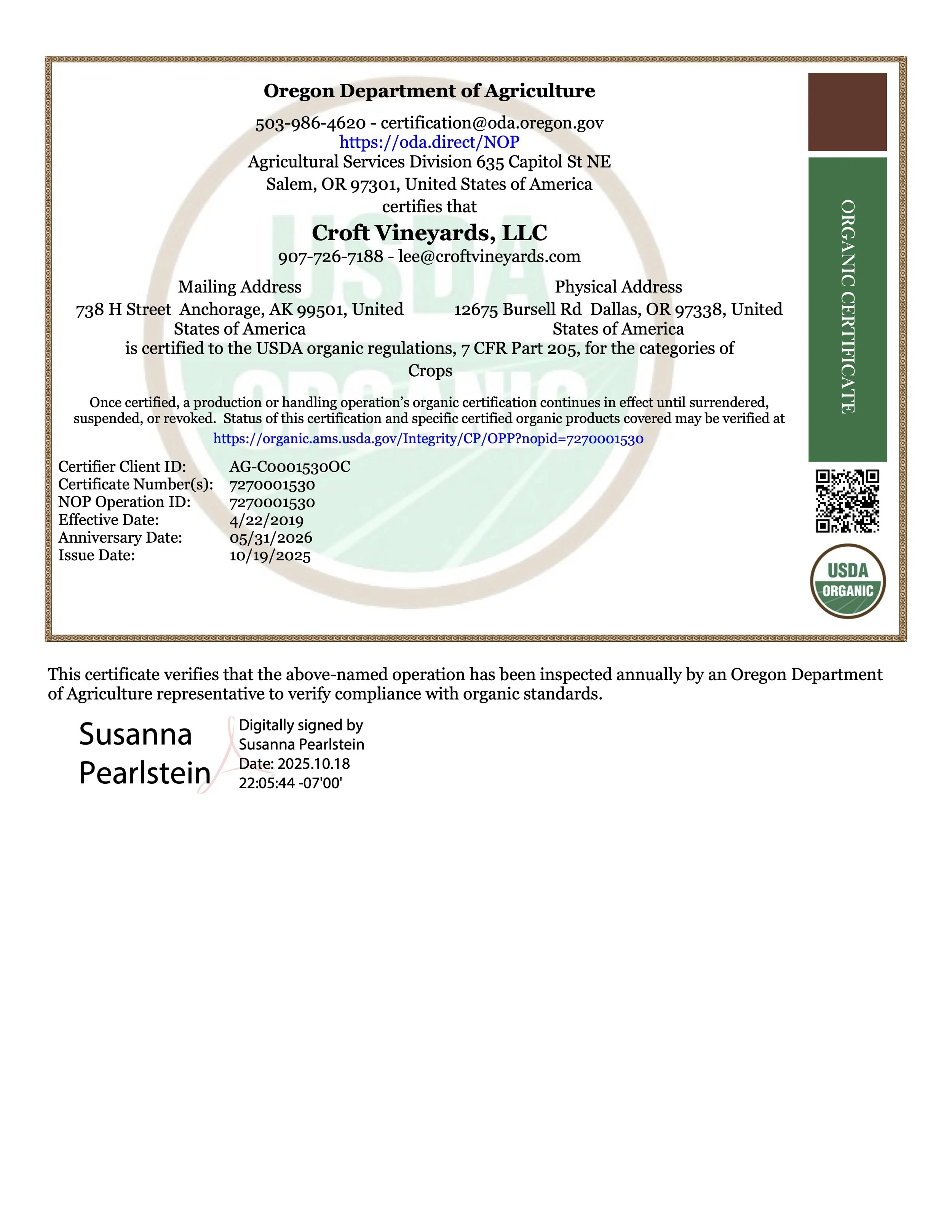 Image 8 of 13
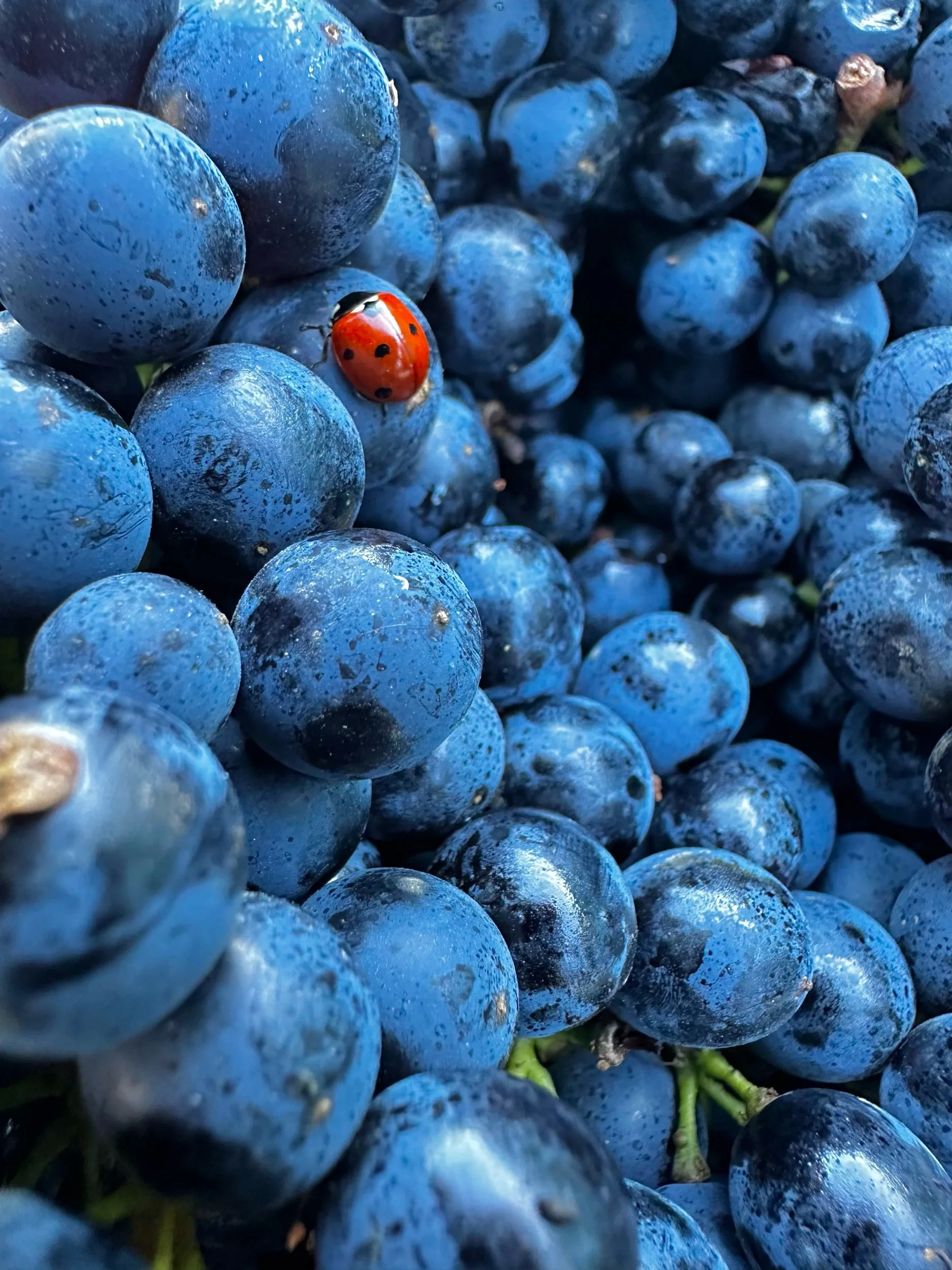 Image 9 of 13
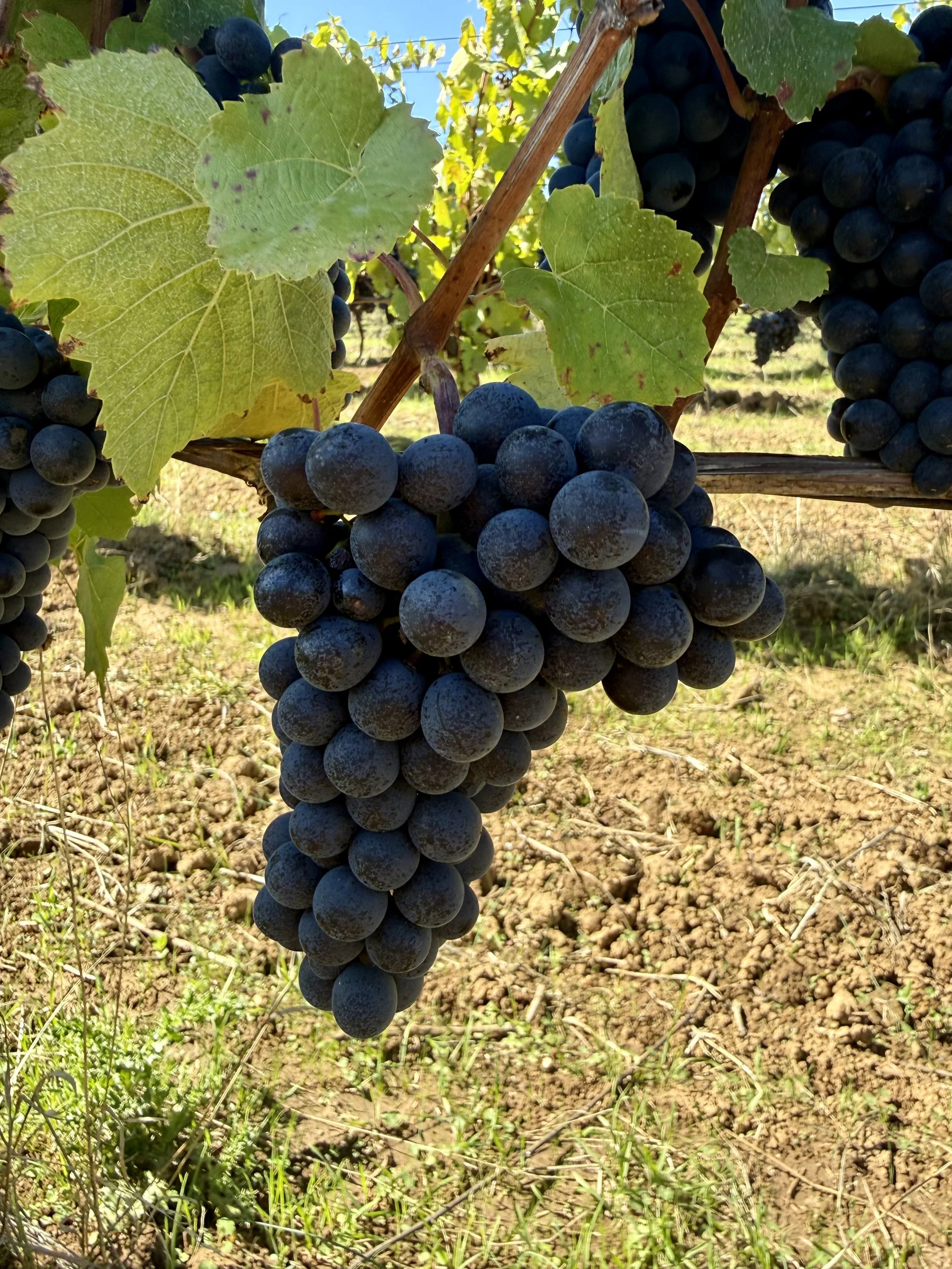 Image 10 of 13
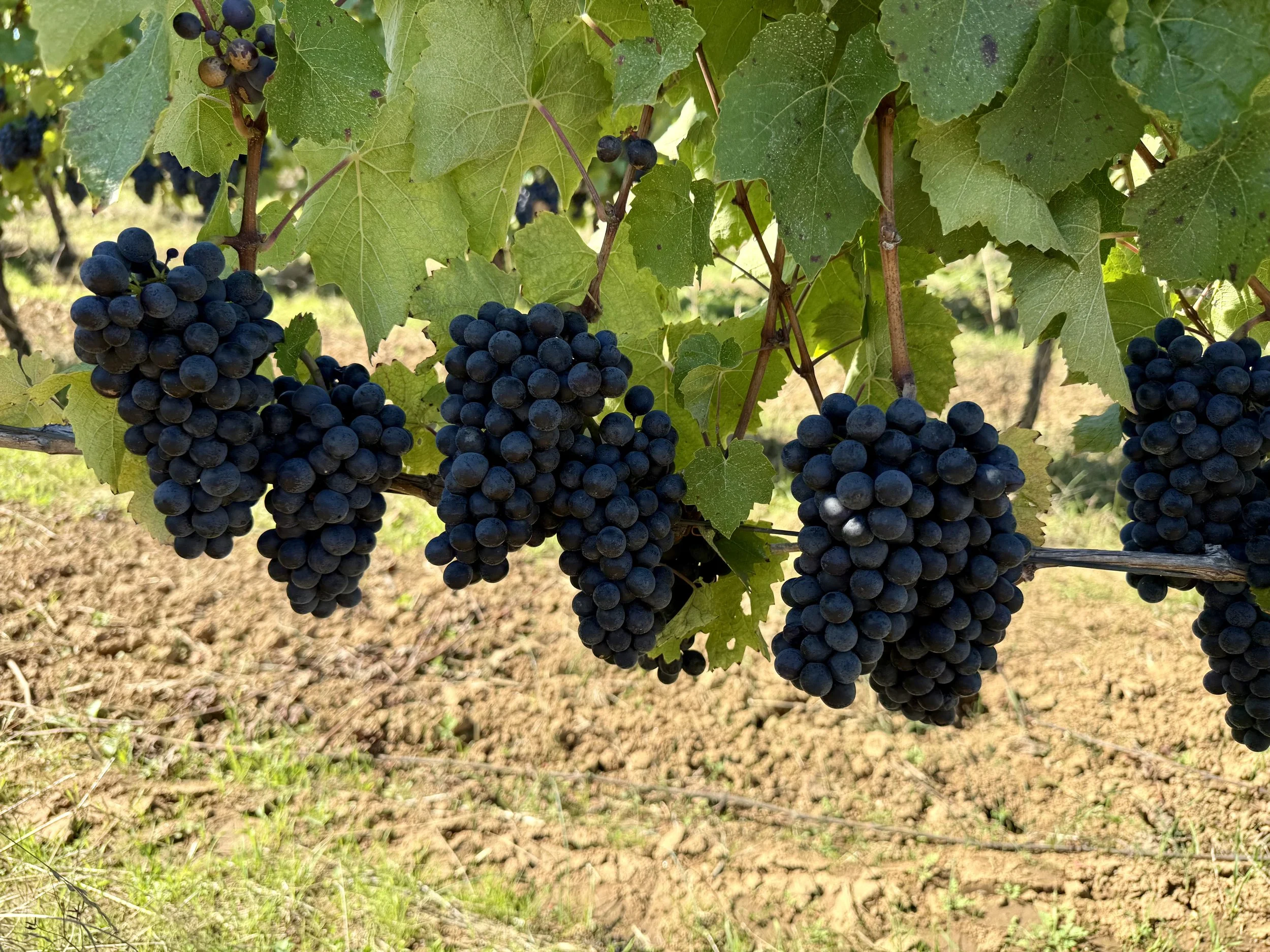 Image 11 of 13
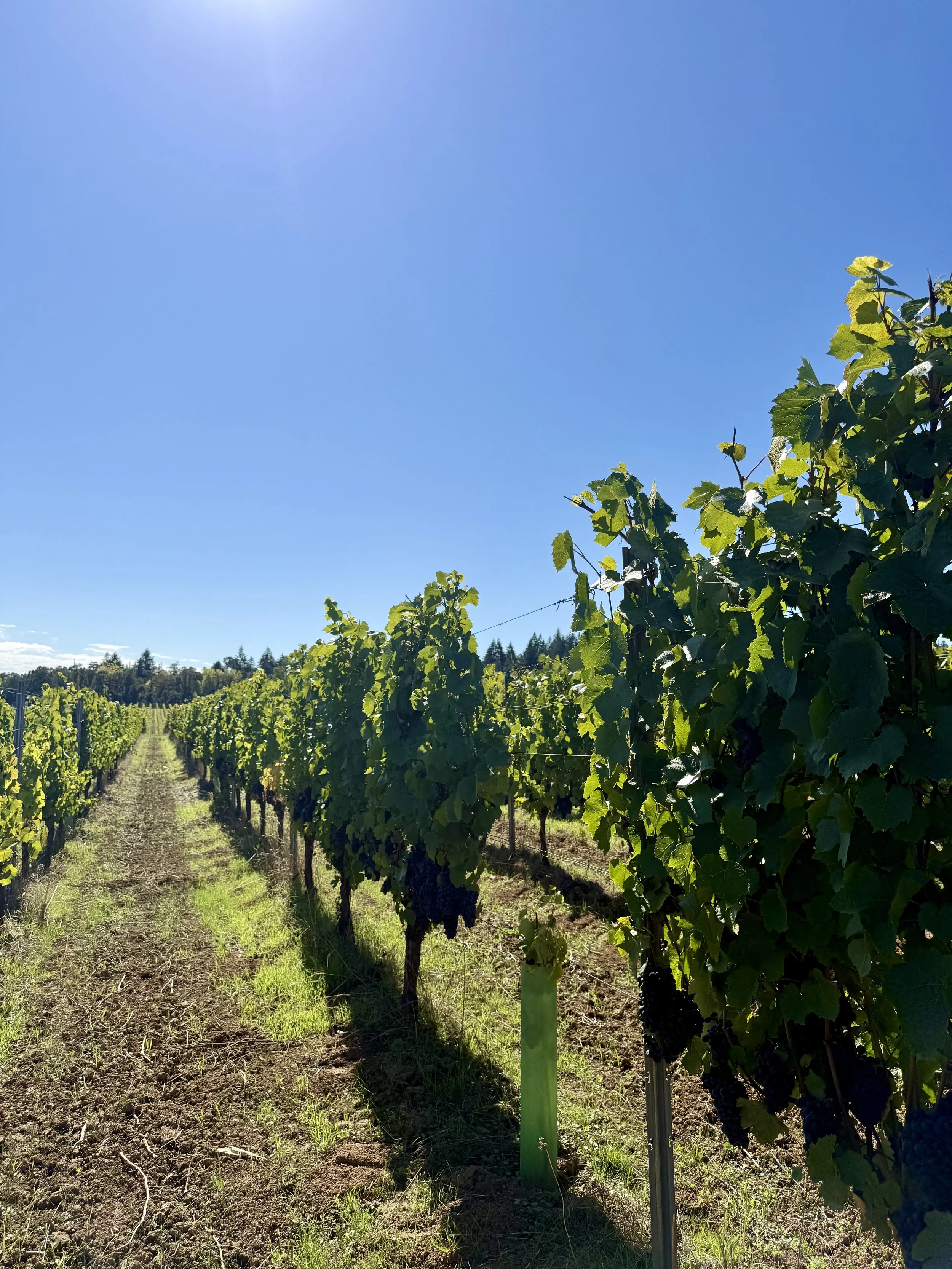 Image 12 of 13
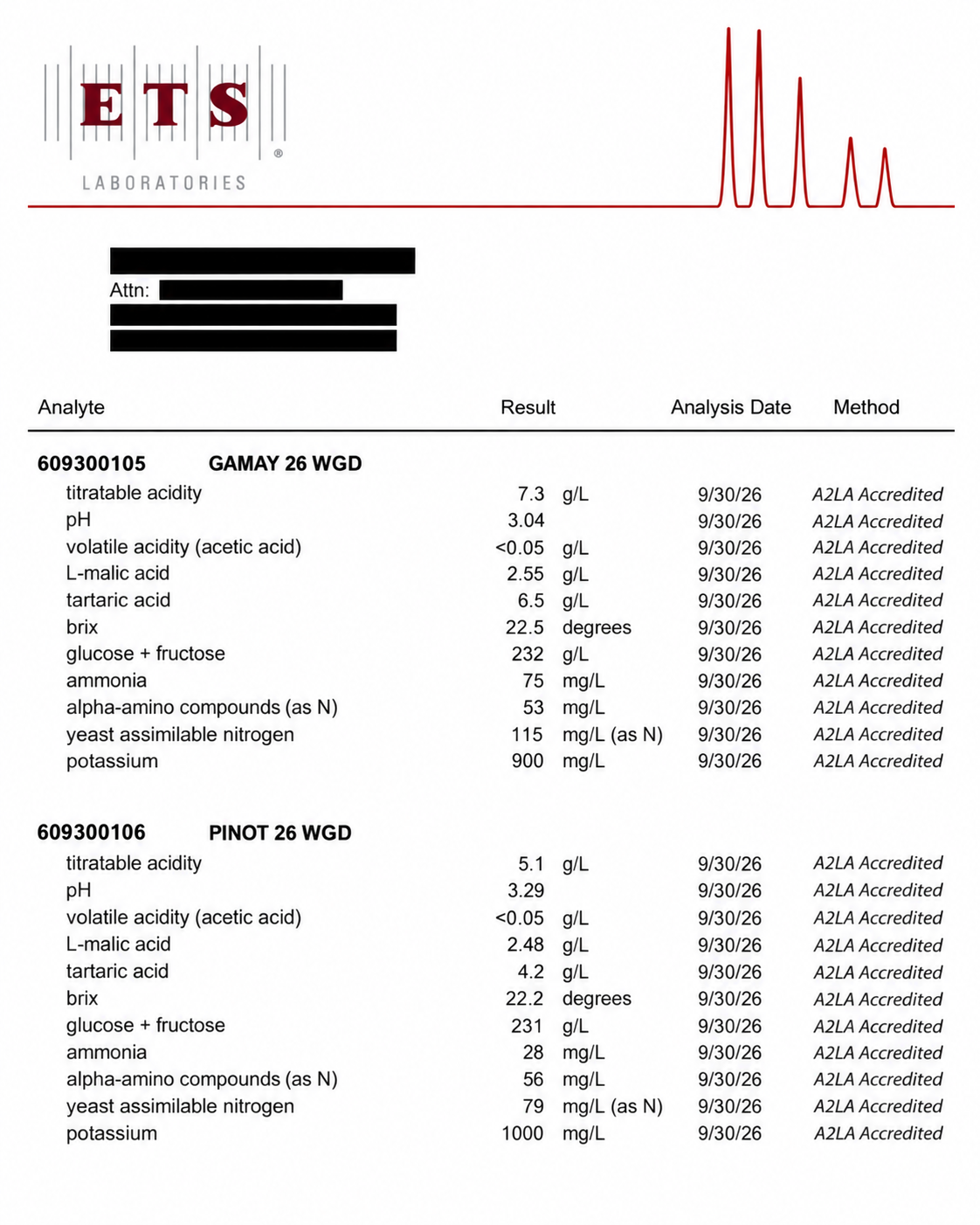 Image 13 of 13