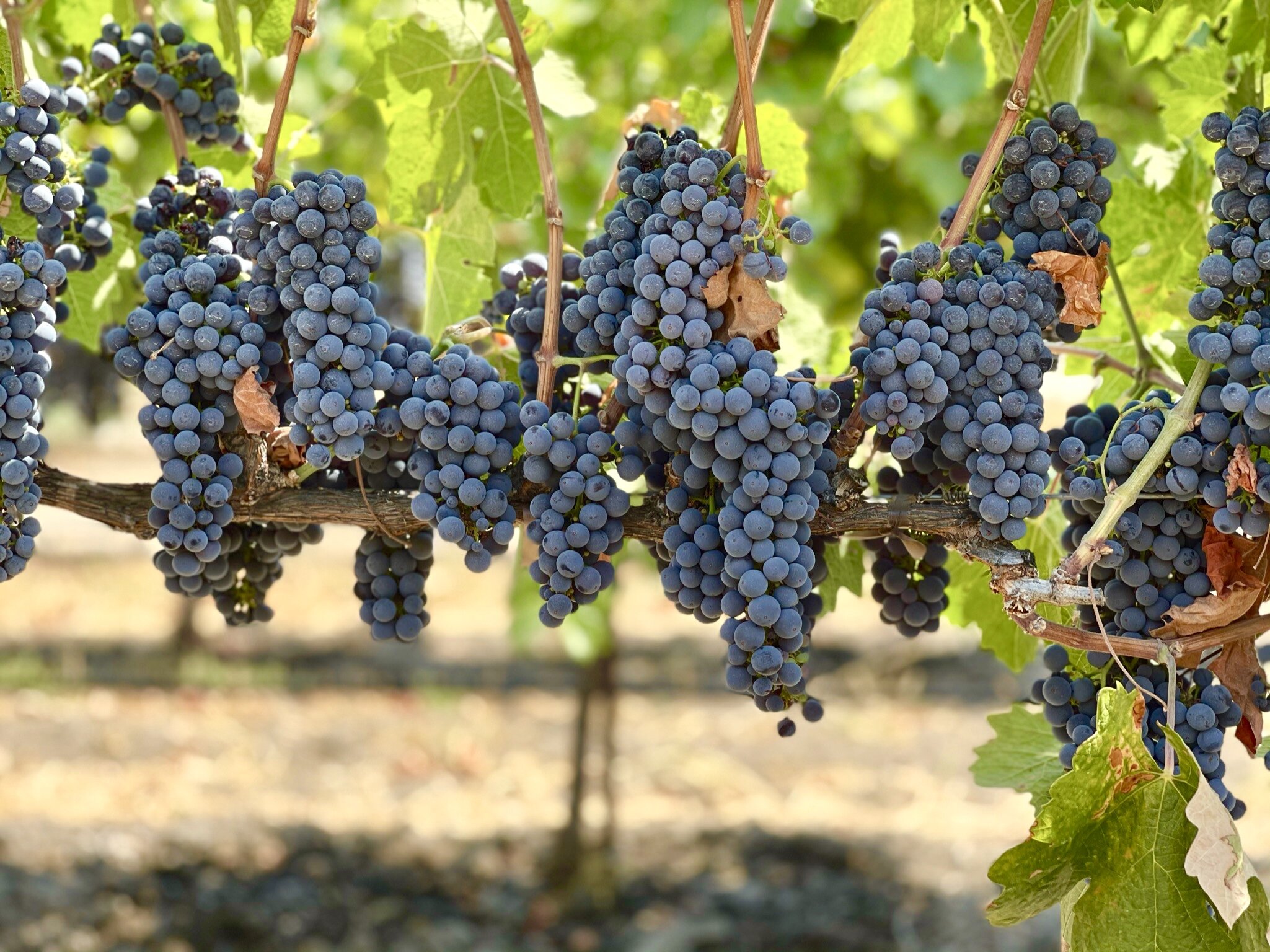
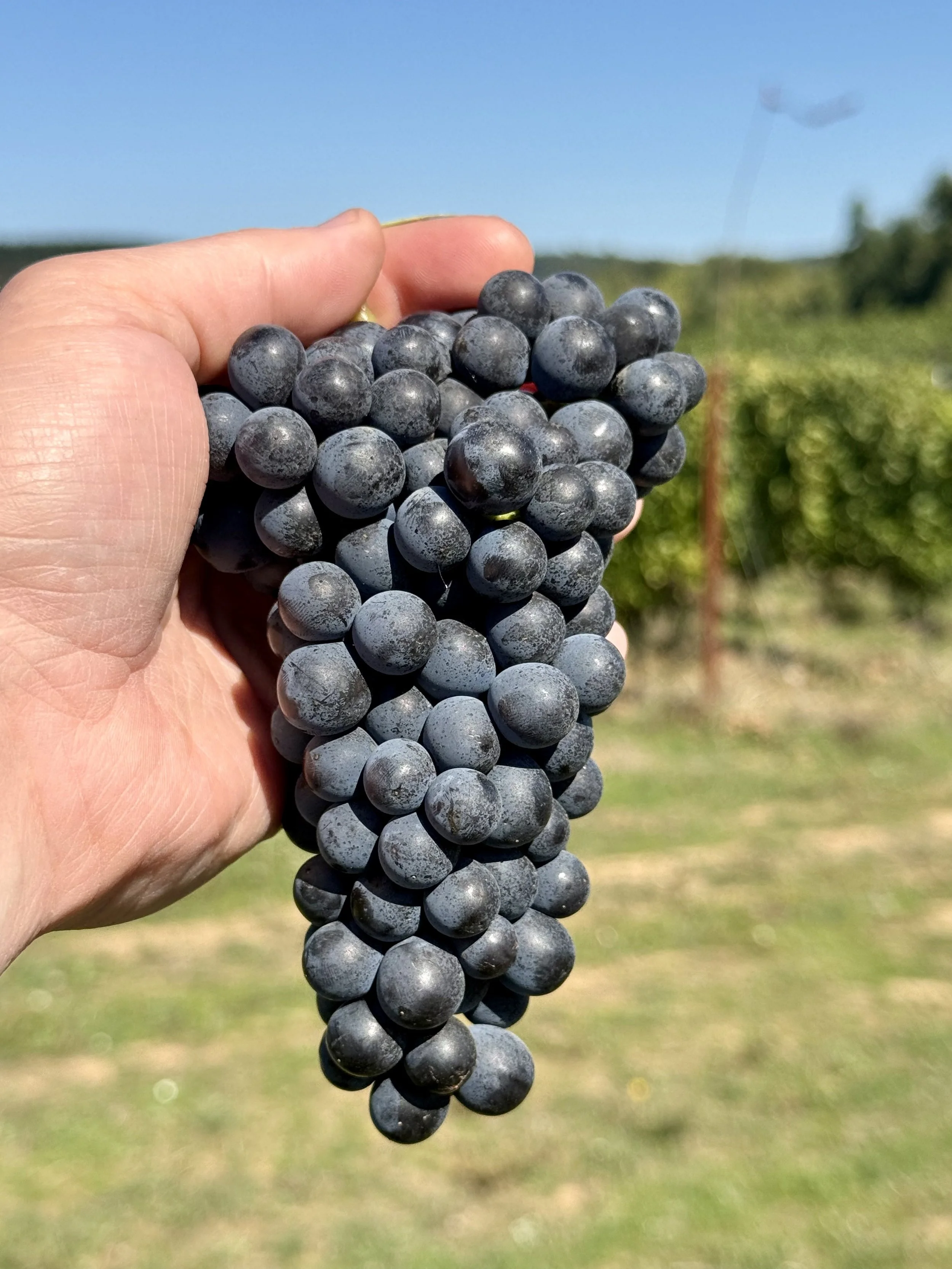
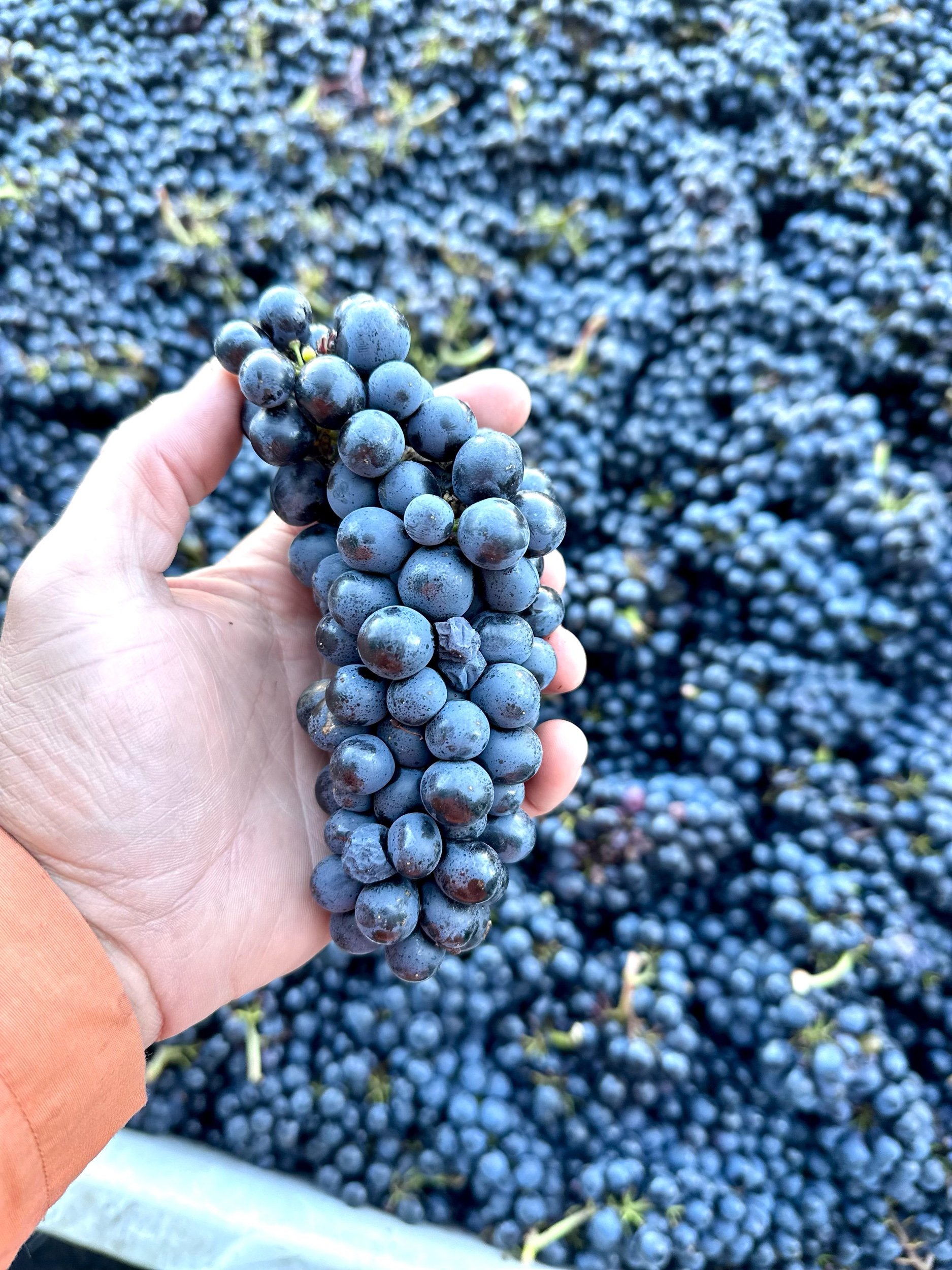
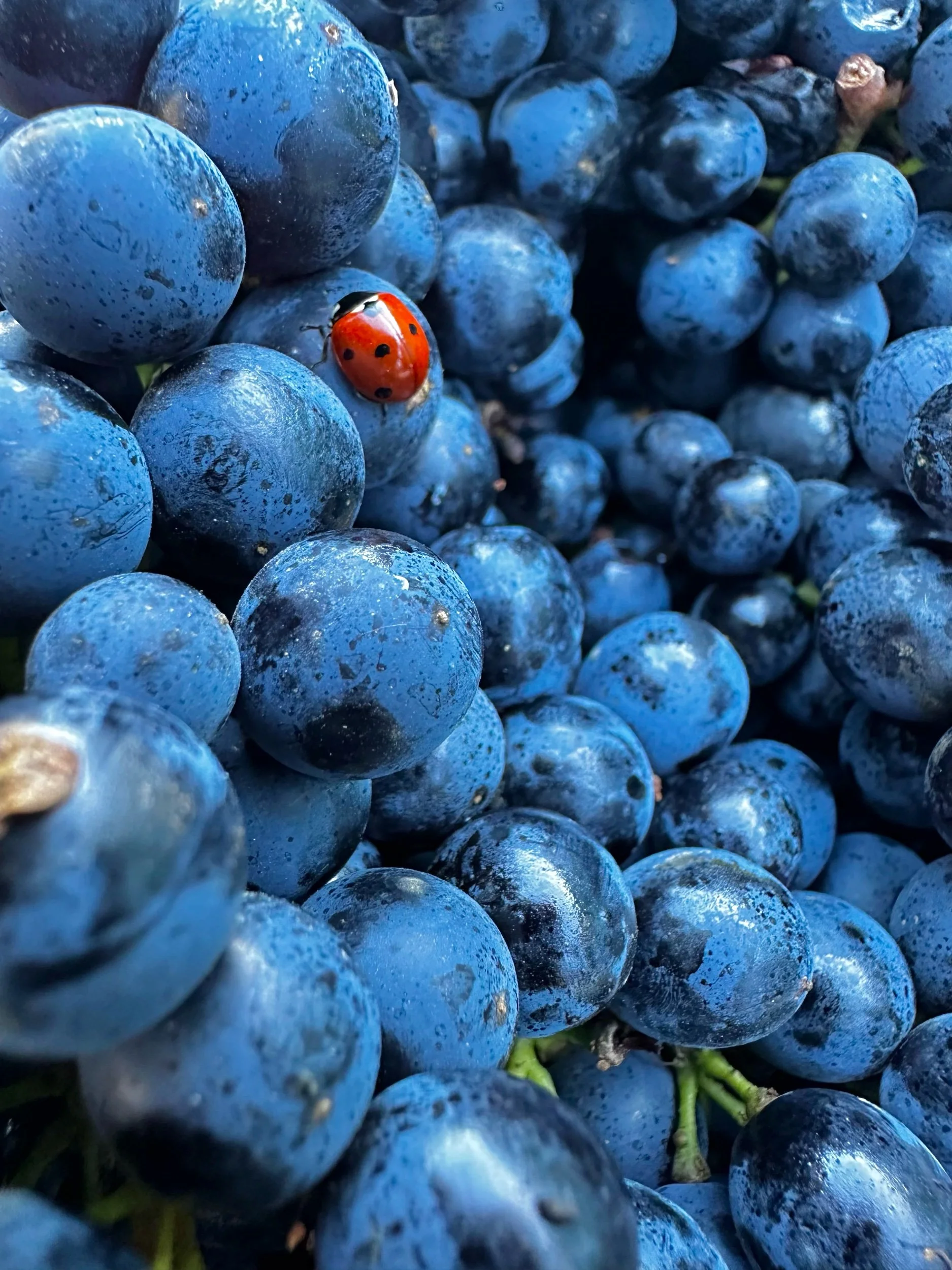
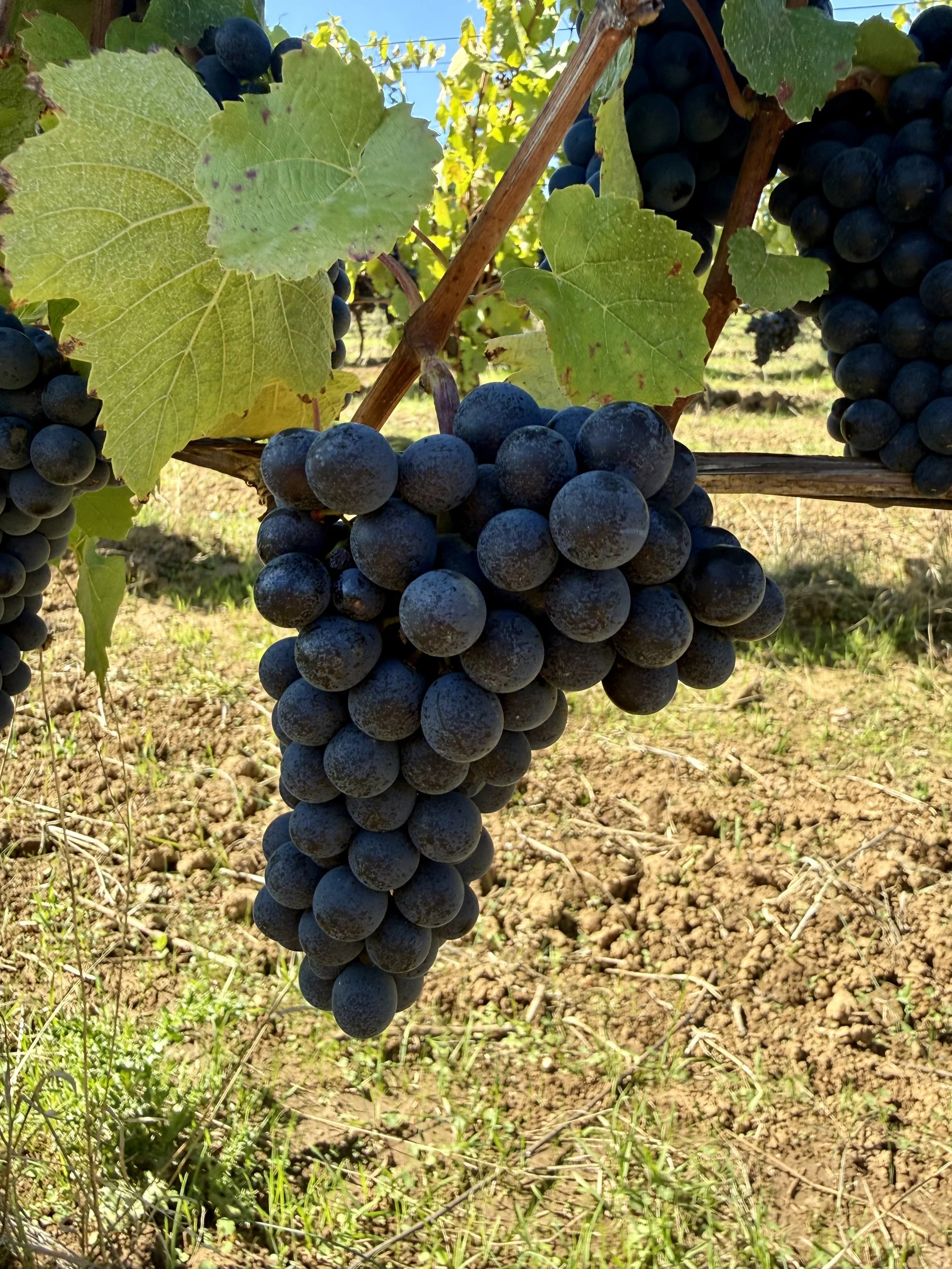
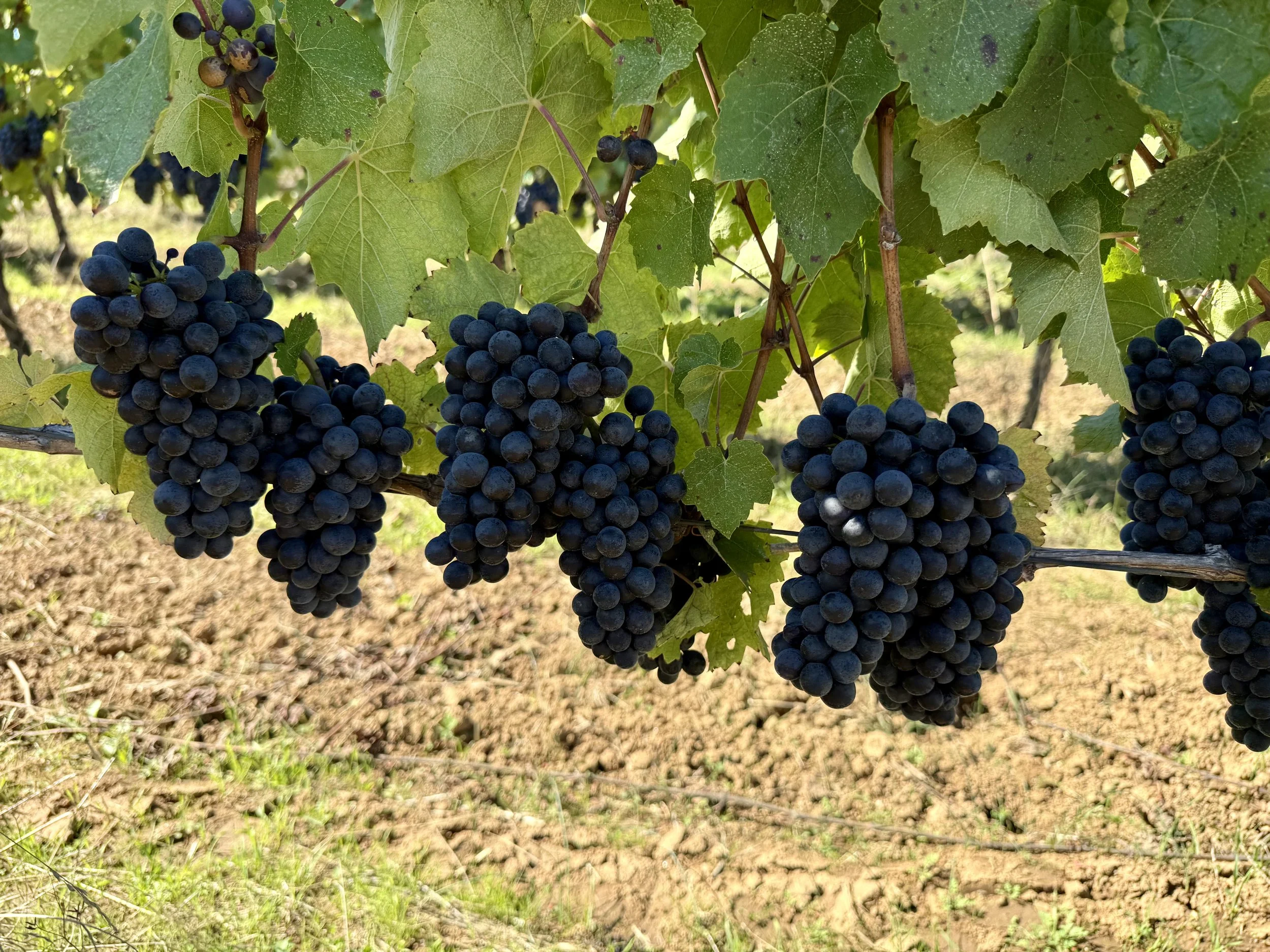
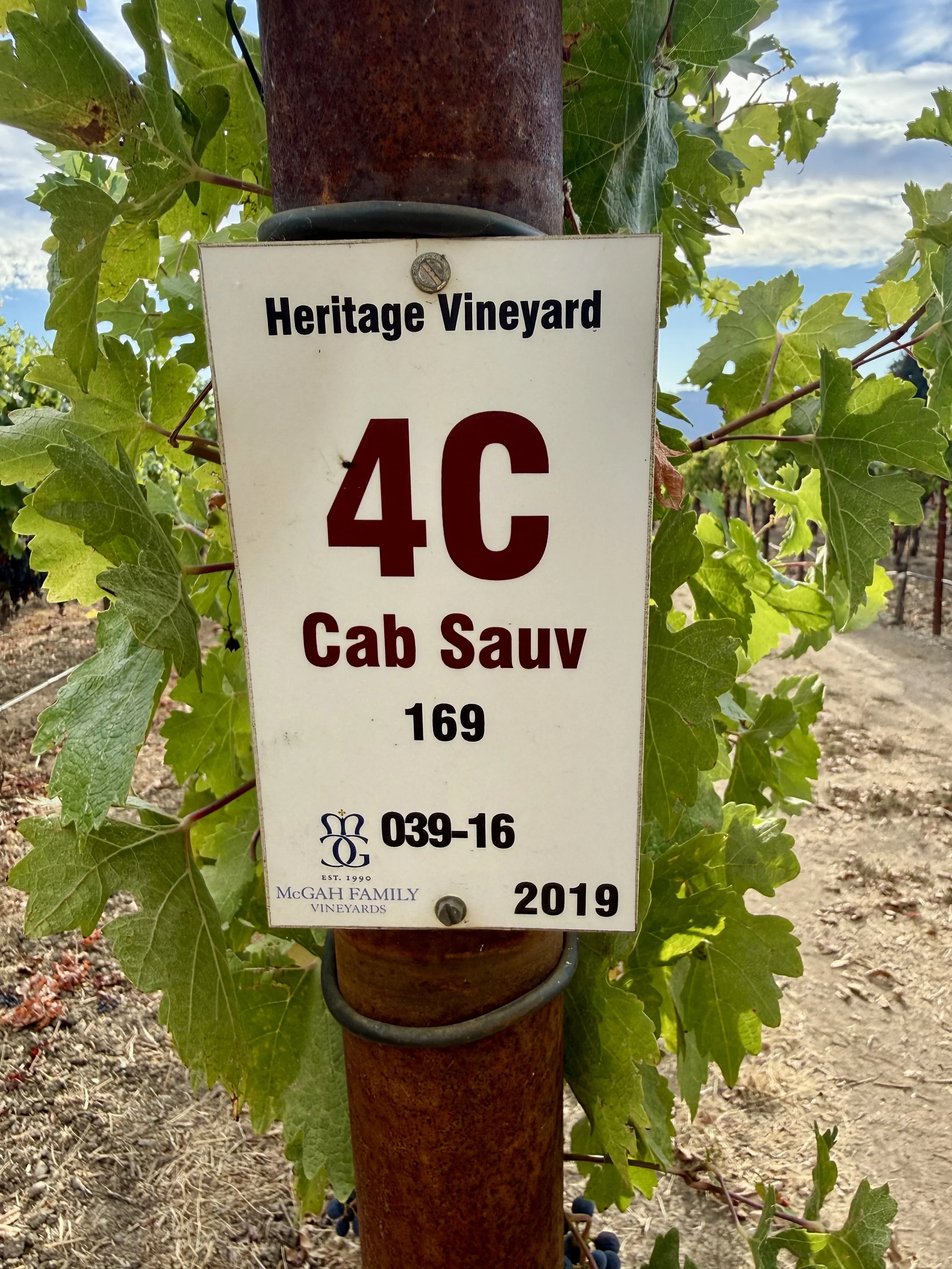
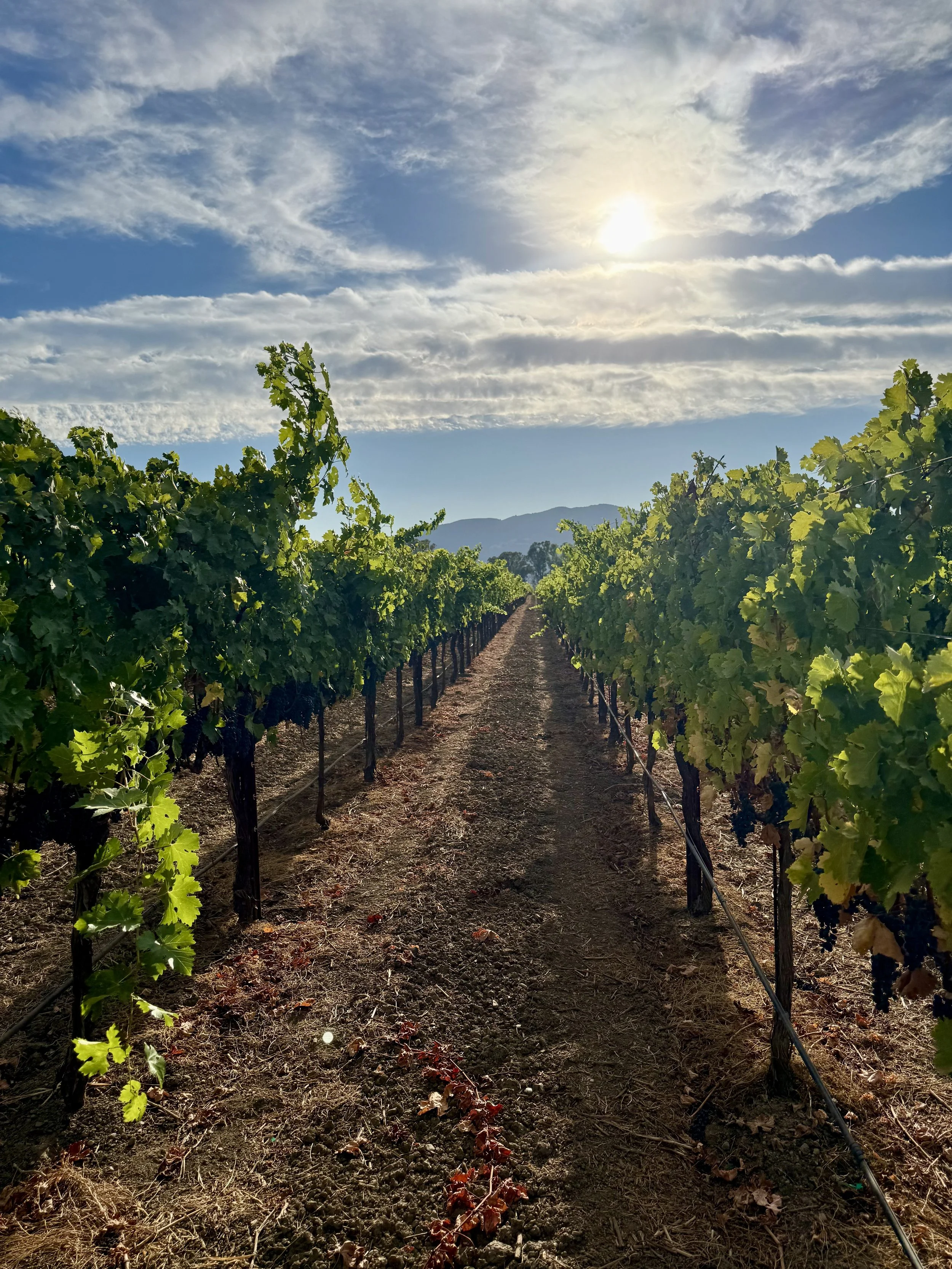
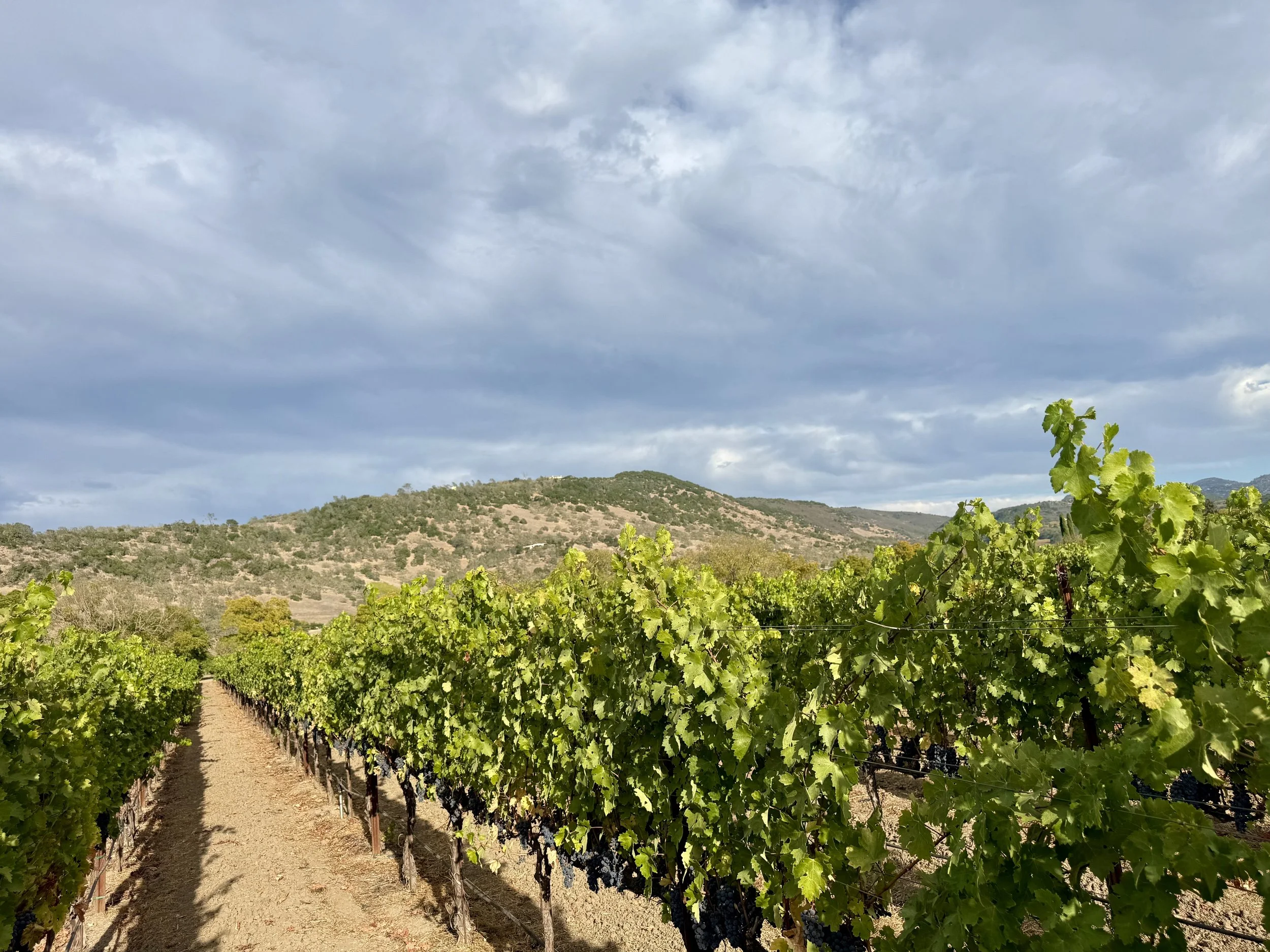
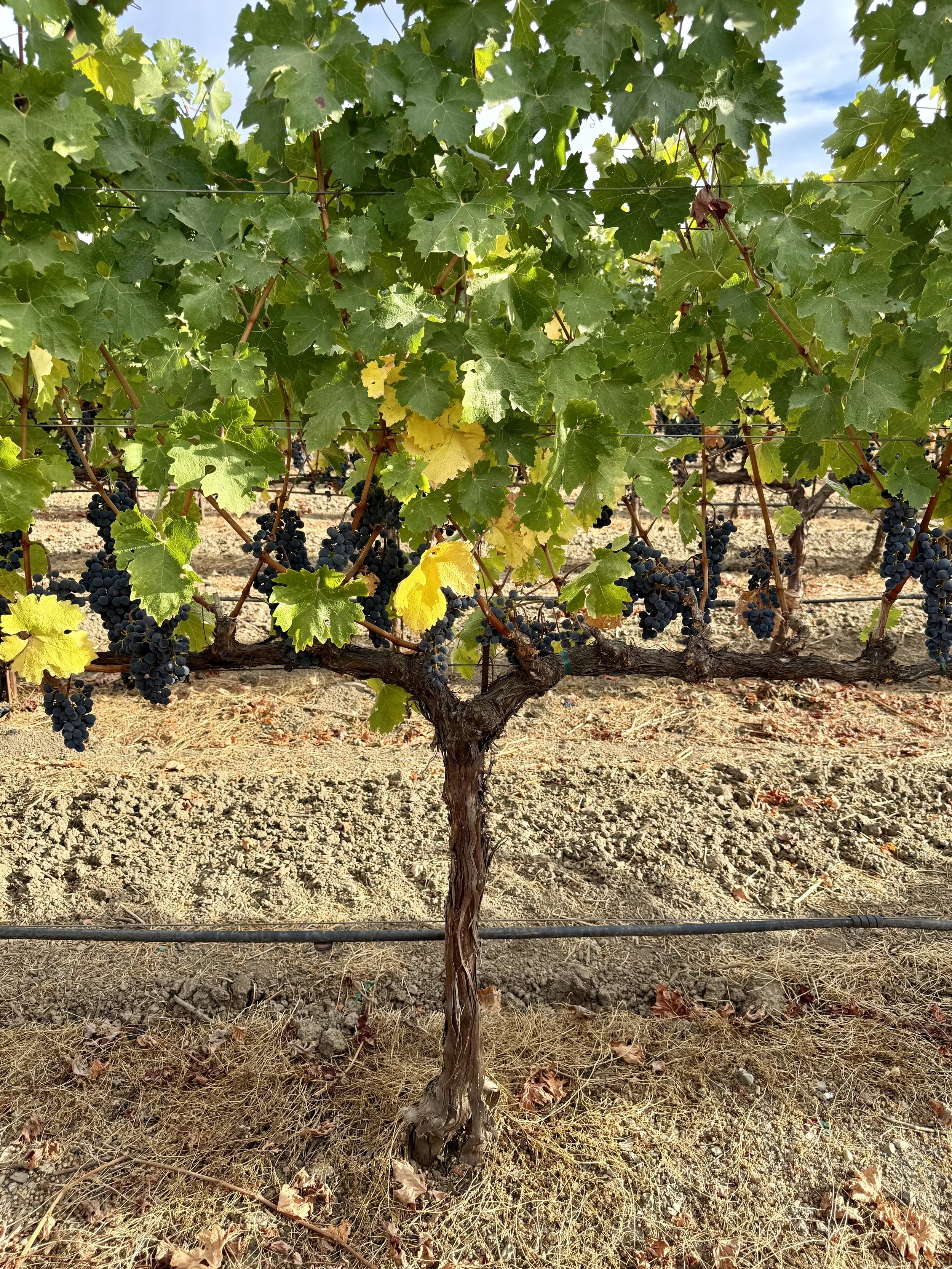
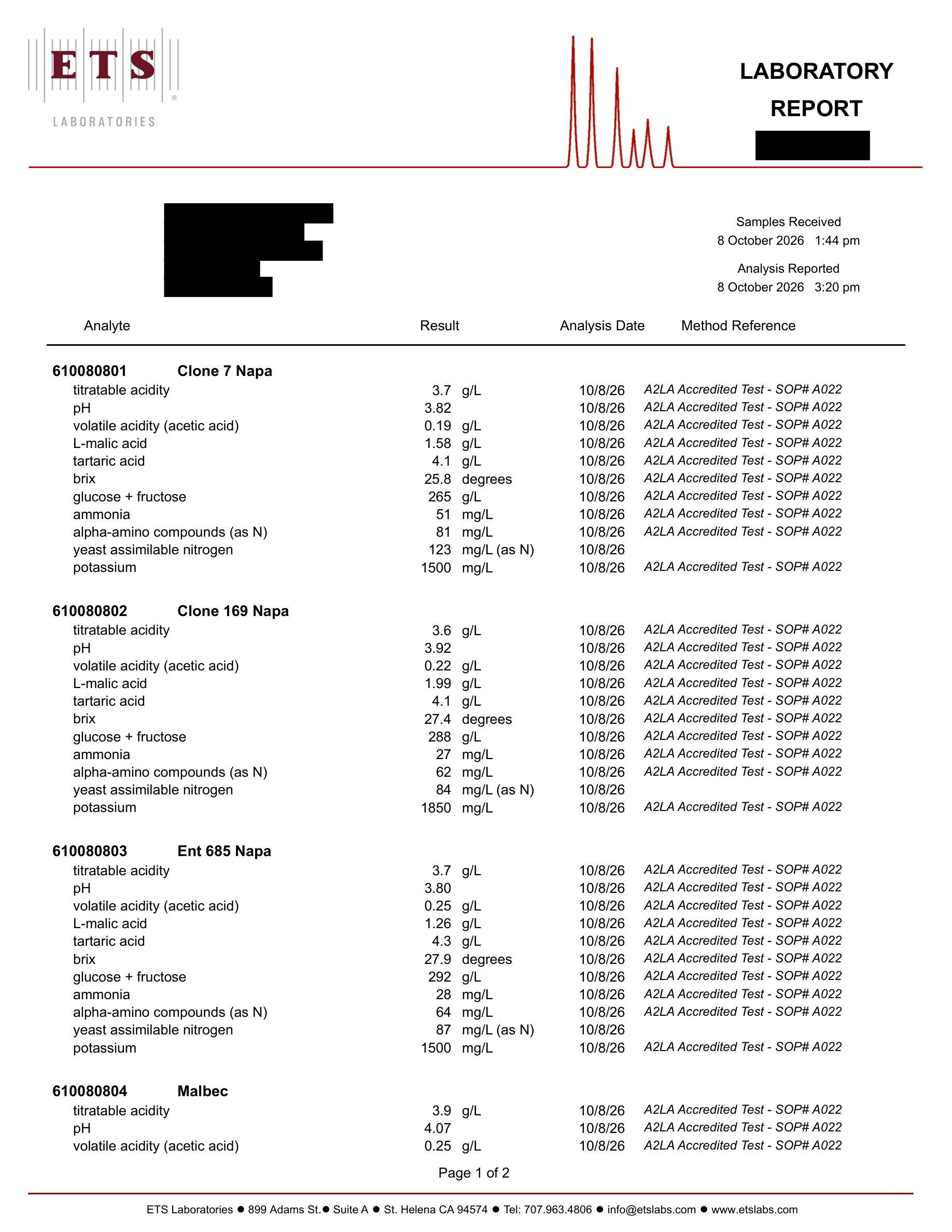
Each pail includes five gallons of grape must. Product will arrive partially frozen.
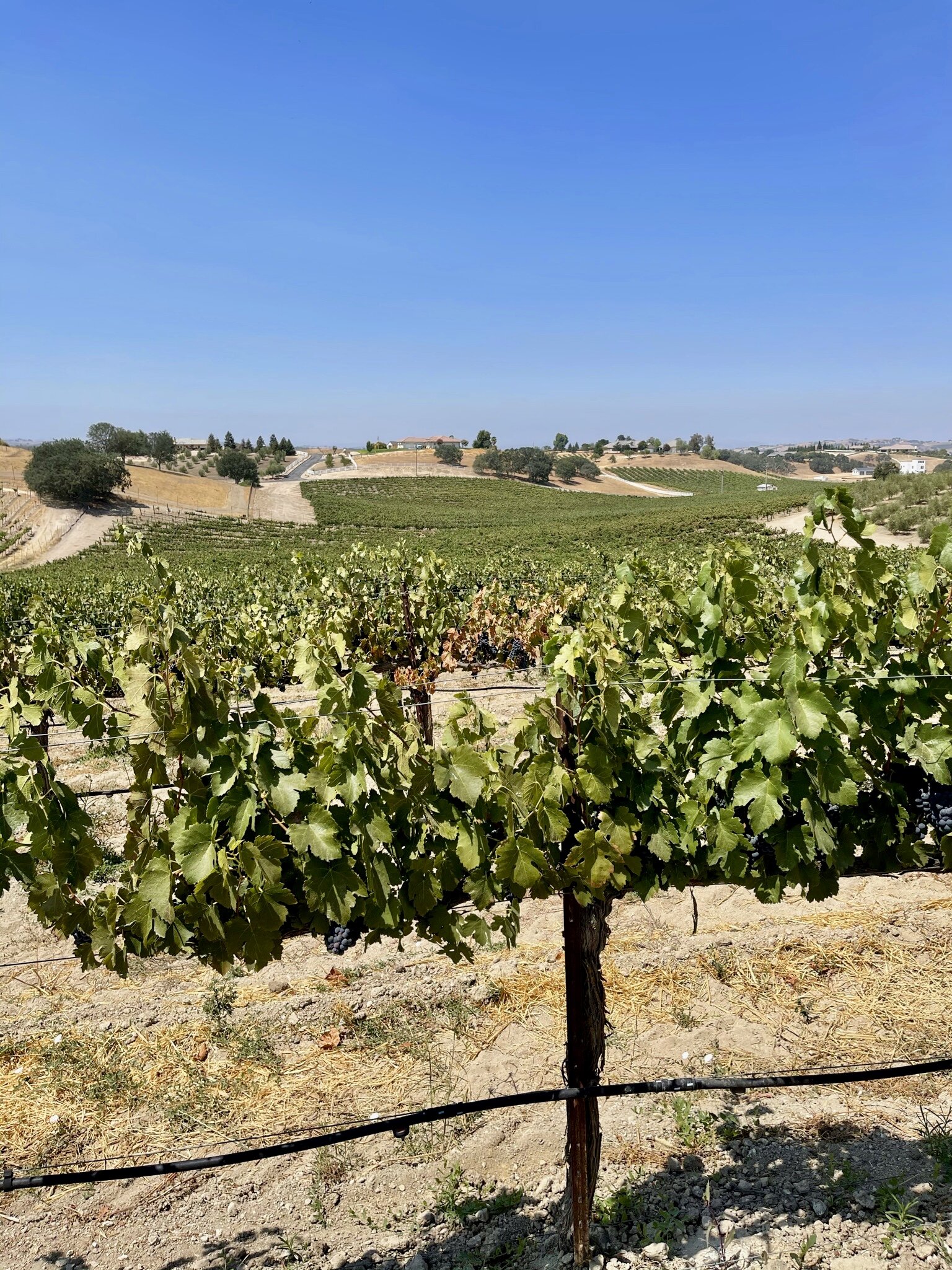
Rattlesnake Hills AVA, Washington State
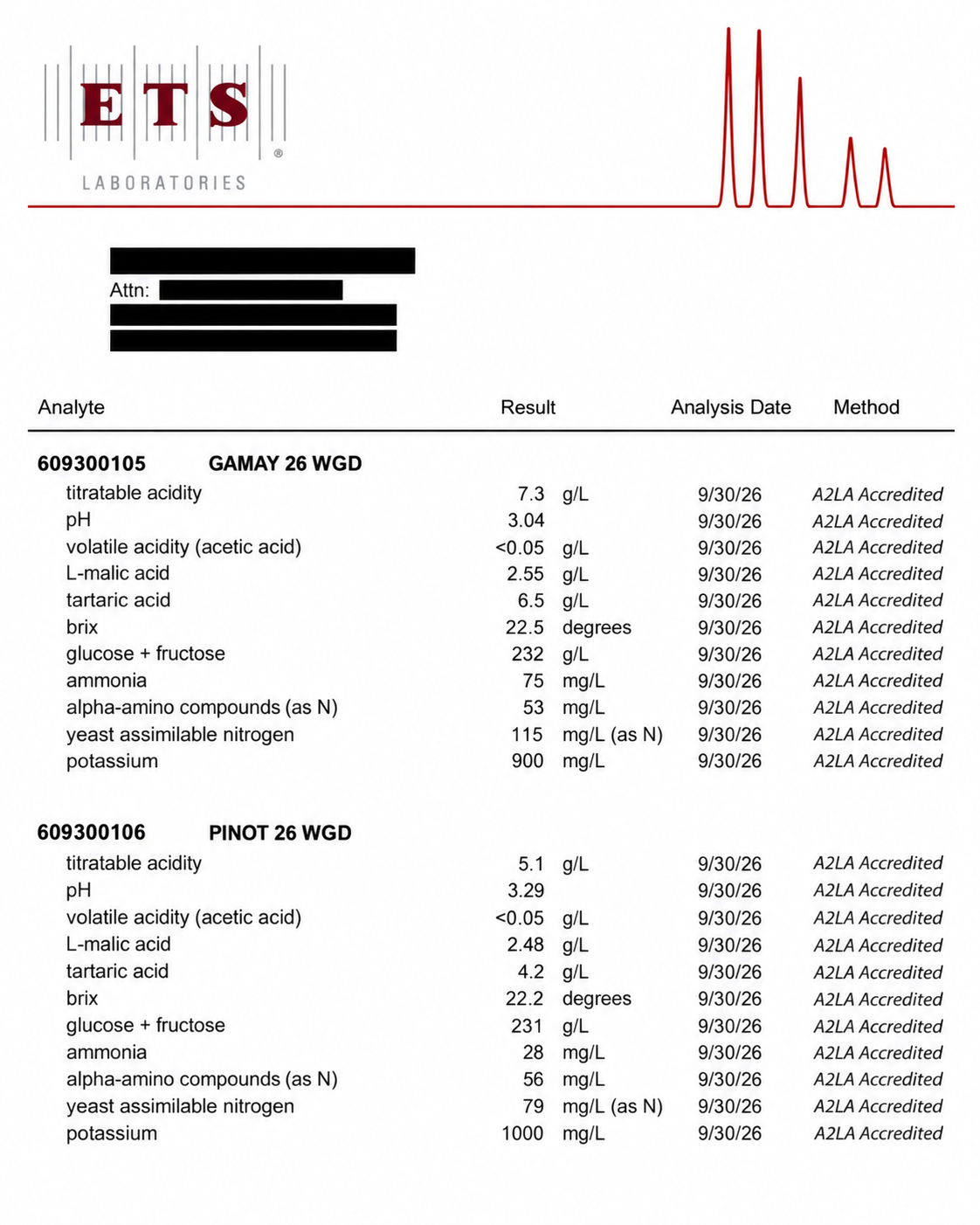
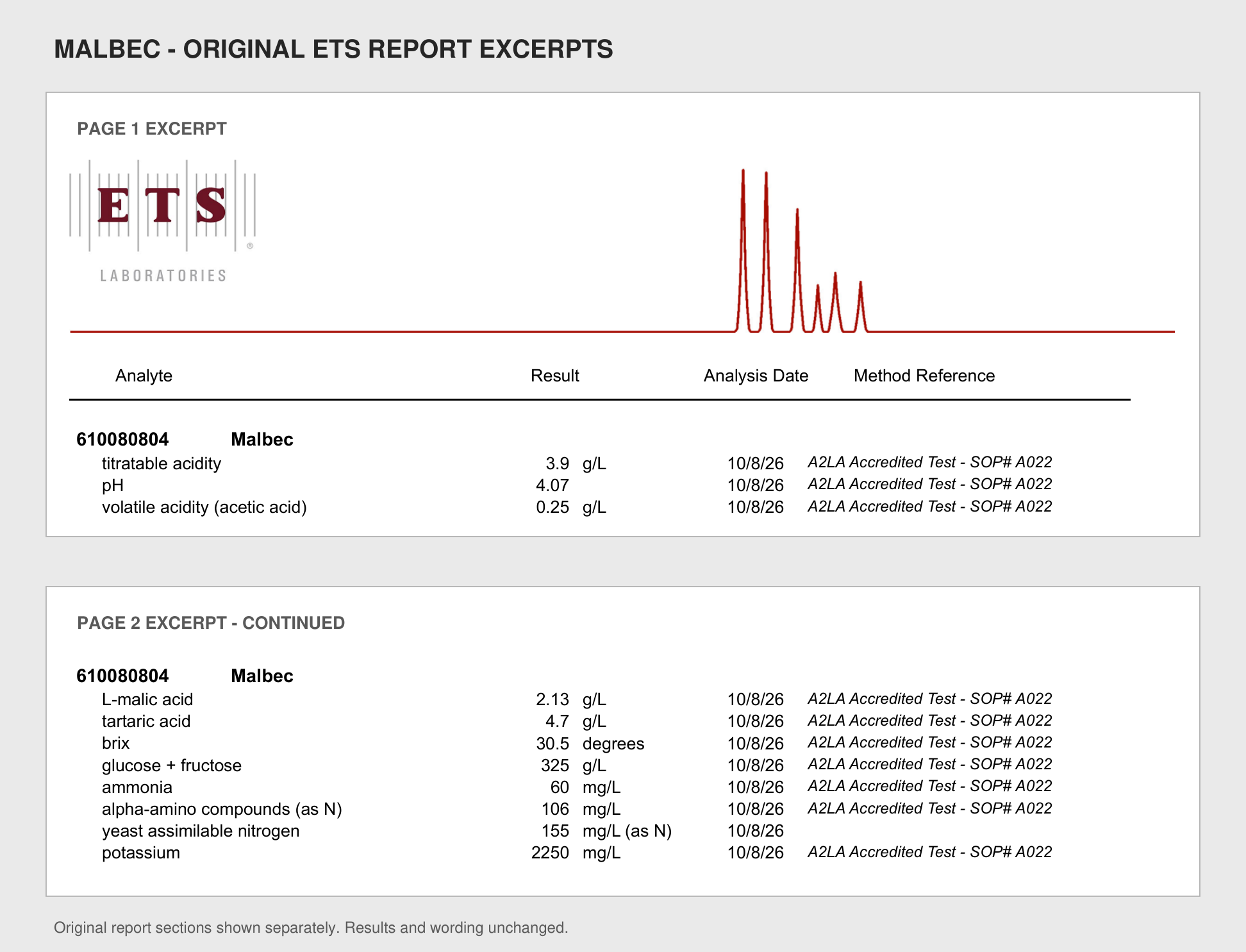
Brix: 24.25, pH: 3.51, TA: .7
Harvested October 7th, 2019
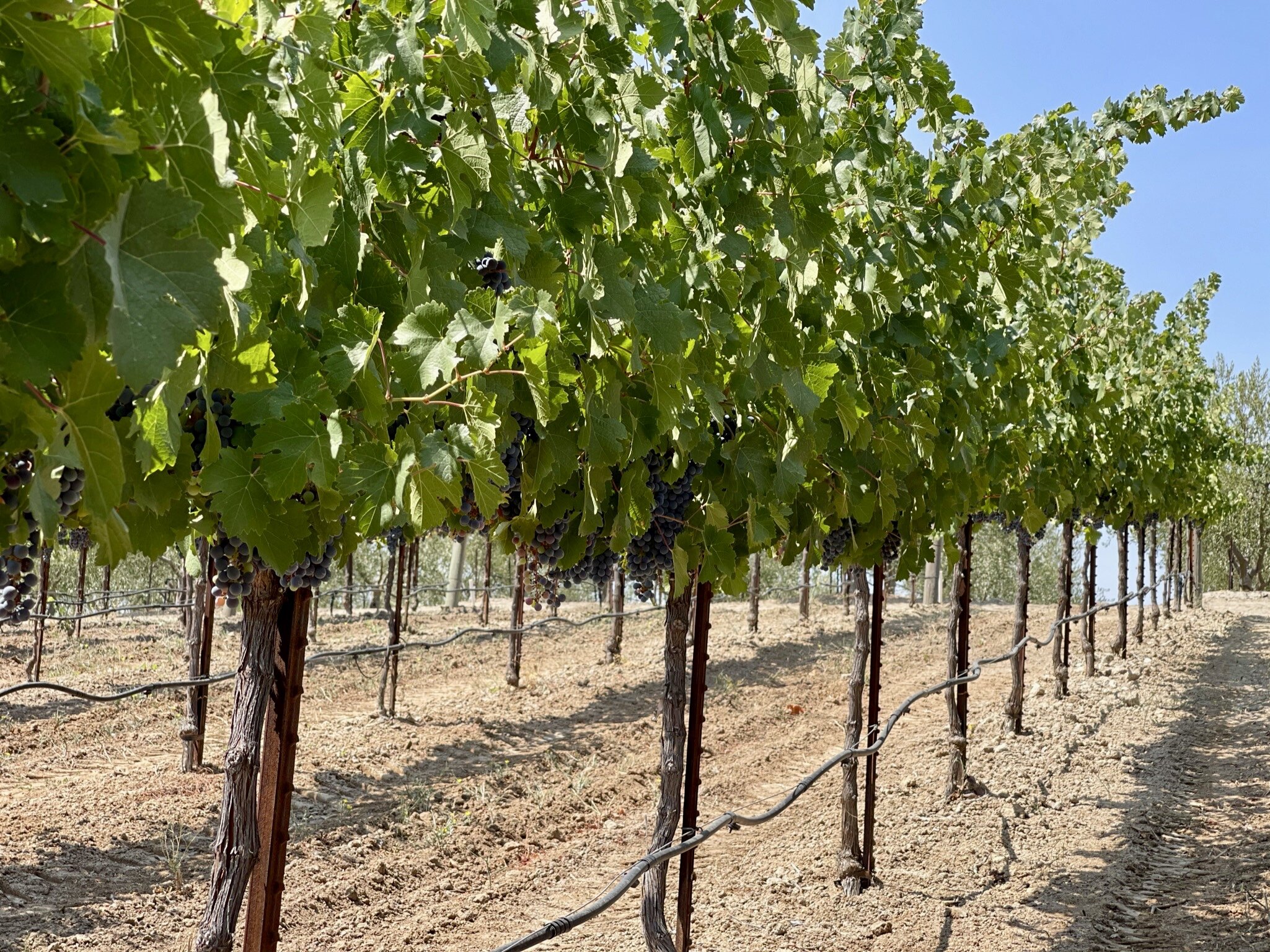
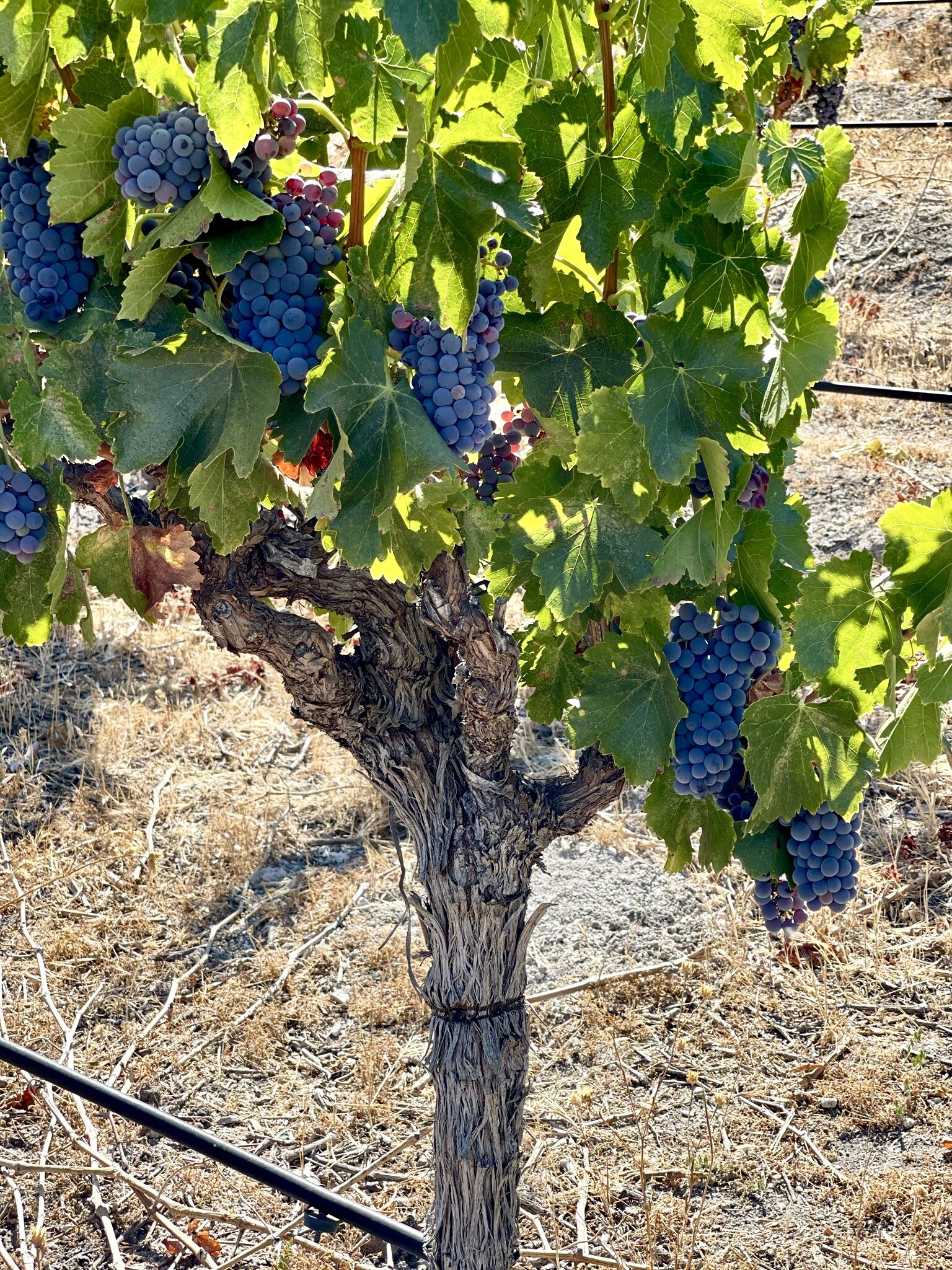
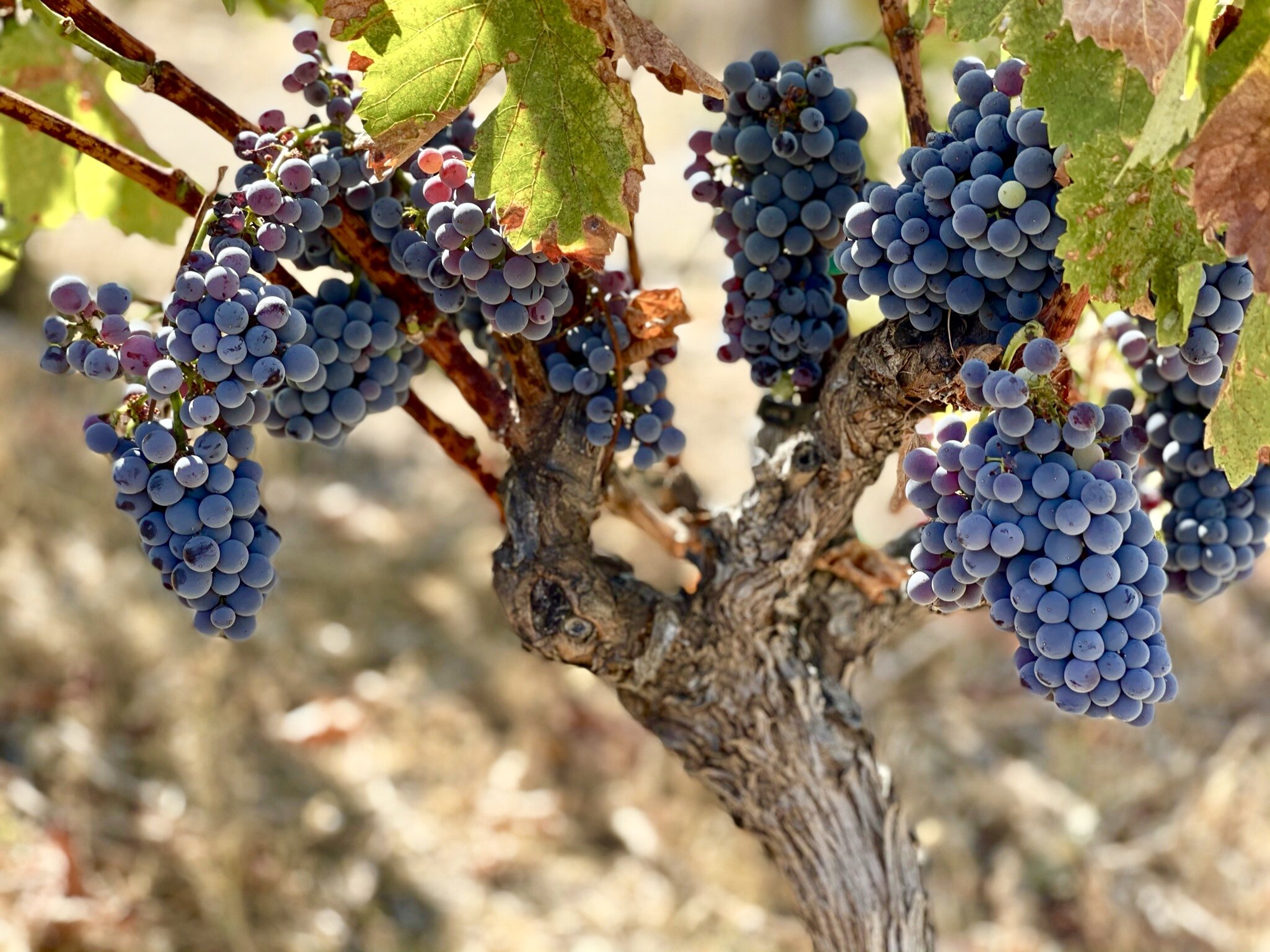
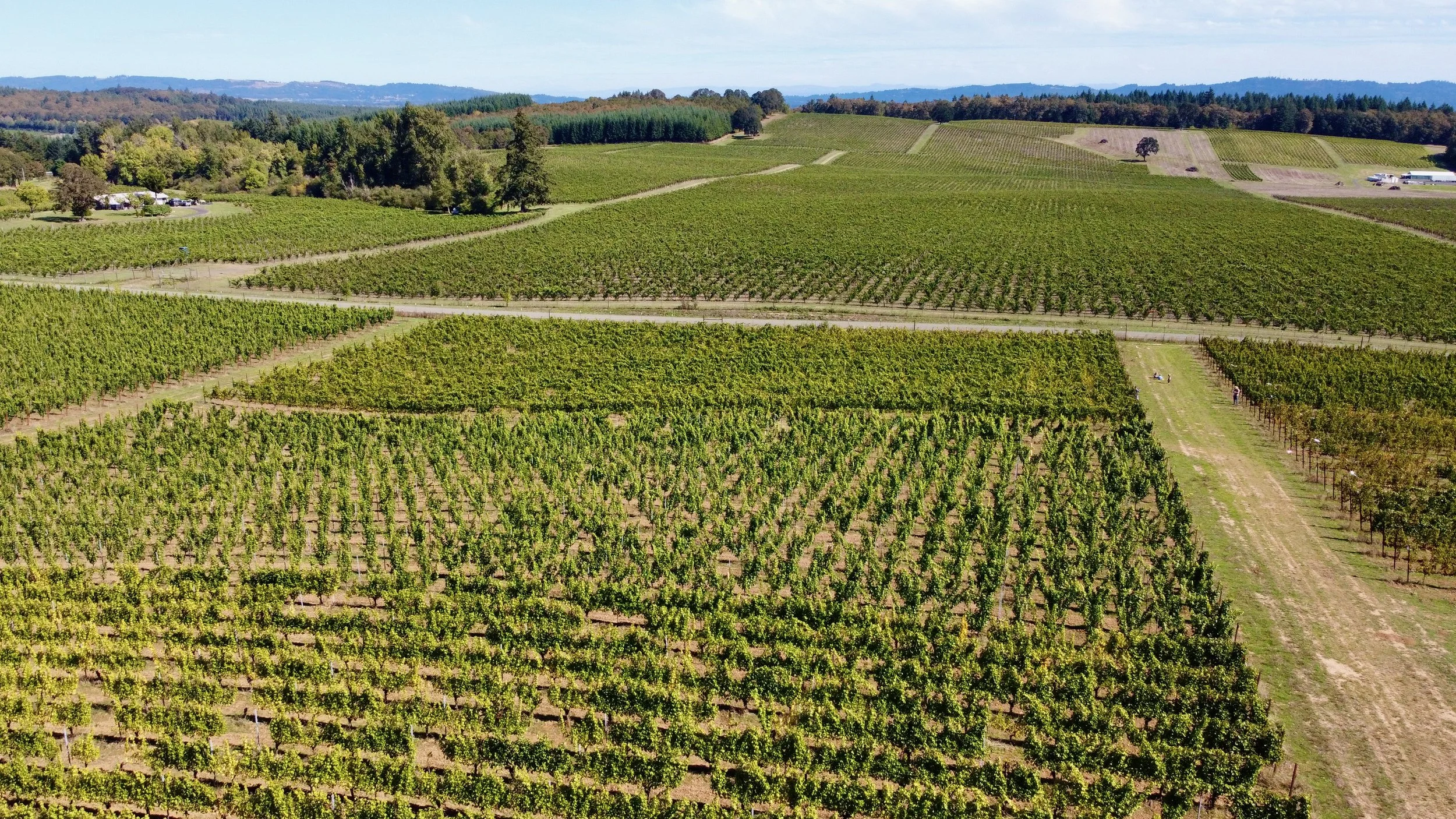
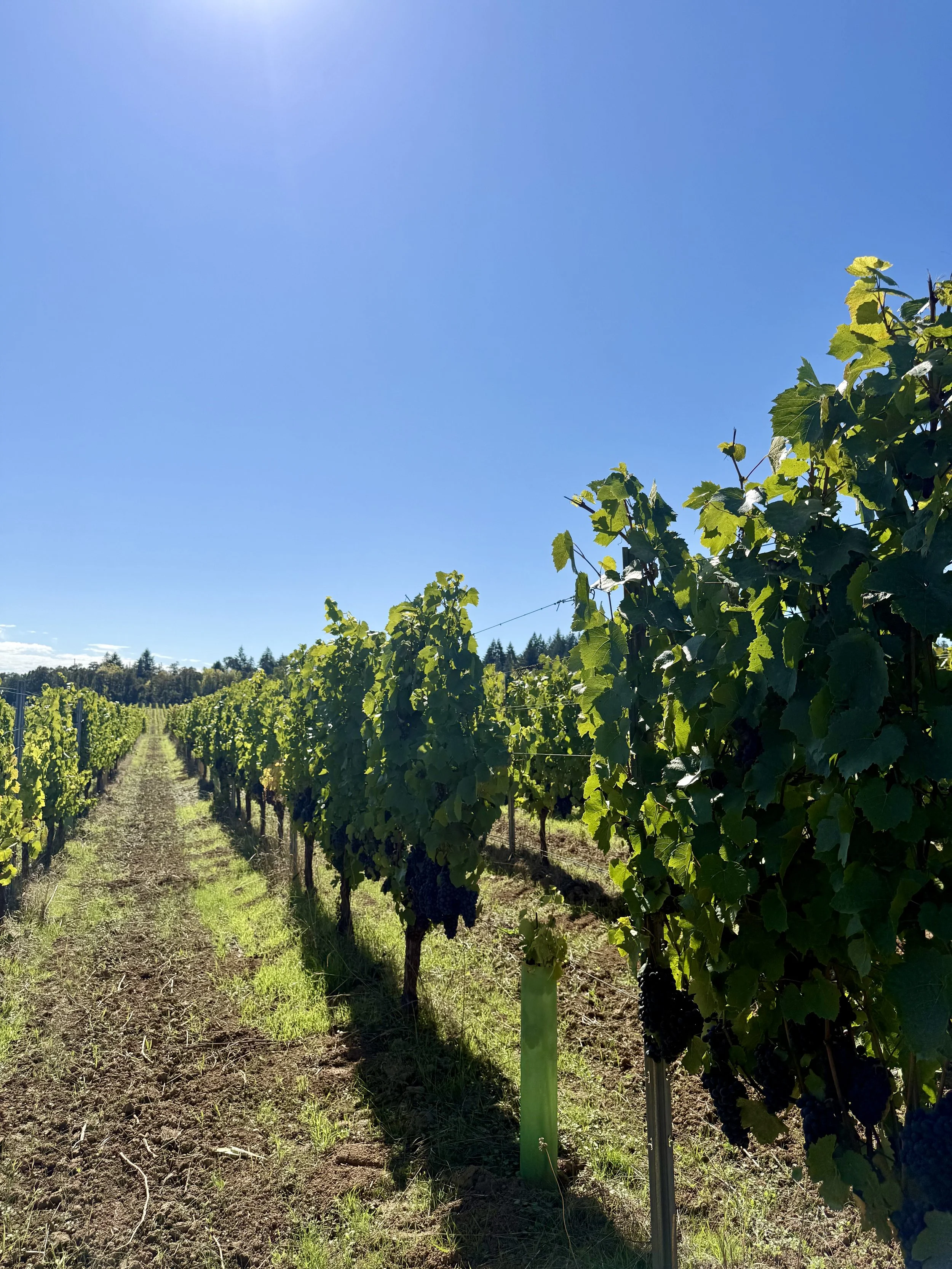
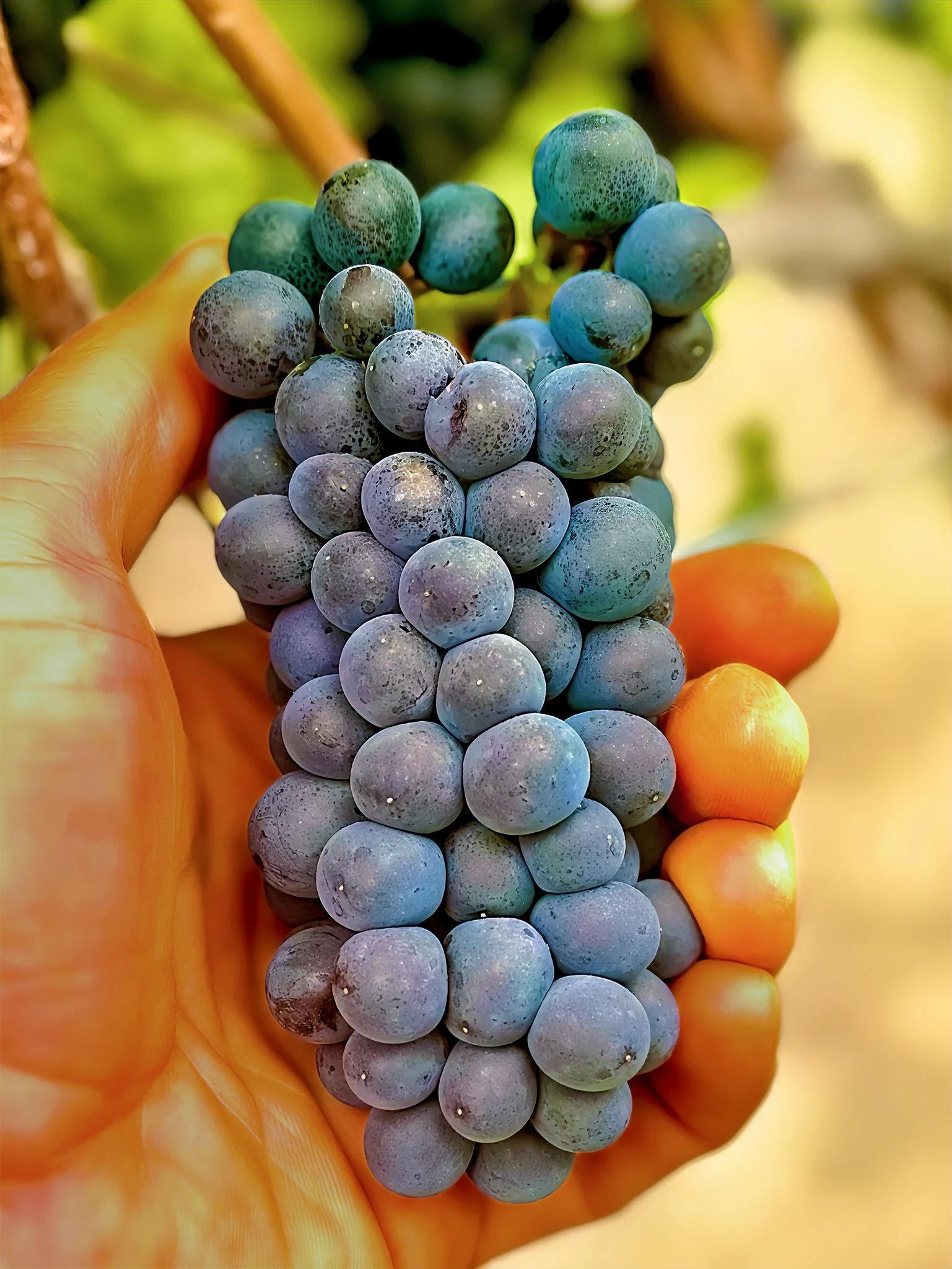
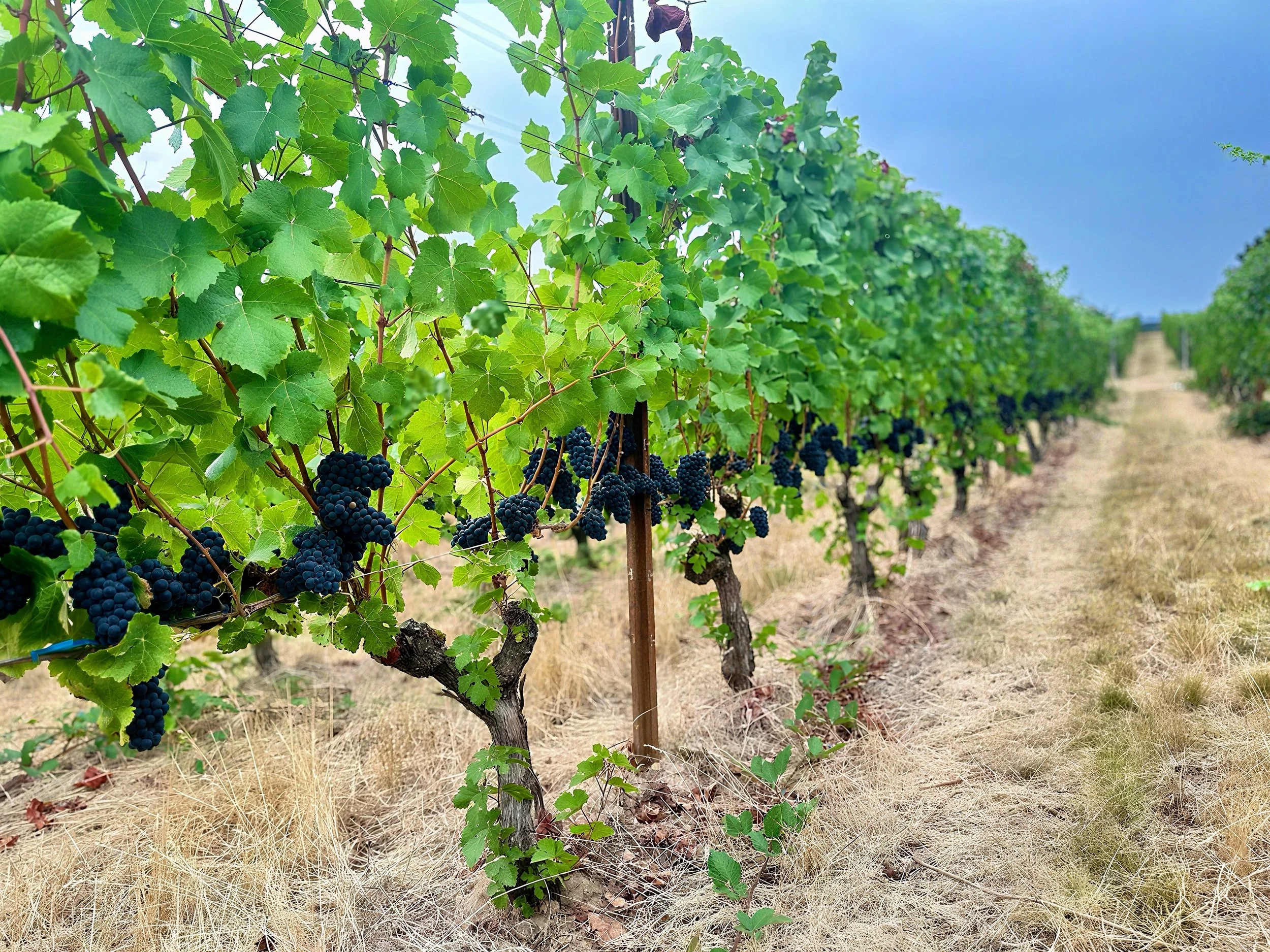
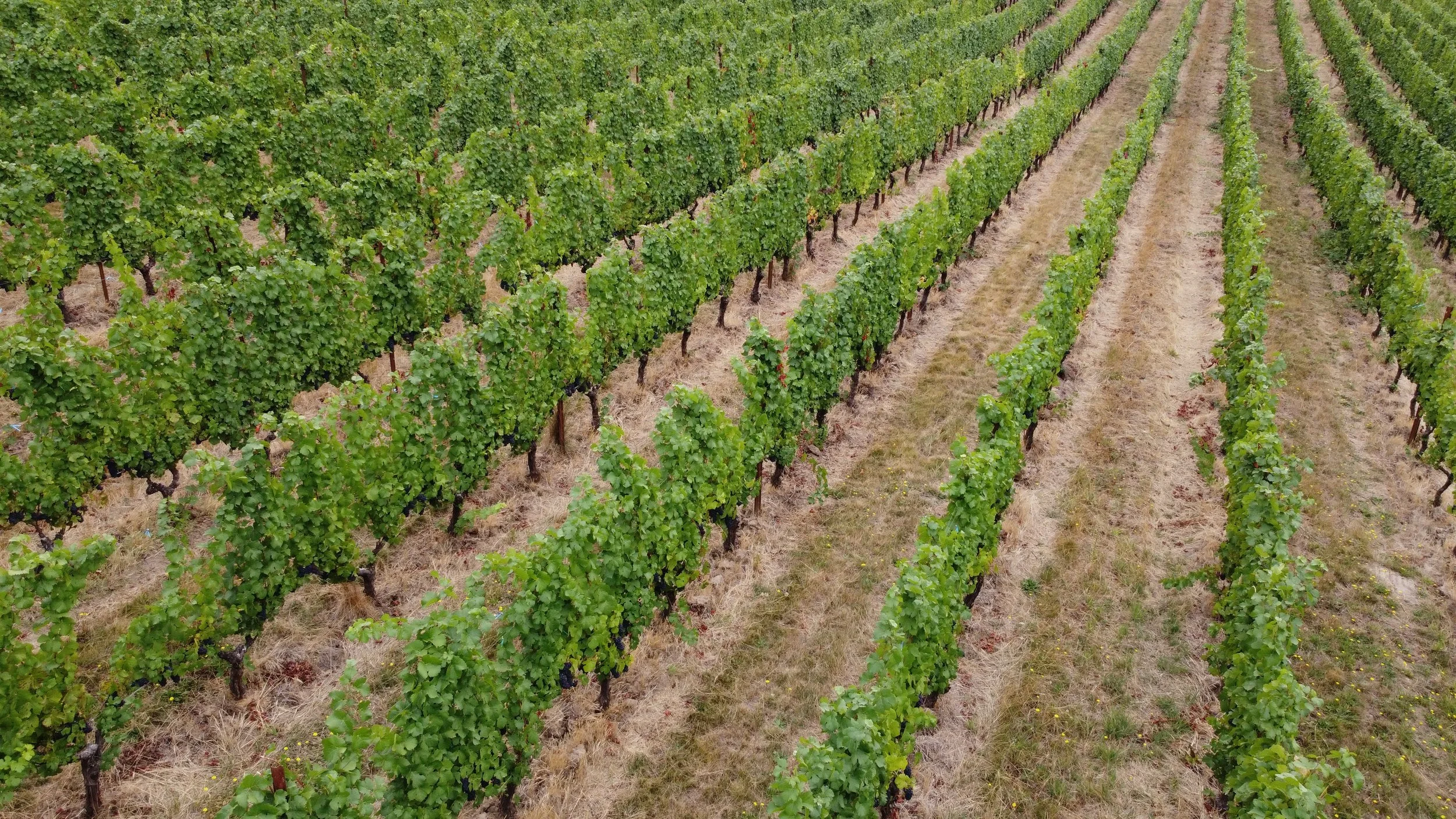
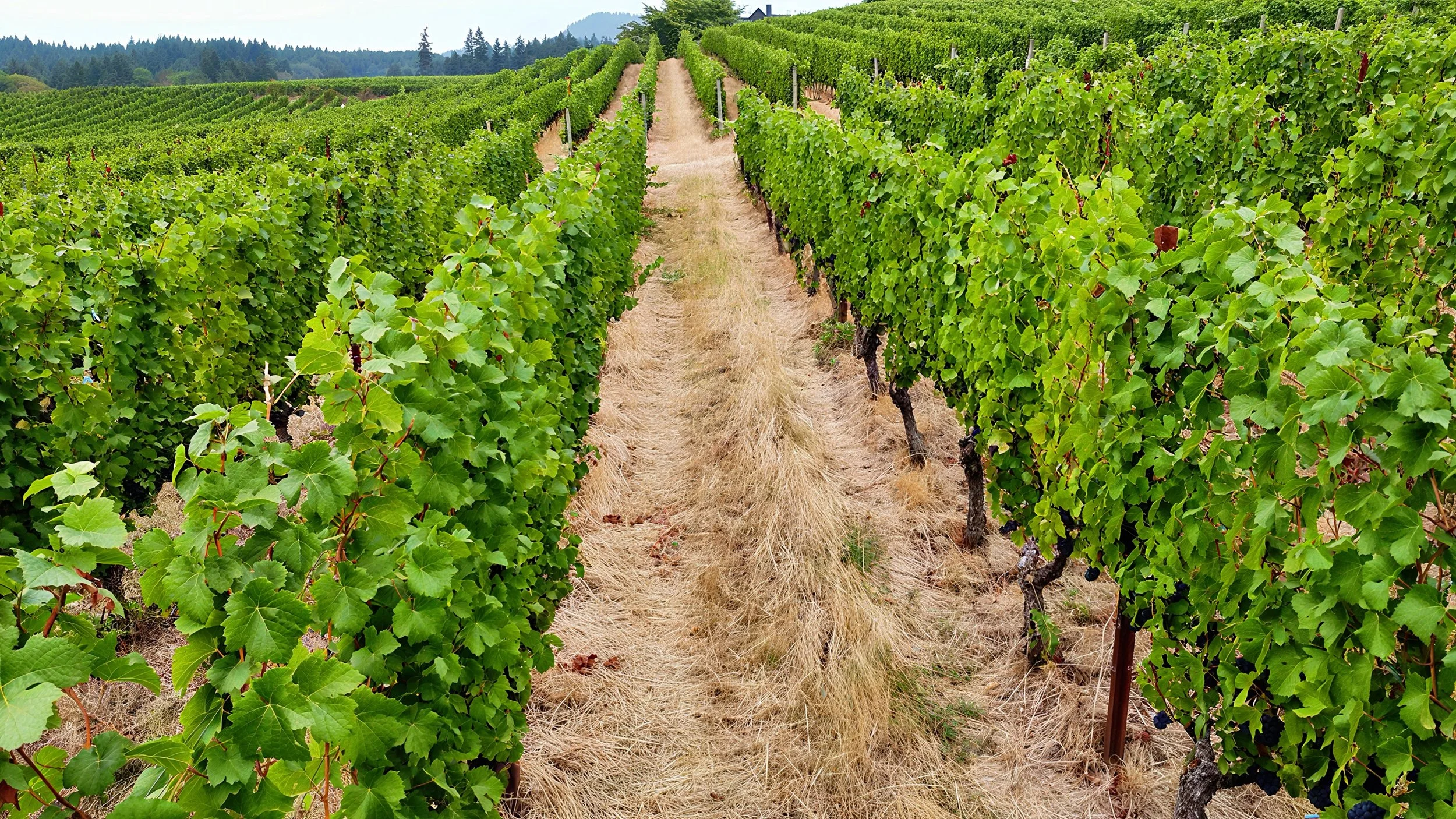
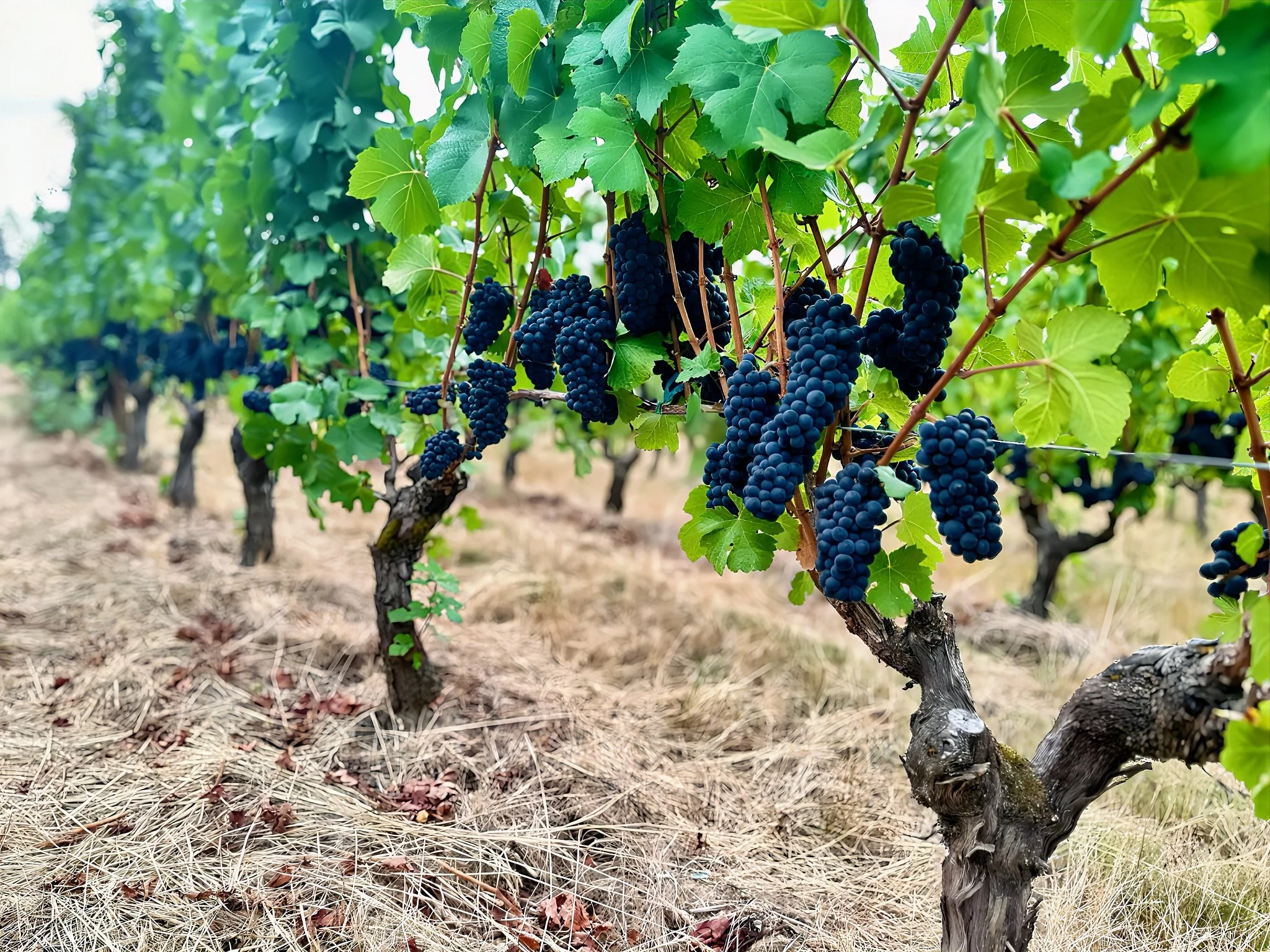
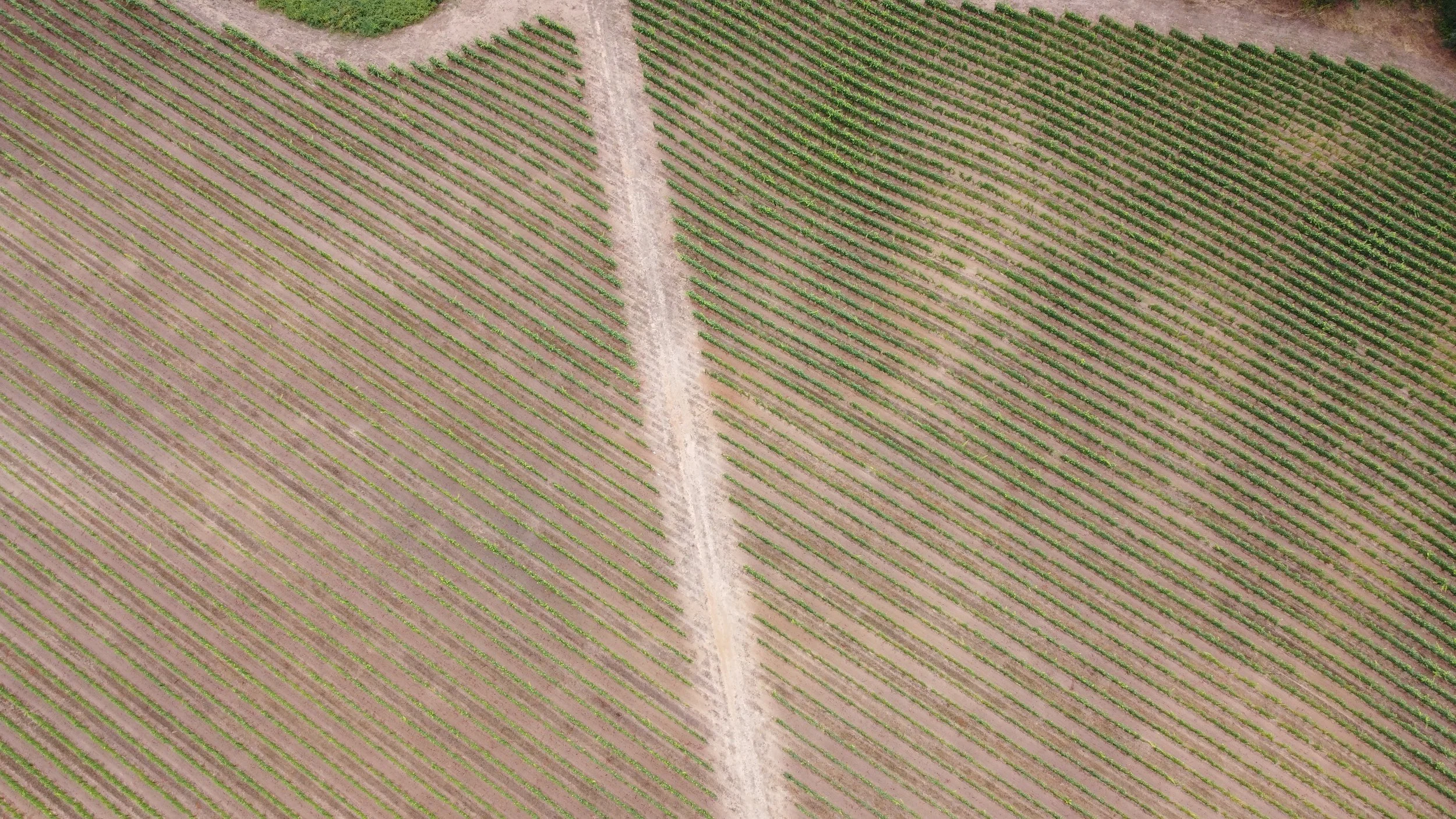
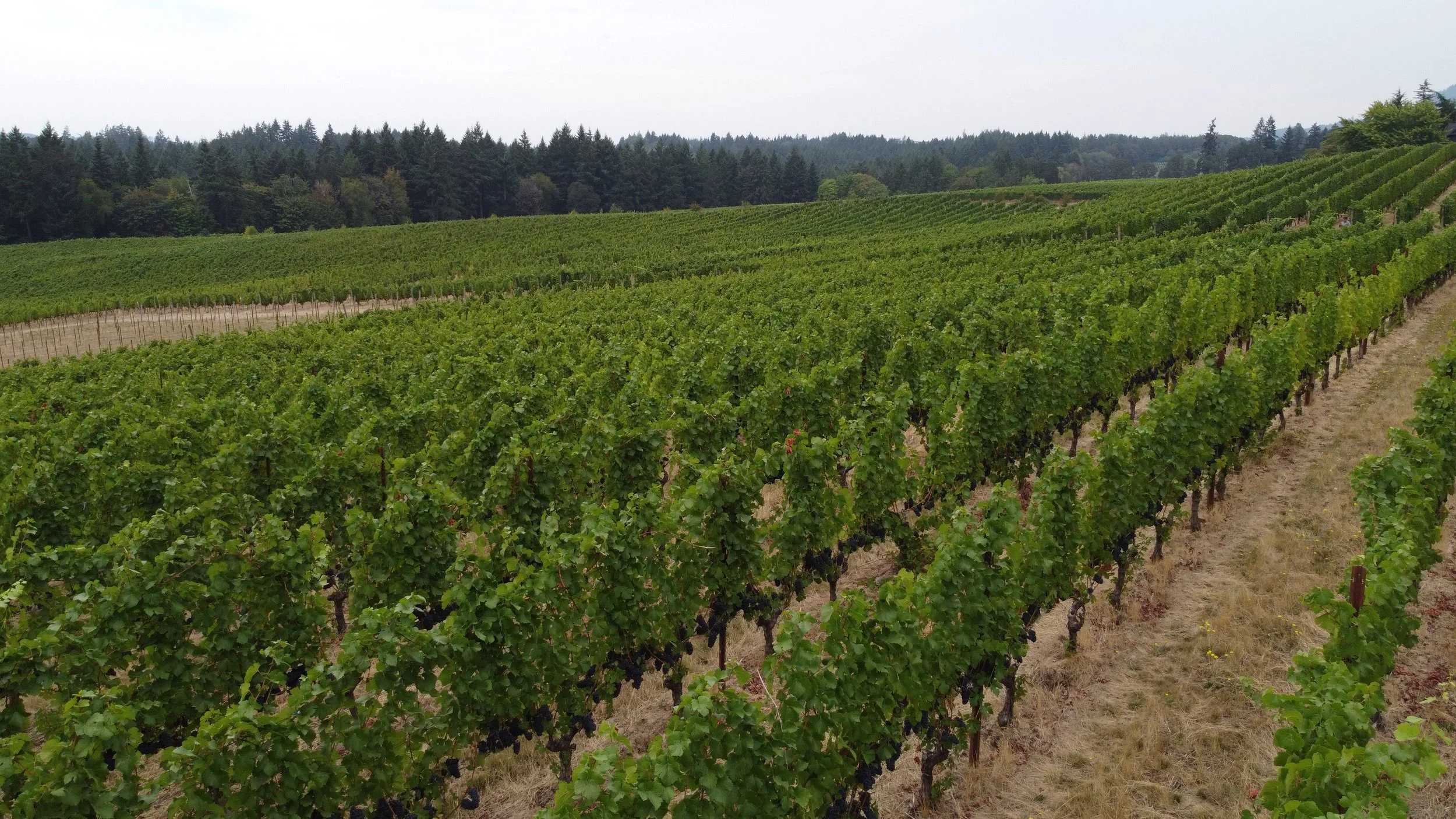
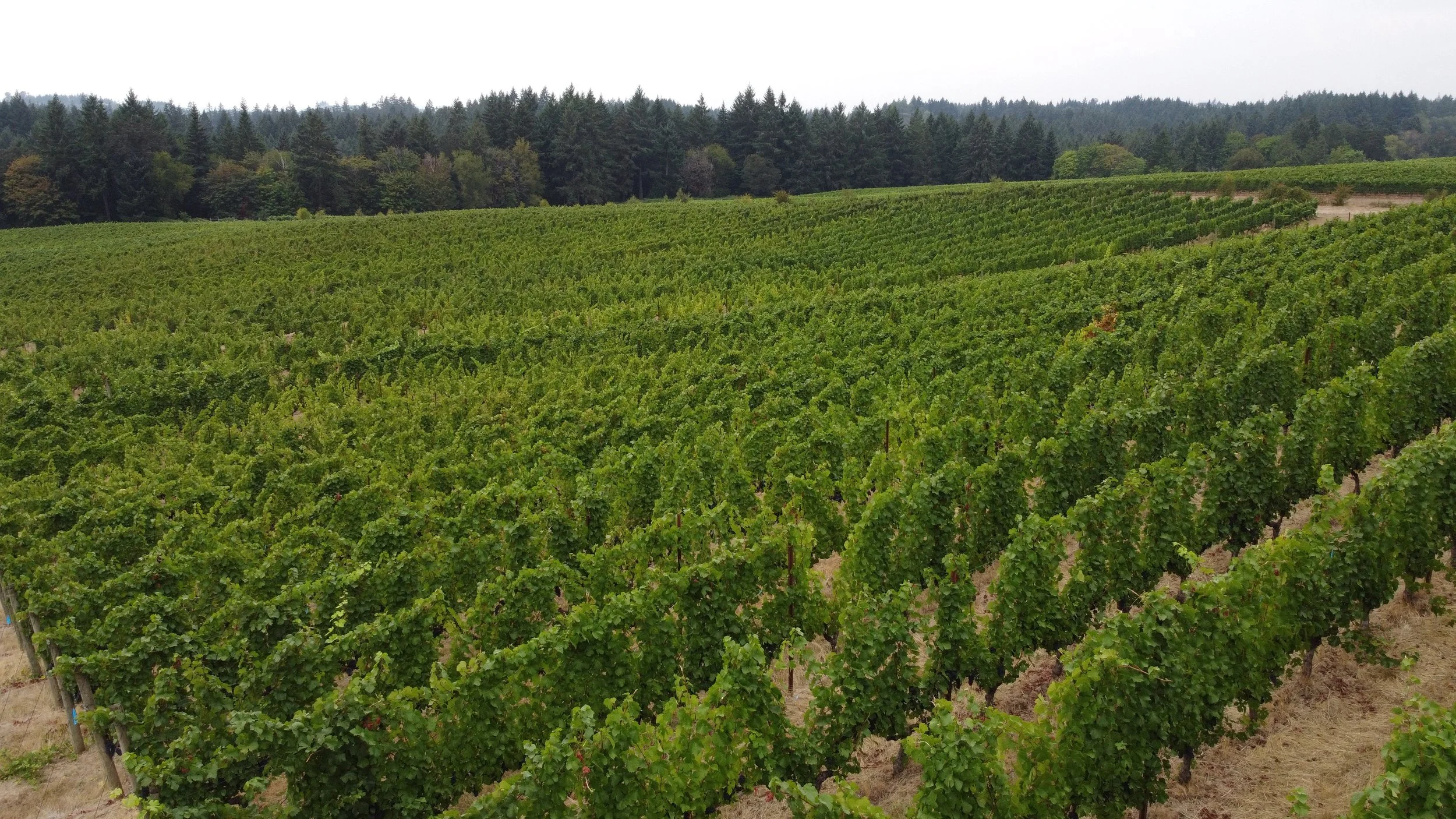
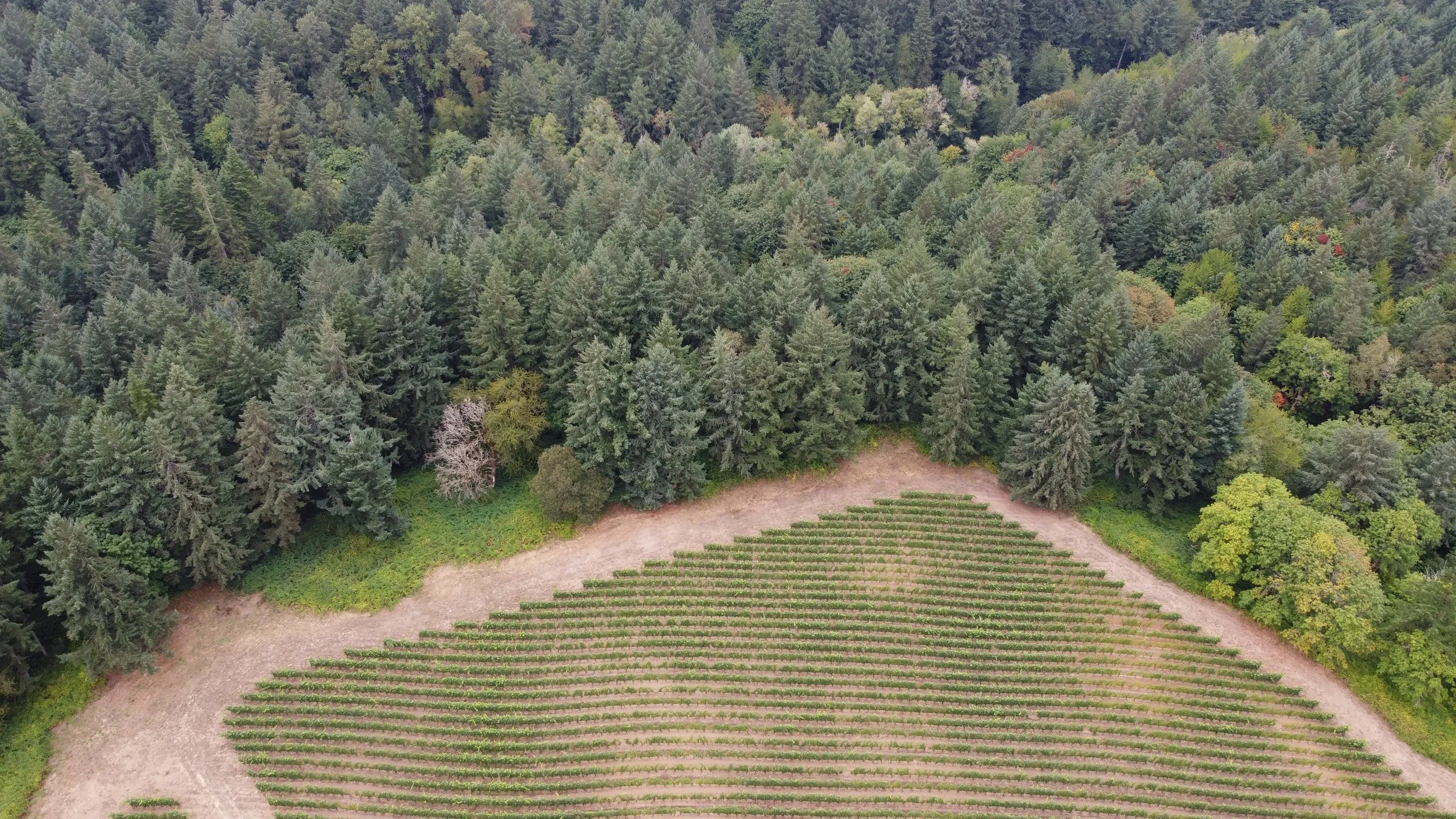
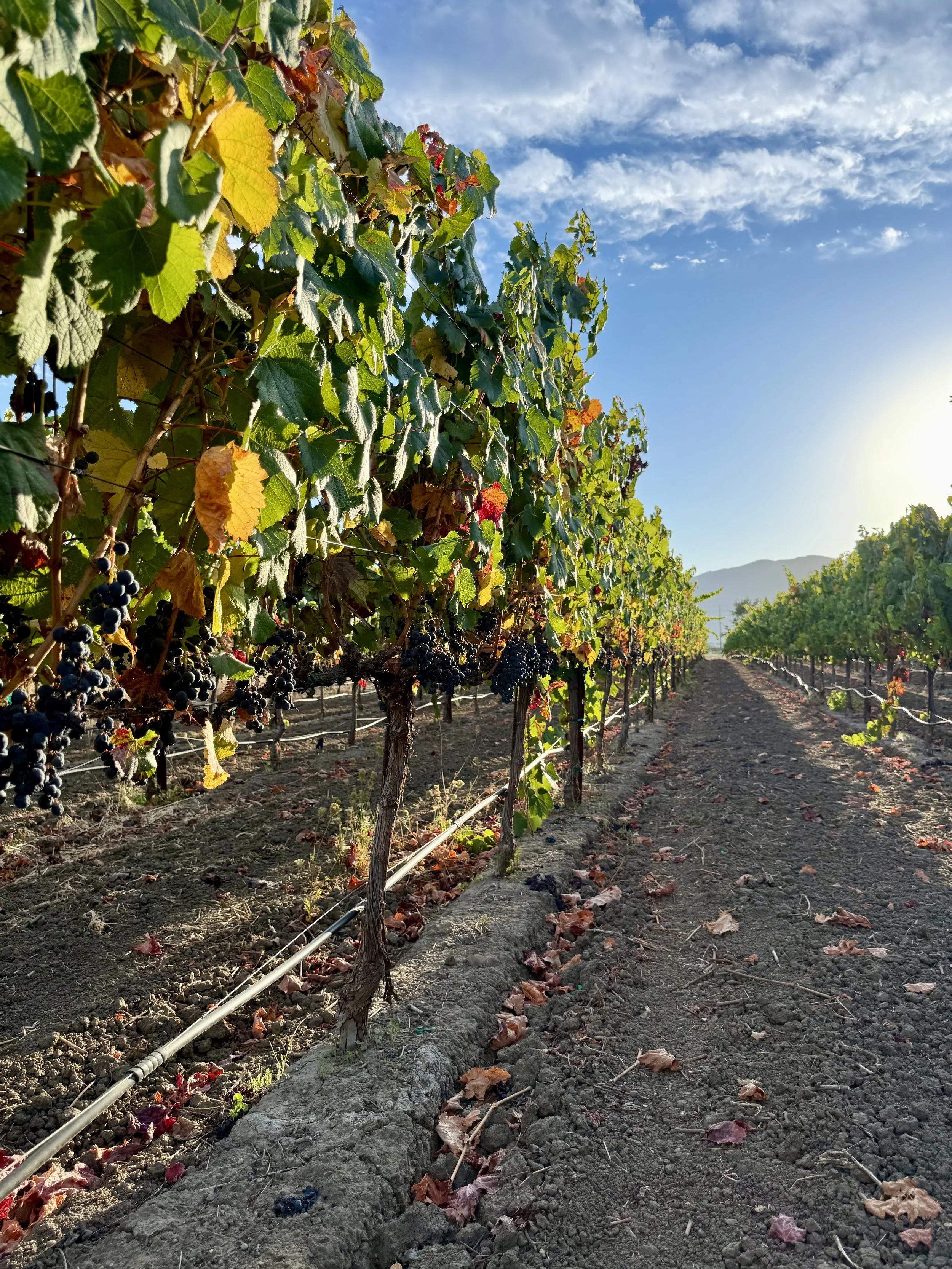
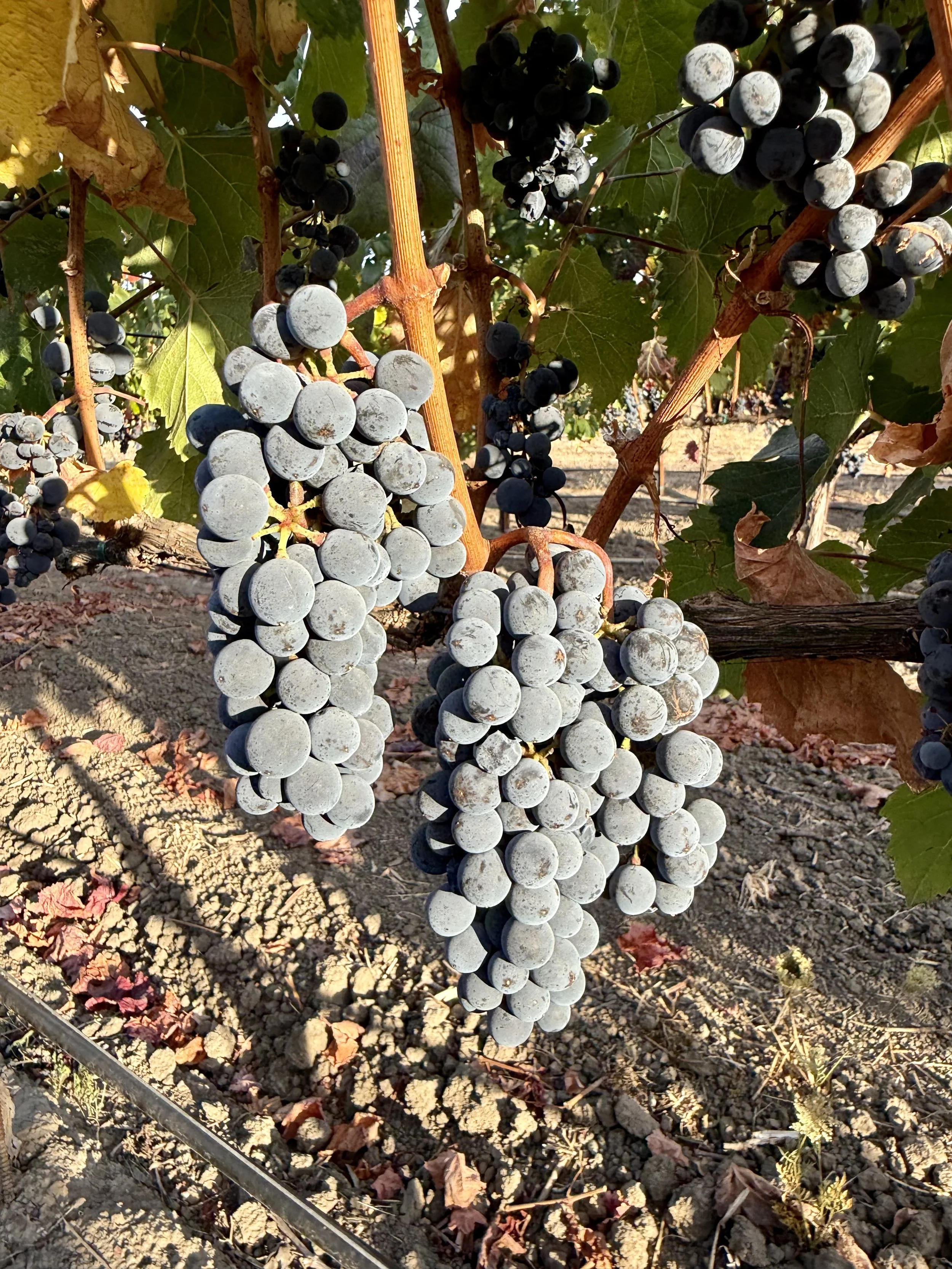
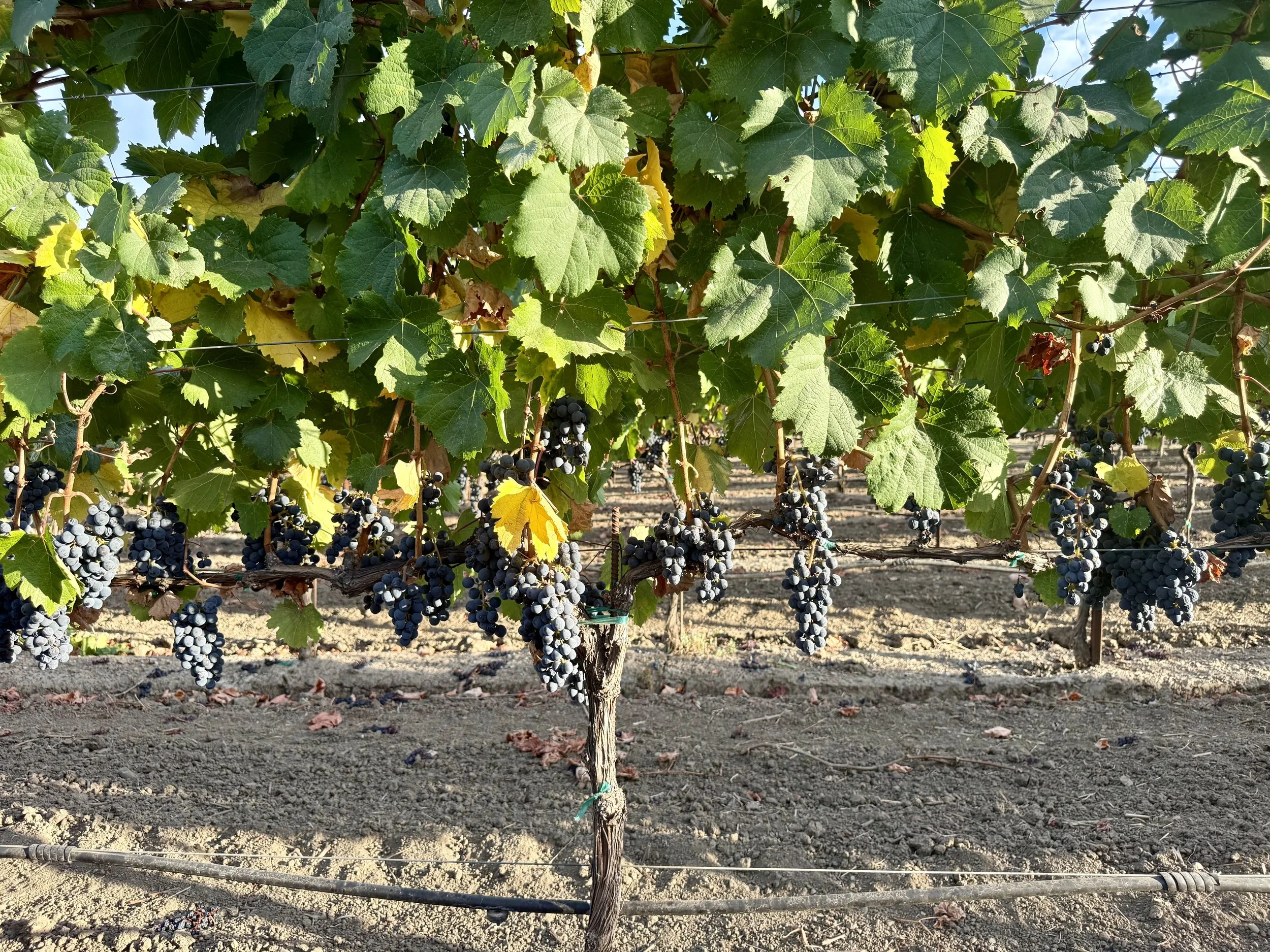
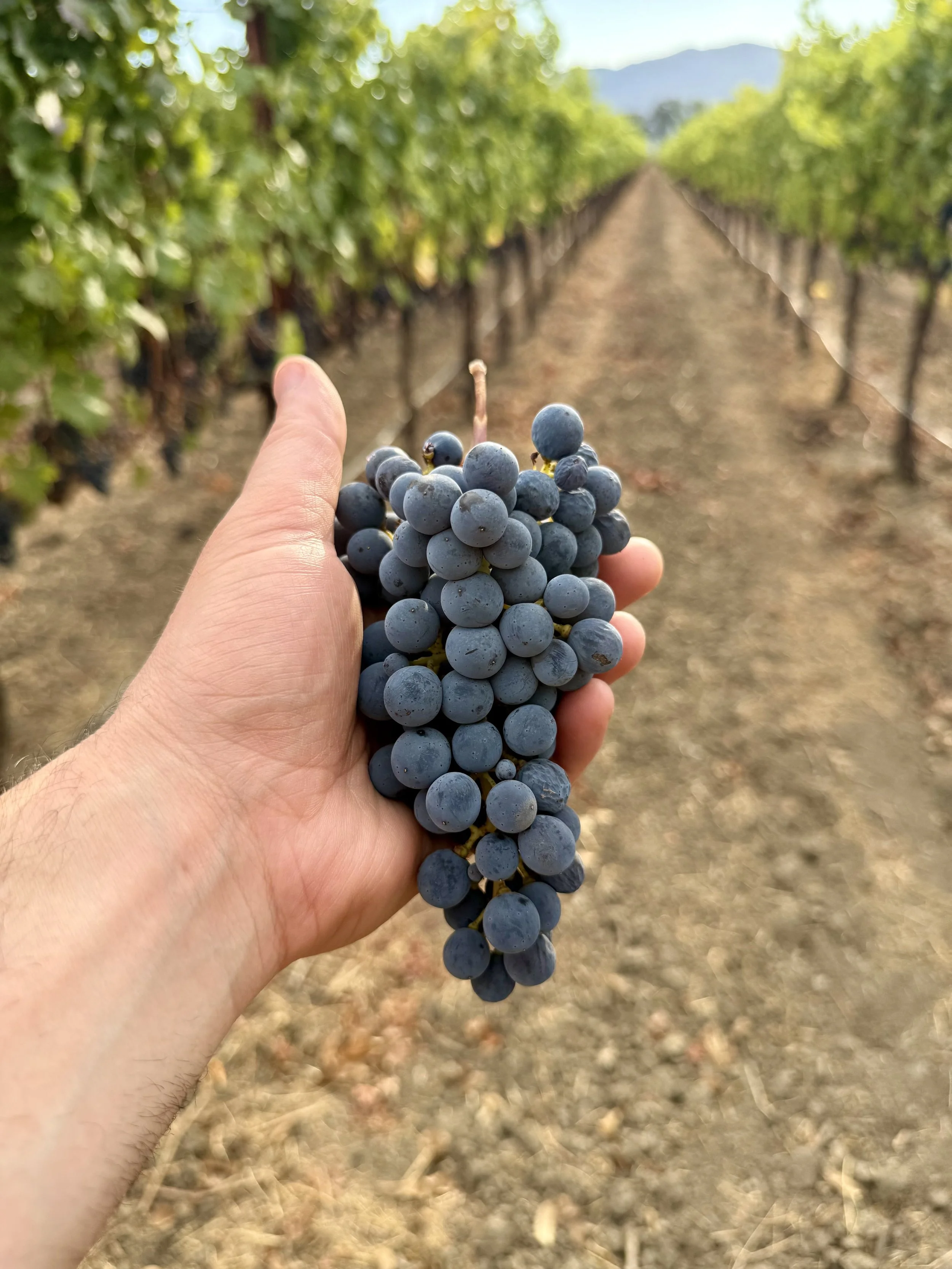
The Rattlesnake Hills AVA contains the ideal growing environment for thick-skinned, late-ripening reds like Cabernet Sauvignon. The AVA lies within the larger Yakima Valley AVA, which itself lies inside the much larger Columbia Valley AVA. The Rattlesnake Hills averages 2700 degree days a year which is 500 degree days more than the rest of the Yakima Valley to the west and 100 degree days less than Red Mountain to the East (Bordeaux gets roughly 2500 degree days and Napa gets 2900 degree days). Nighttime temps drop 40+ degrees during the growing season, preserving acidity and freshness. Rain is a seldom occurrence here with the area receiving just 7-10 inches of rain per year.
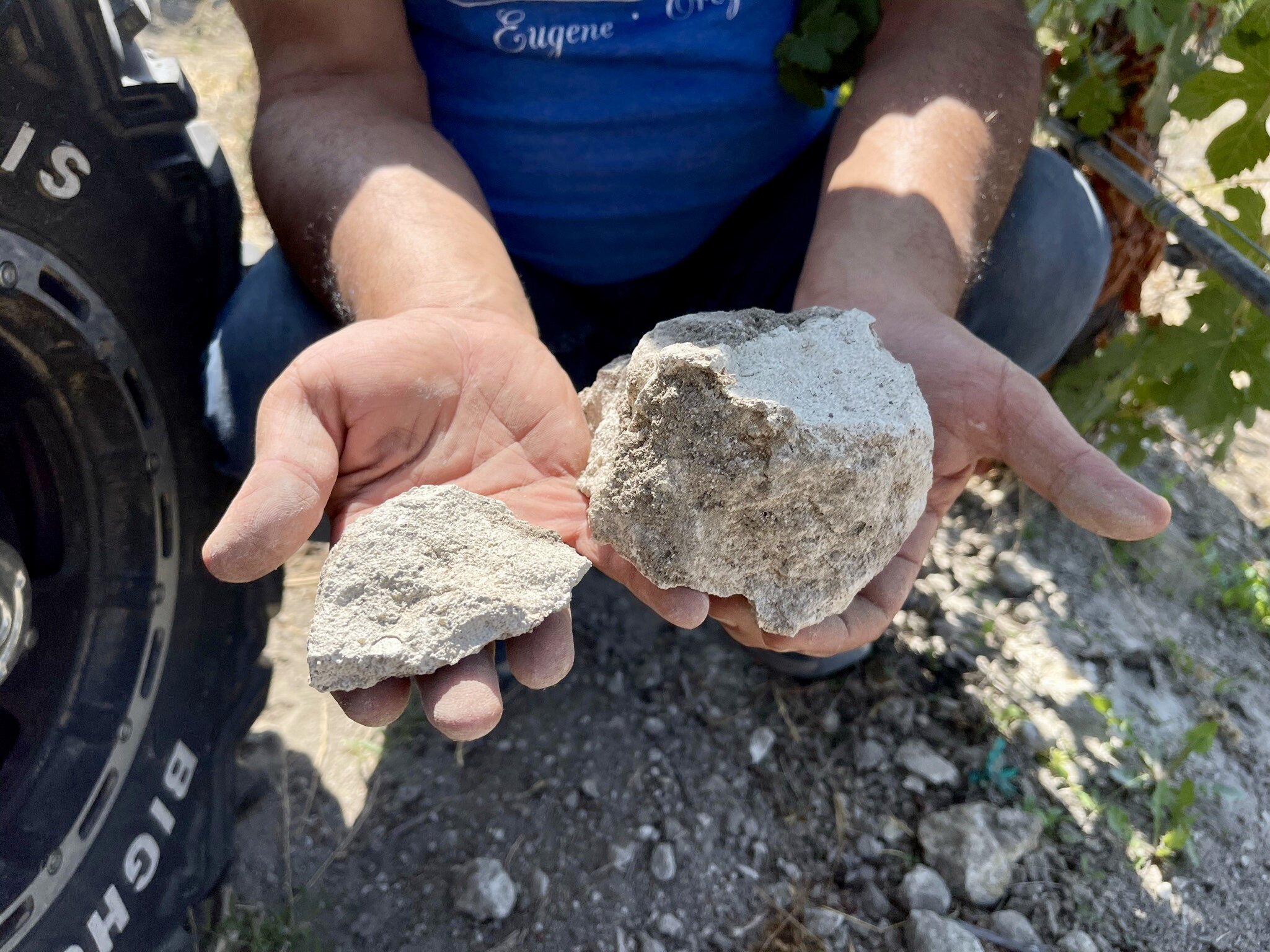
The Cabernet Sauvignon vines are planted in the Harwood-Burke-Wiehl series silt loams that distinguish the Rattlesnake Hills AVA. These soils are a combination of wind-deposited ancient or sedimentary alluvials and decomposed basalt over a lime-silica hard pan. This combination provides both exceptional drainage and ideal soil alkalinity for growing Vinifera.
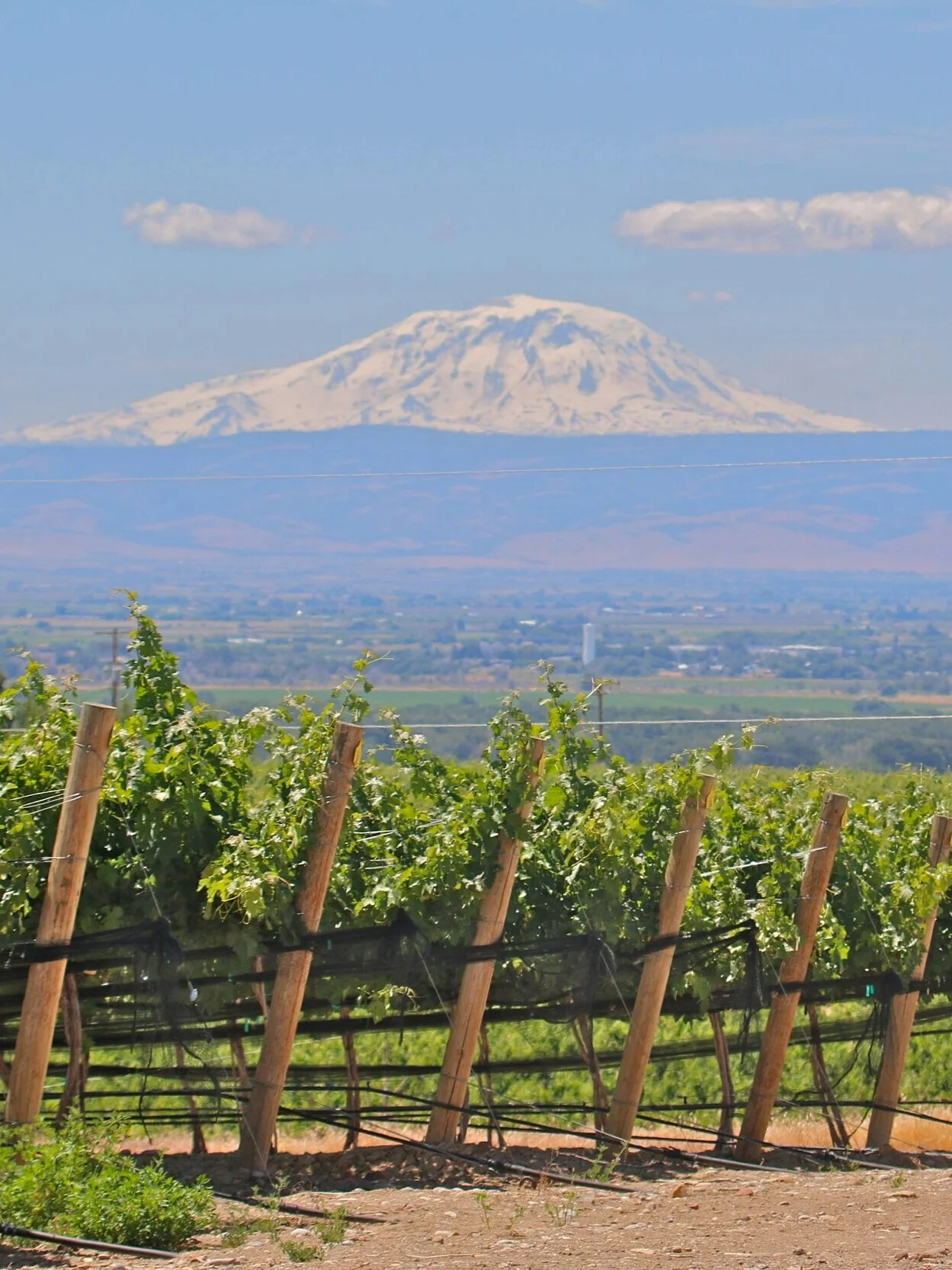 Image 1 of 8
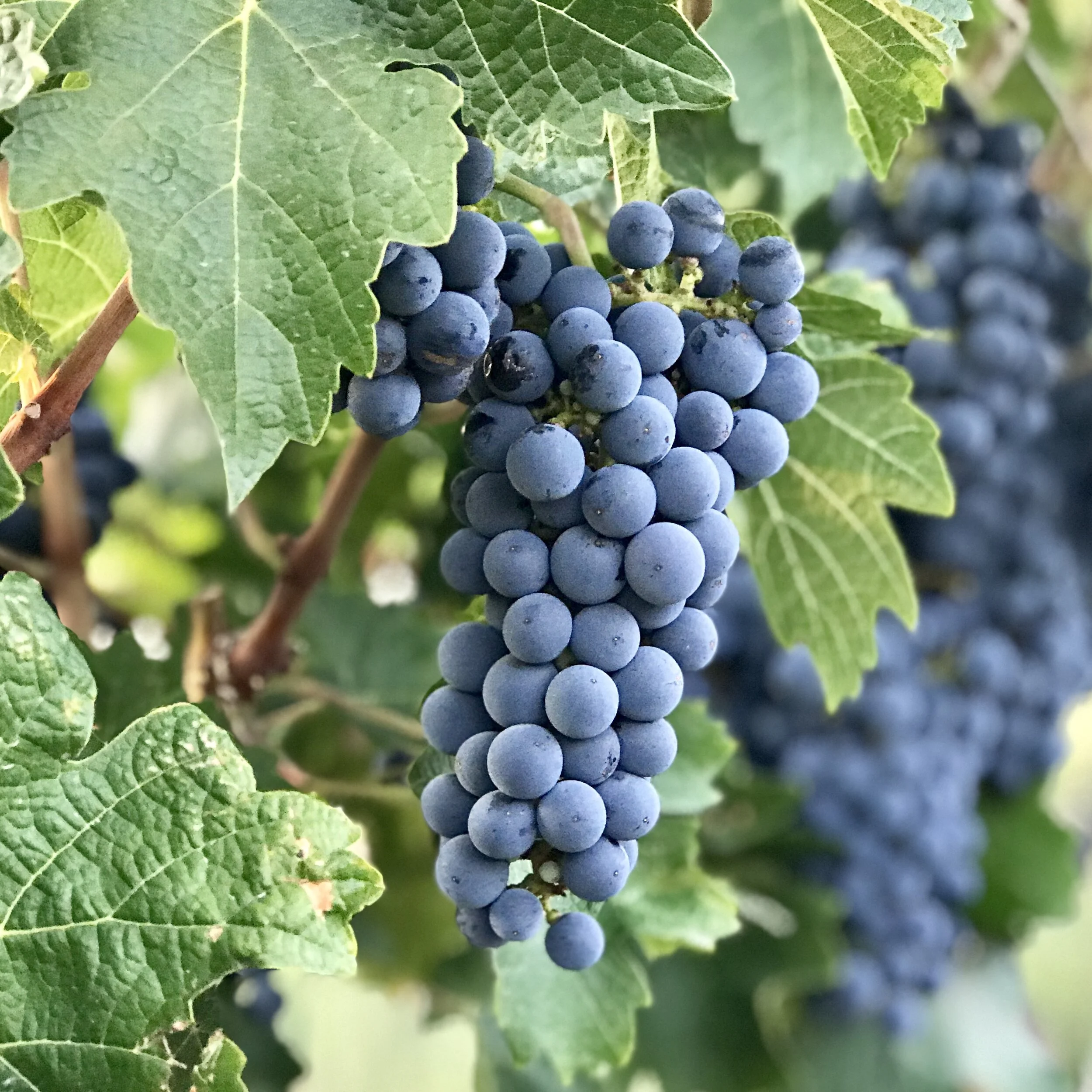 Image 2 of 8
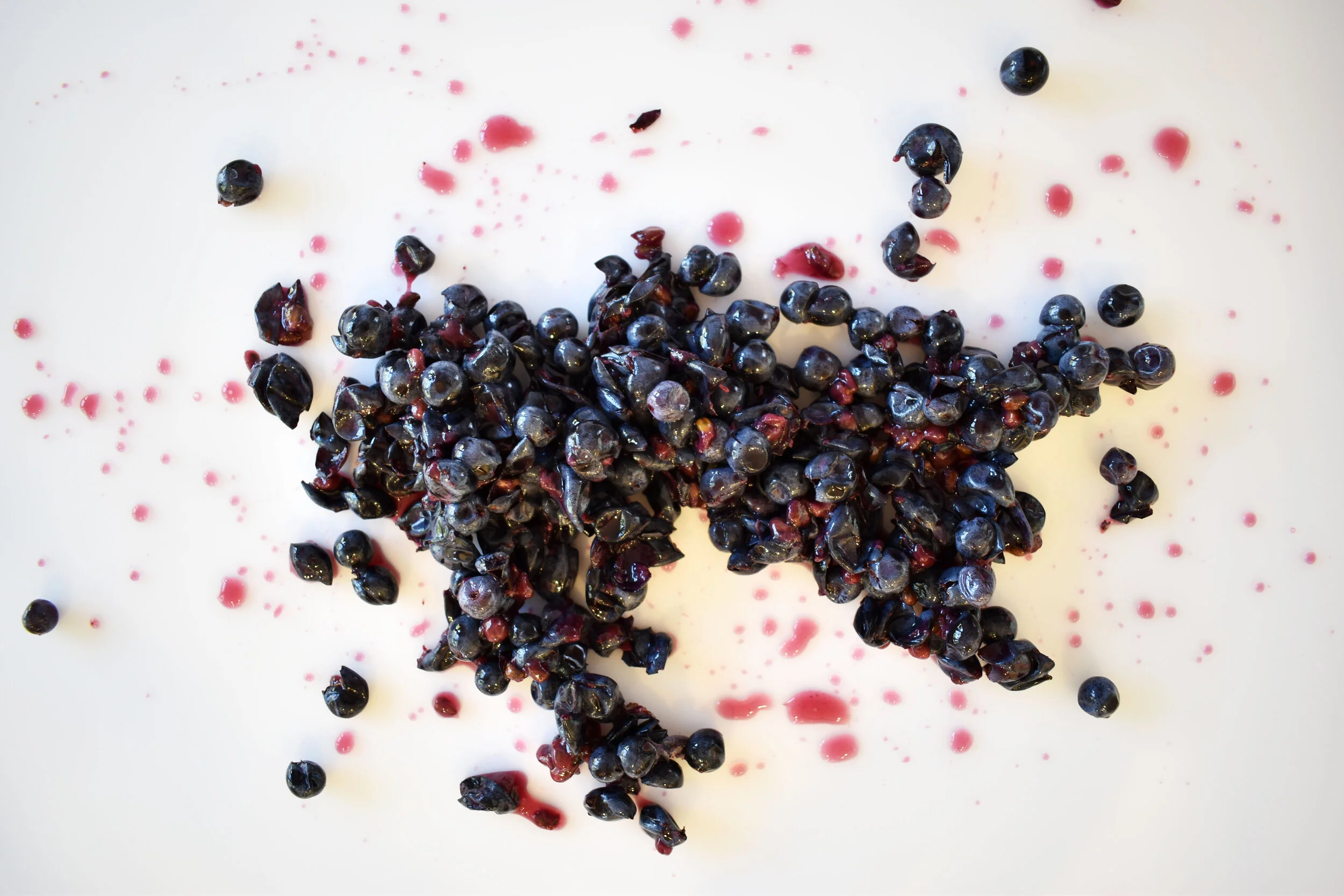 Image 3 of 8
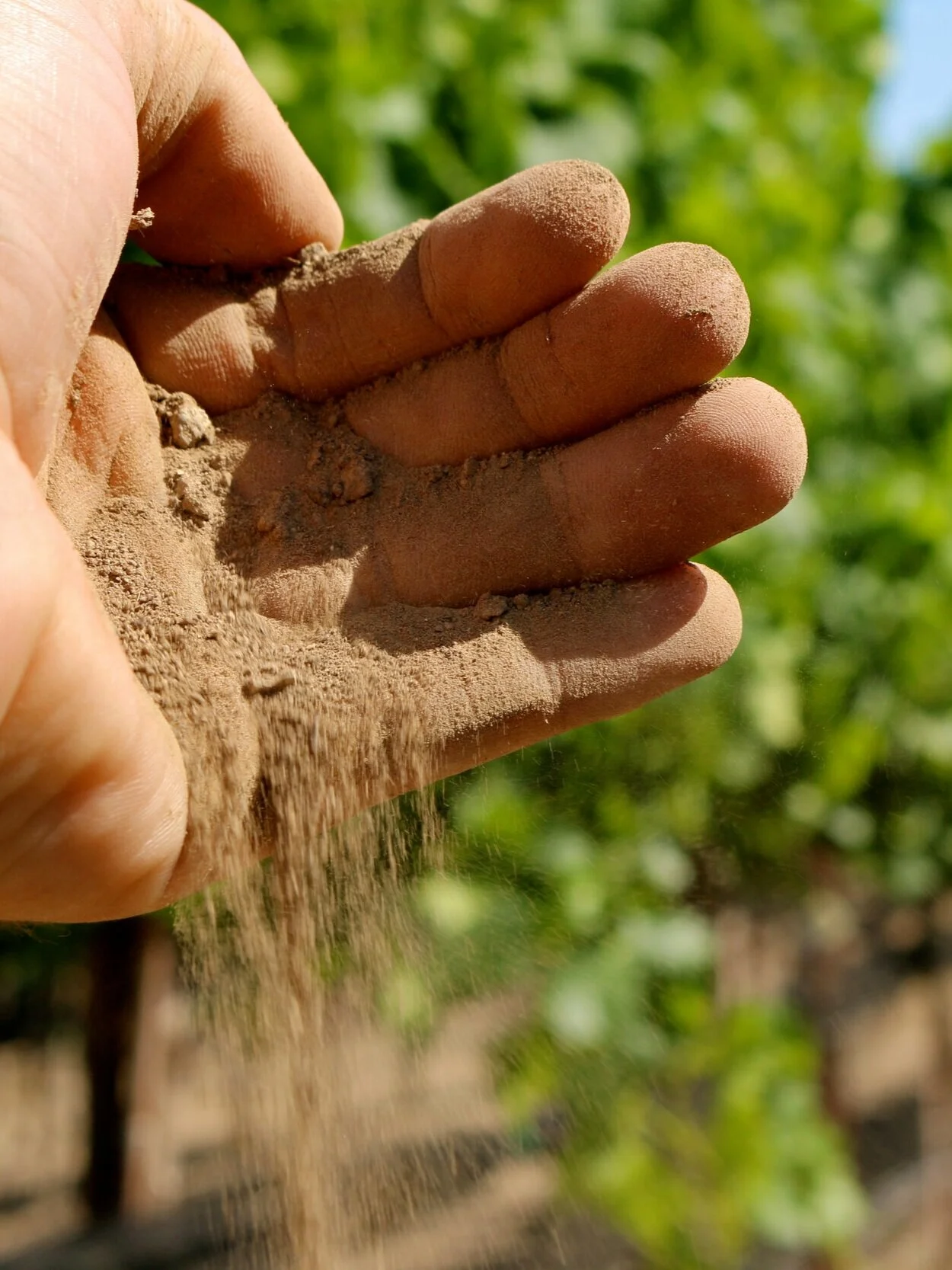 Image 4 of 8
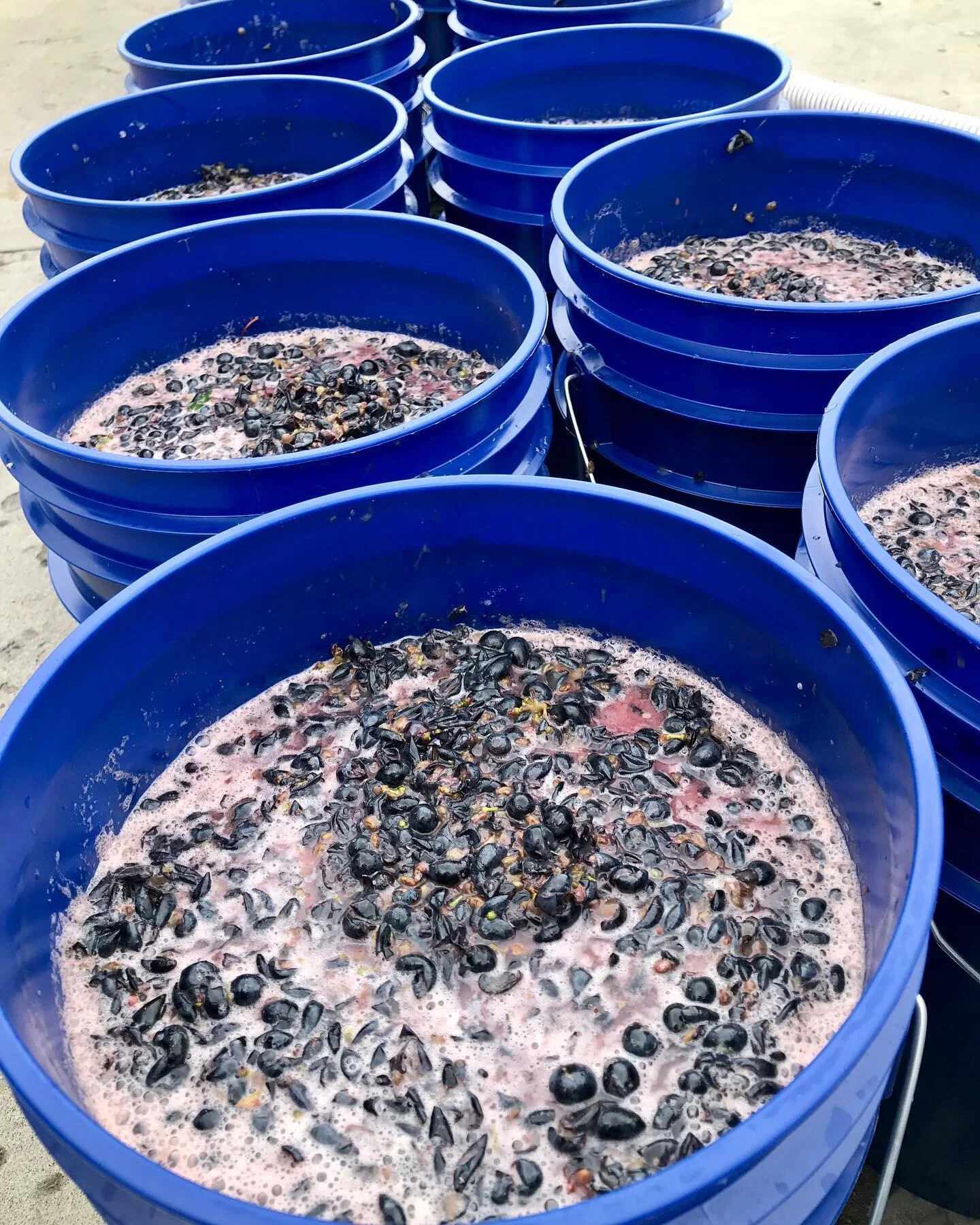 Image 5 of 8
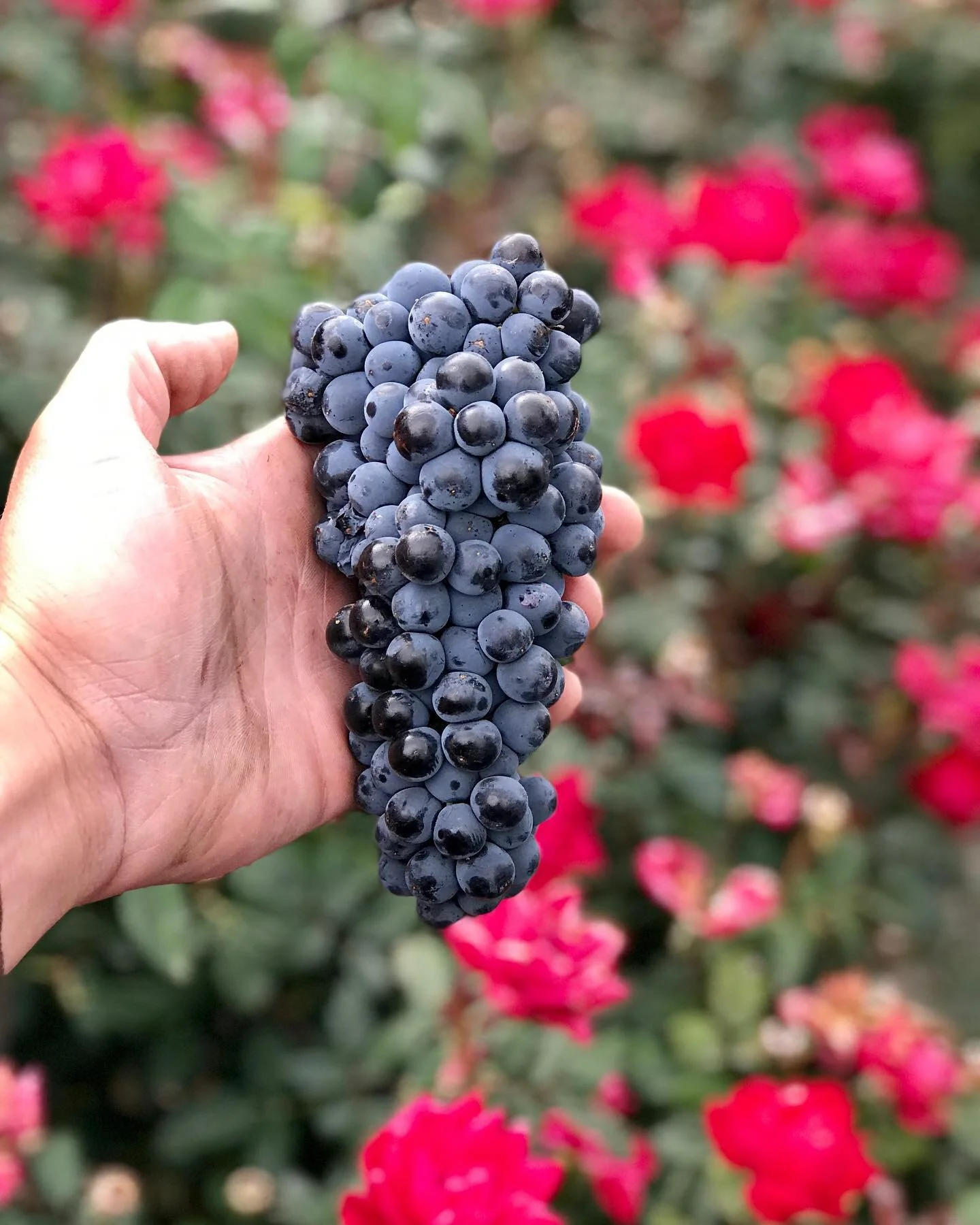 Image 6 of 8
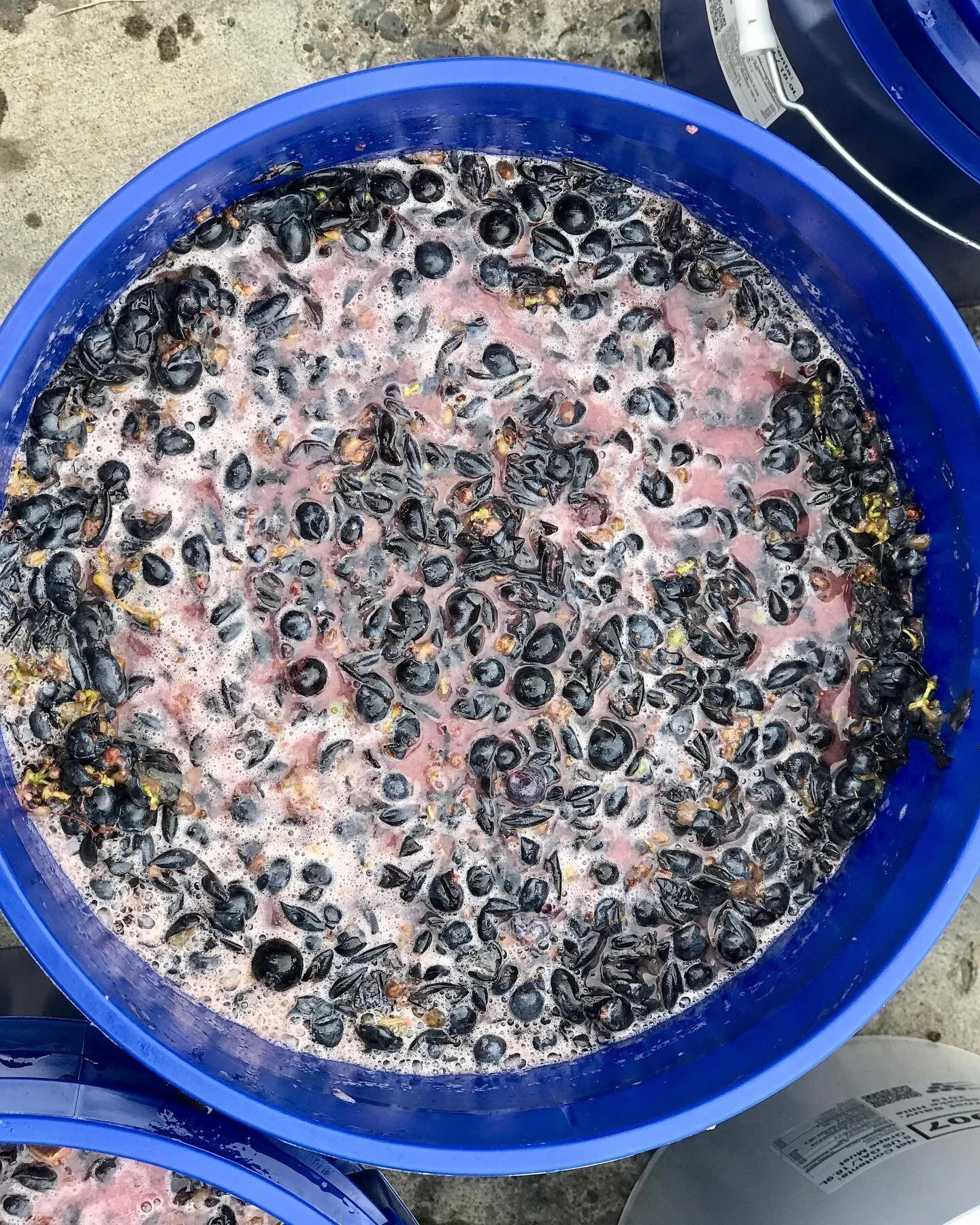 Image 7 of 8
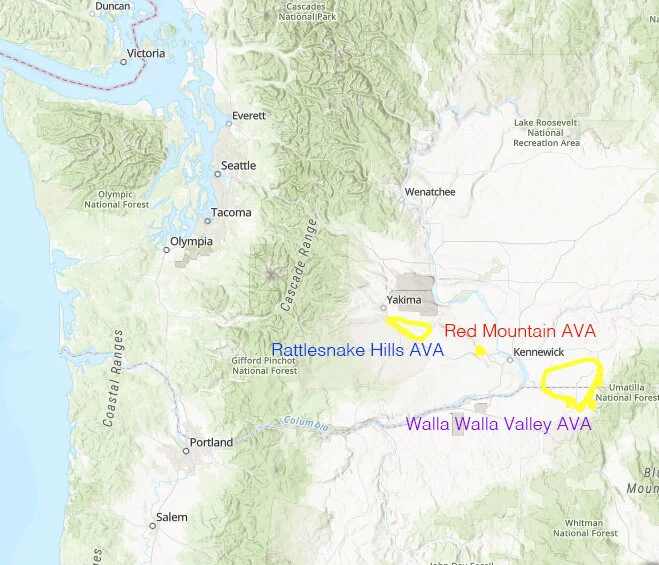 Image 8 of 8