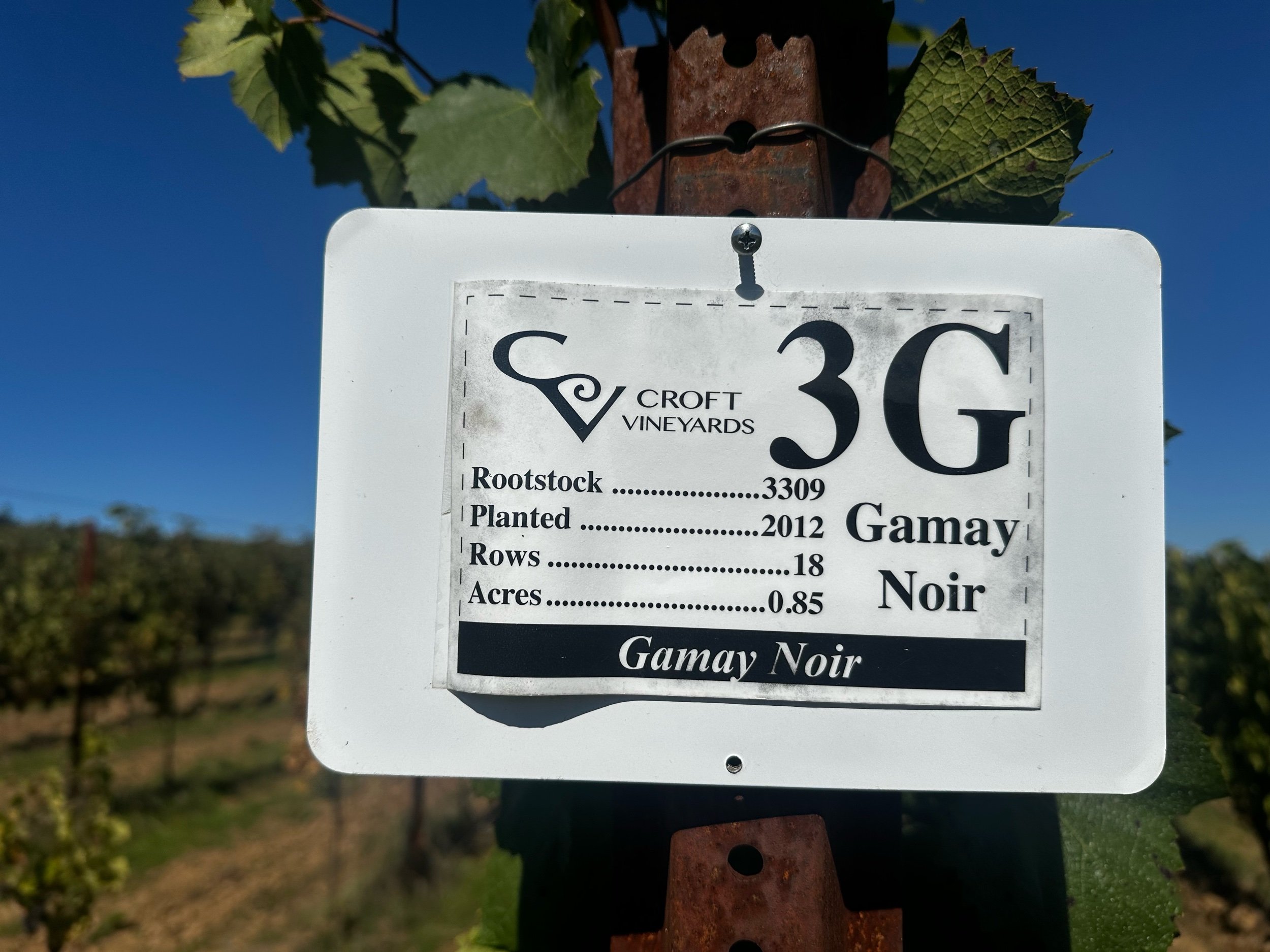
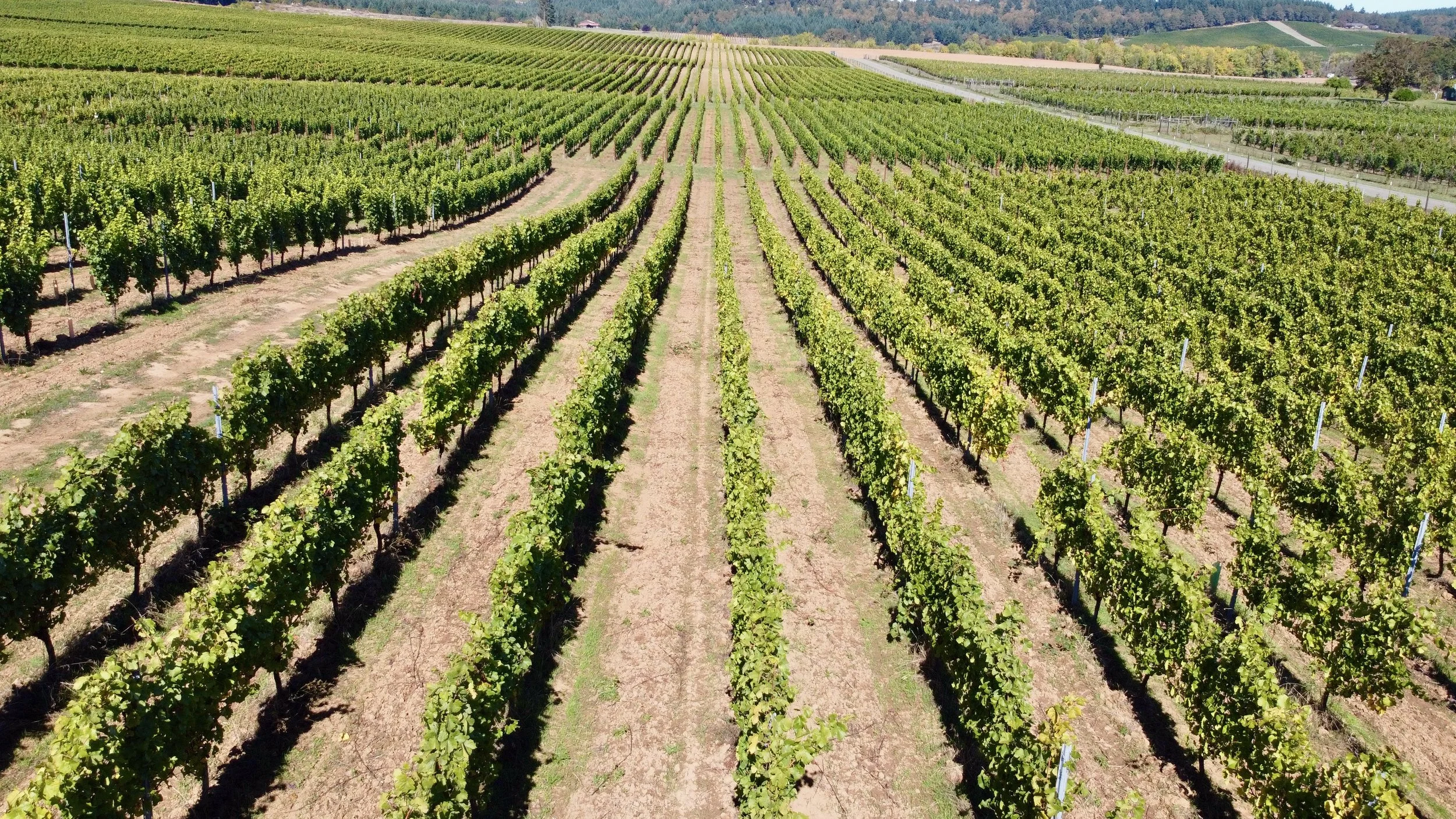
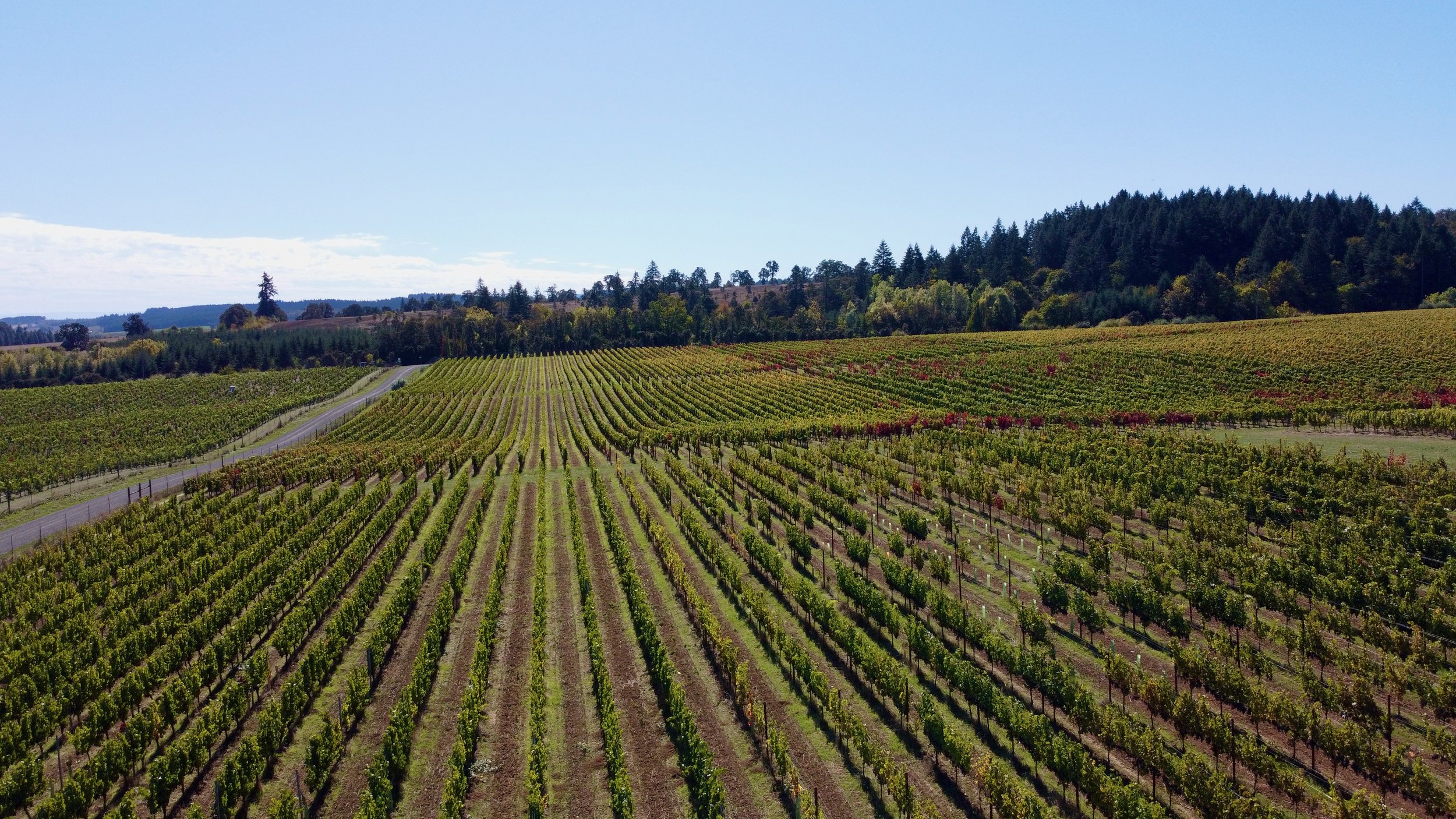
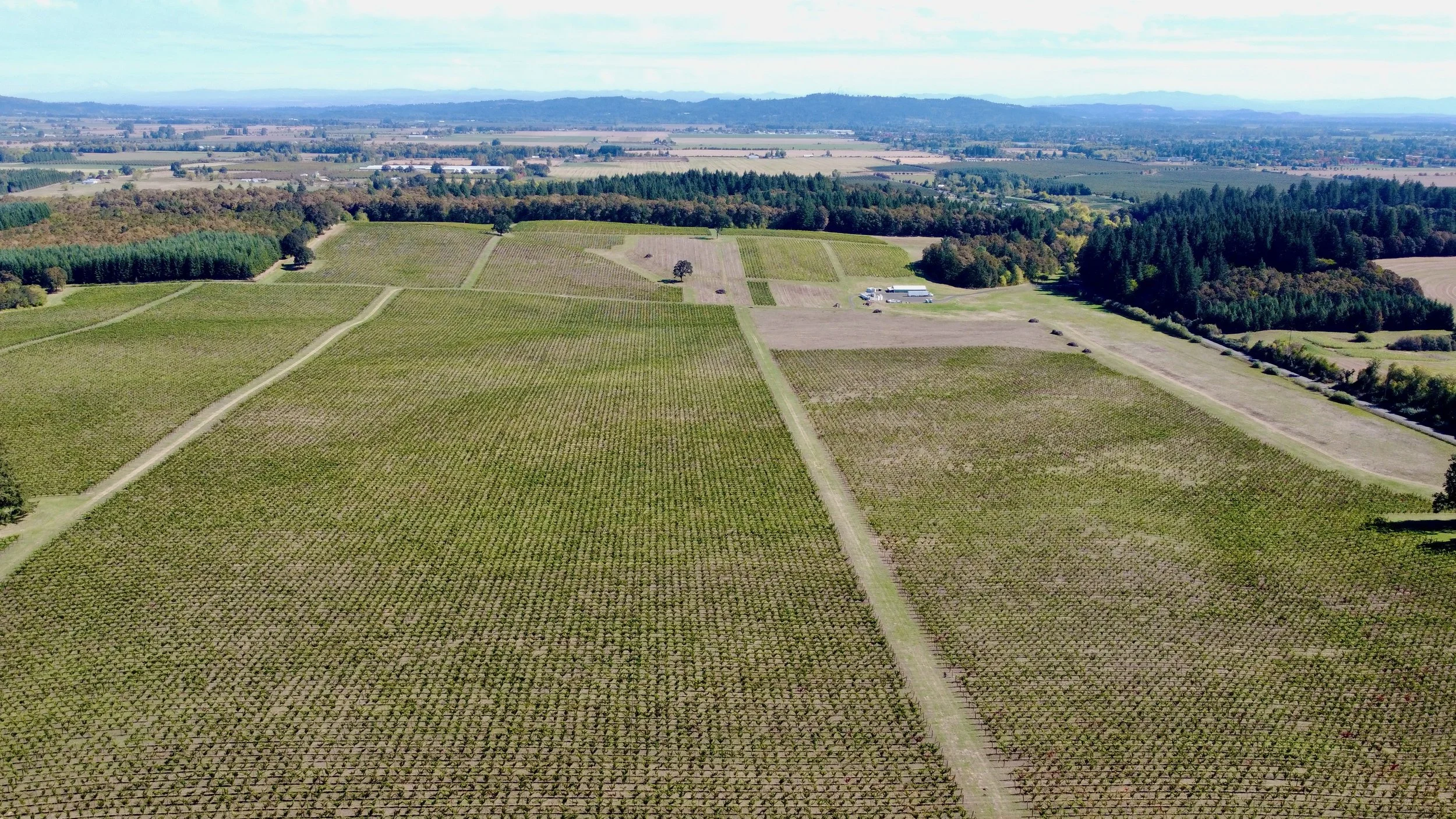
 Image 1 of 5
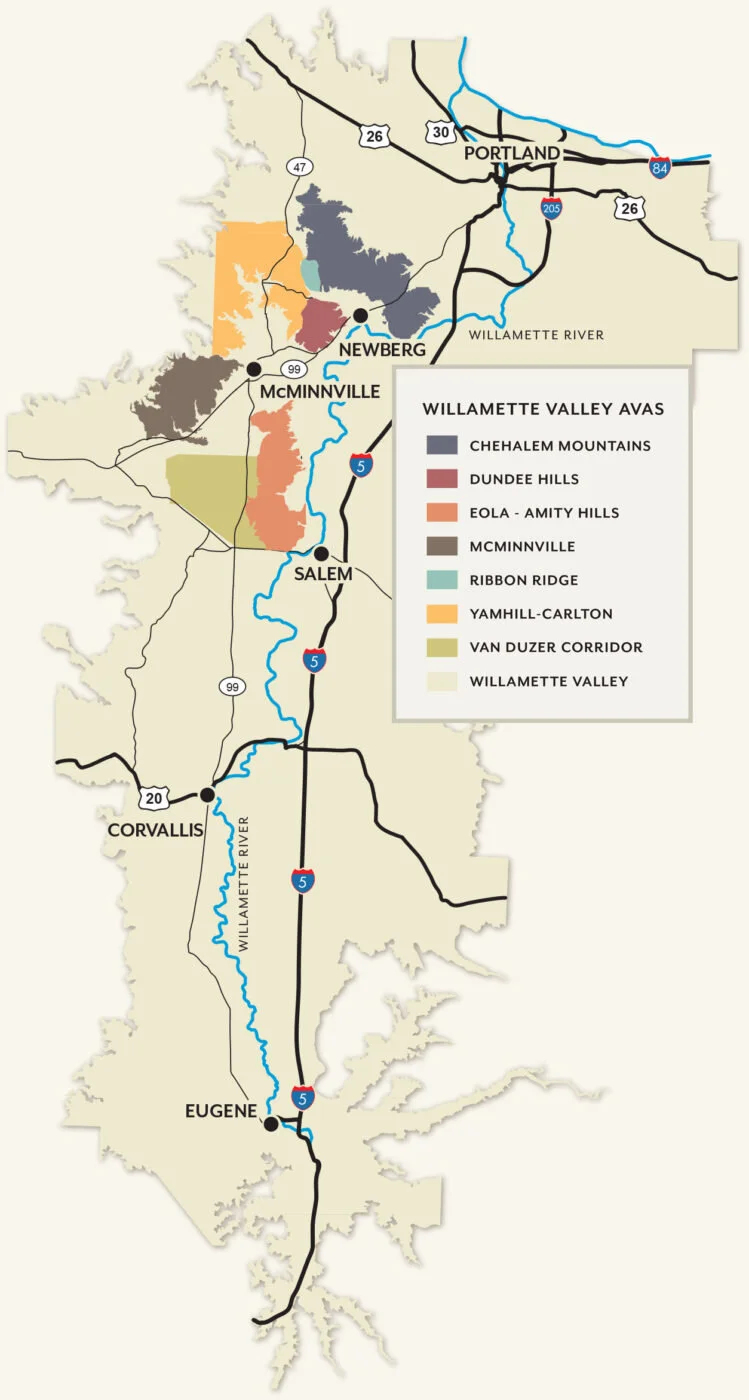 Image 2 of 5
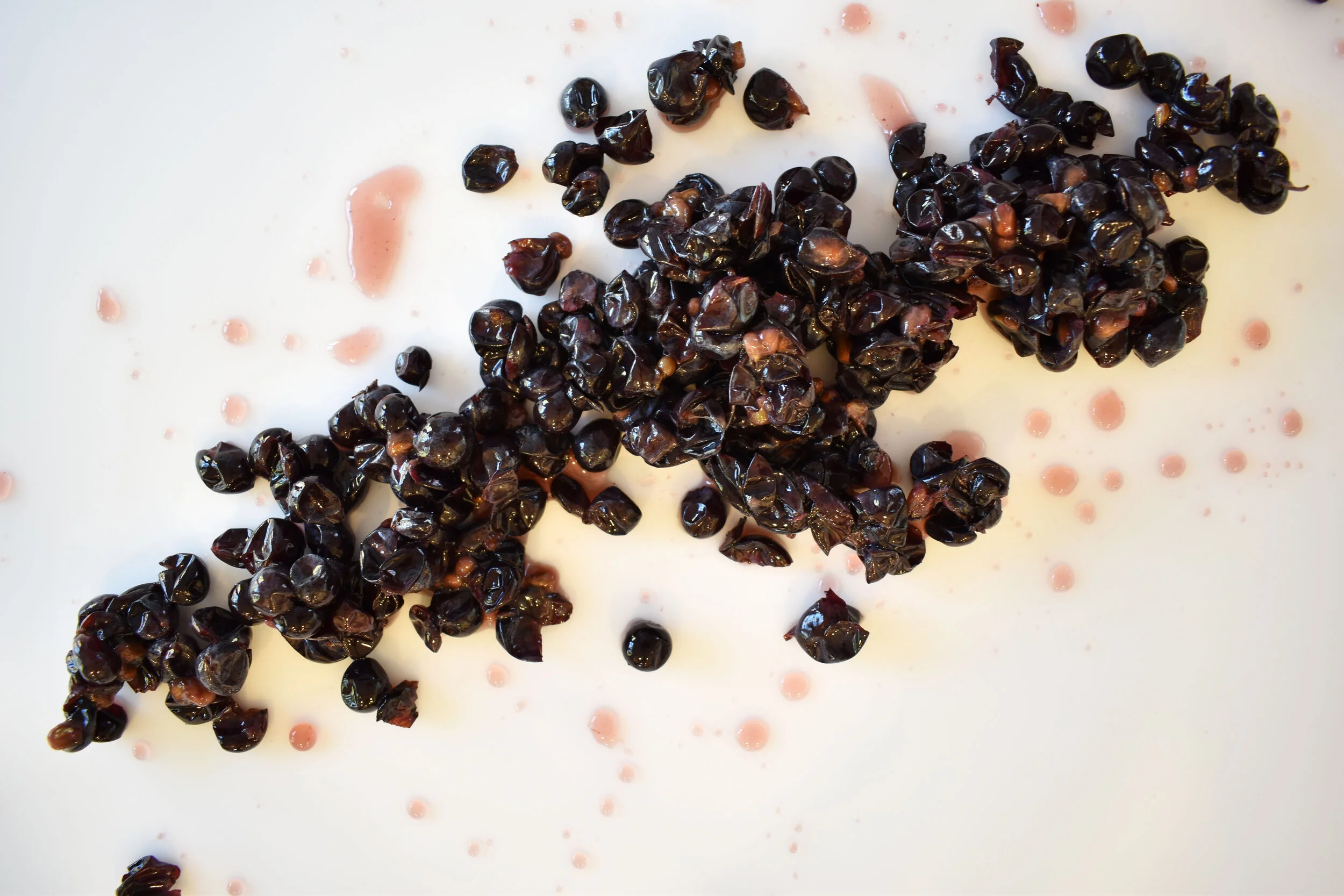 Image 3 of 5
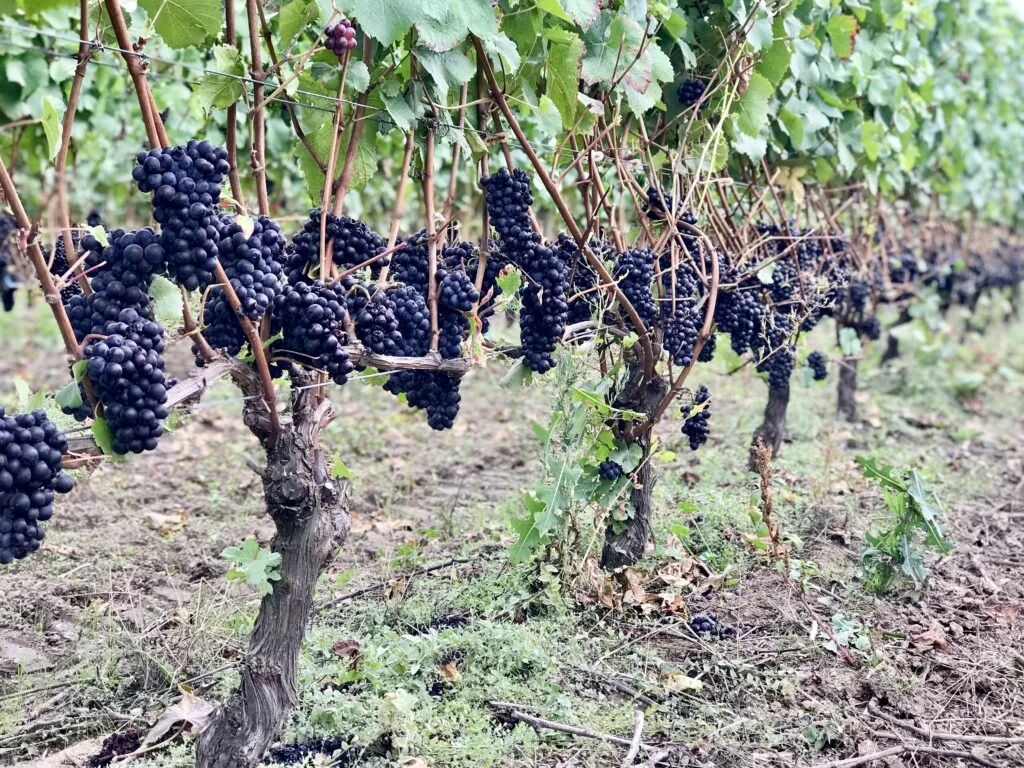 Image 4 of 5
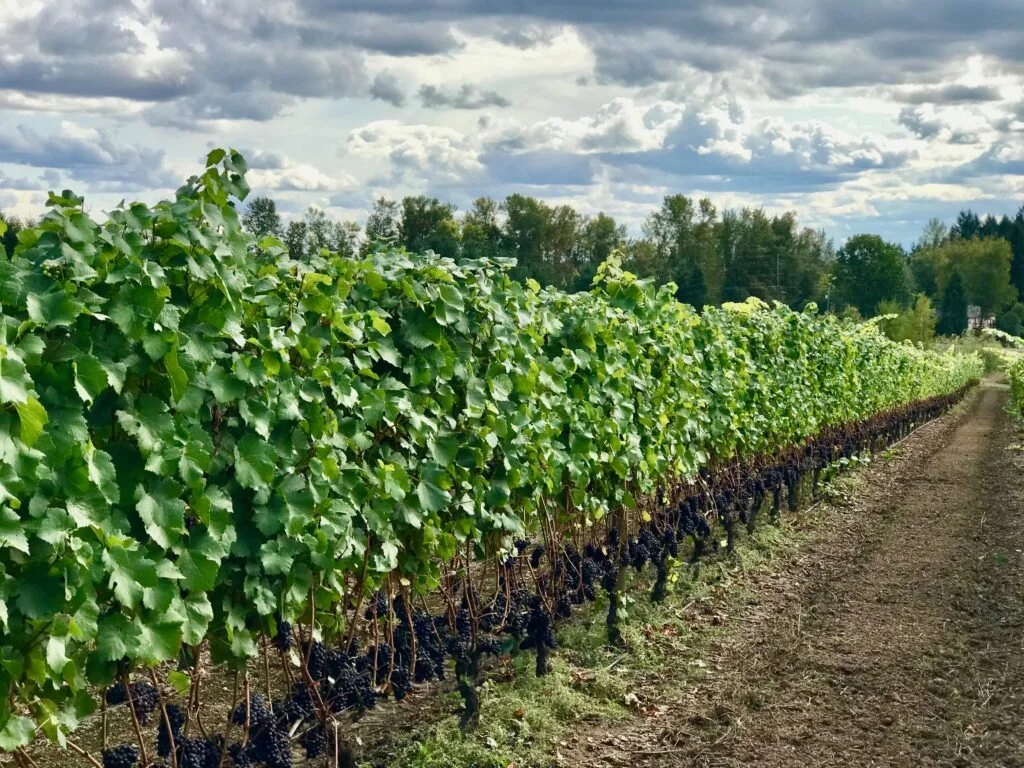 Image 5 of 5
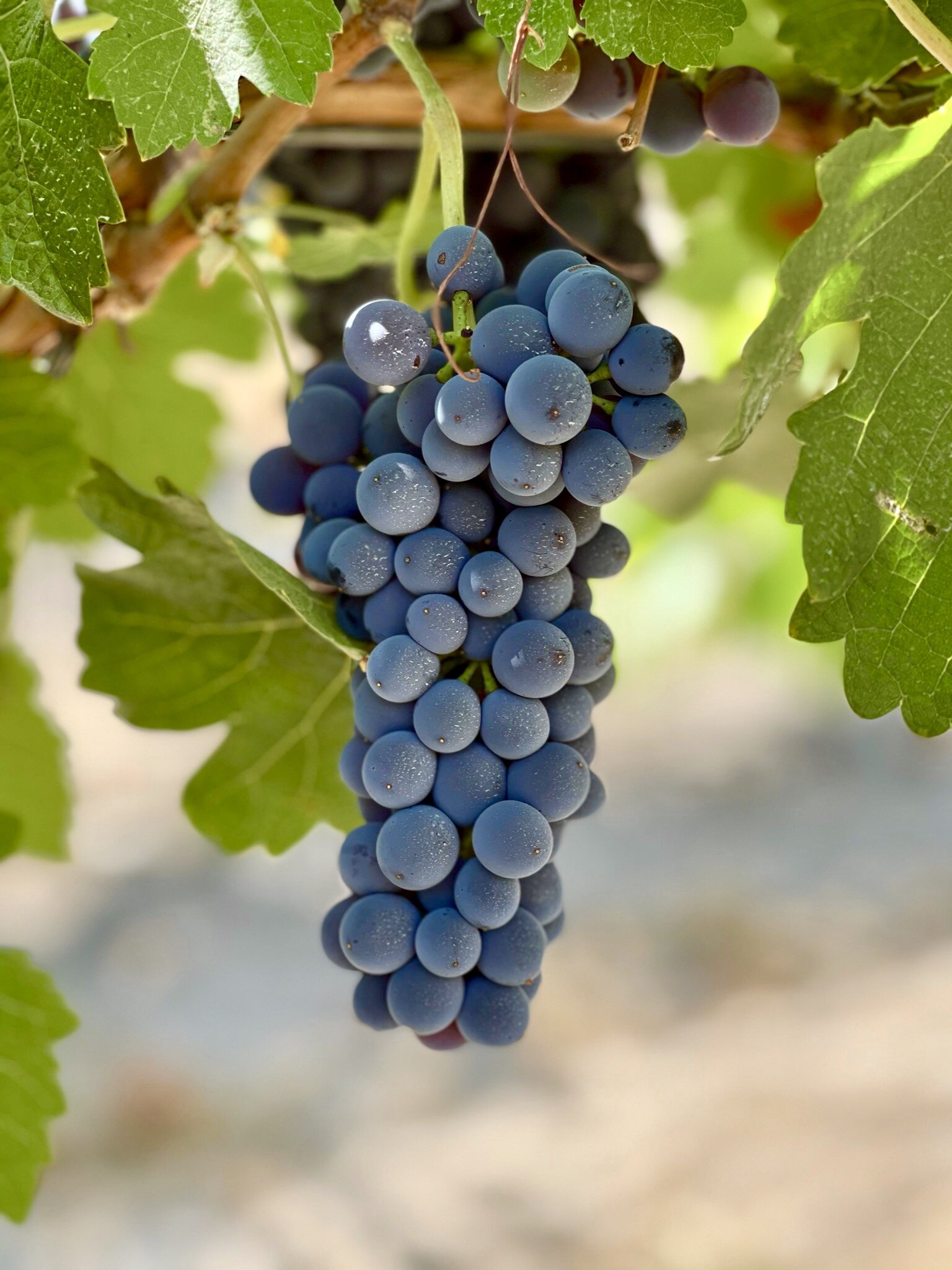
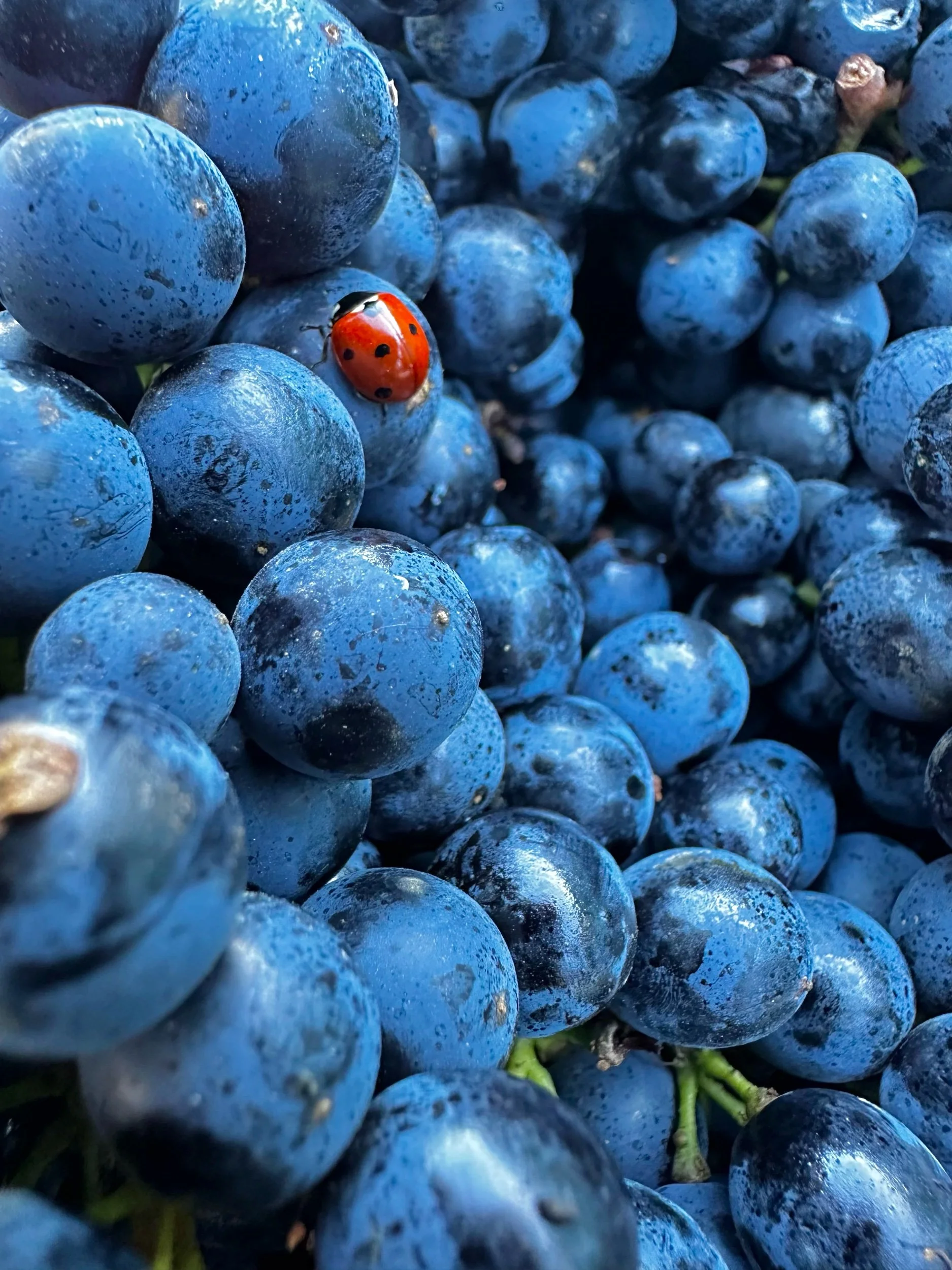
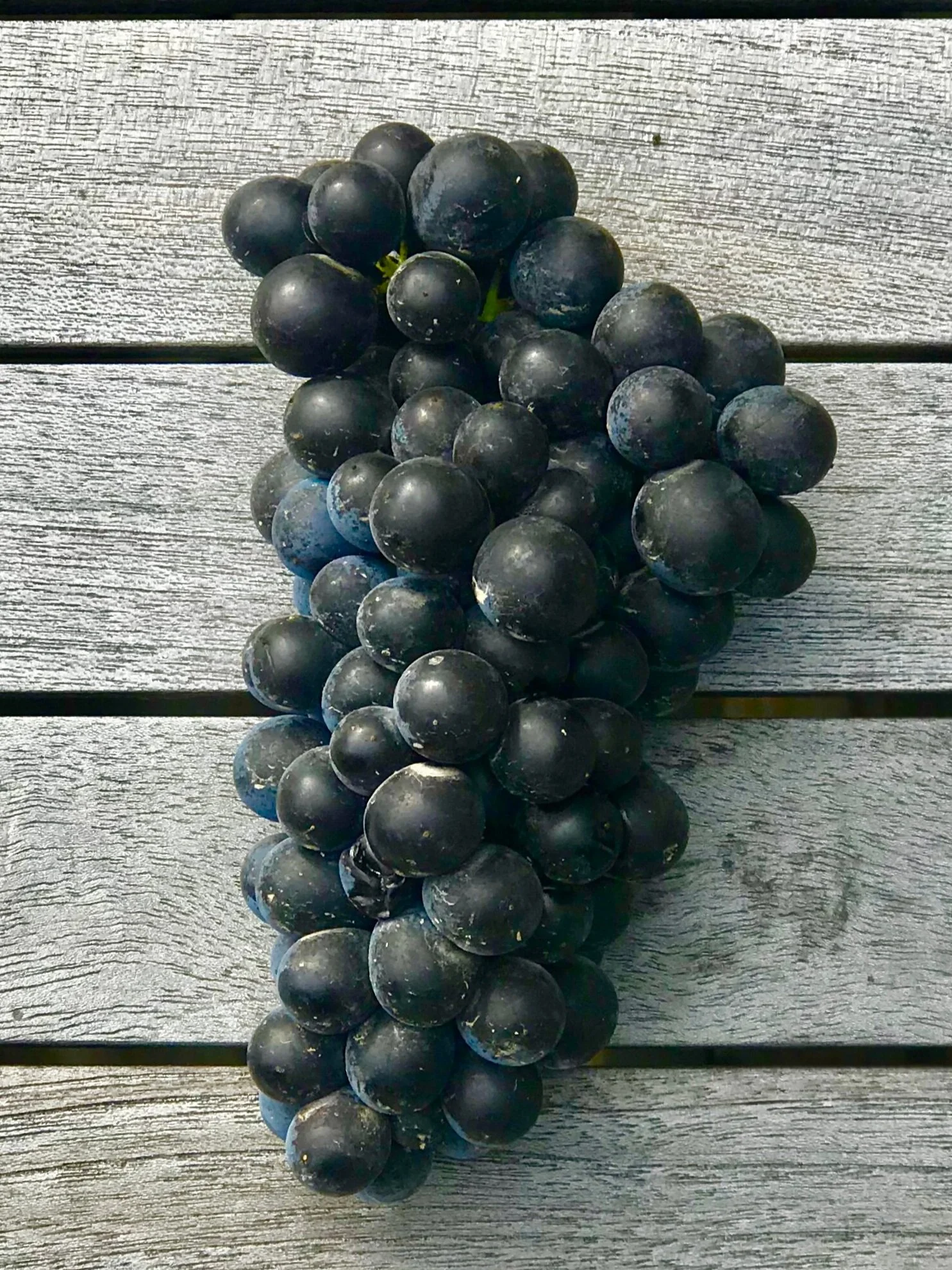
Each pail includes five gallons of grape must. Product will arrive partially frozen.
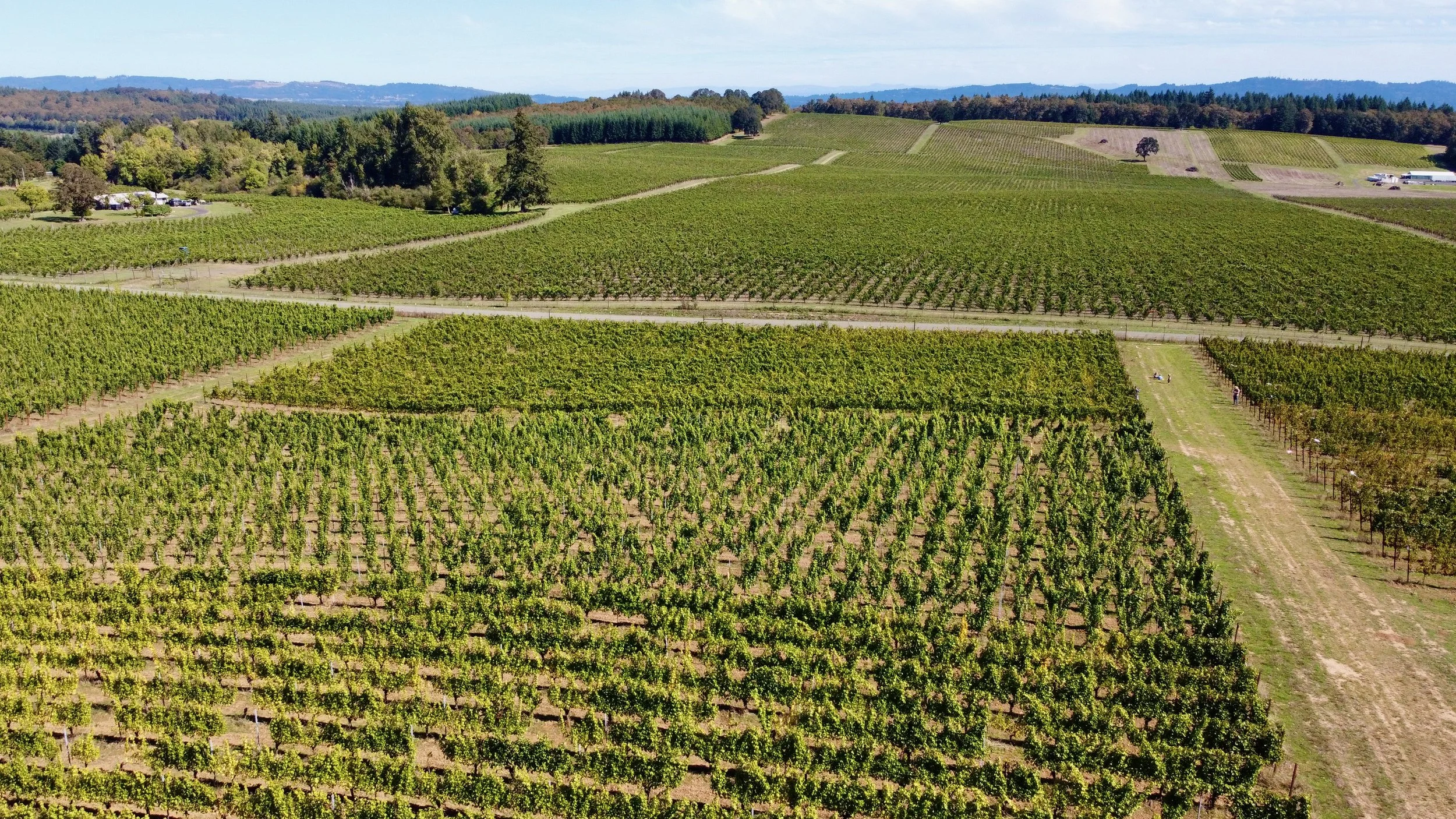
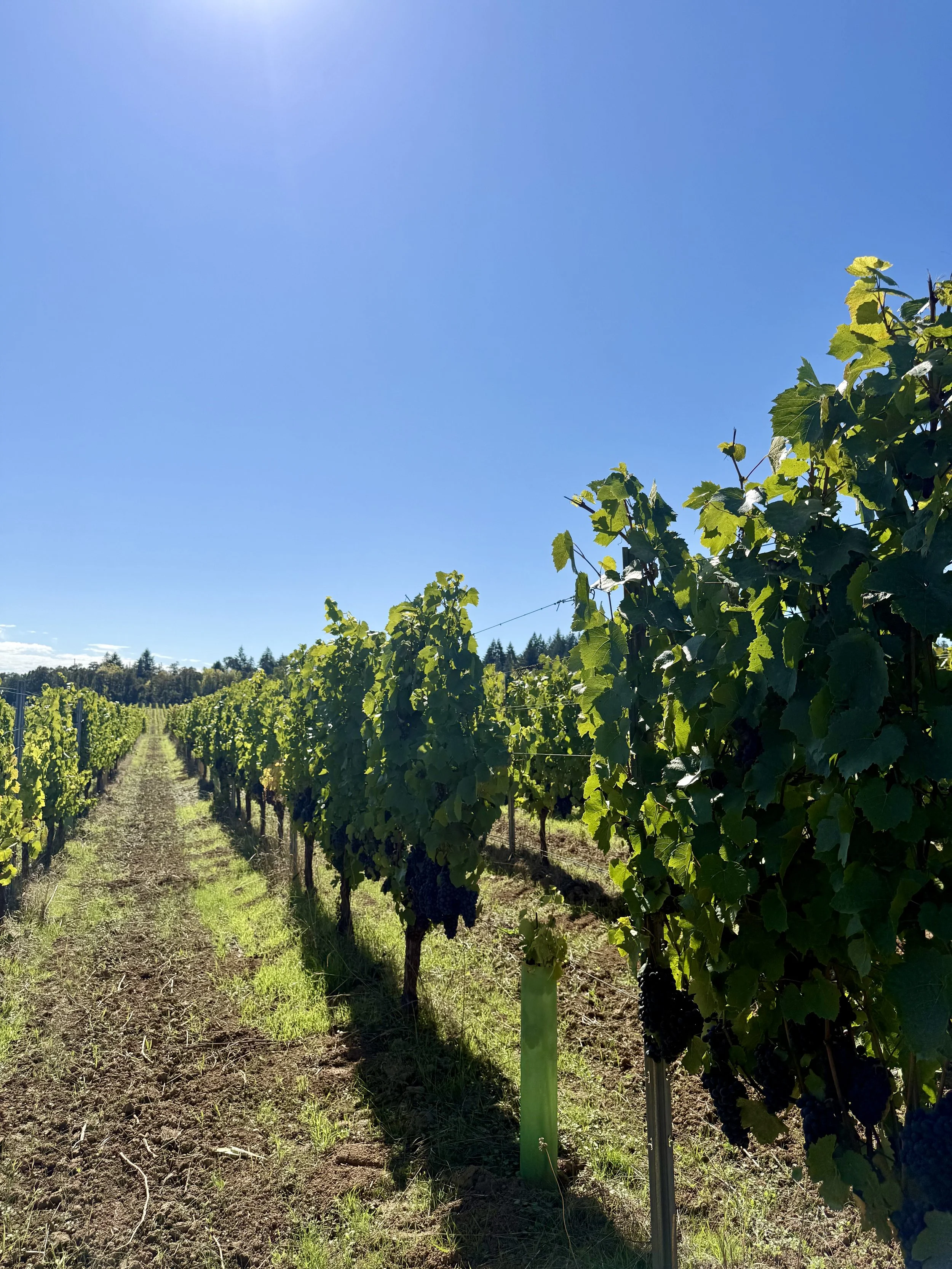
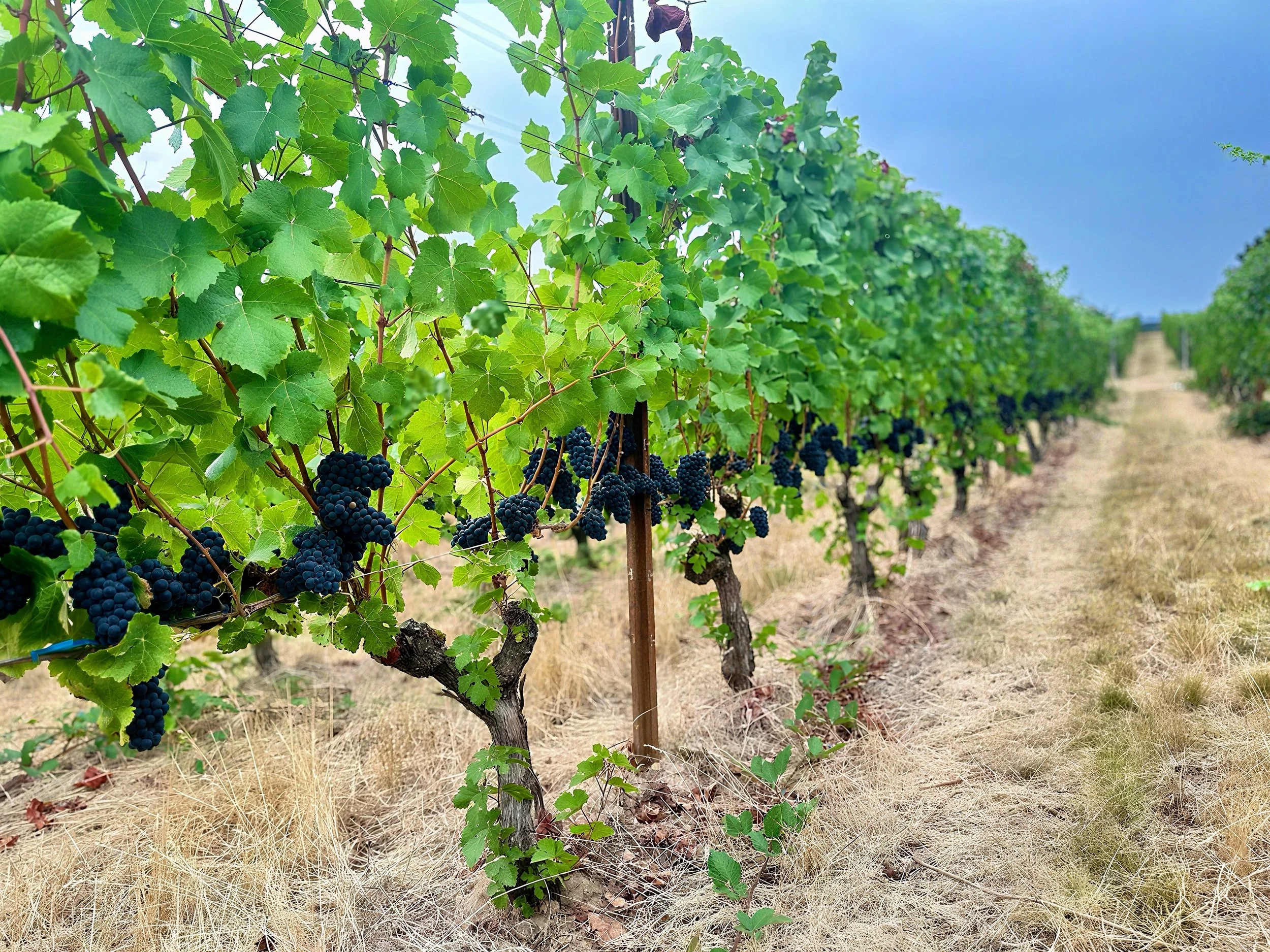
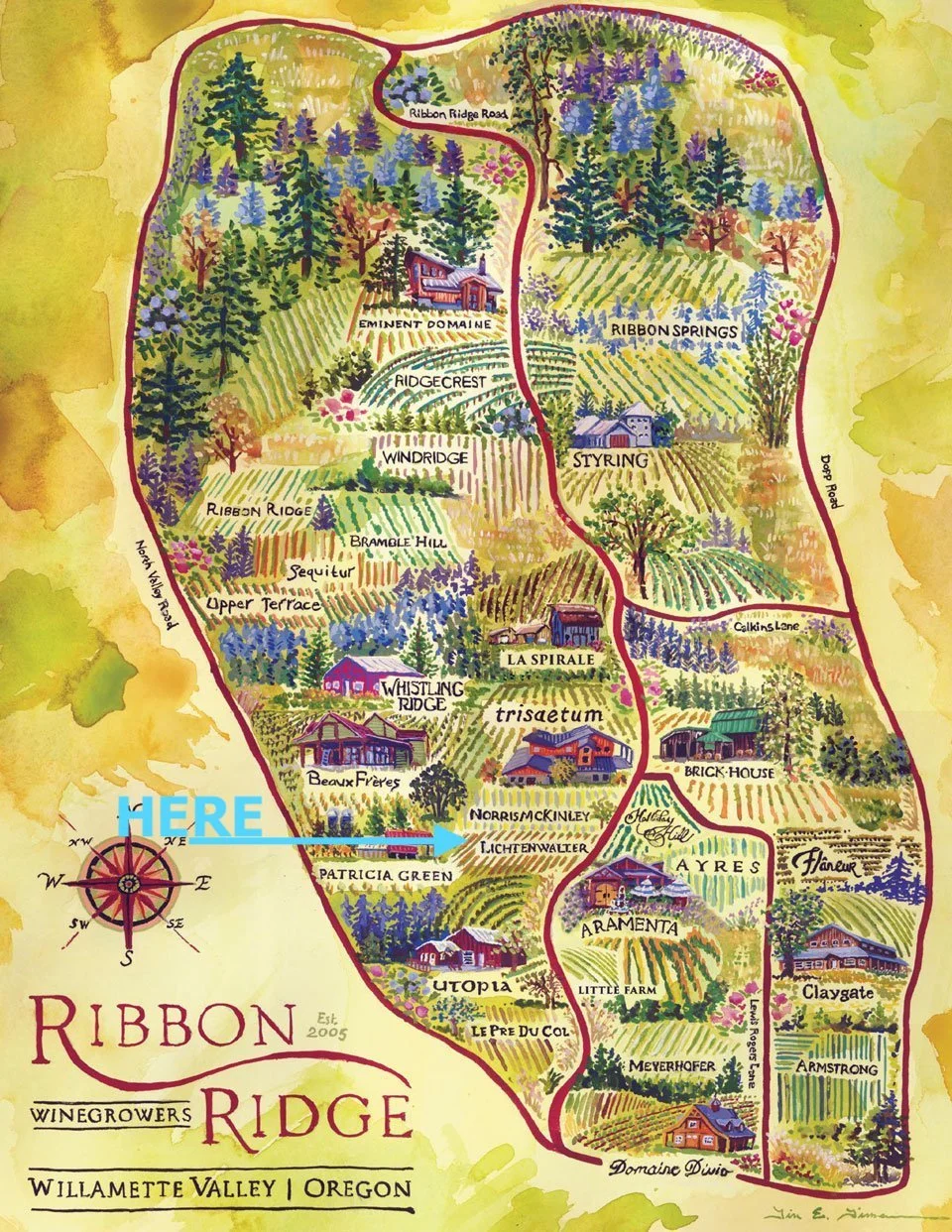
Dundee Hills of Willamette Valley, Oregon
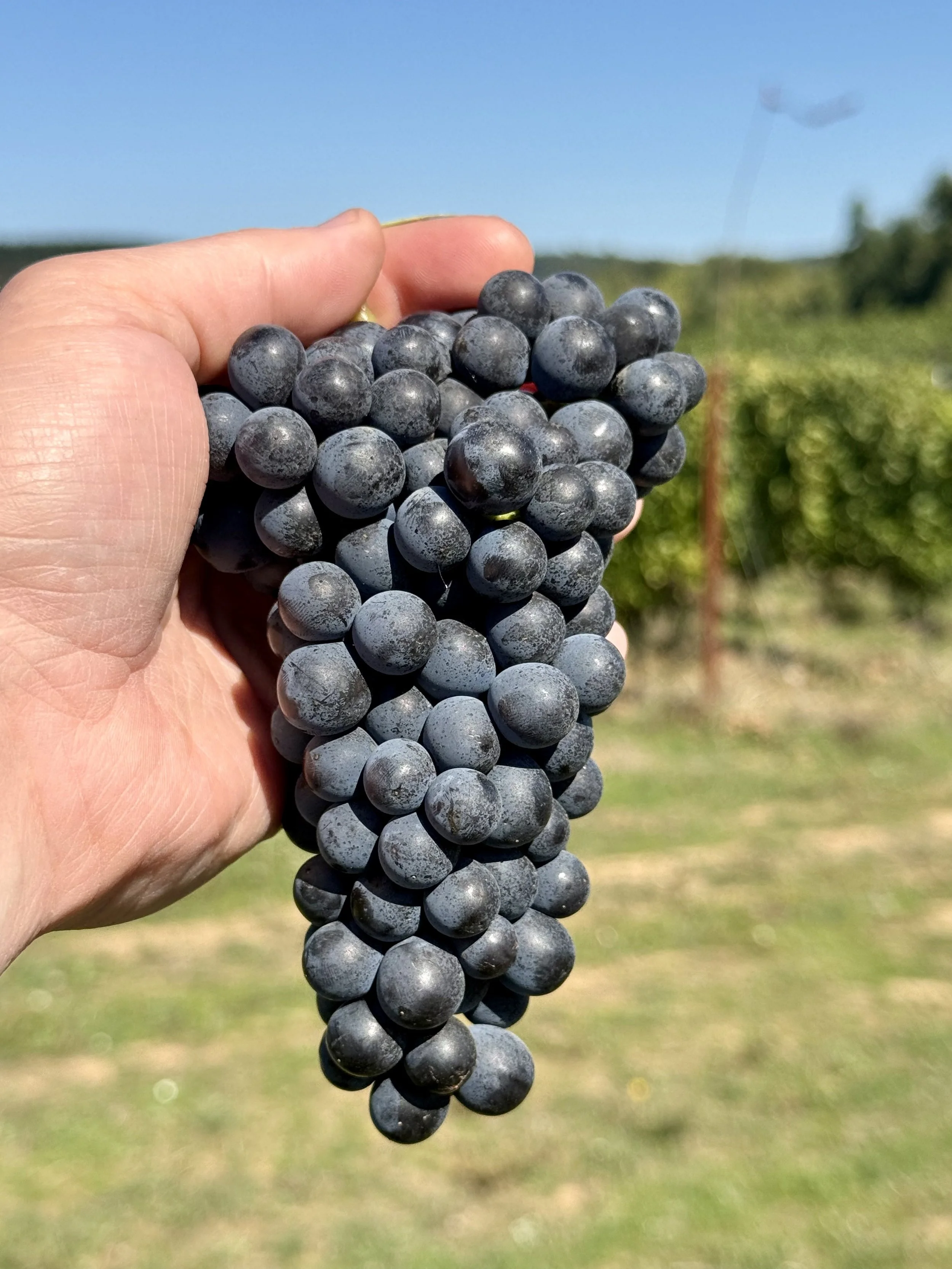
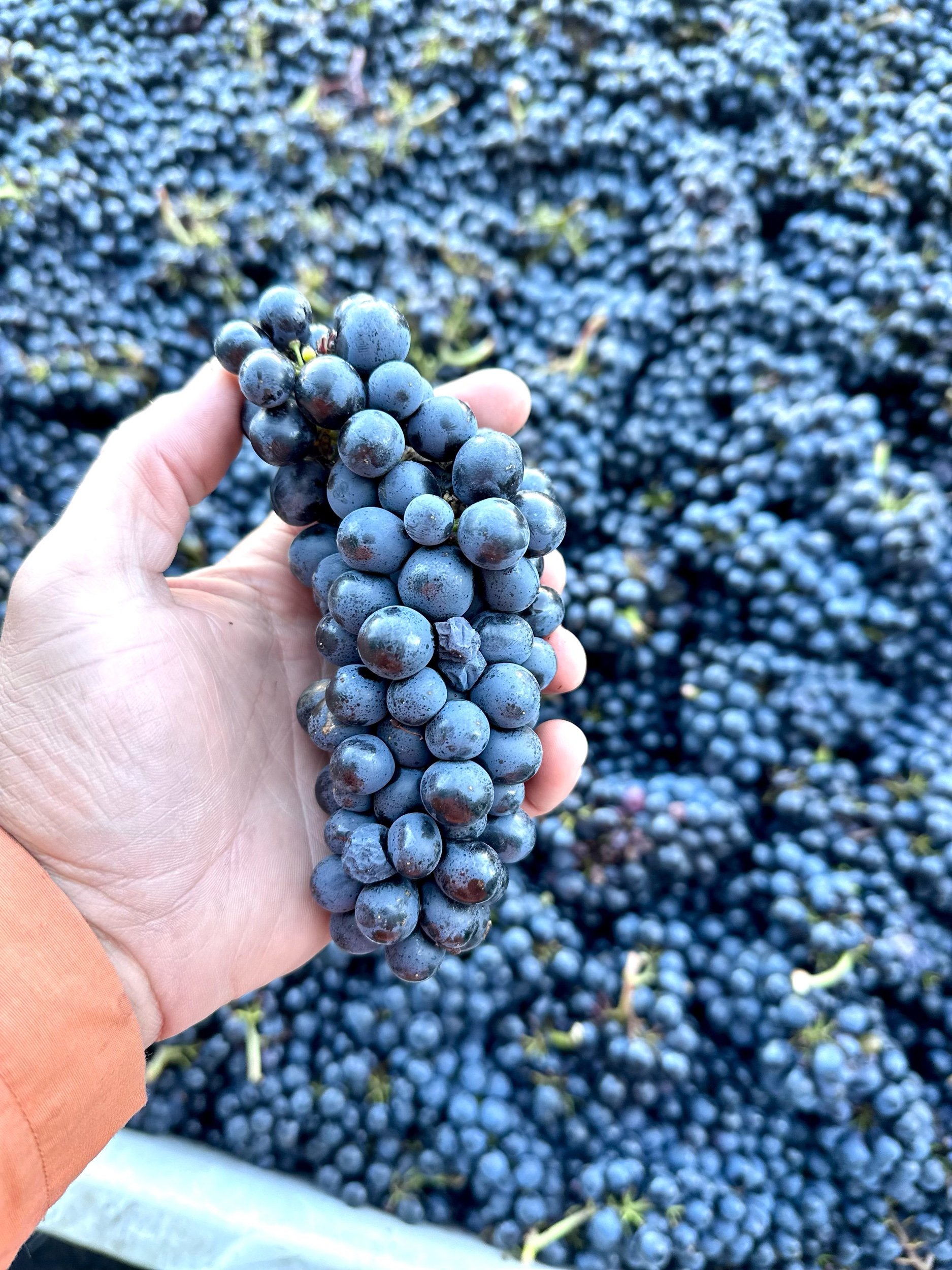
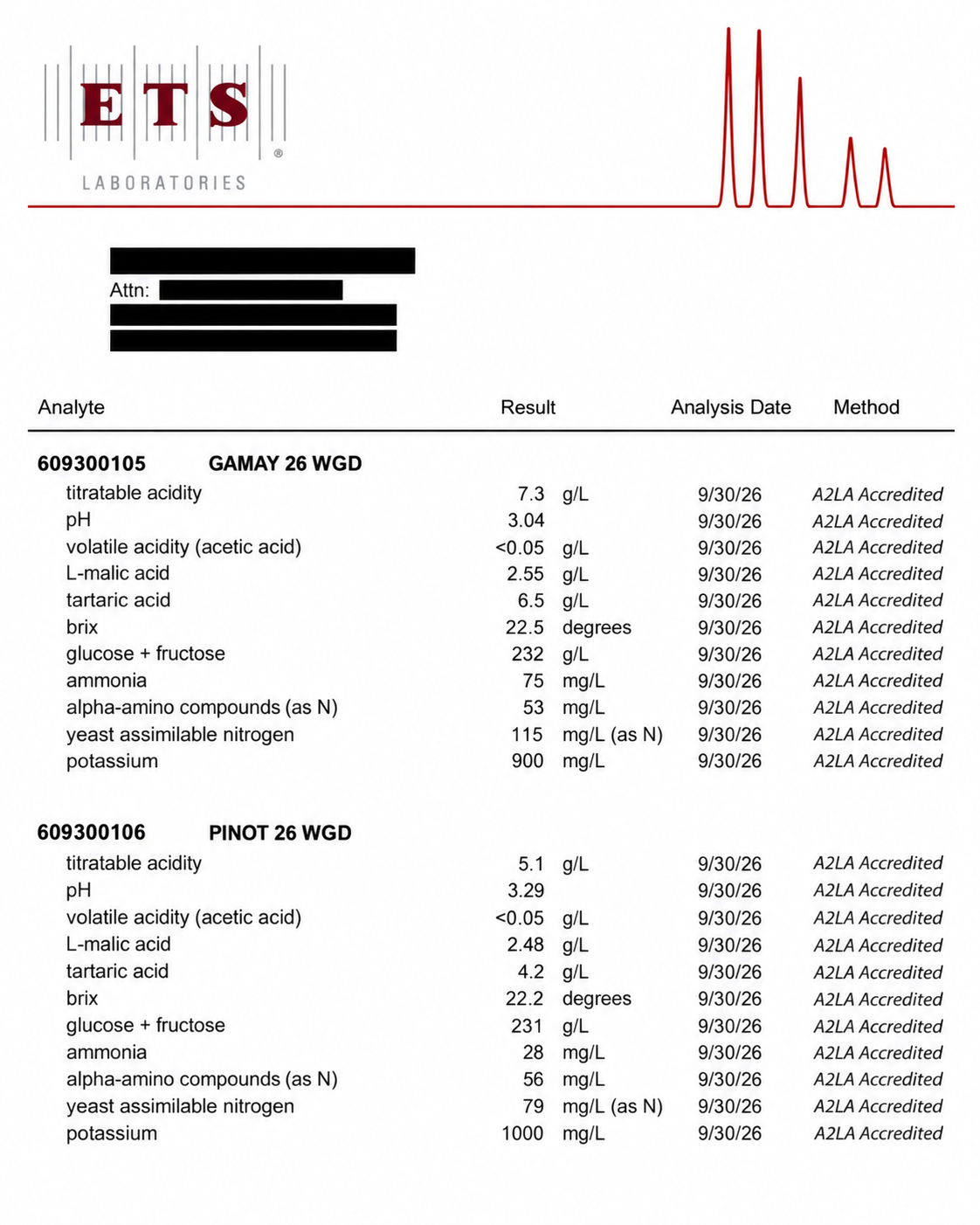
Brix: 23.5, pH: 3.7, TA: 5.75
Harvested October 1st, 2019
“Oregon’s speciality is Pinot Noir, a delicate and temperamental grape considered by many to make the most sensual red wine in the world.” – Karen MacNeil, The Wine Bible
Like Burgundy in France, the Willamette Valley in Oregon is located on the 45th parallel. Both areas experience approximately the same number of degree days and an average rainfall of around 40 inches a year. Unlike Burgundy, however, Oregon receives almost all of its precipitation during the winter. This reduces the disease pressure Oregon growers face and also extends the growing season.
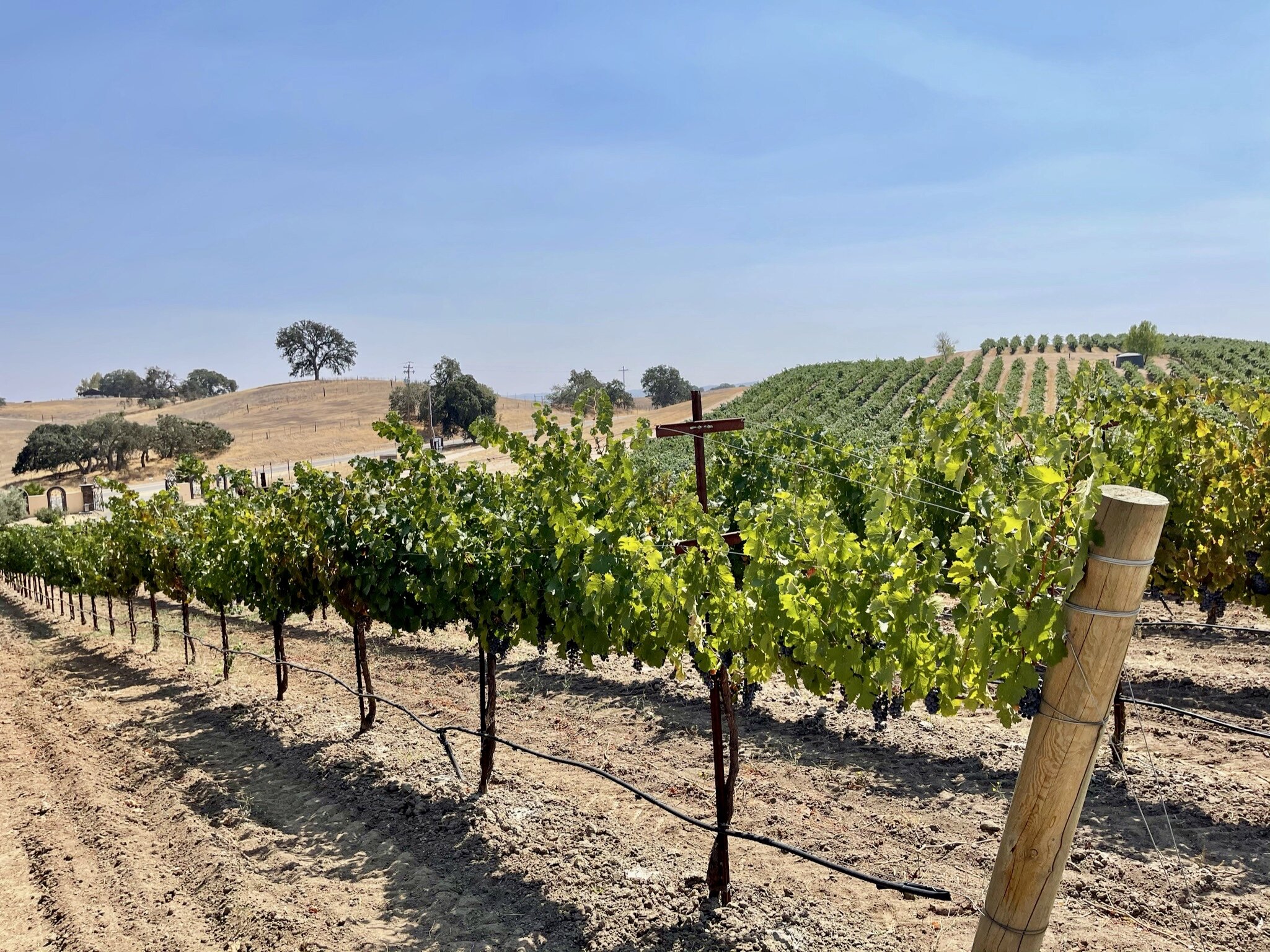
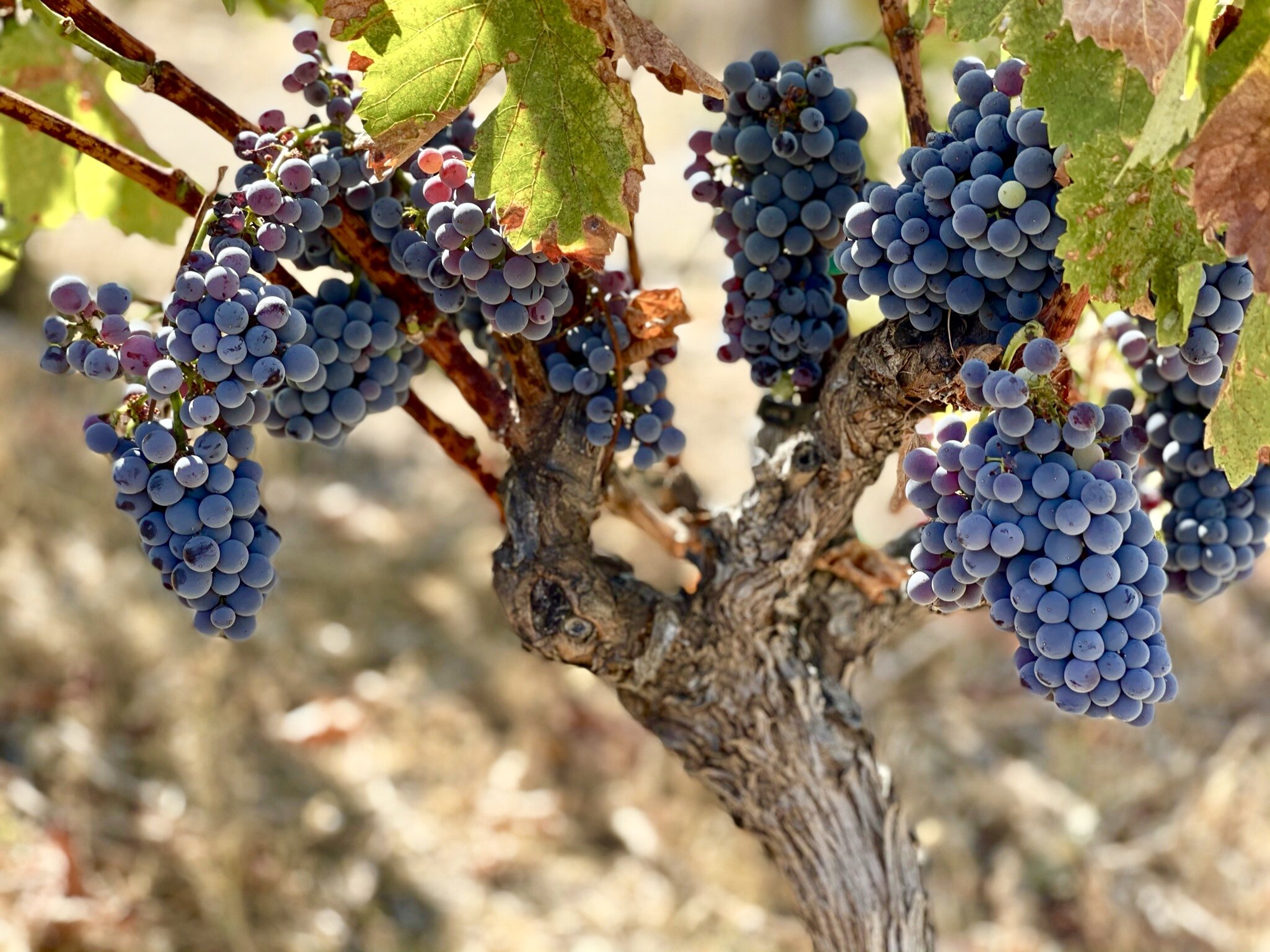
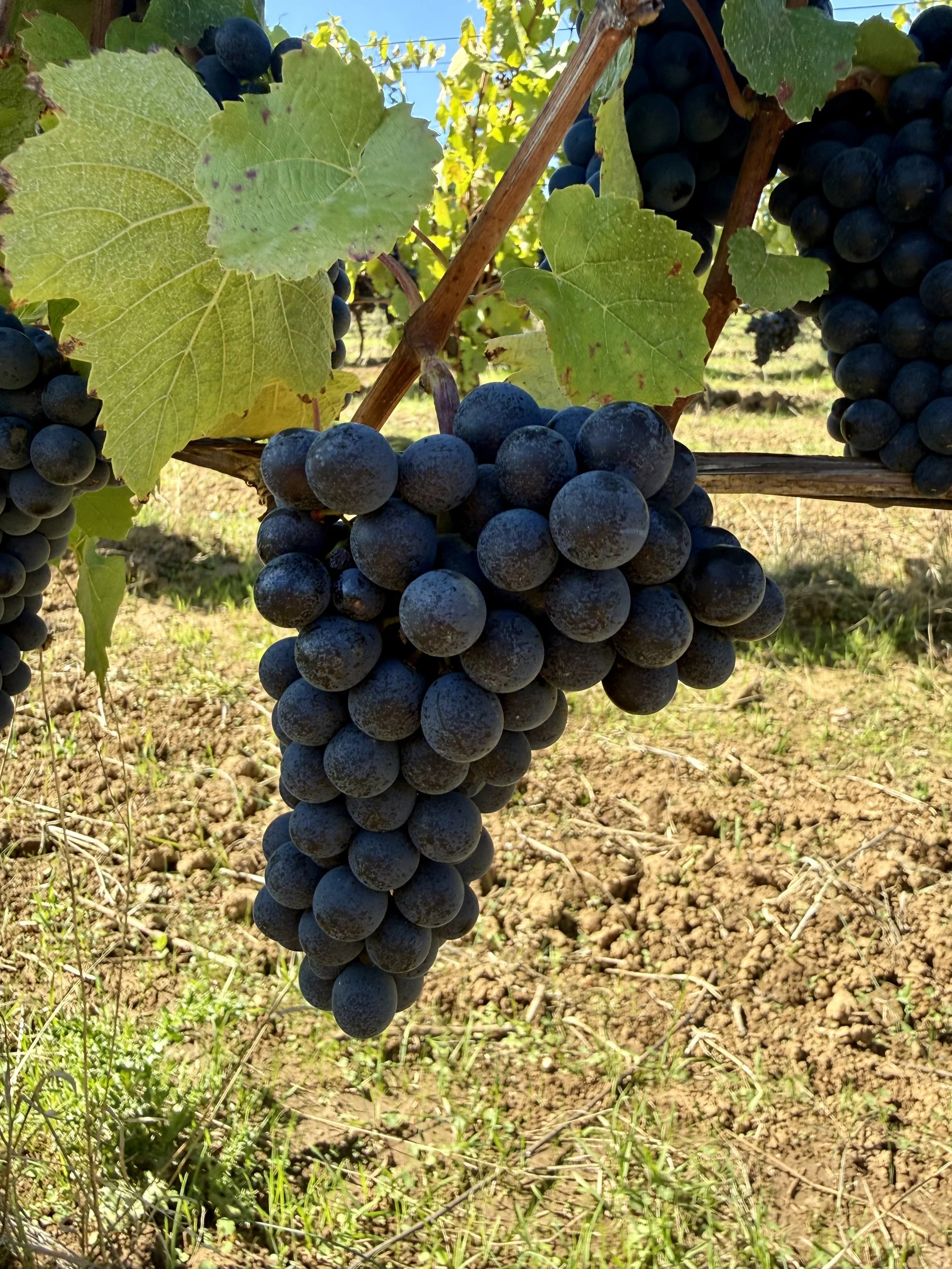
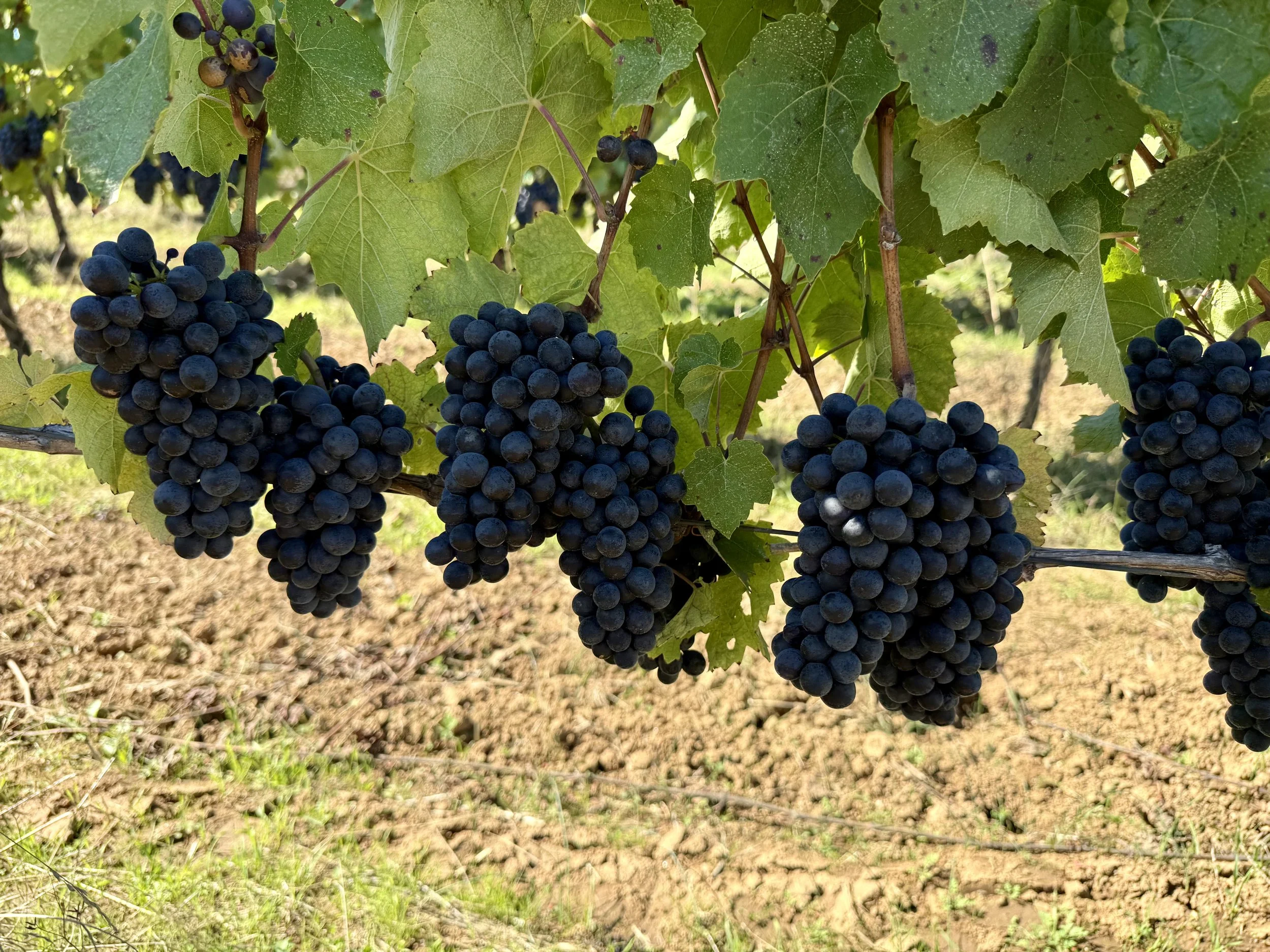
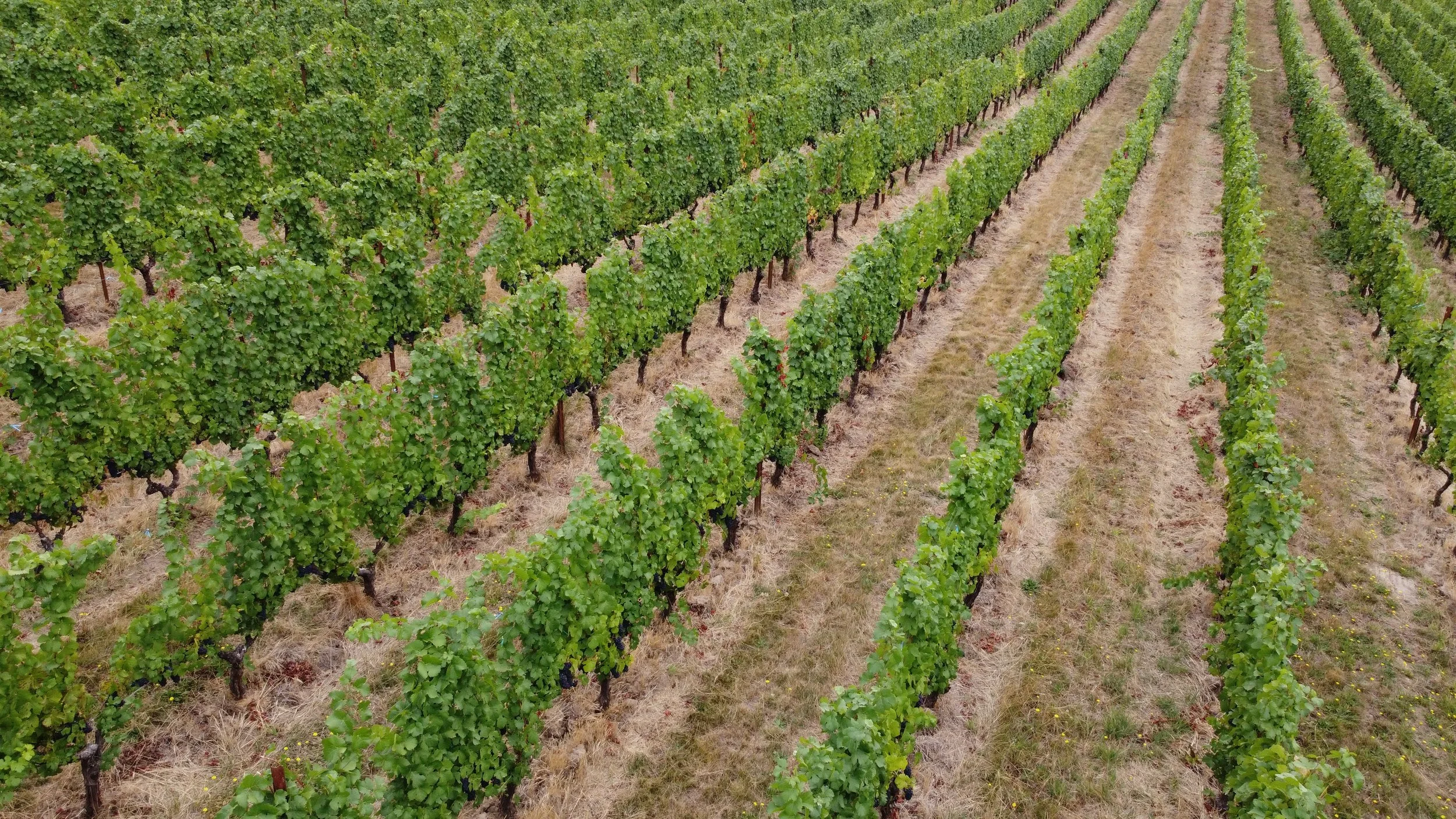
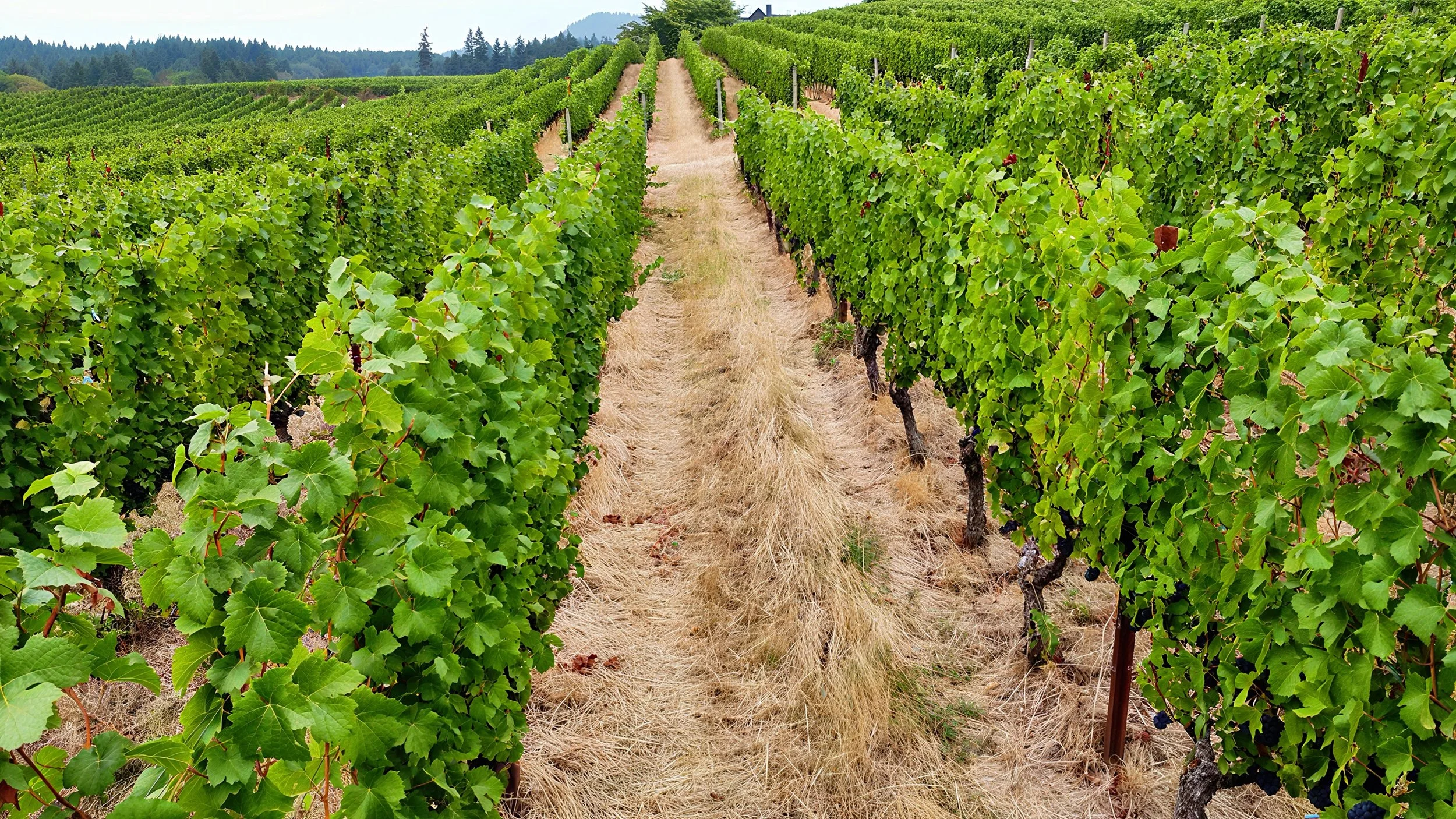
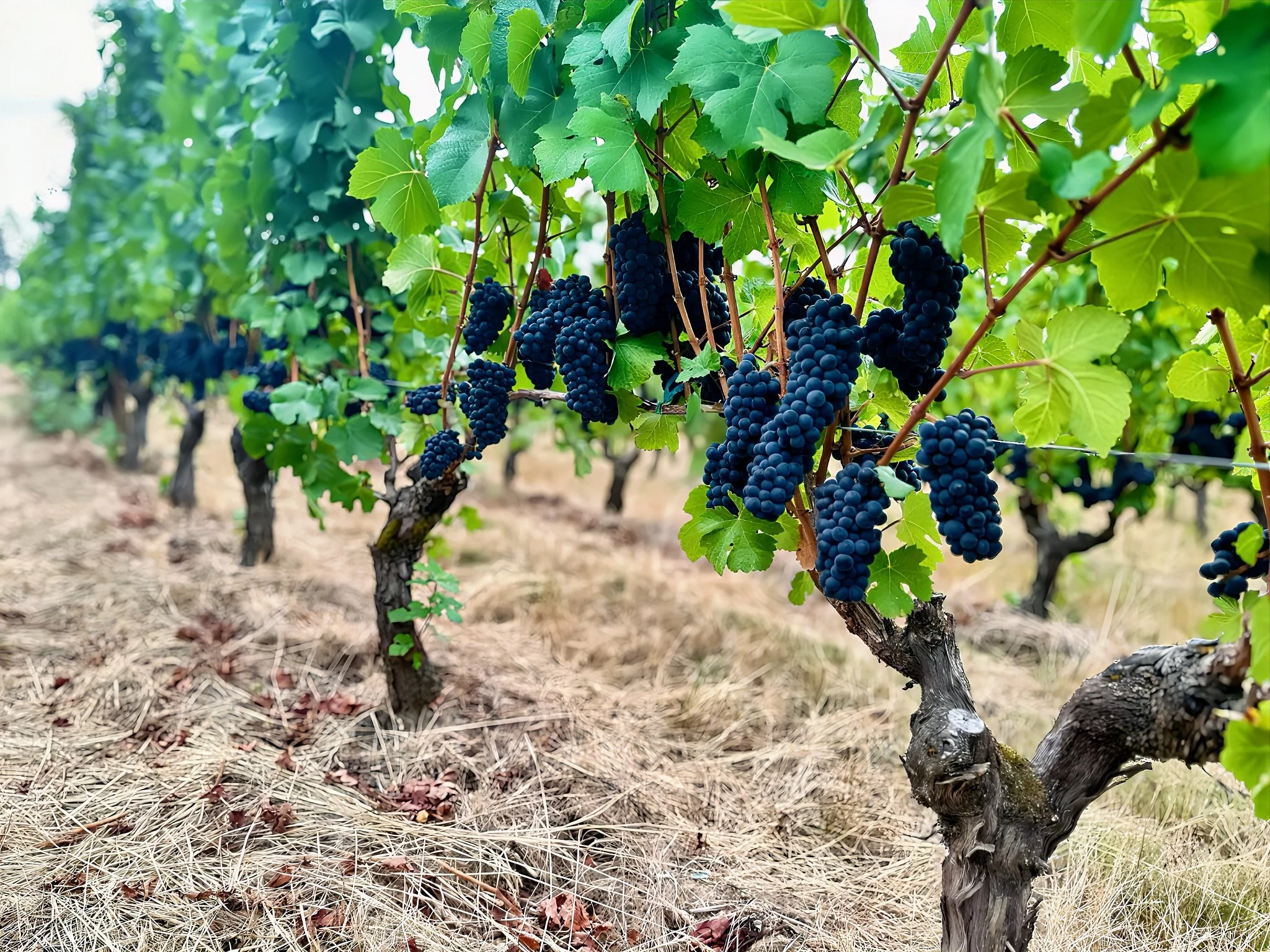
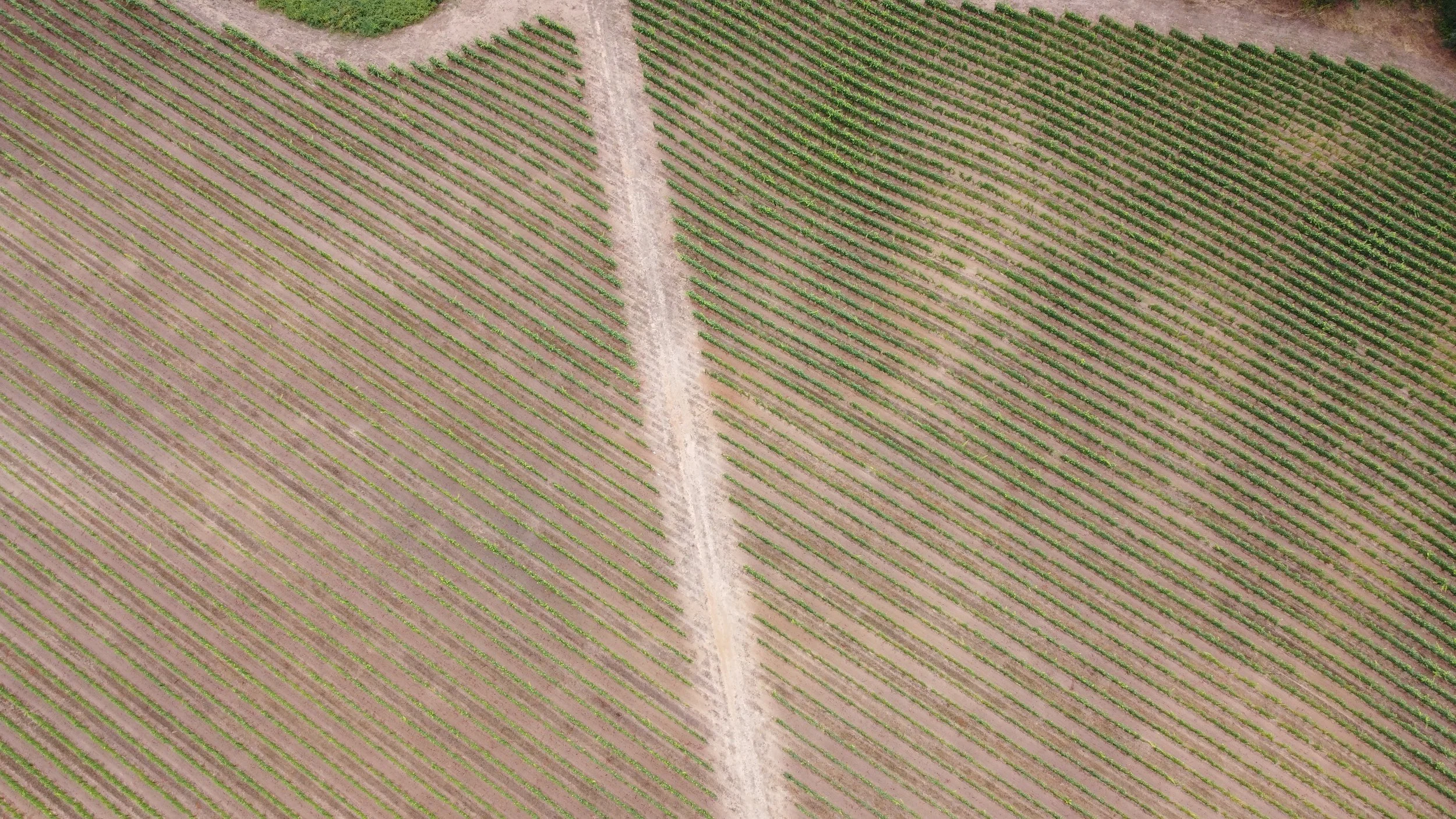
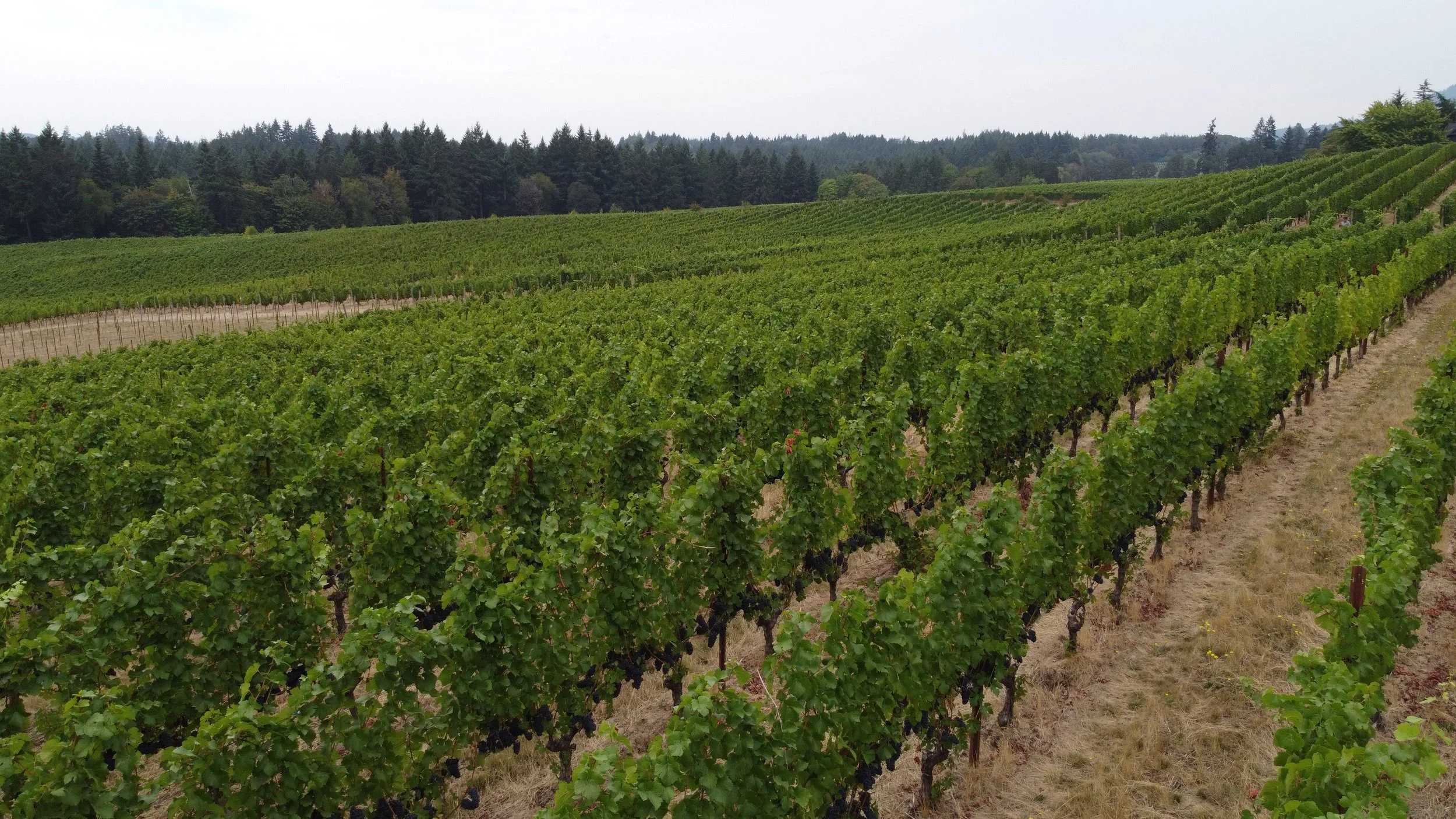
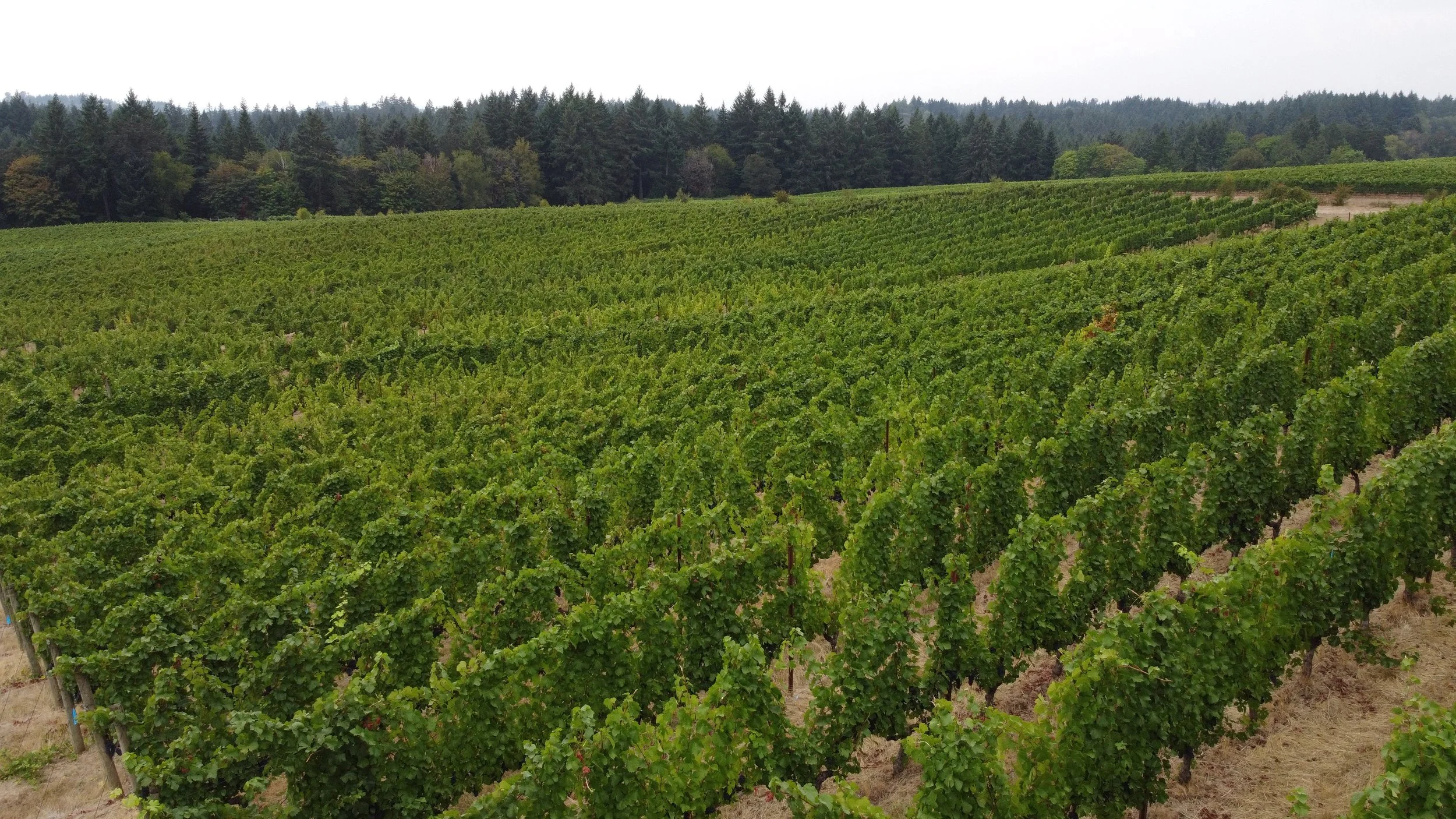
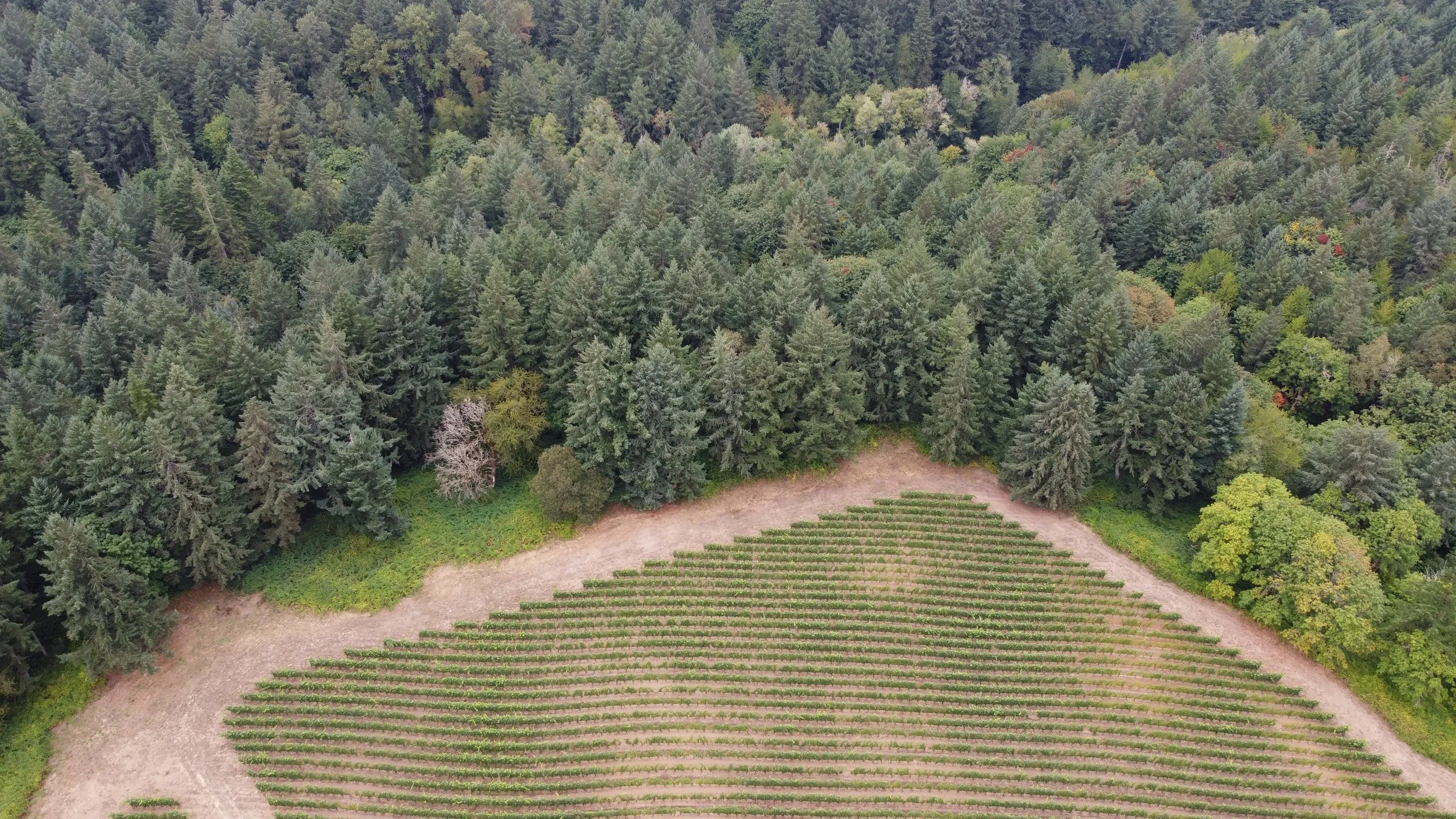
The Domingo Vineyard was planted at the foot of the Dundee Hills in 2012 by Jesús Guillén, the vineyard manager for White Rose Estate. The vines are 100% Pommard clone planted on rootstock 3309. Yields are typically 2 tons per acre.