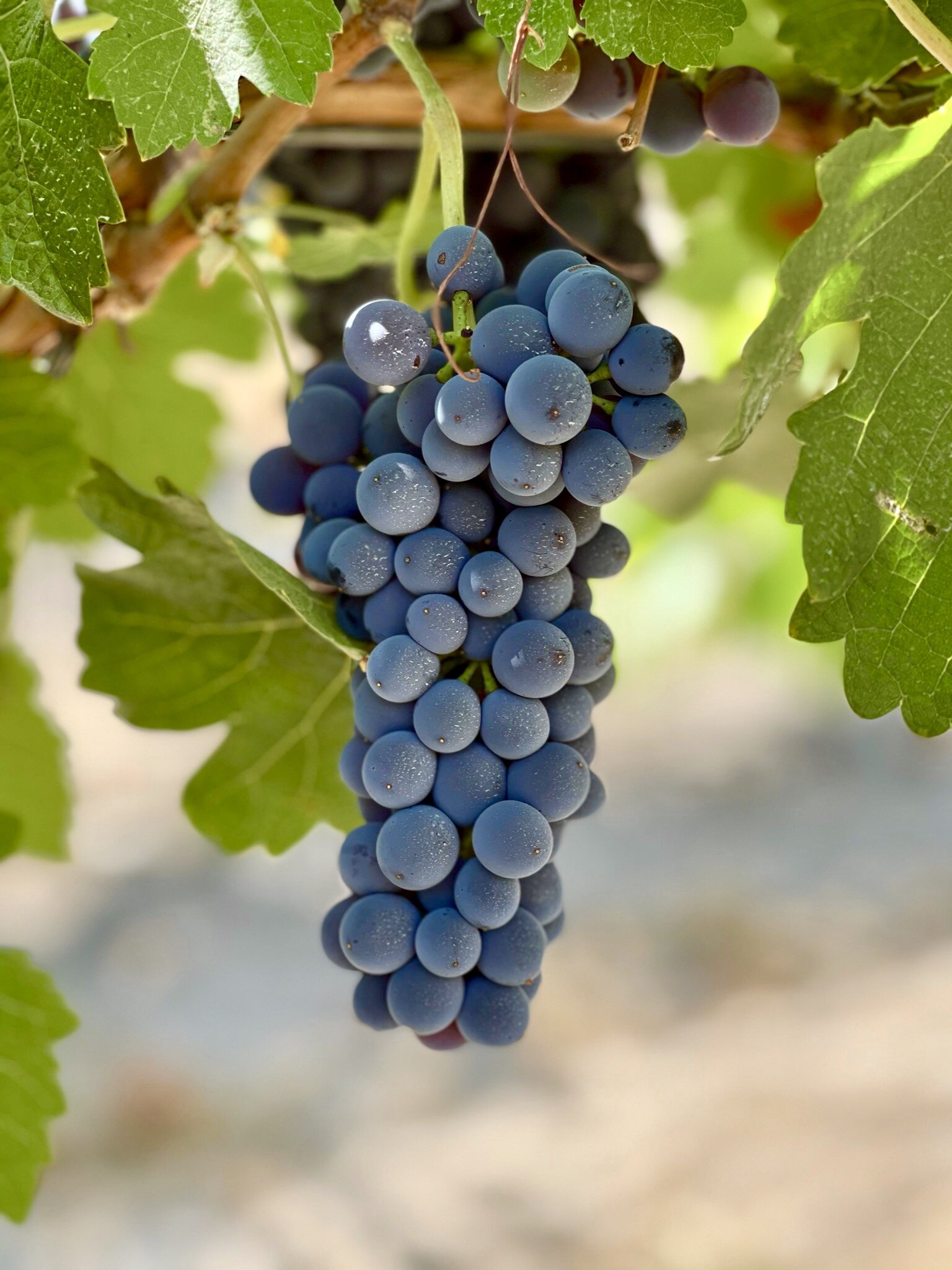
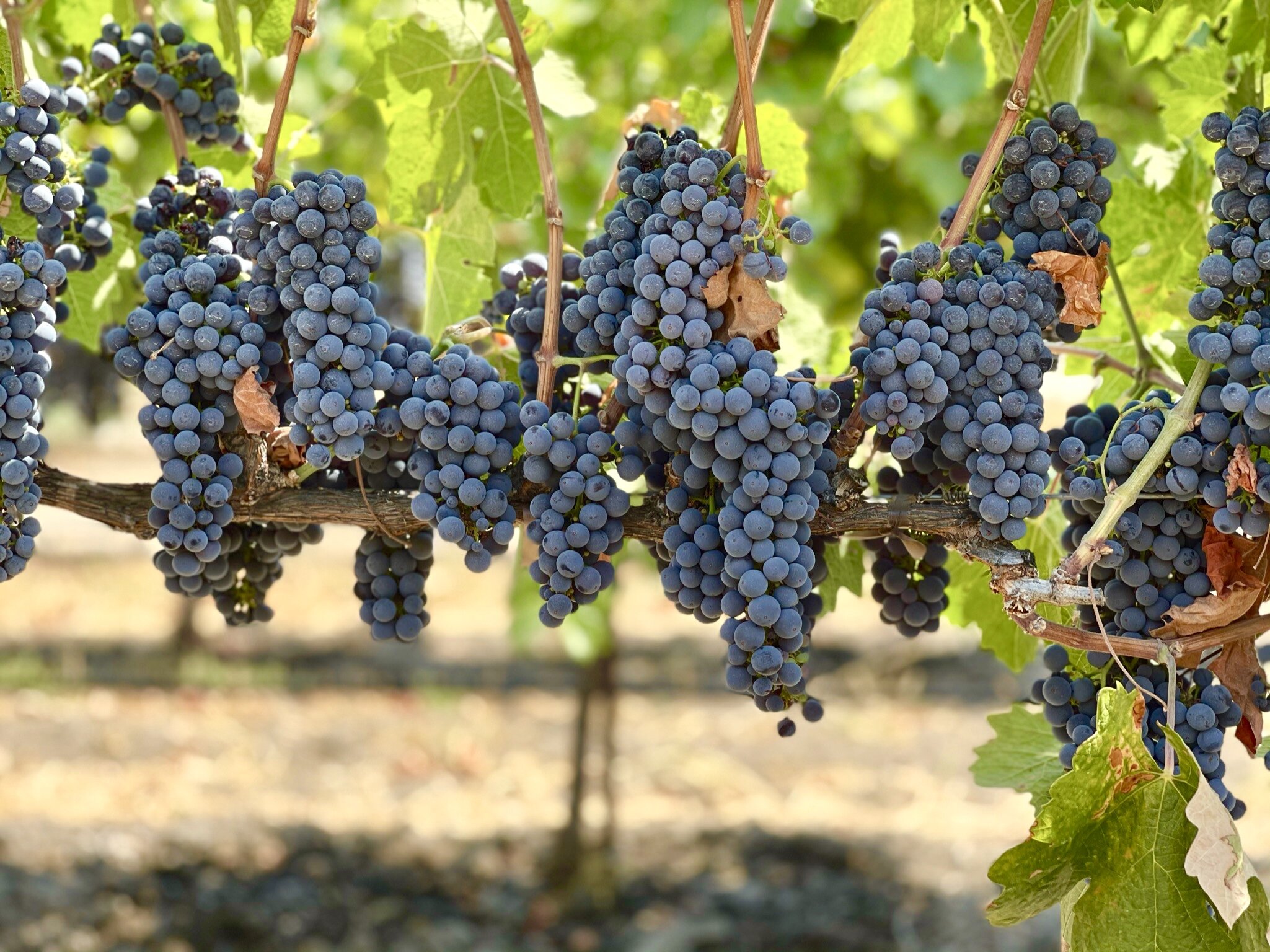
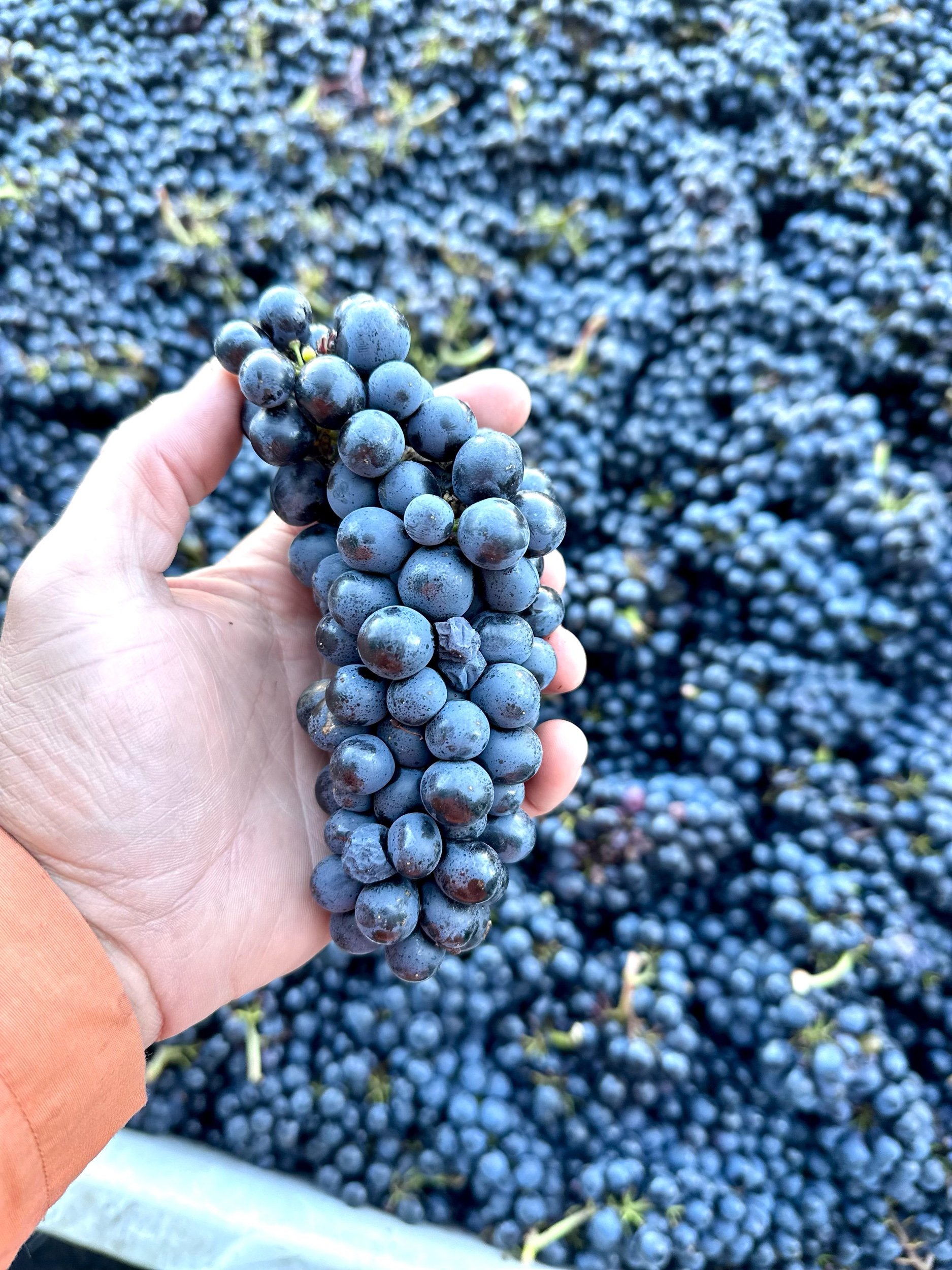
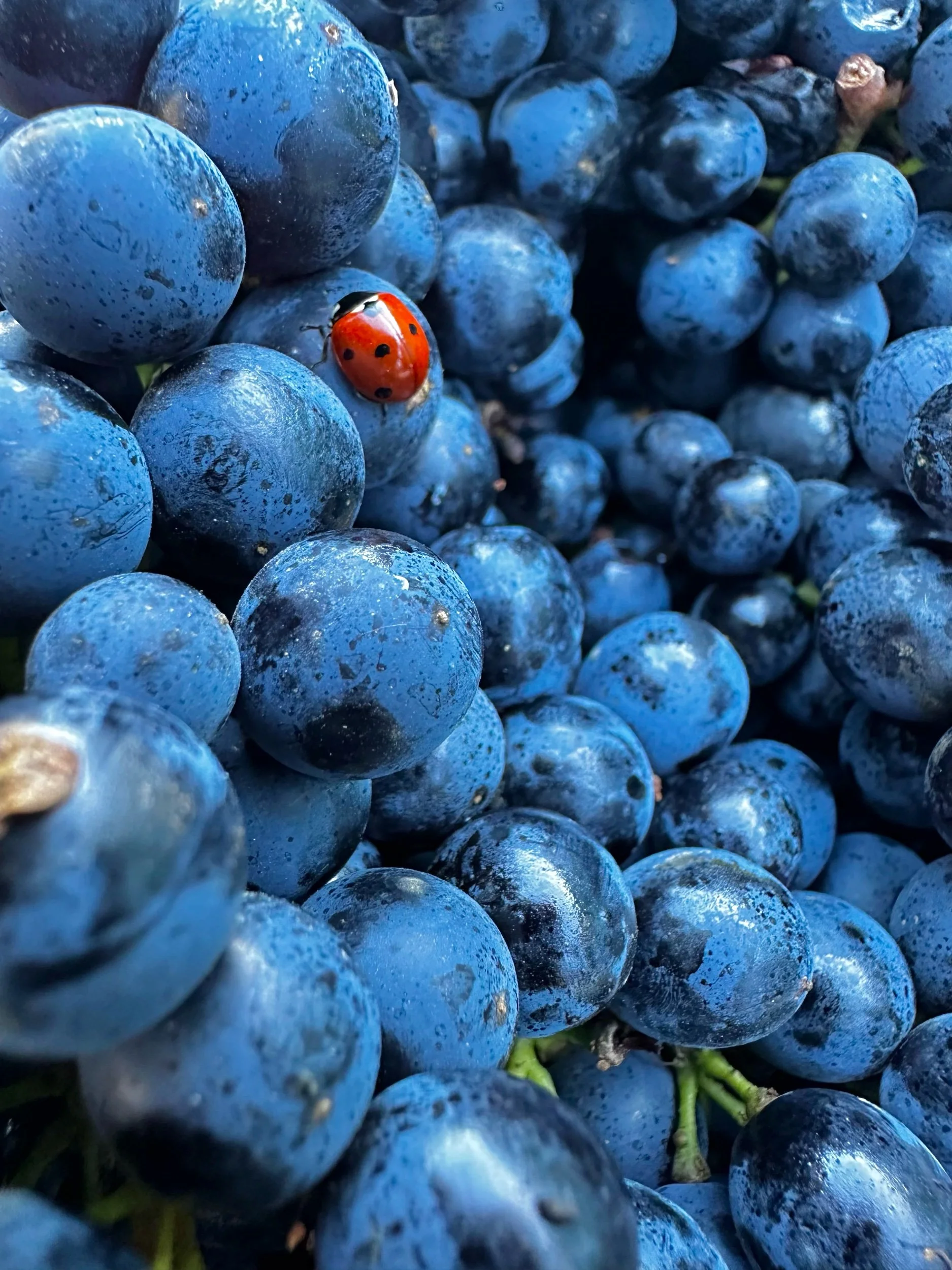
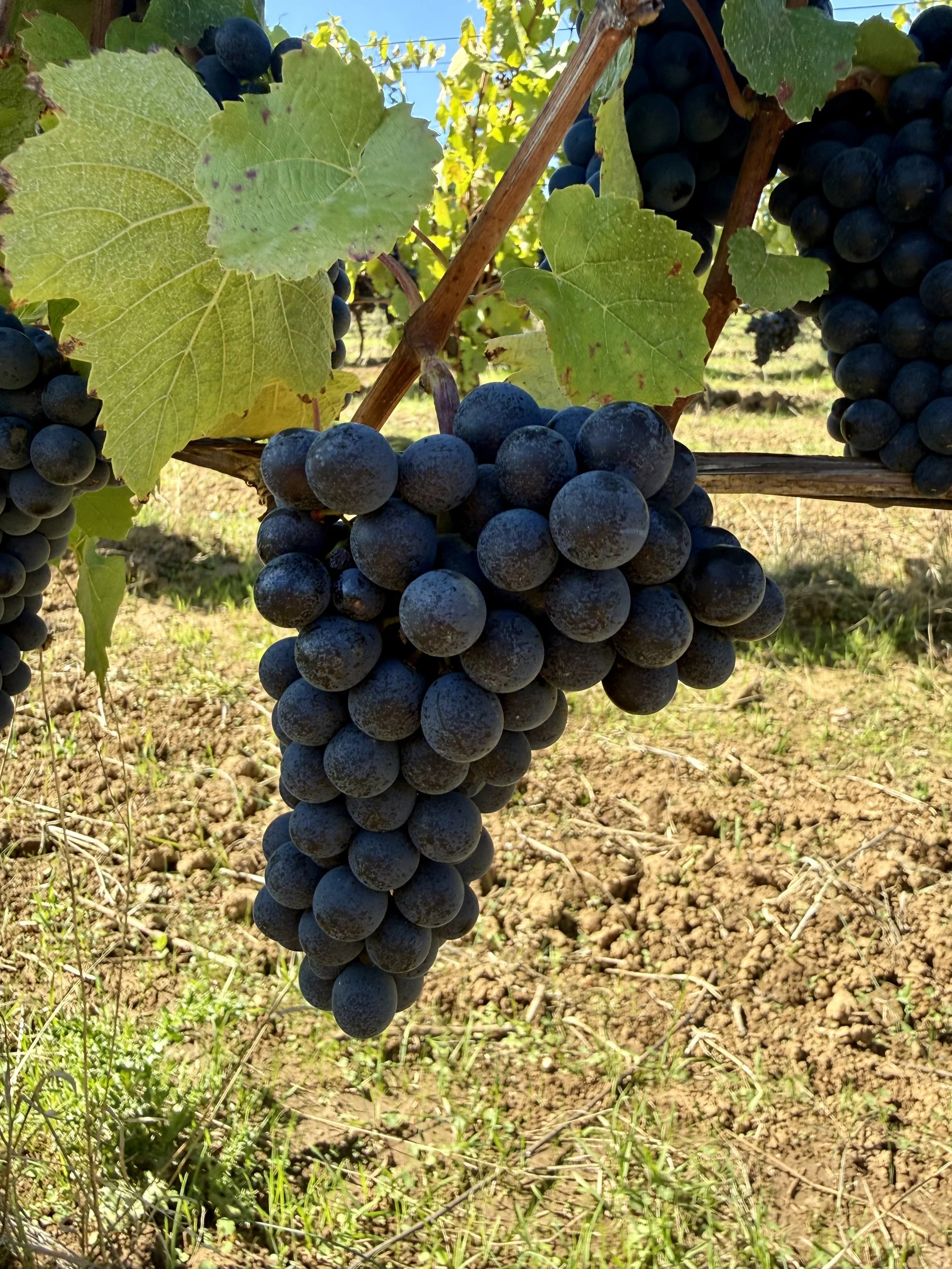
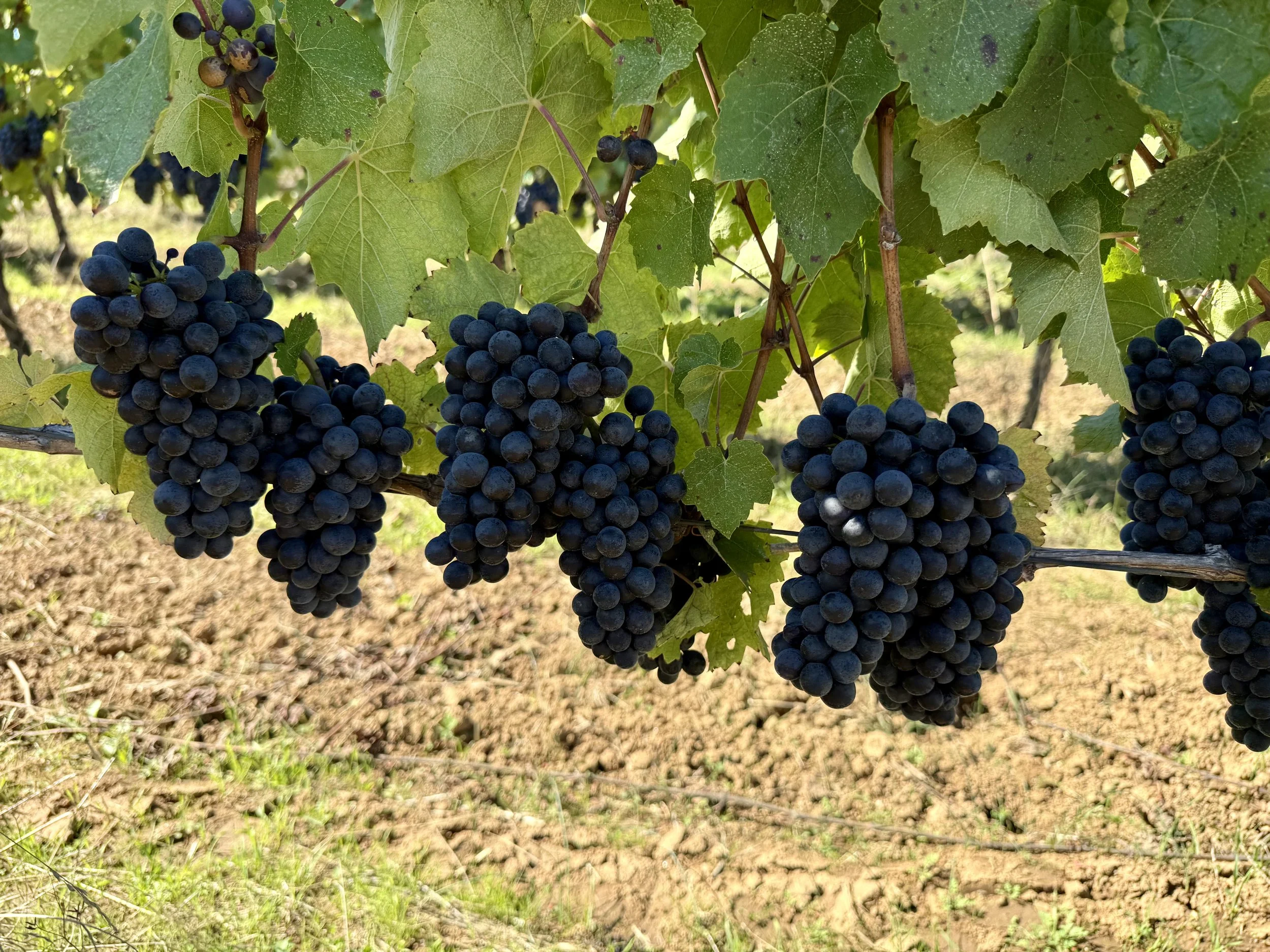
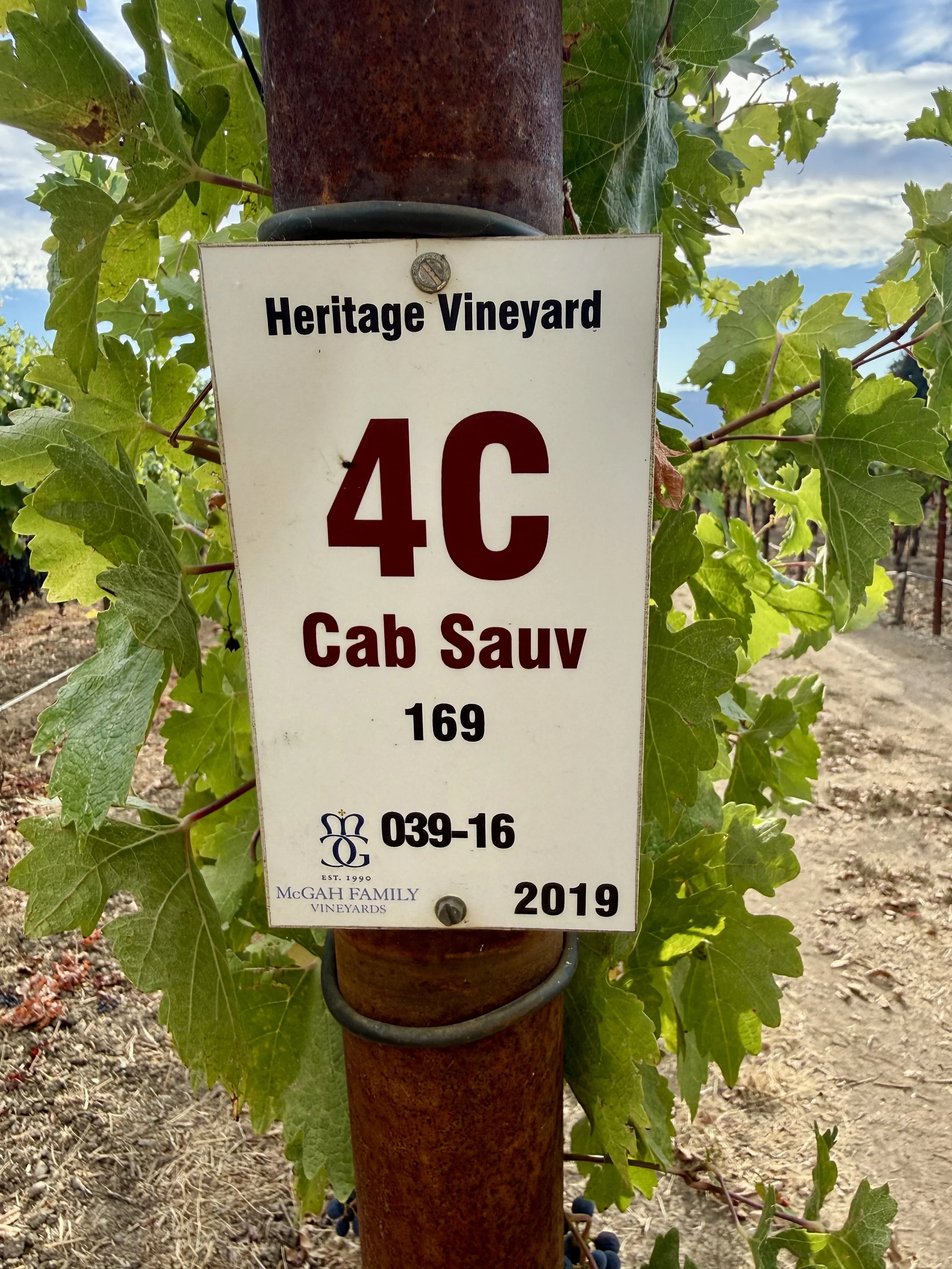
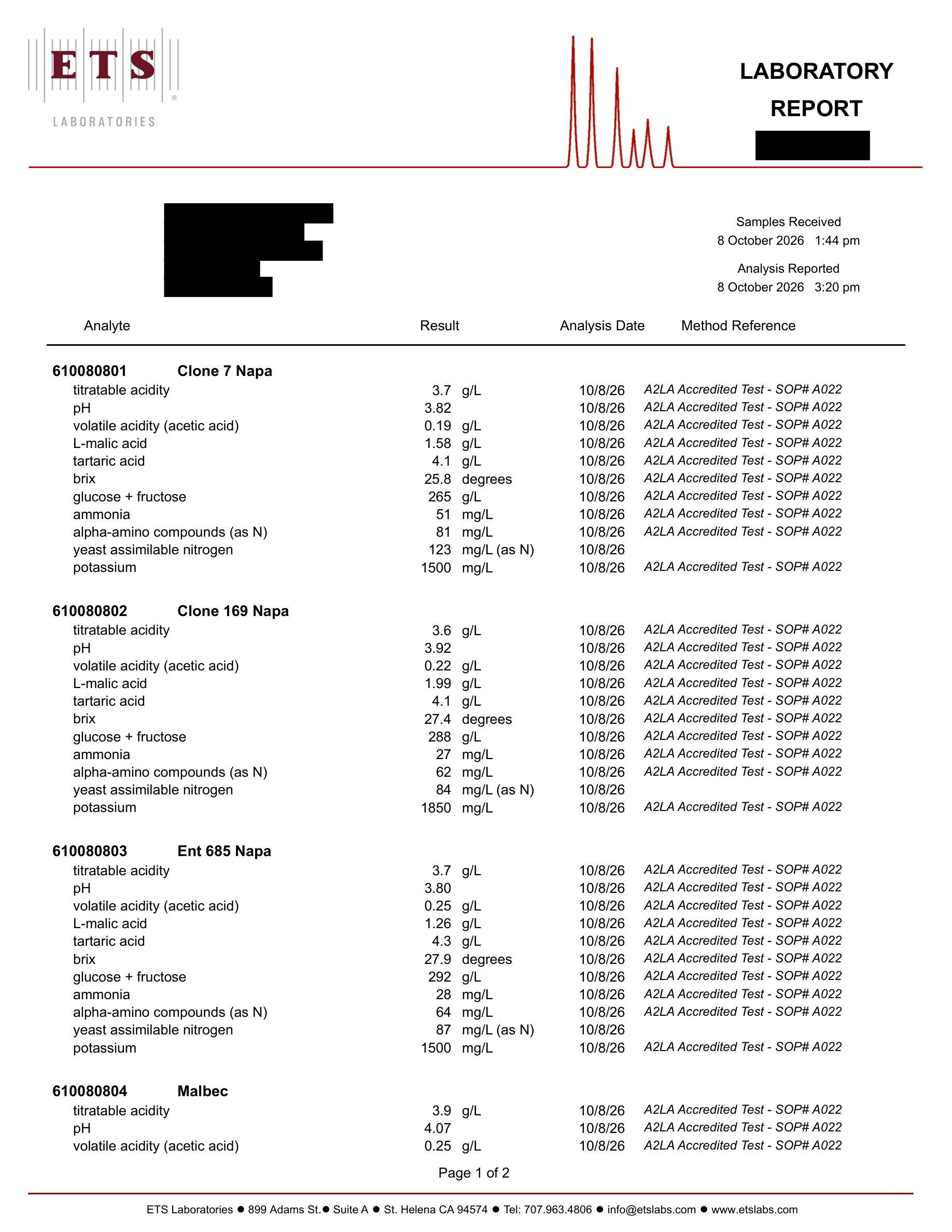
Each pail includes five gallons of grape must. Product will arrive partially frozen.
Livermore Valley, California
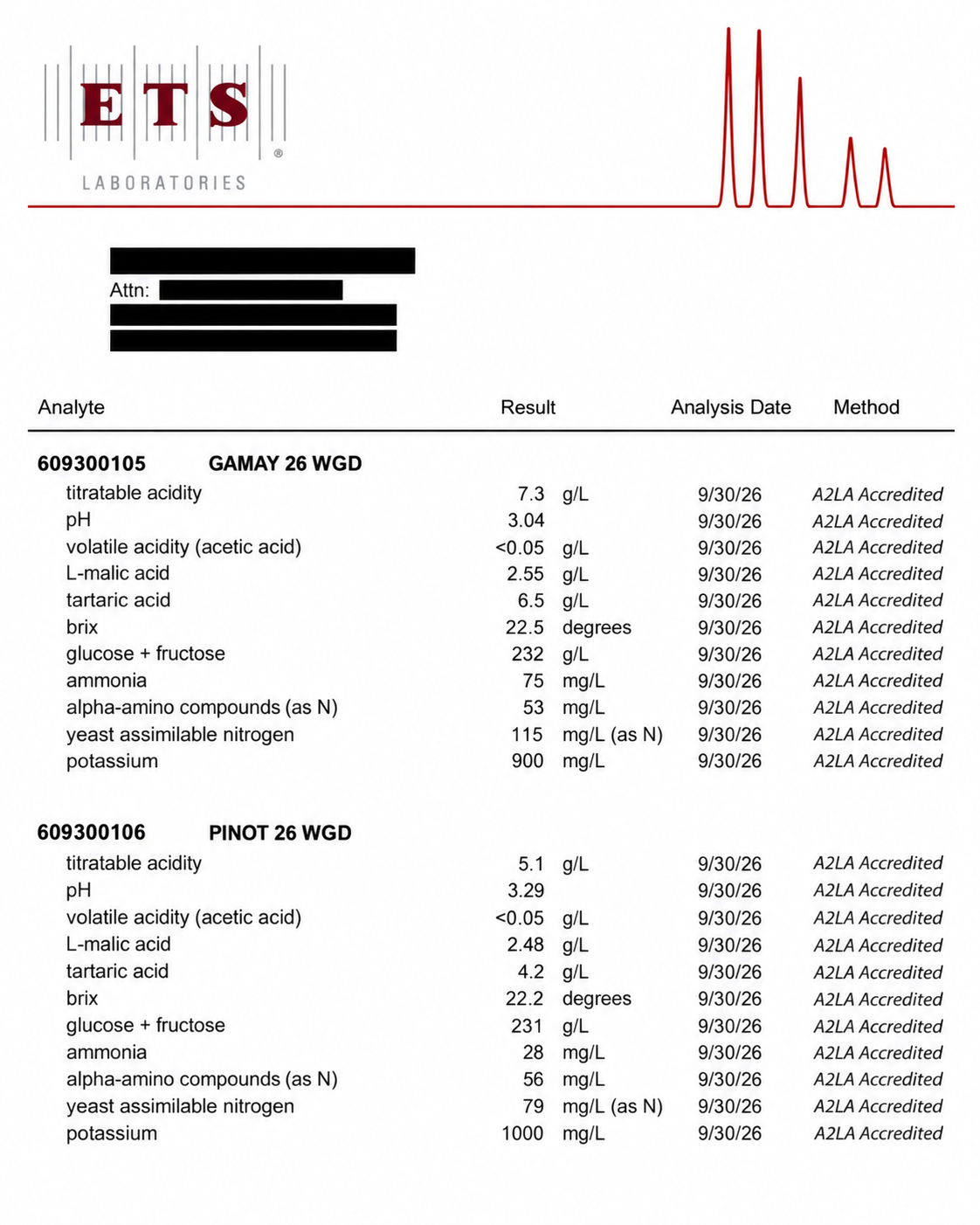
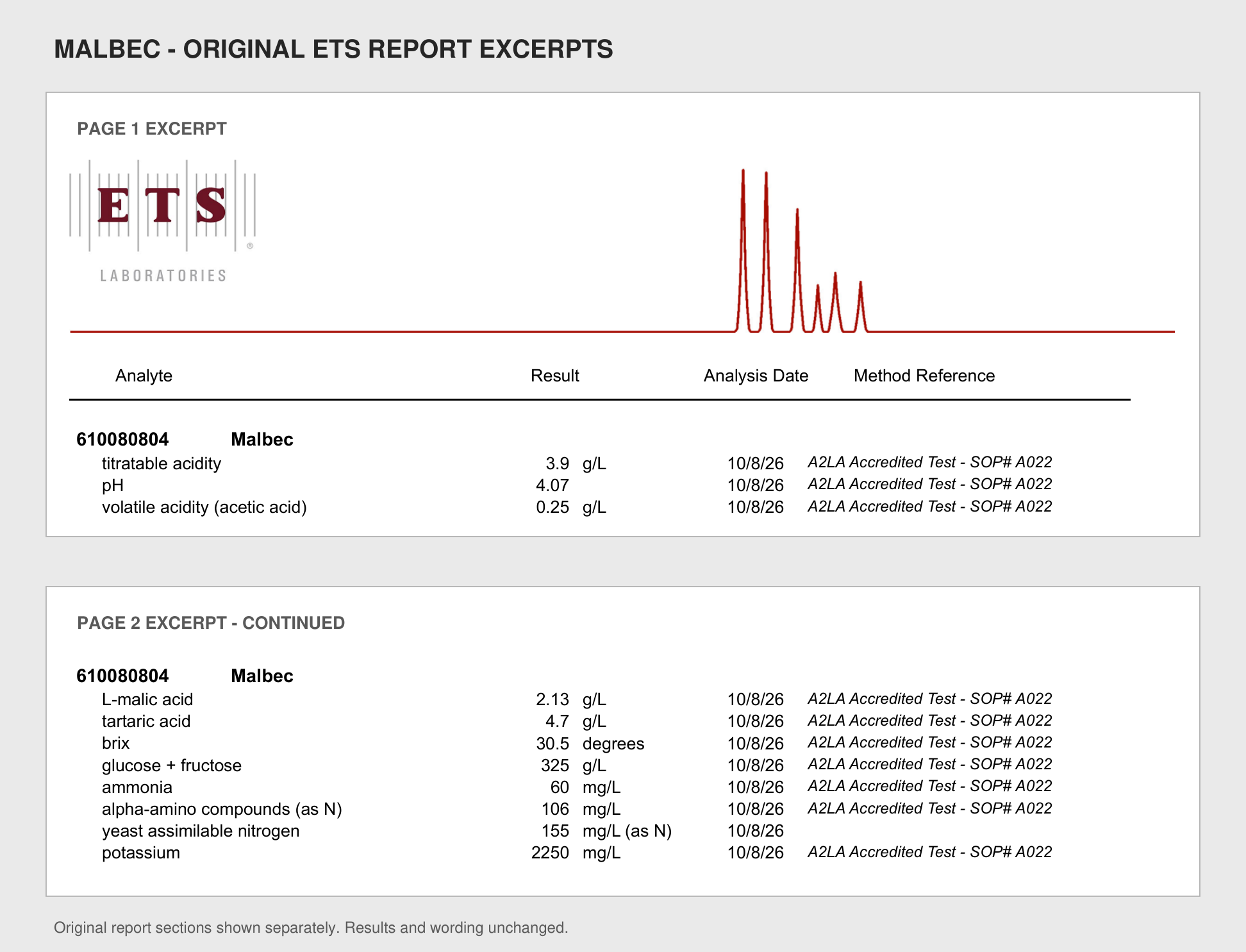
Brix: 23.2, pH:3.32, TA: .75
Harvested November 1st, 2018
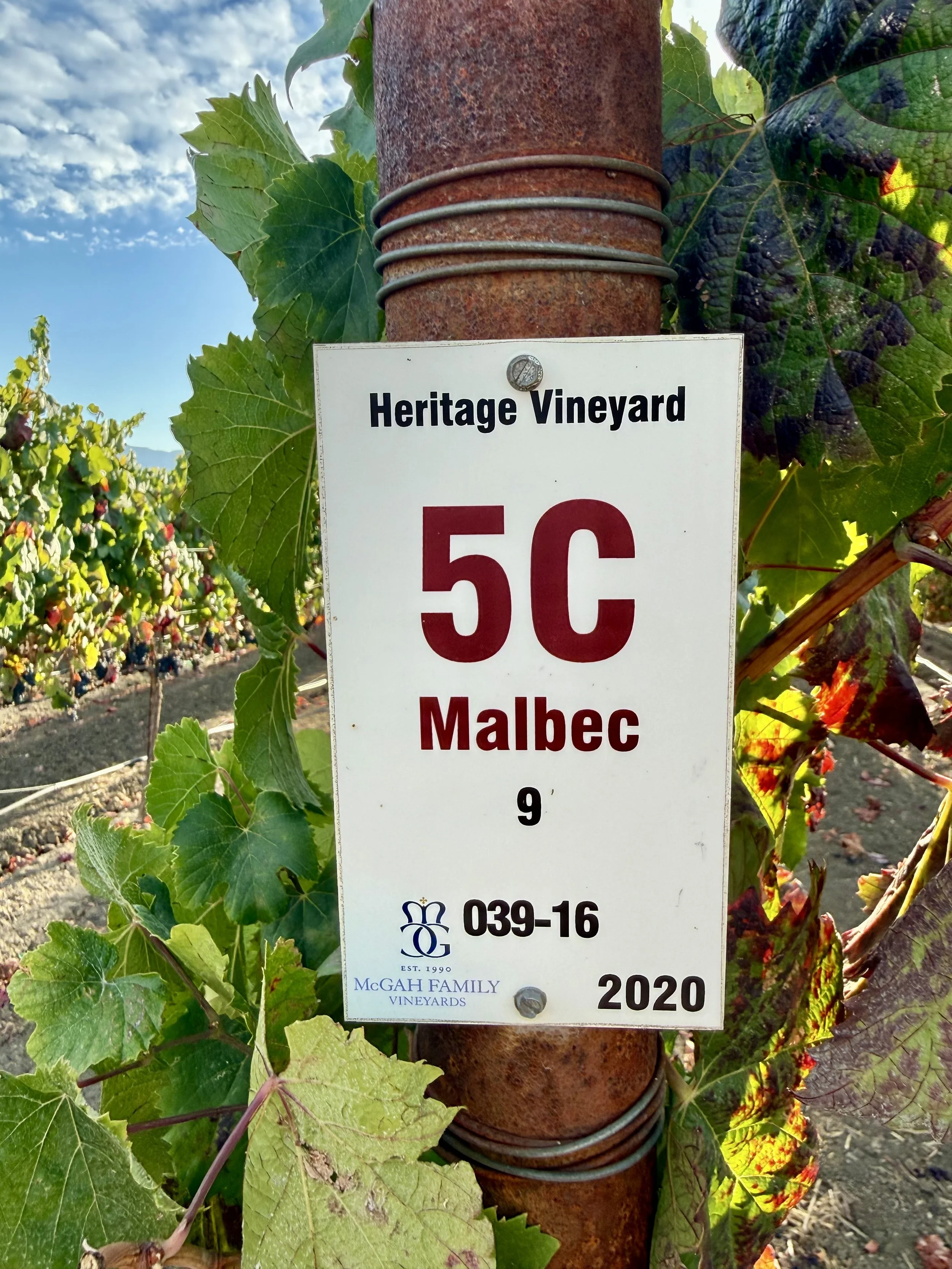
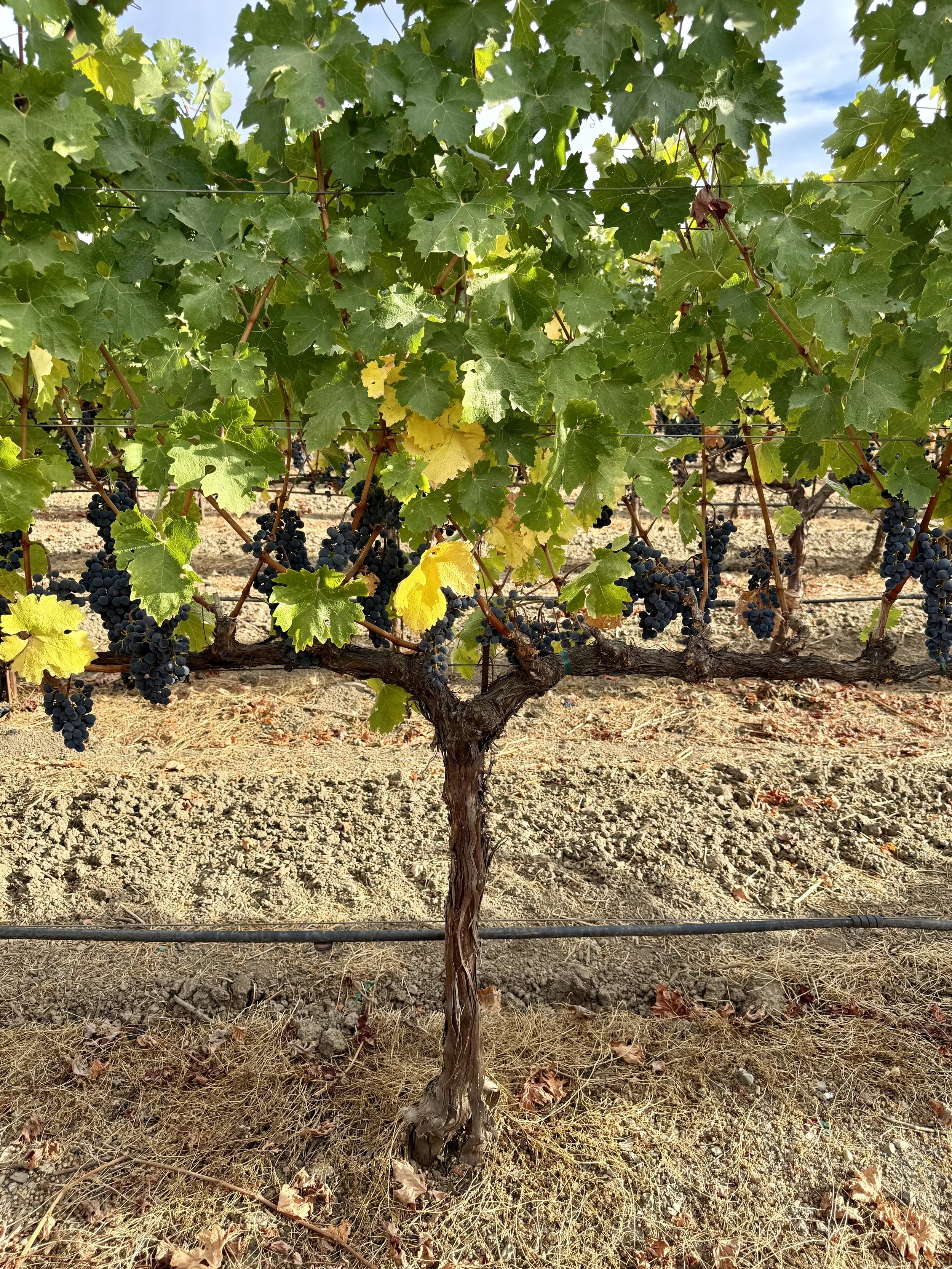
Clone F9 on Rootstock 420A
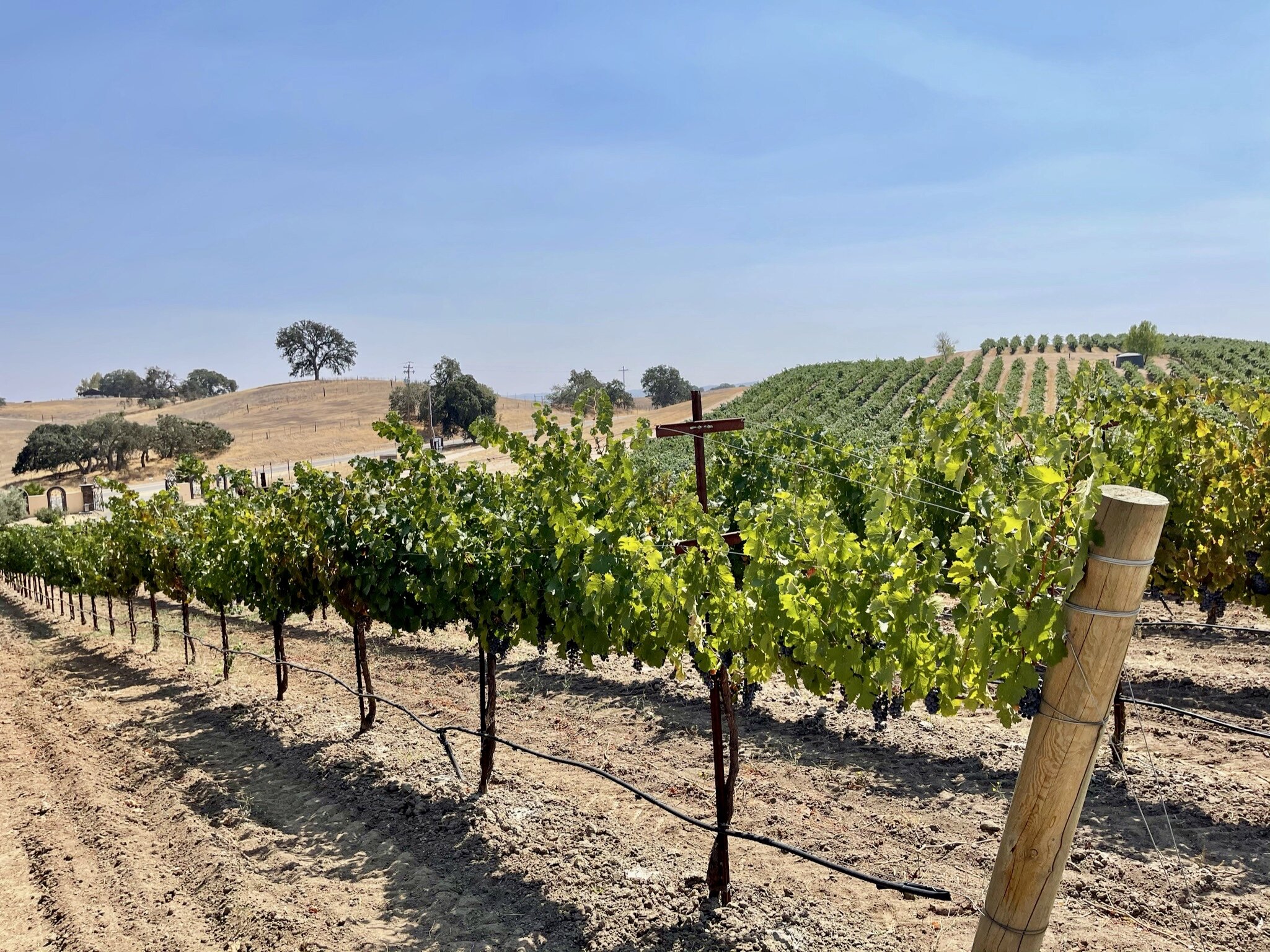
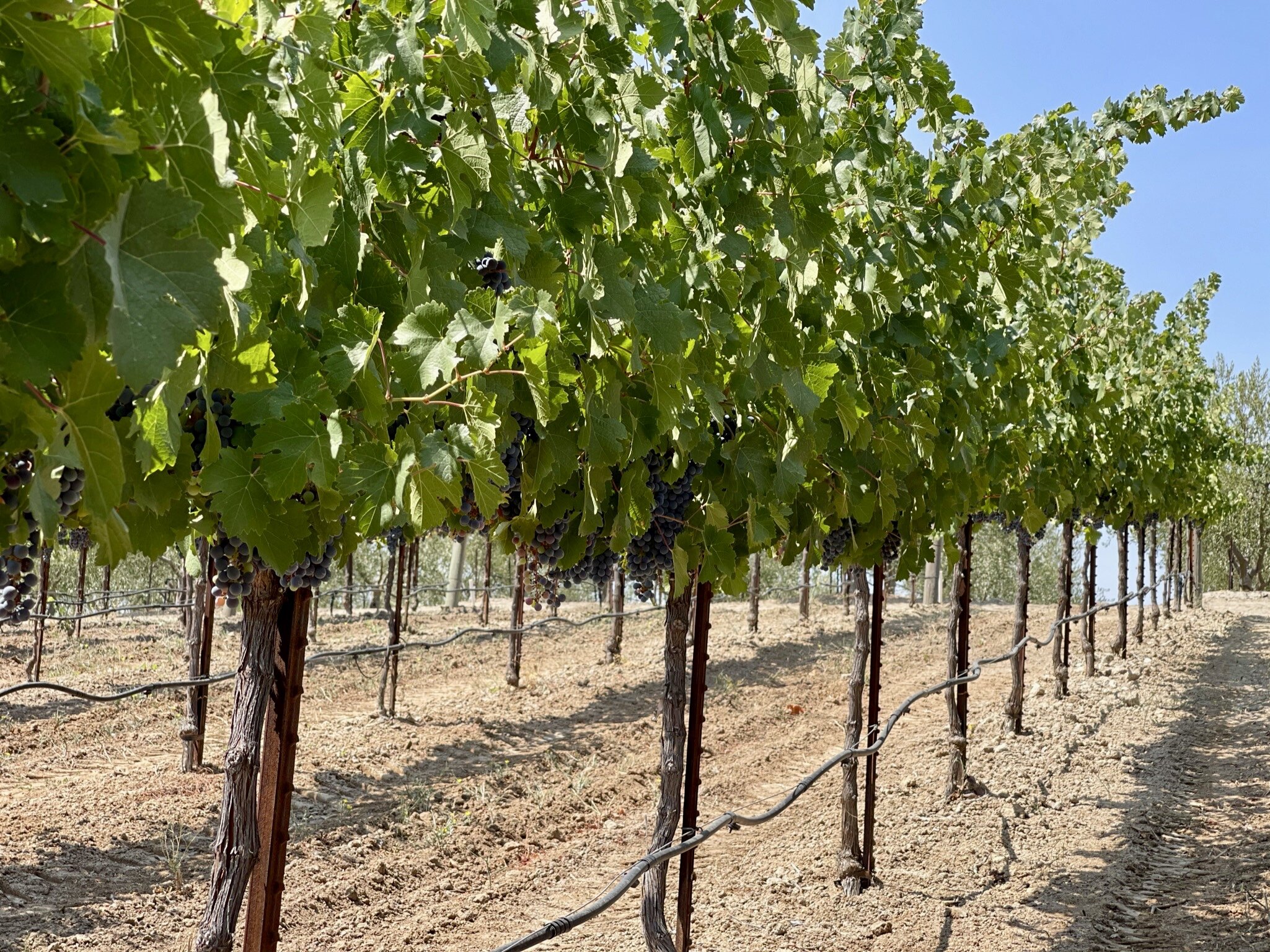
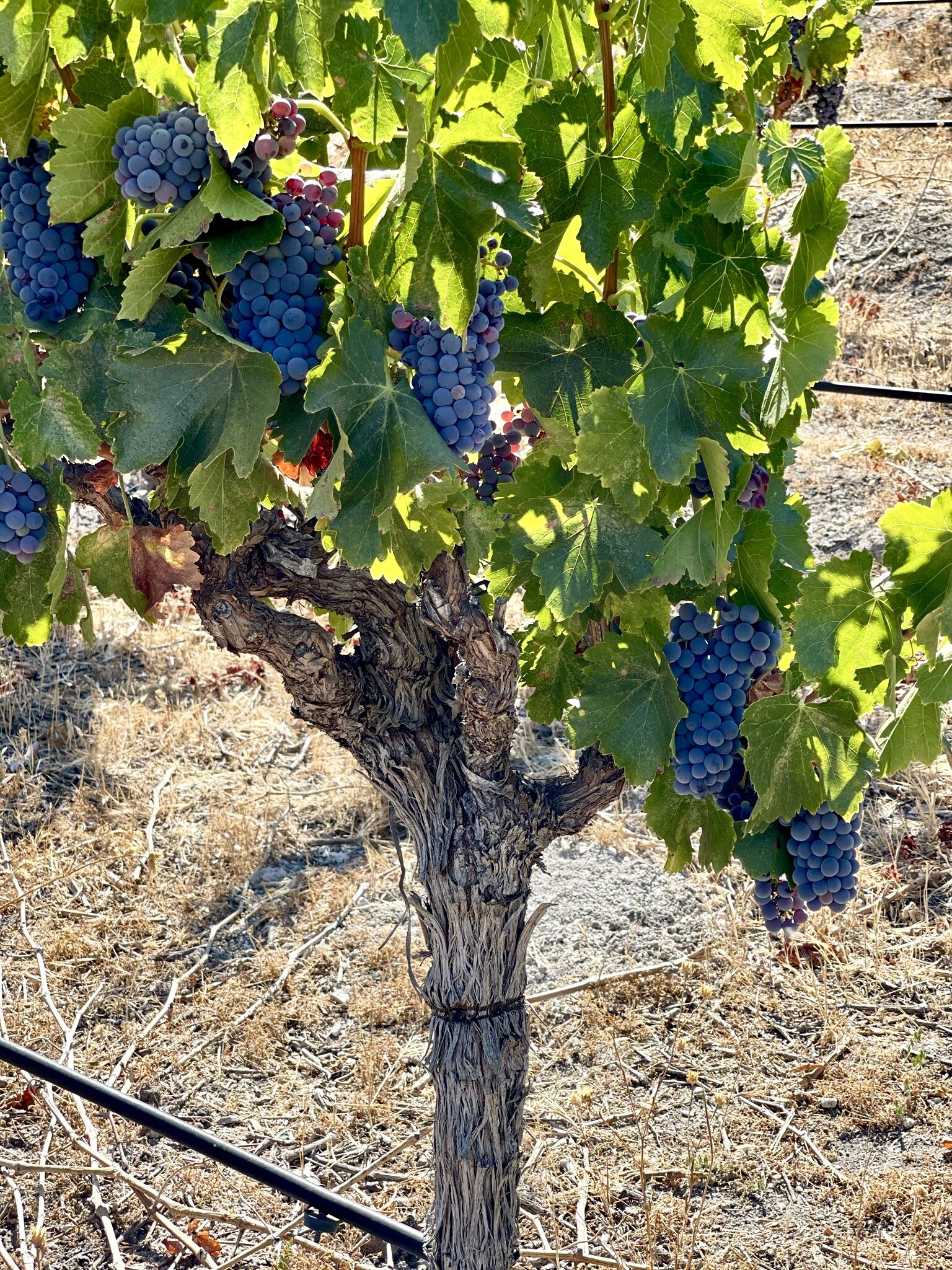
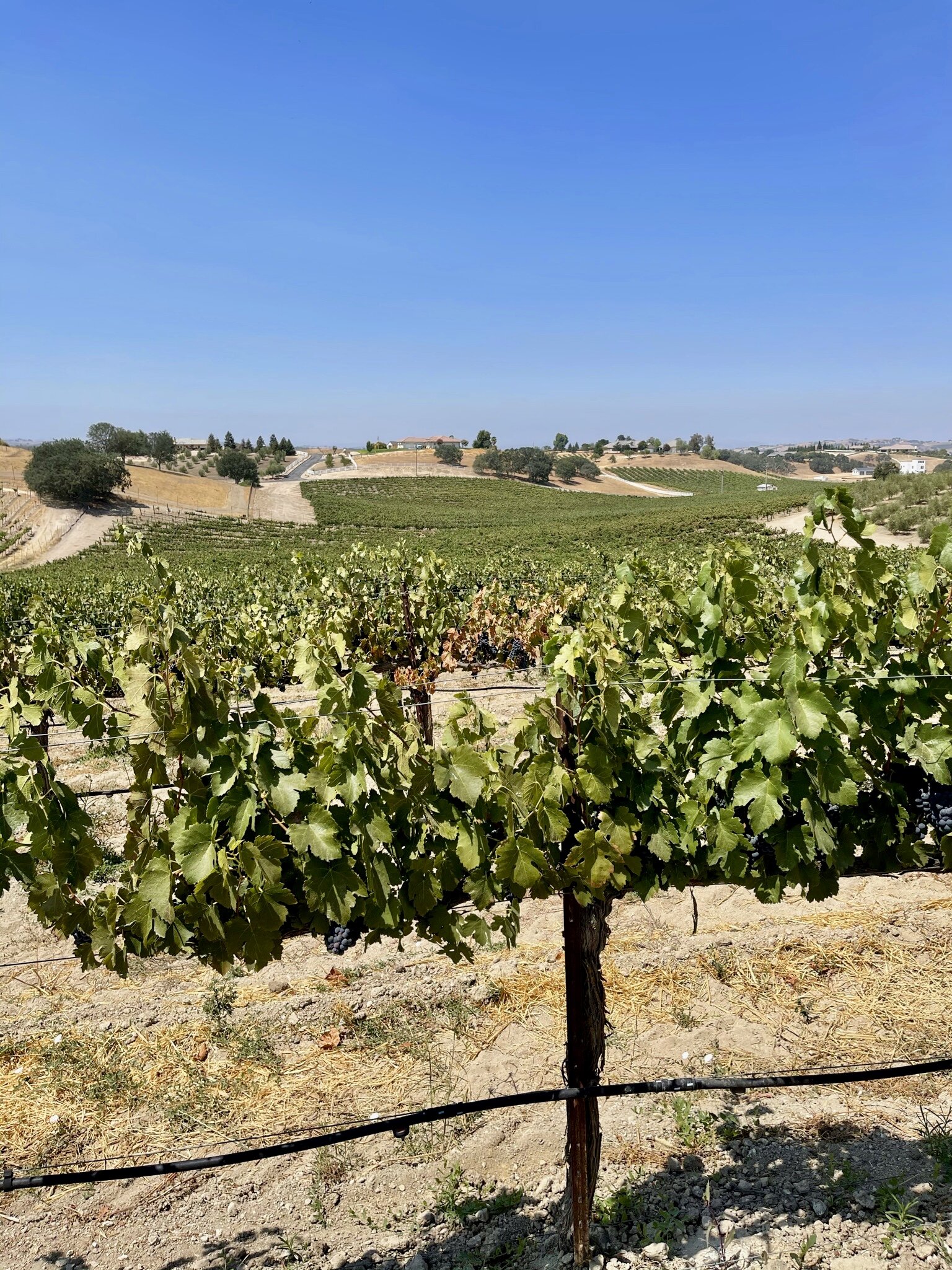
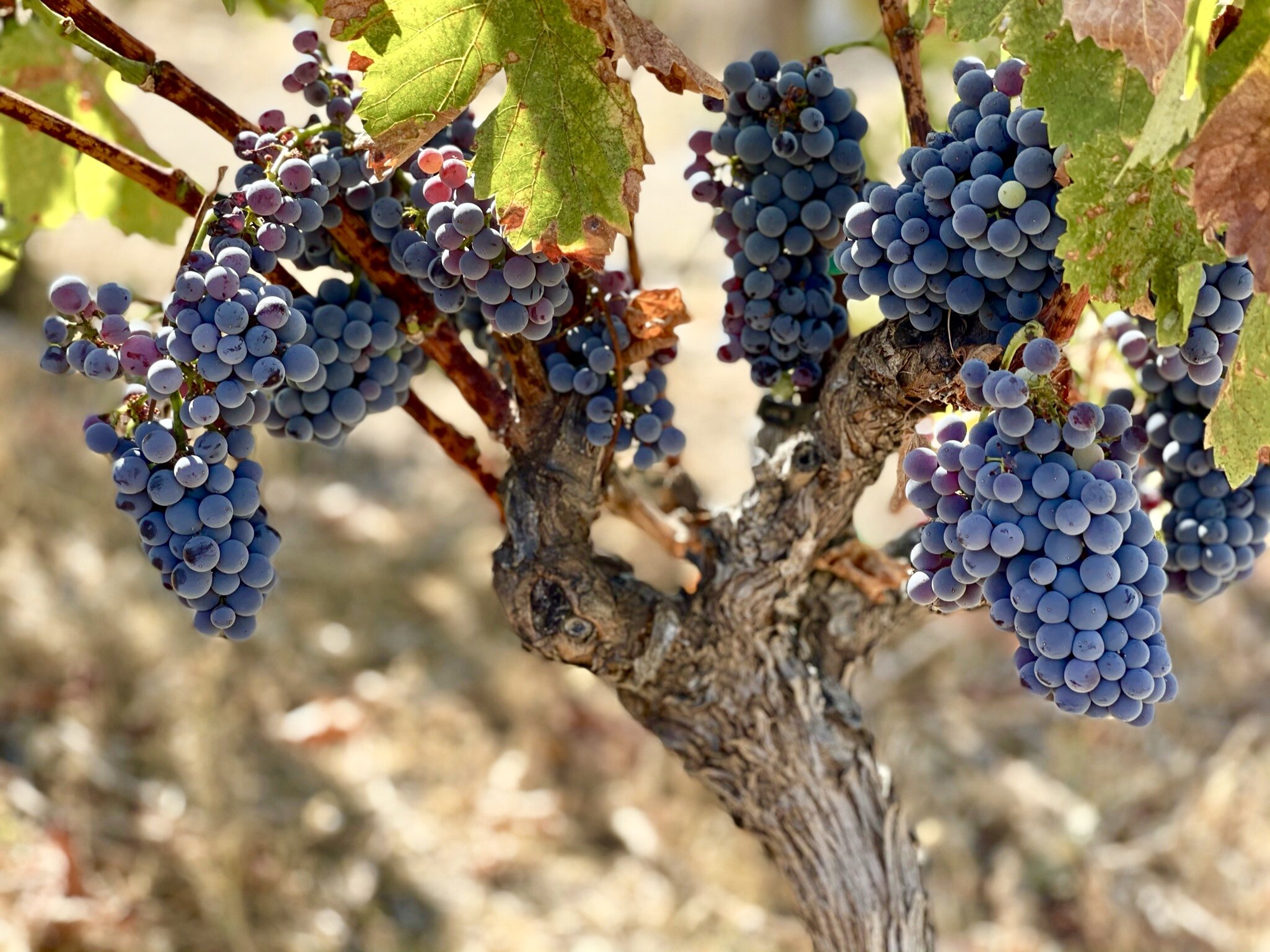
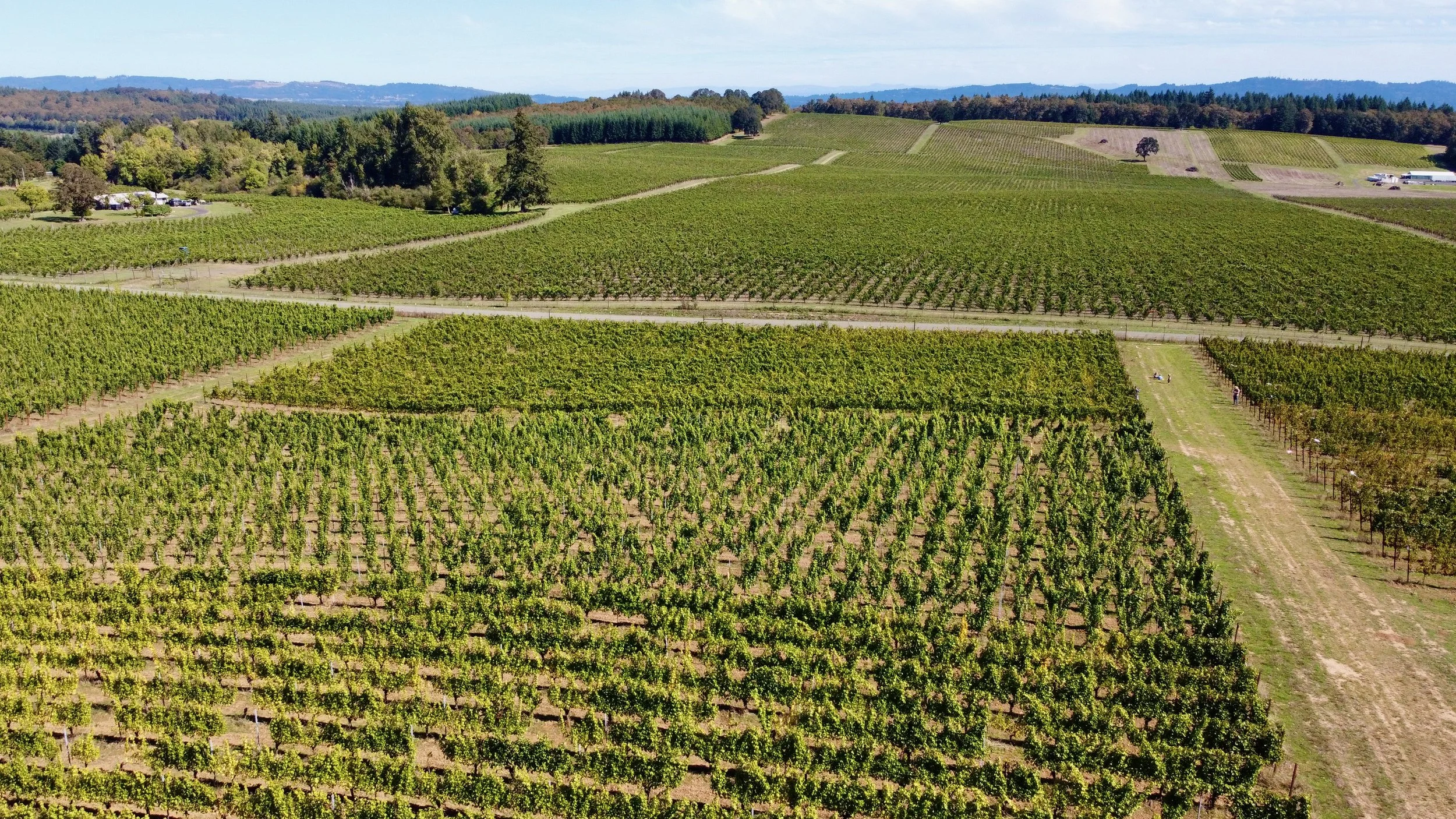
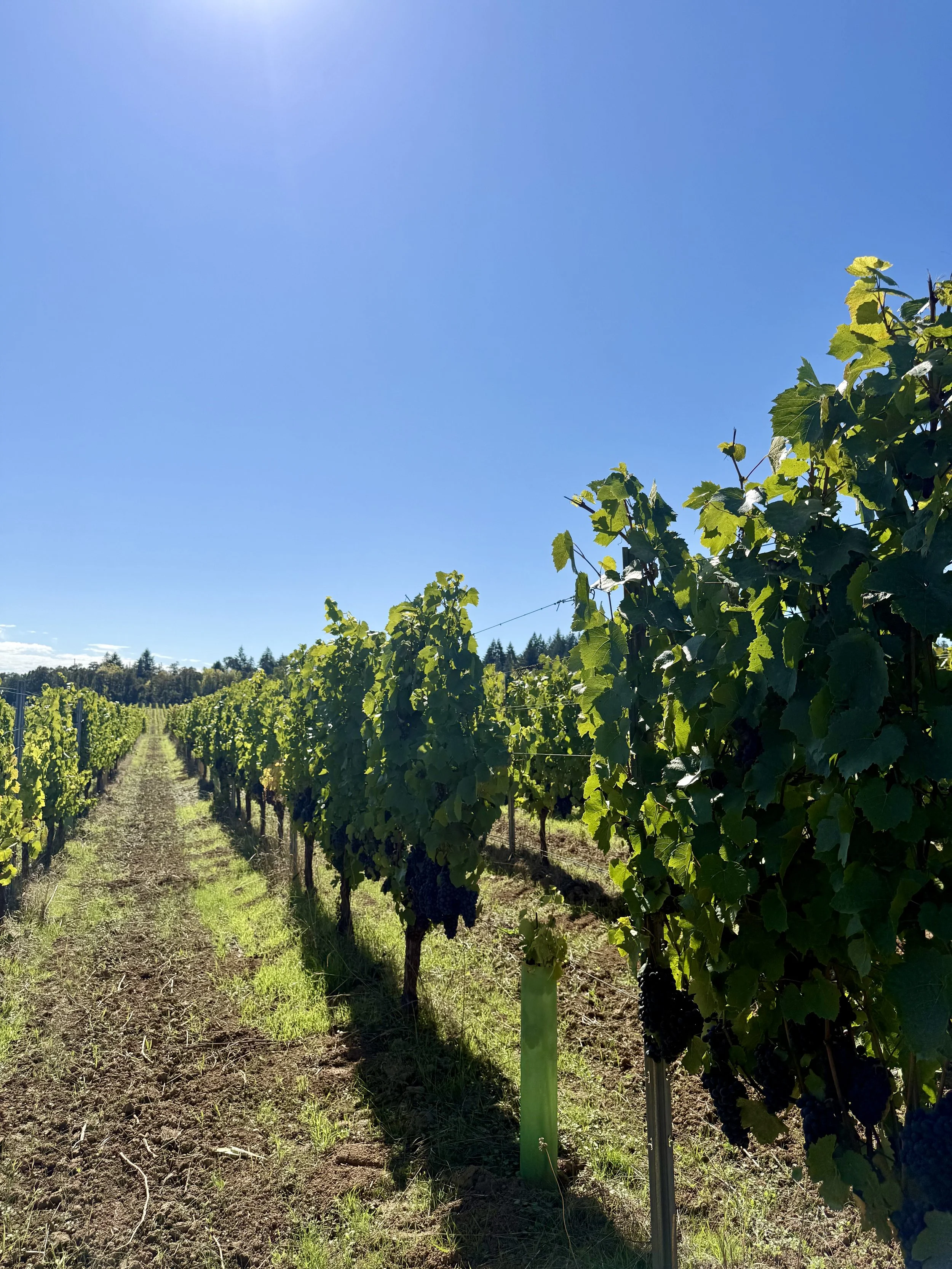
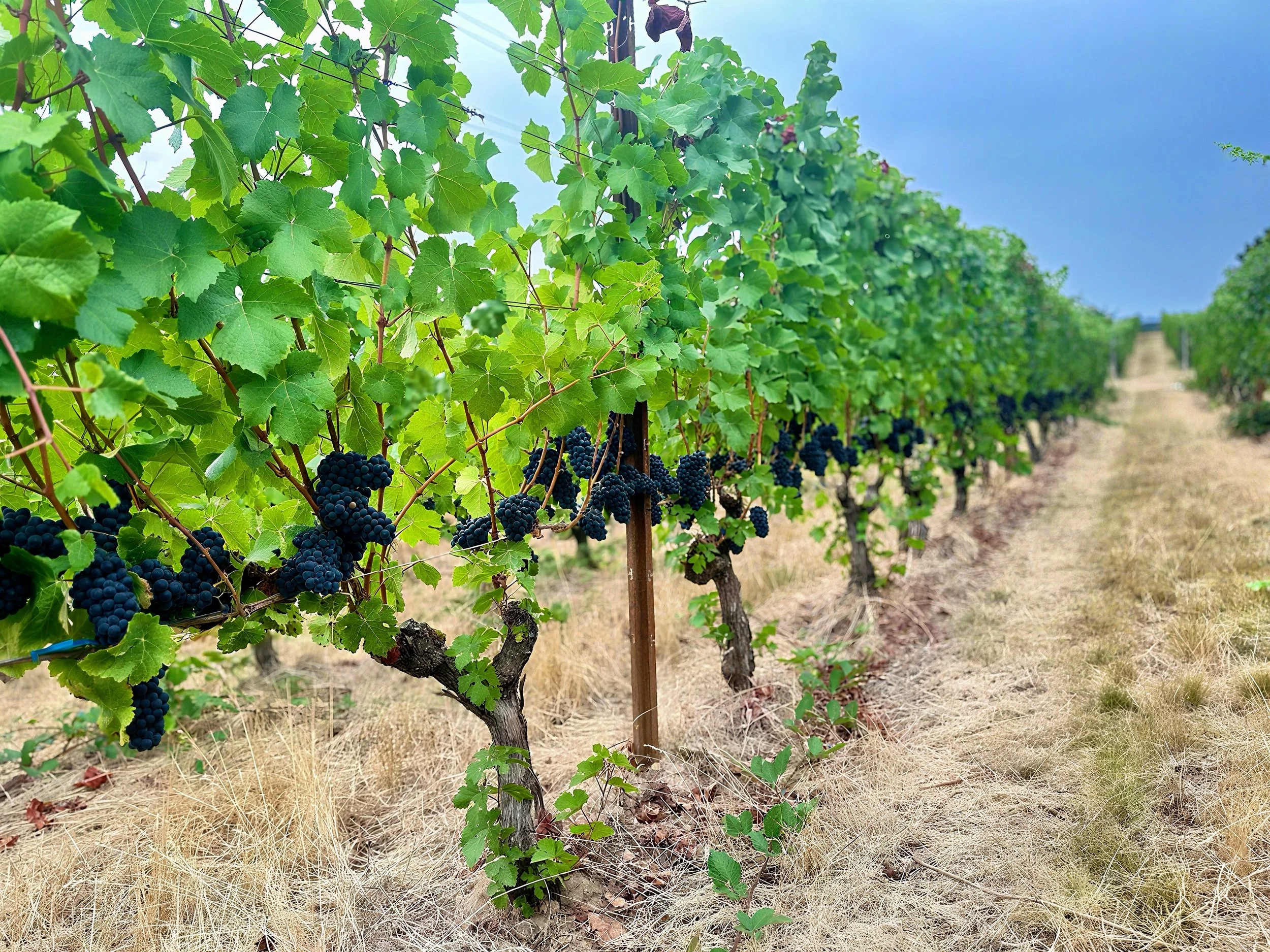
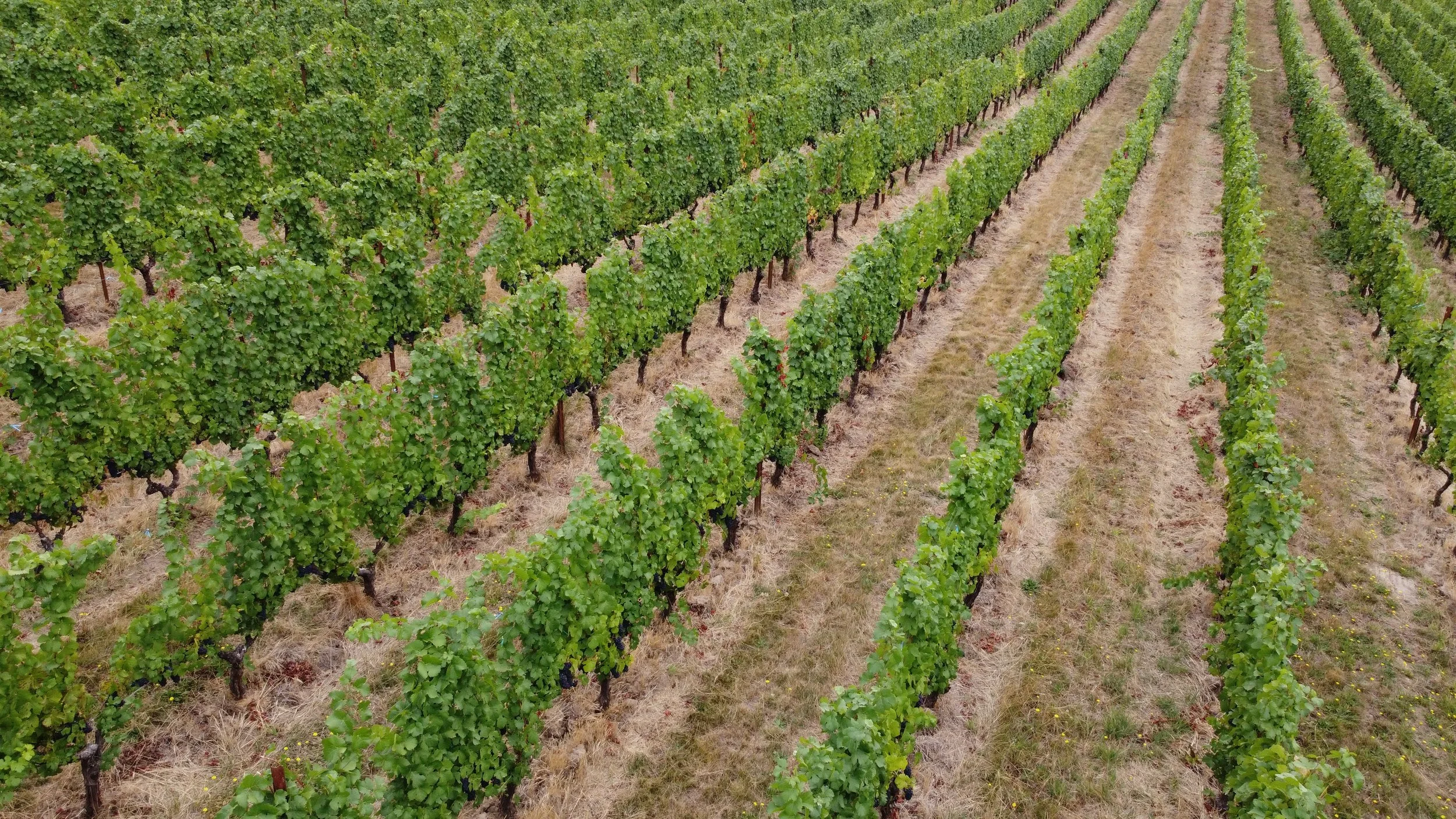
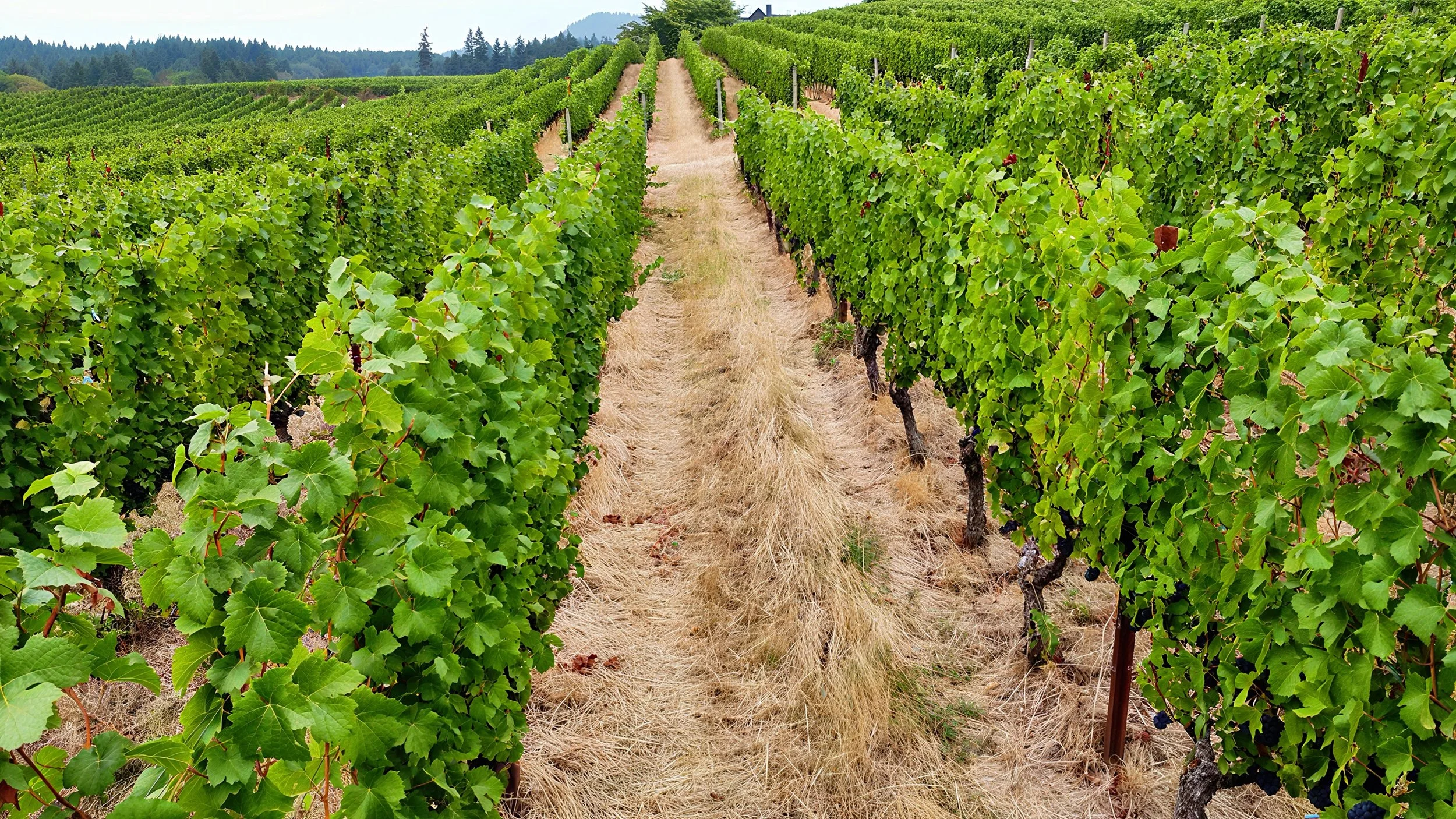
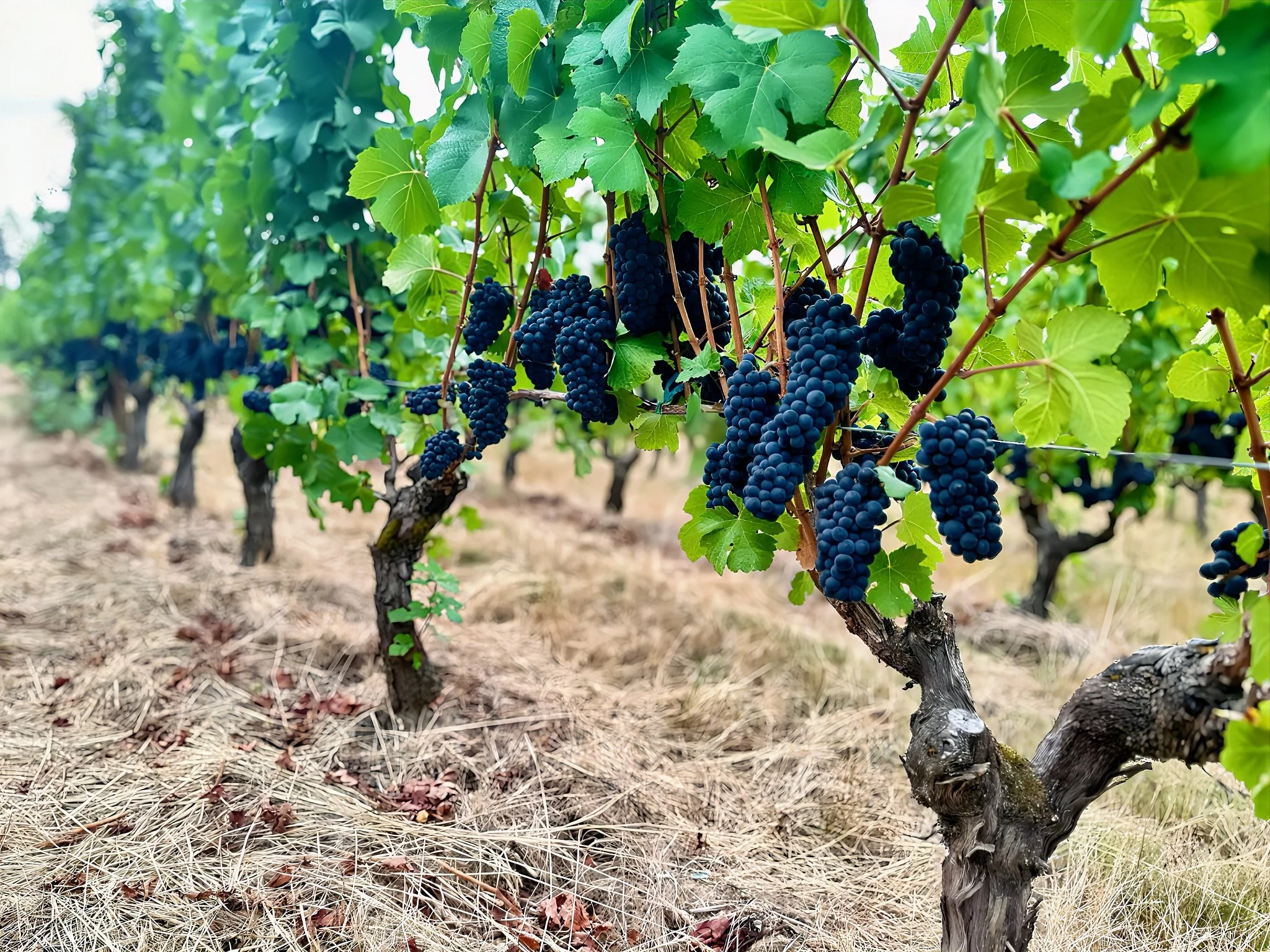
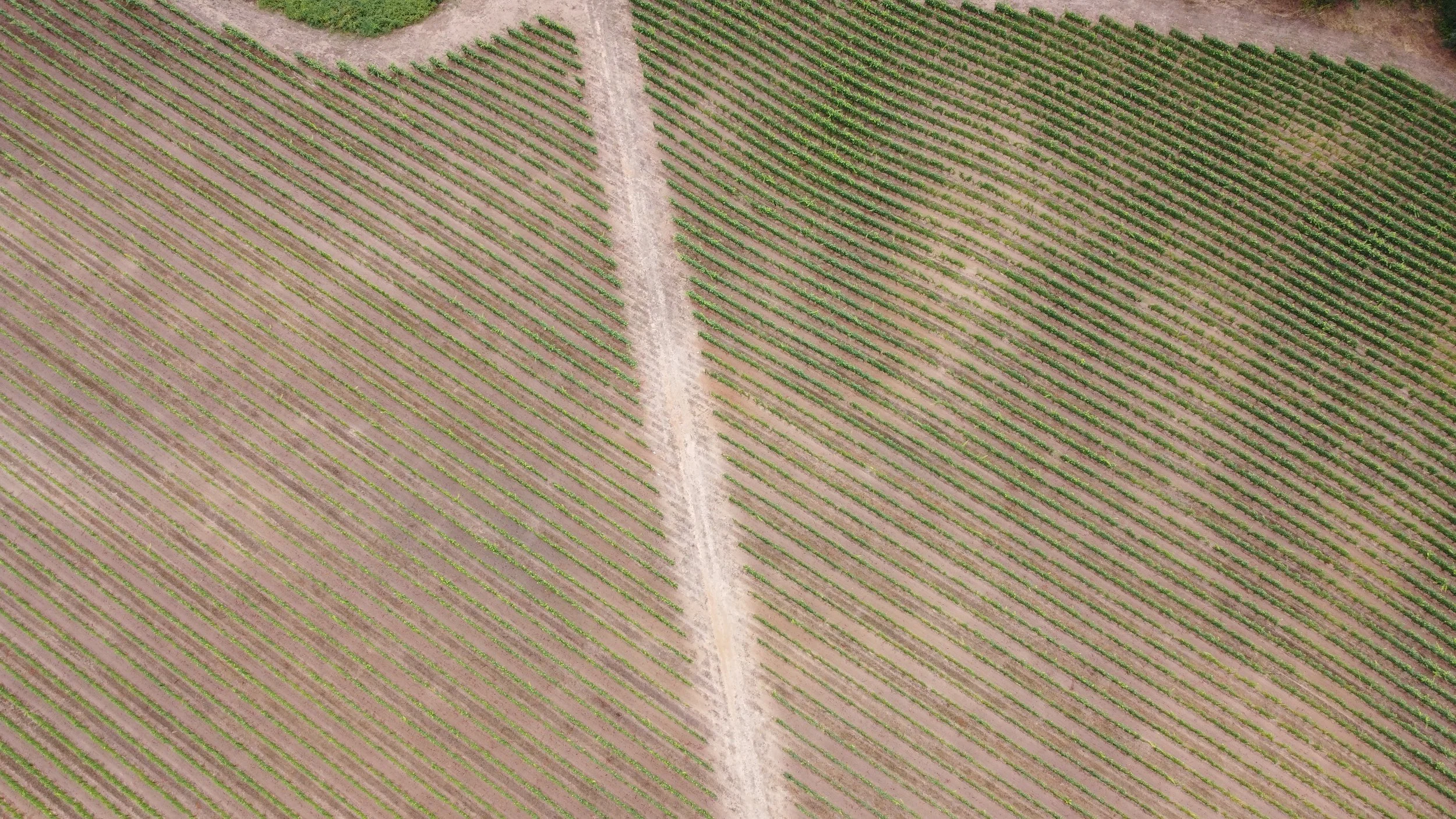
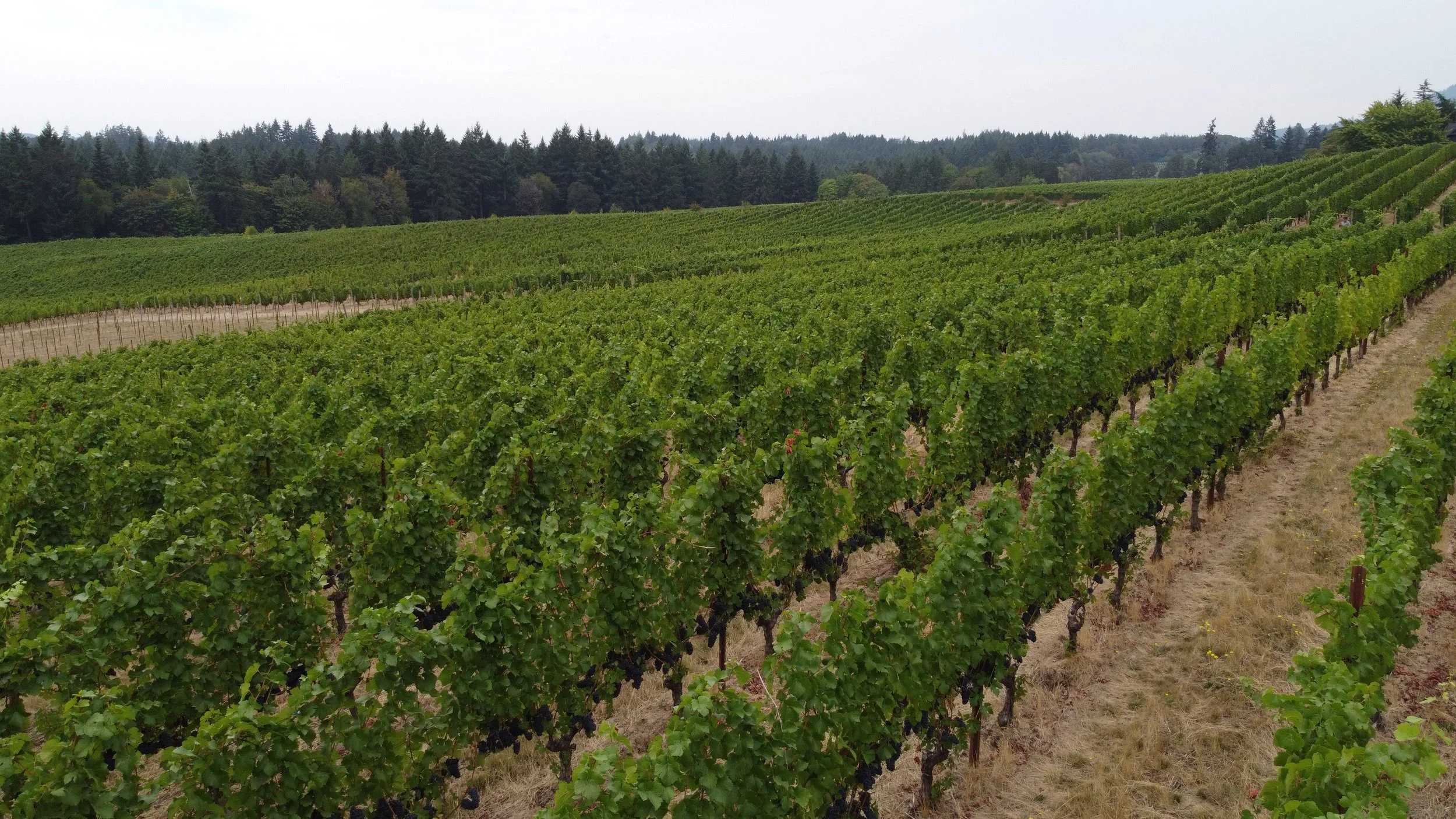
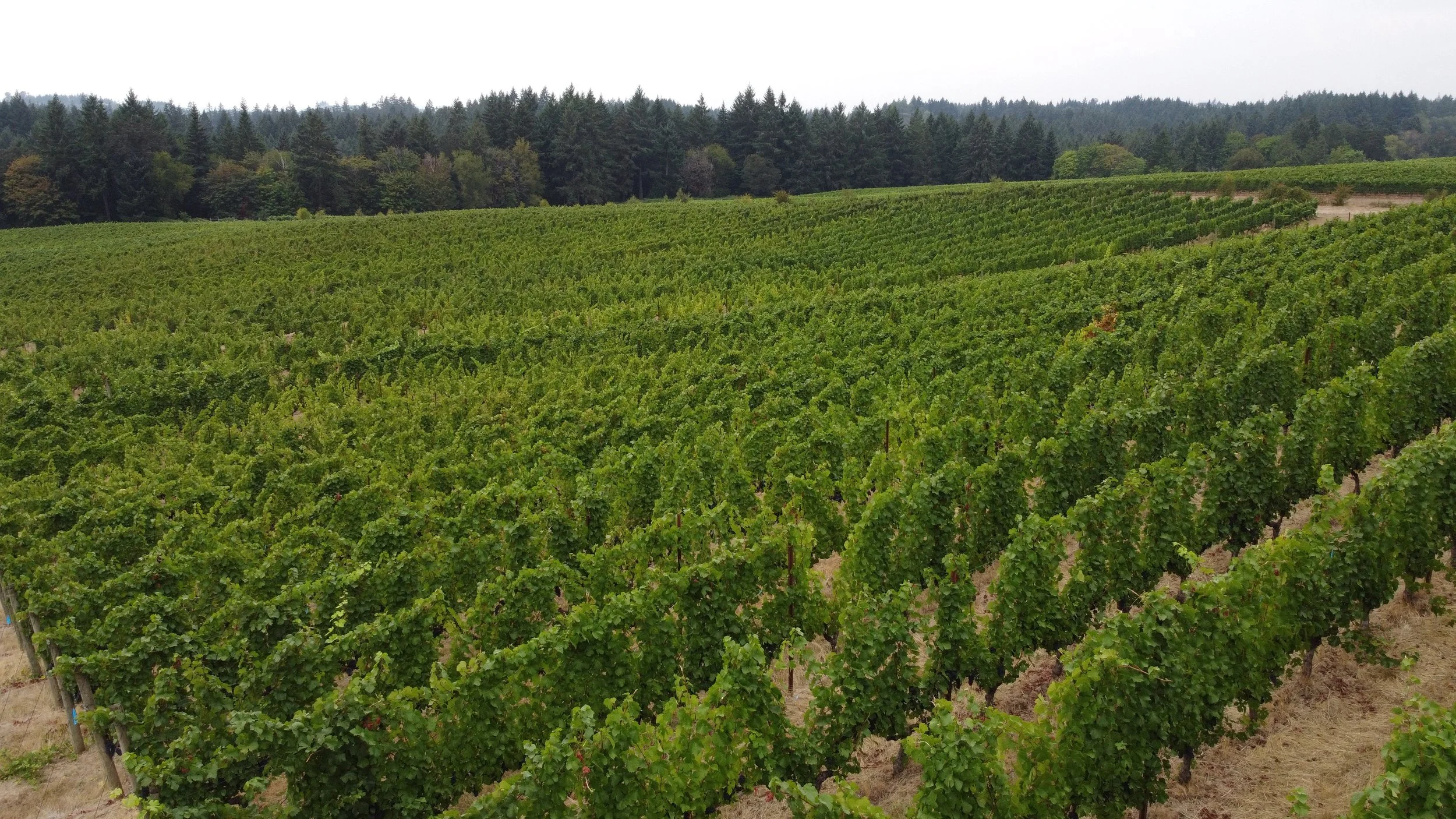
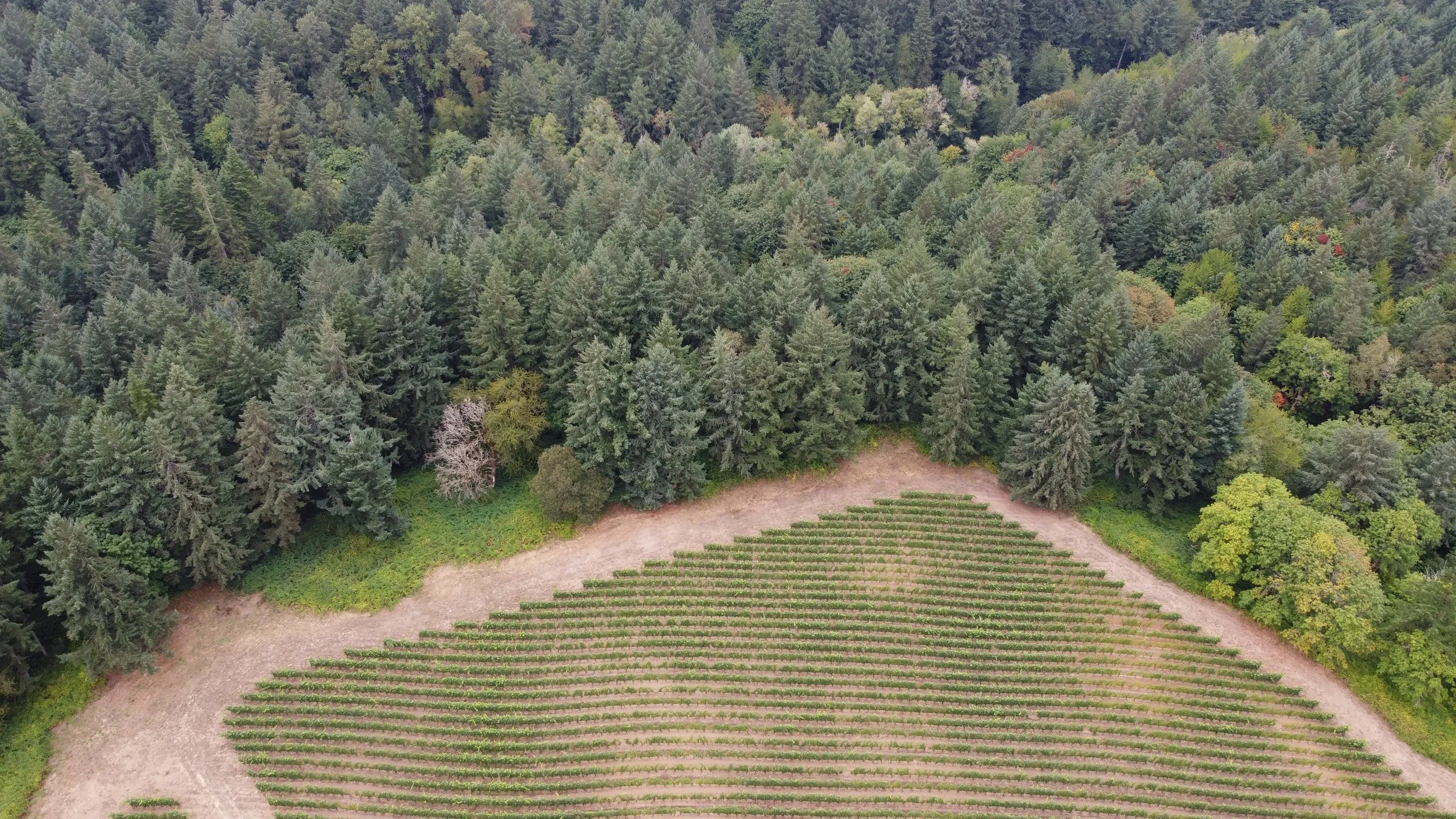
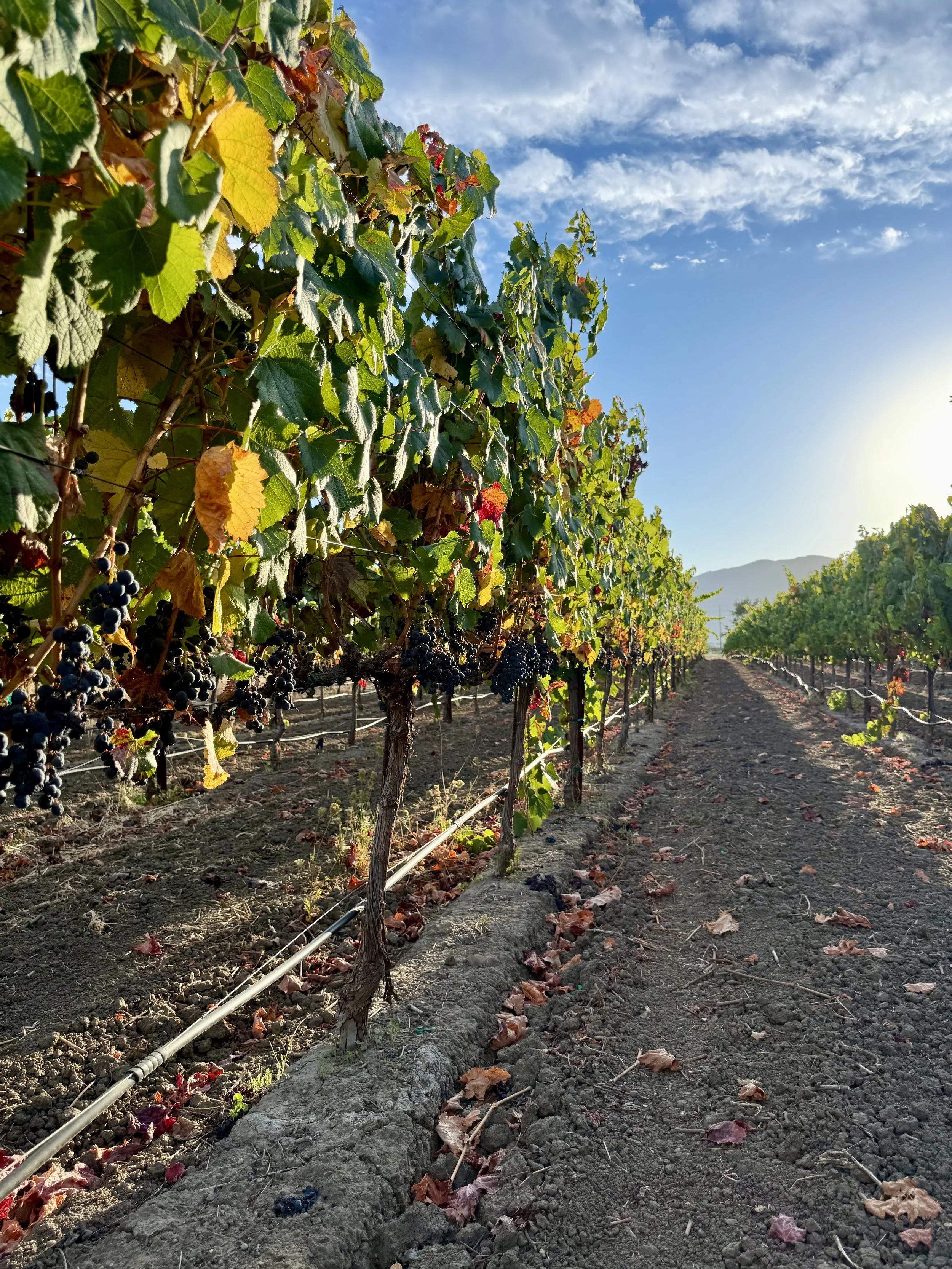
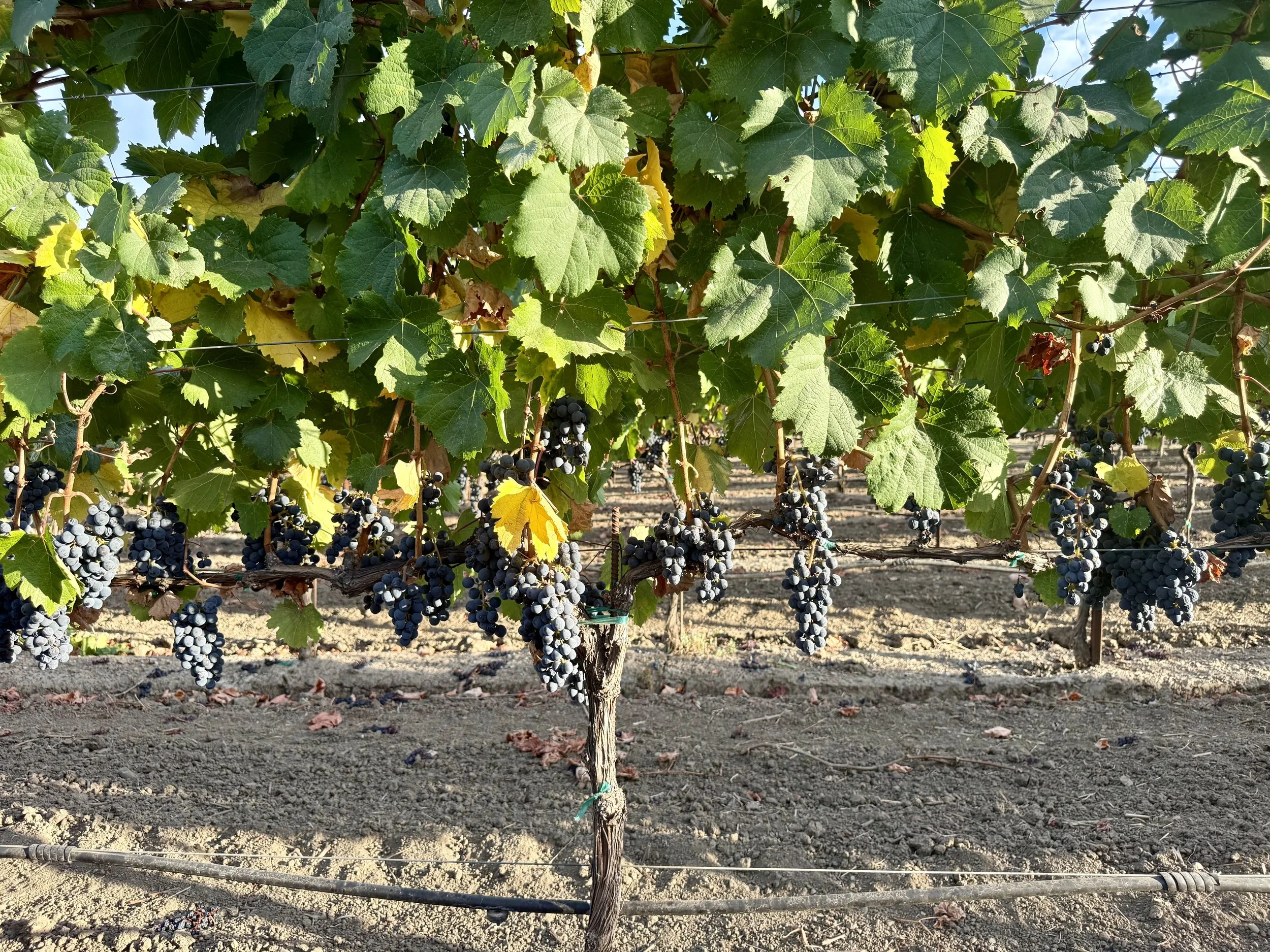
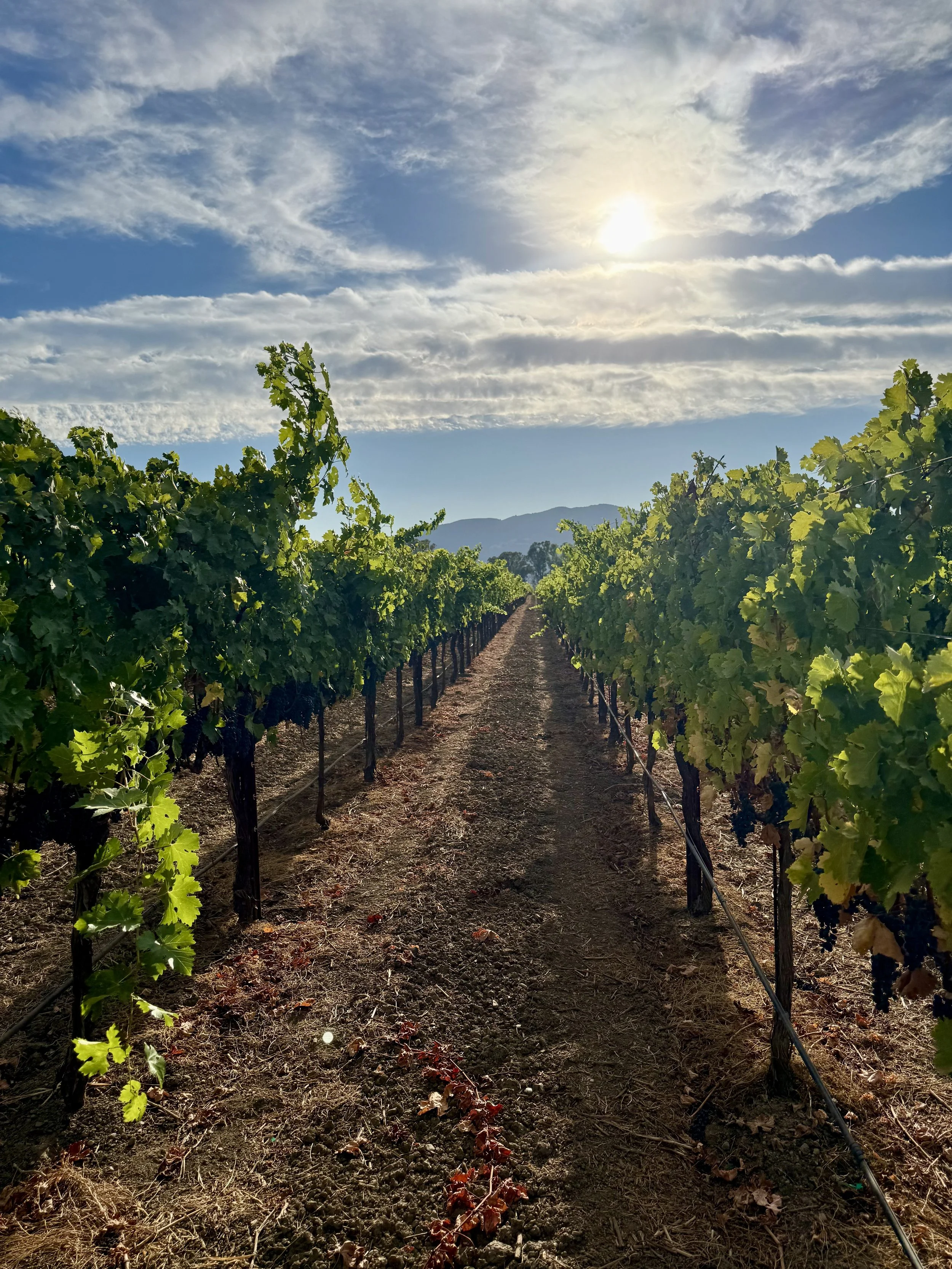
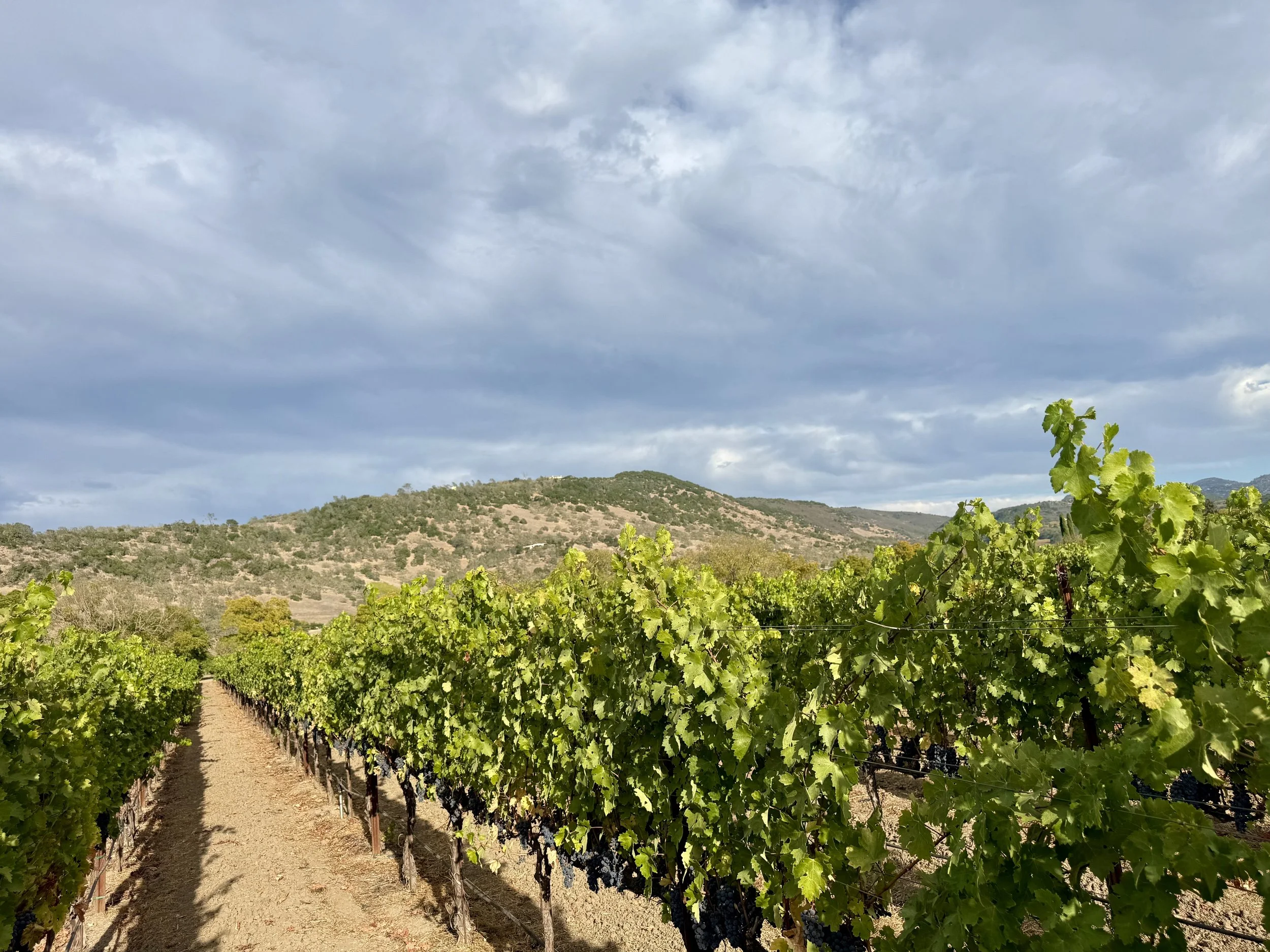
This vineyard site in the historic Southwestern corner of the Livermore Valley was part of the original Ruby Hill Winery planted in 1885 by John Crellin. The vineyard and winery remained operational through a series of owners and even through prohibition. More recently the vineyard was leased and managed by Wente who replanted it to Merlot, Cabernet Sauvignon, and Sangiovese in 2000.
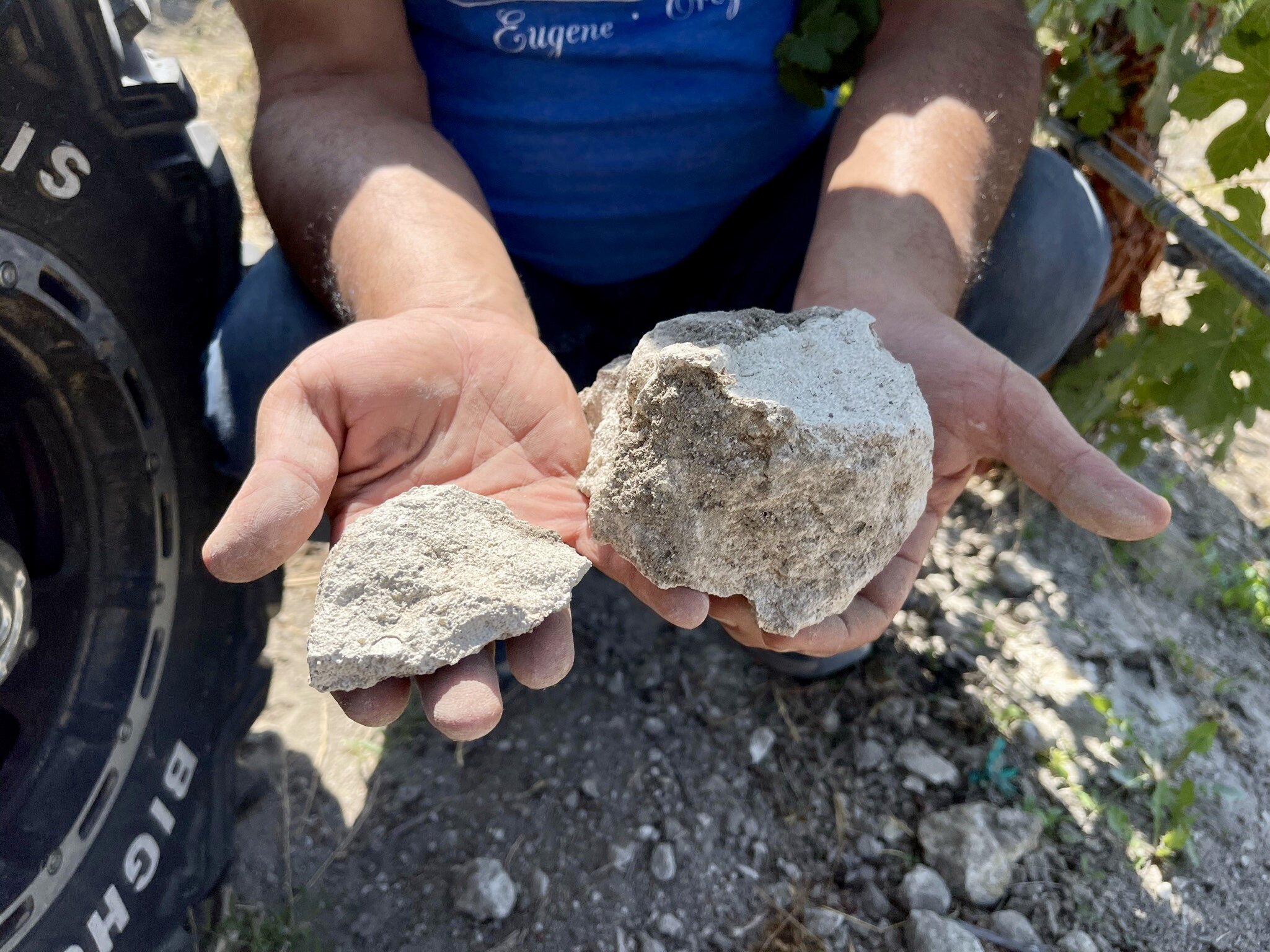
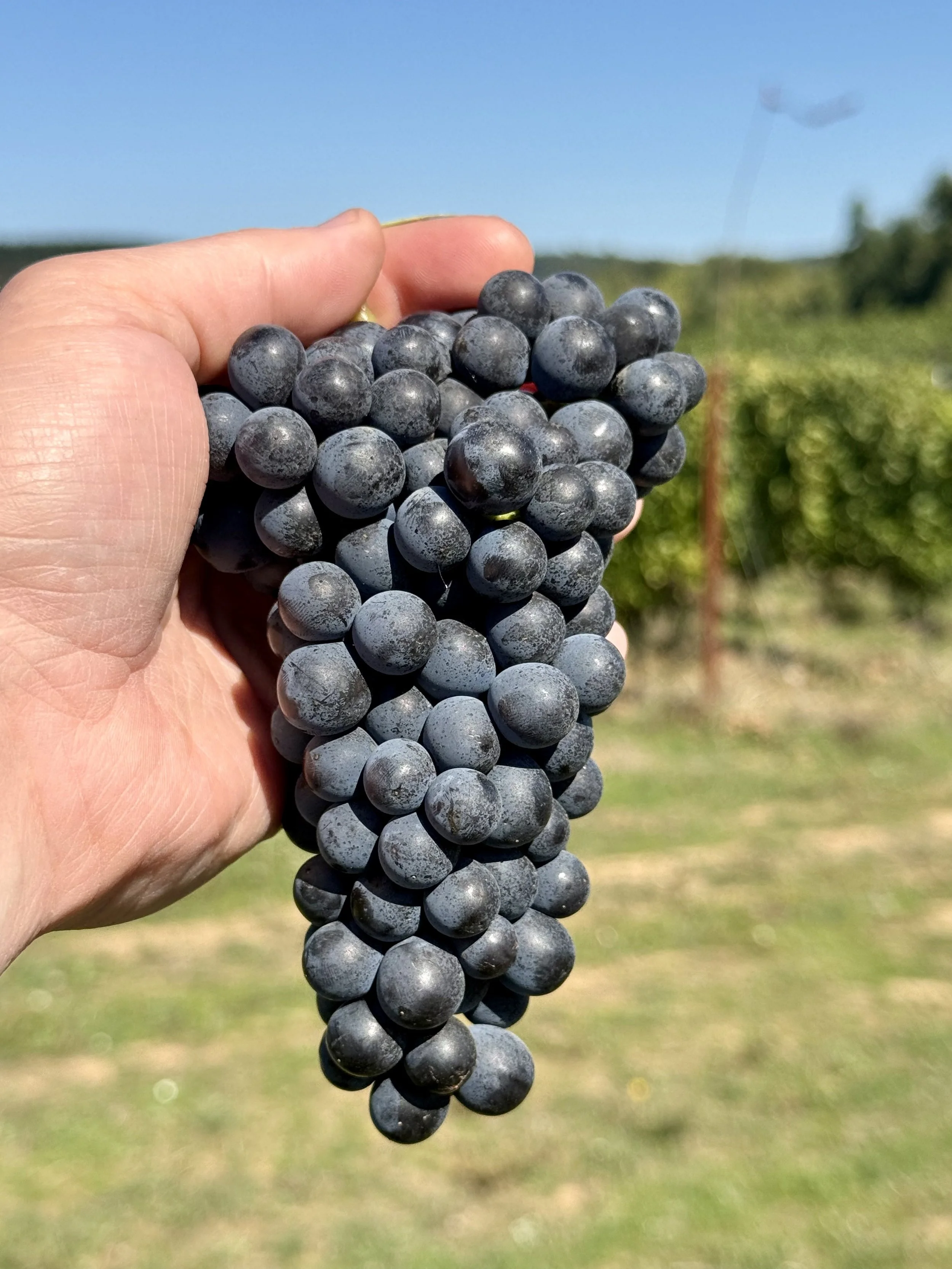
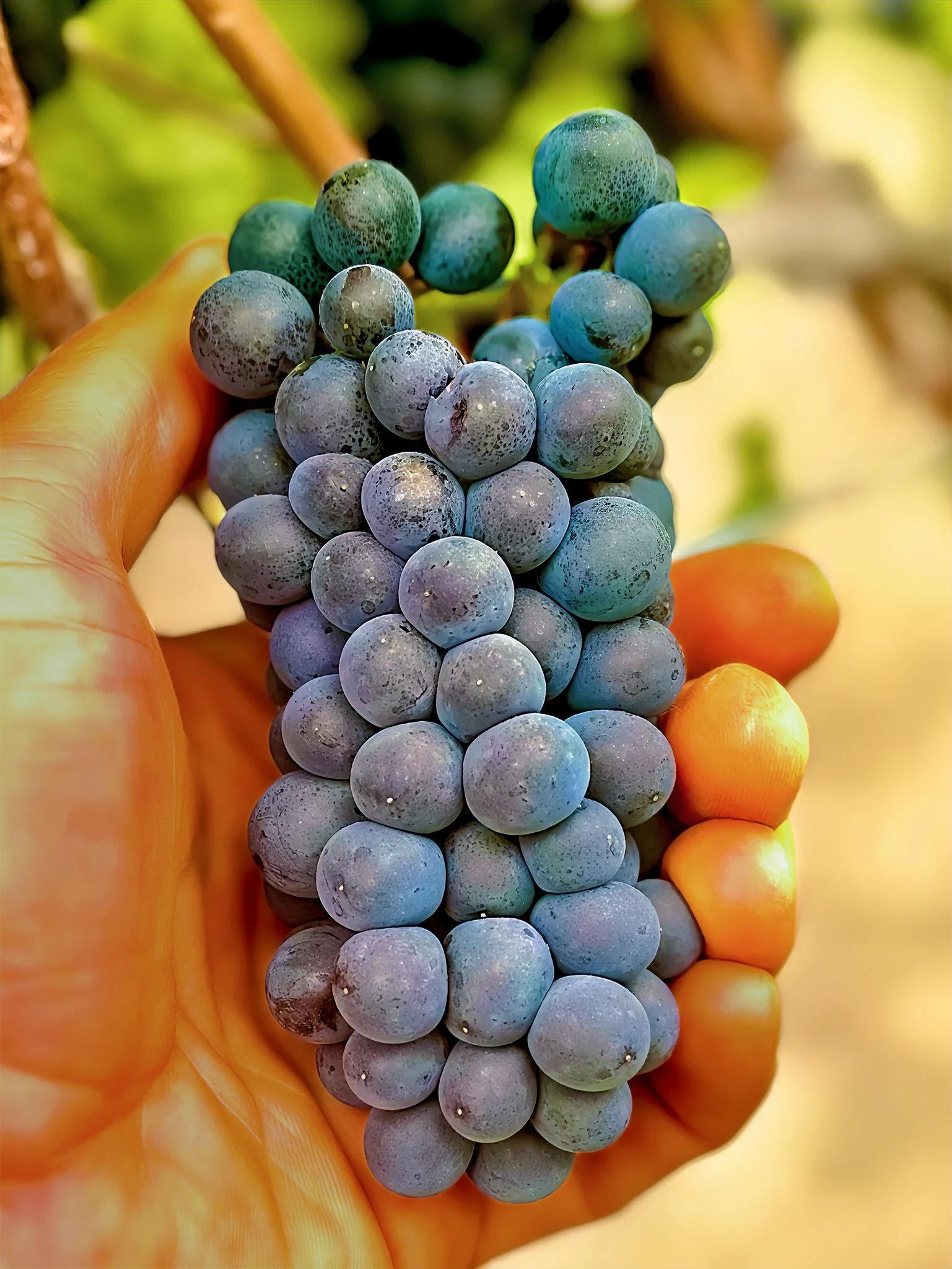
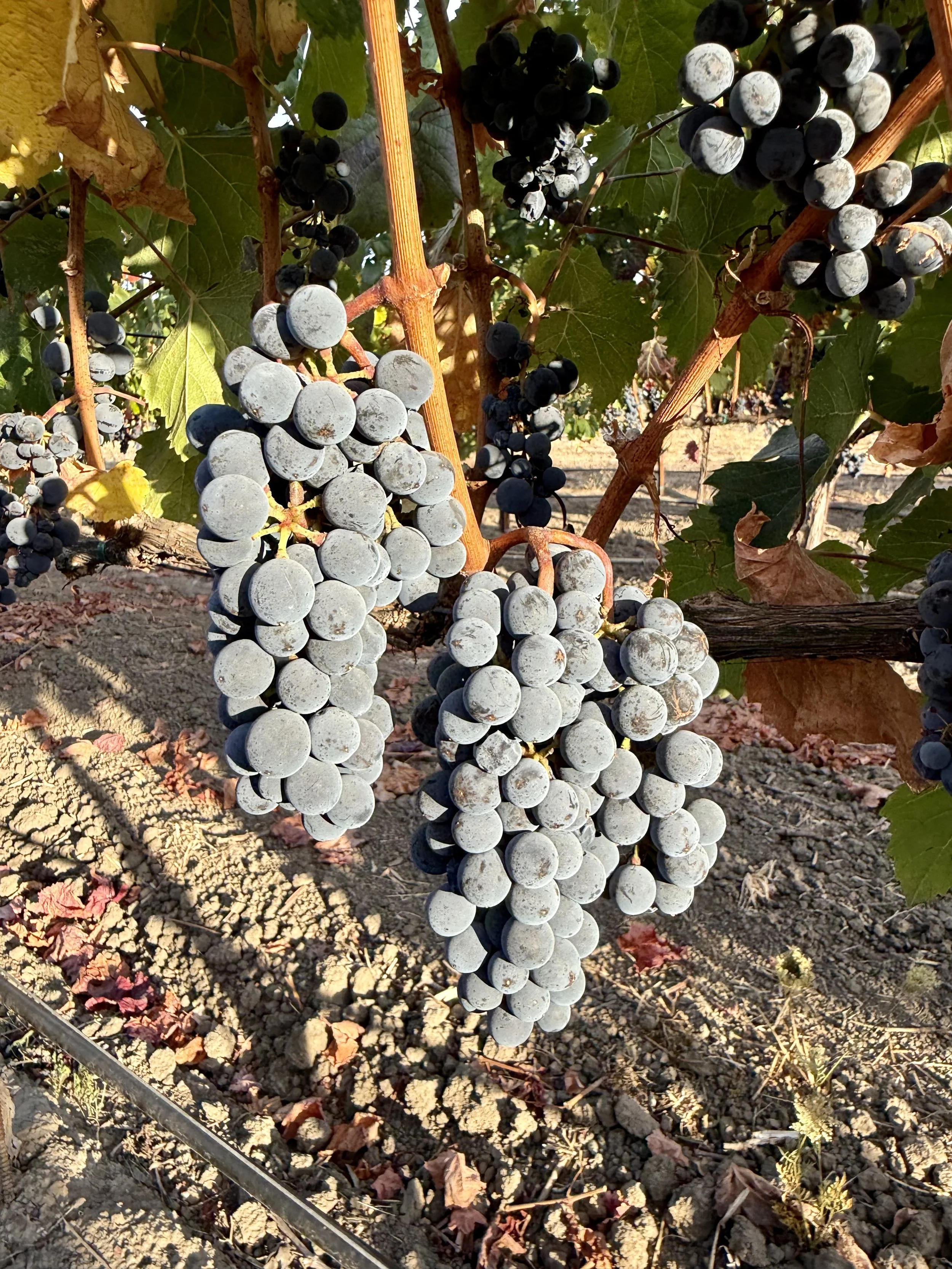
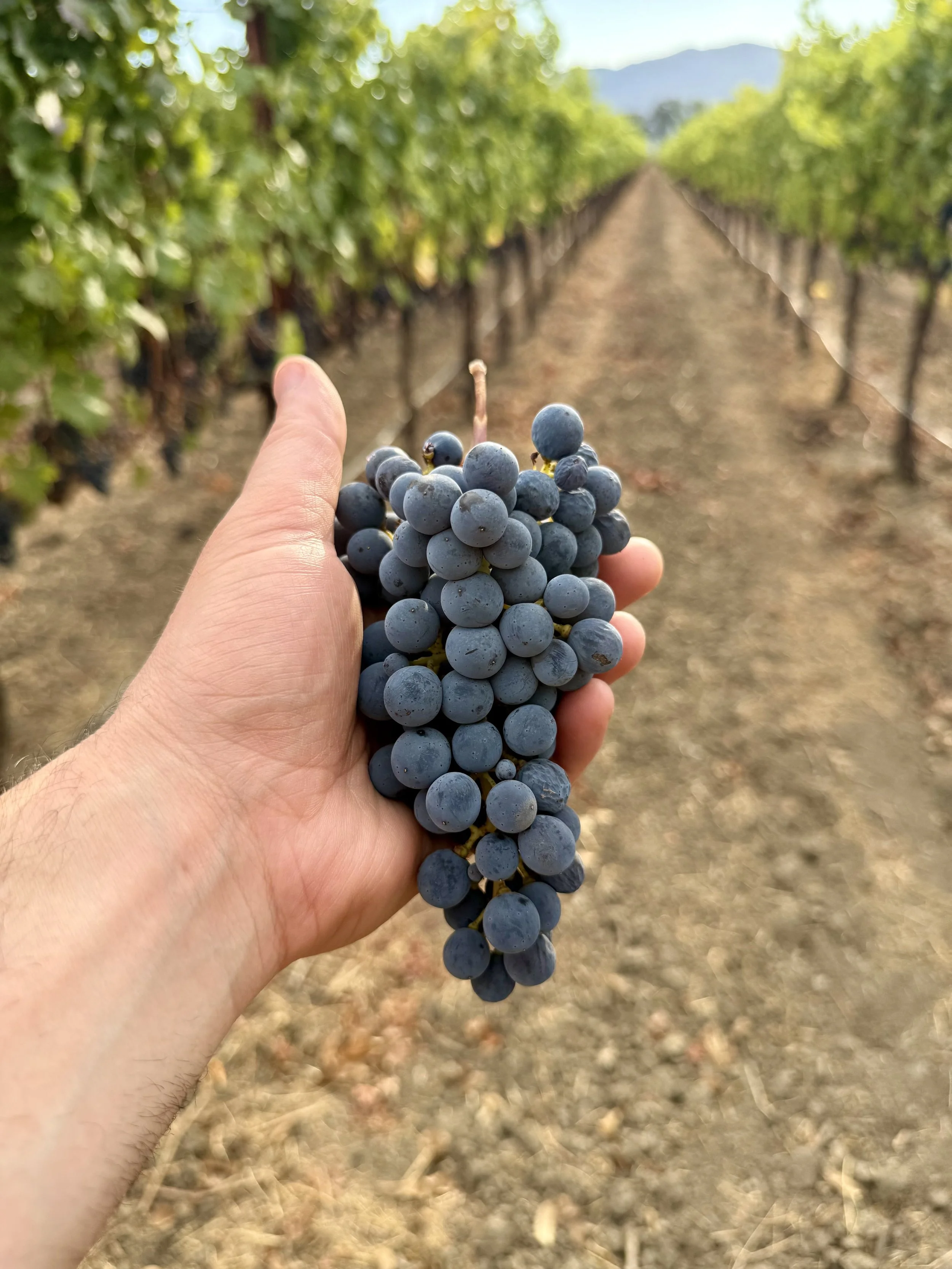
The vines are thriving in the valley’s well draining sandy loam soil, and wines from this vineyard typically express spice and earth complimented by tannin and rich fruit on the nose. The F9 Clone was developed at the University of Florence with cuttings from Tuscany and is known t produce deeply colored and well-balanced wines.
The climate of the Livermore Valley is almost exactly the same as that of the St. Helena and Calistoga in the Northern Napa Valley. Morning fog, cold nights, and winds coming off the Bay temper the hot days and allow the grapes to preserve acidity while still achieving ripeness.
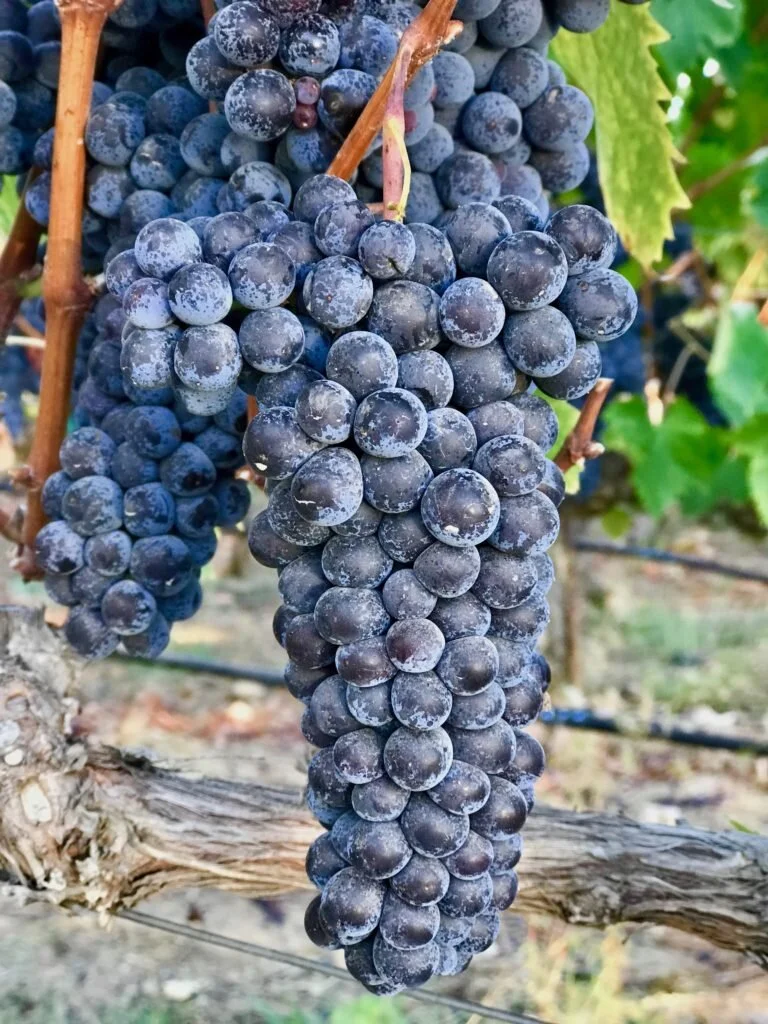 Image 1 of 6
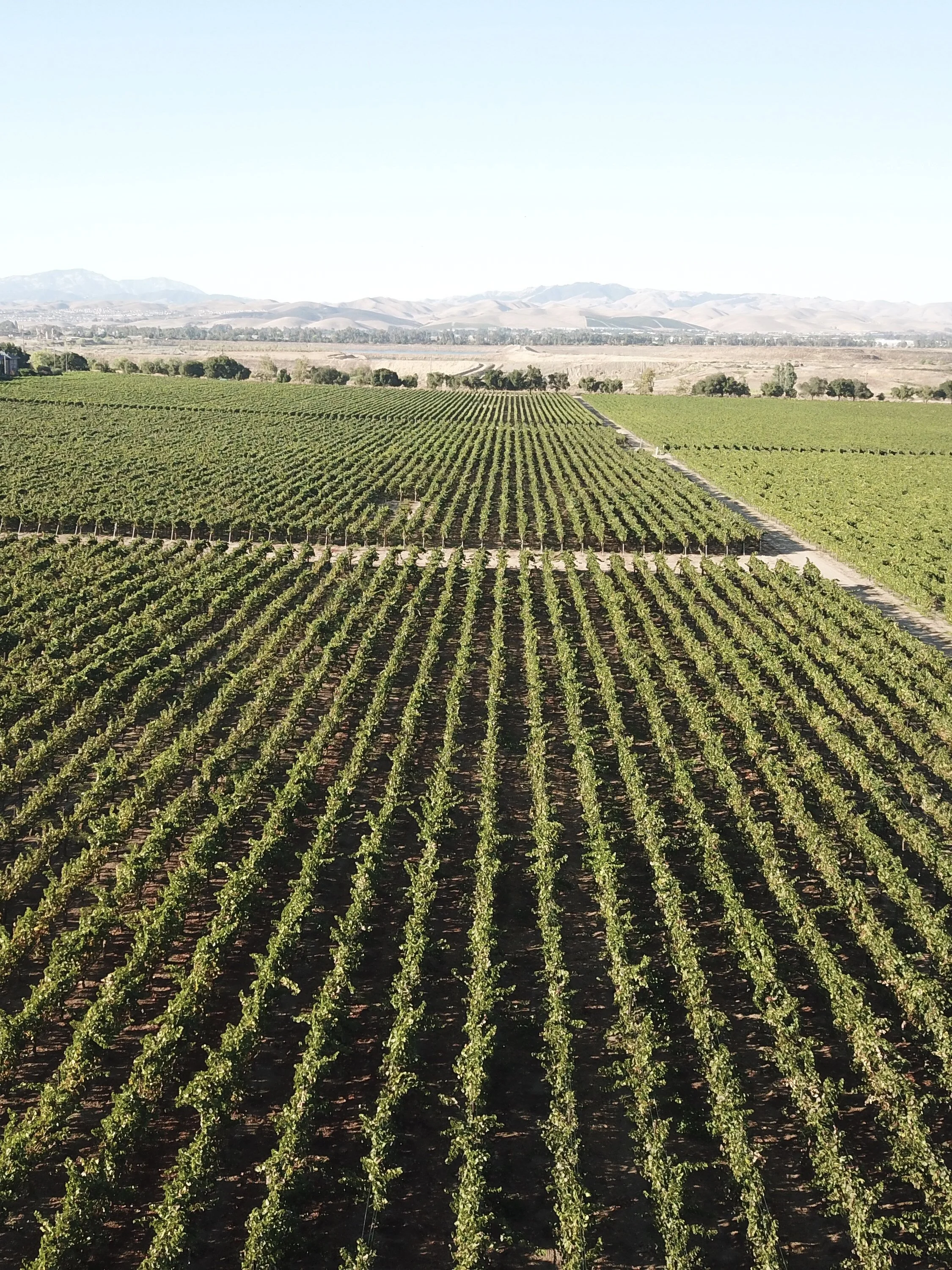 Image 2 of 6
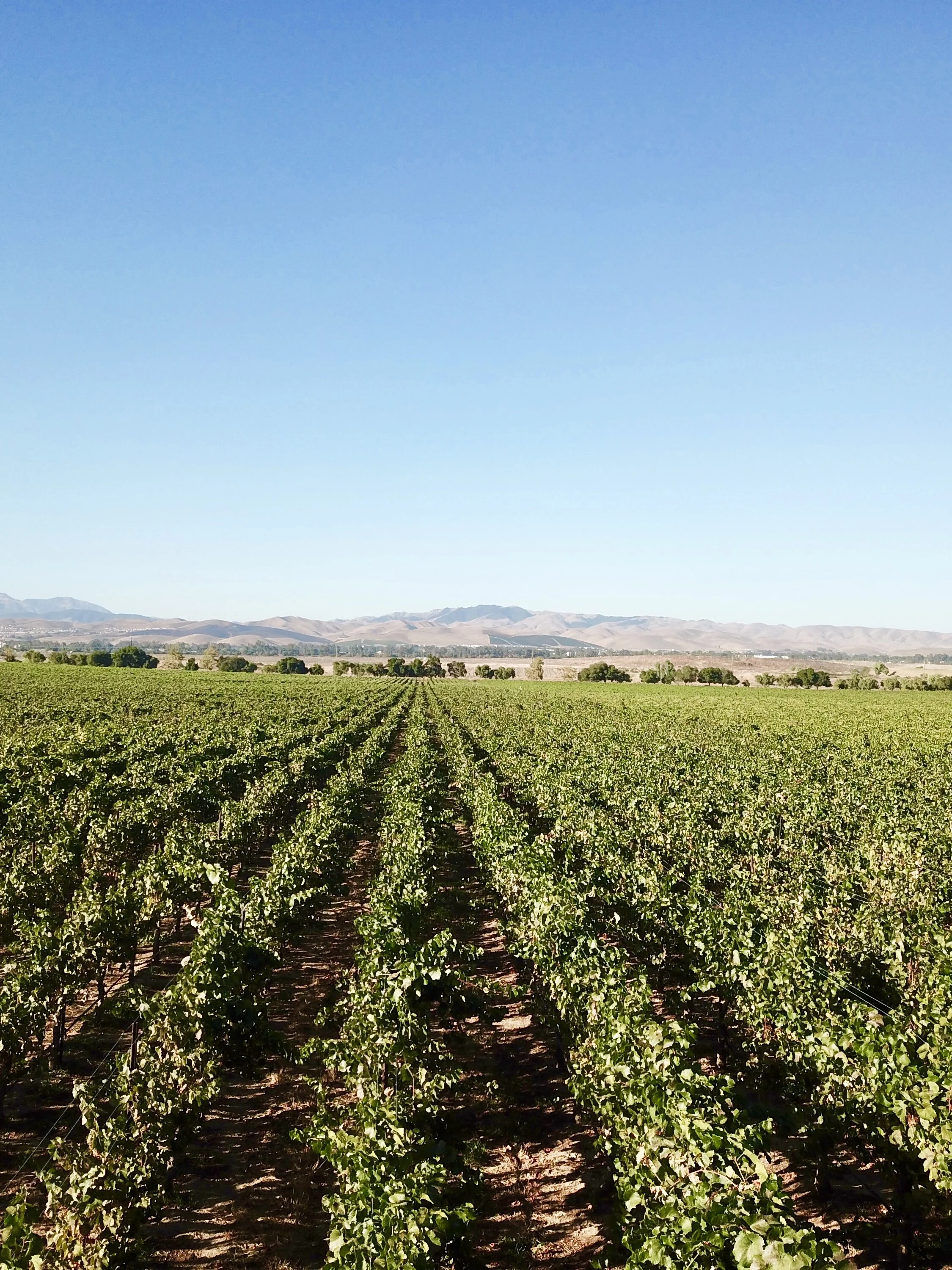 Image 3 of 6
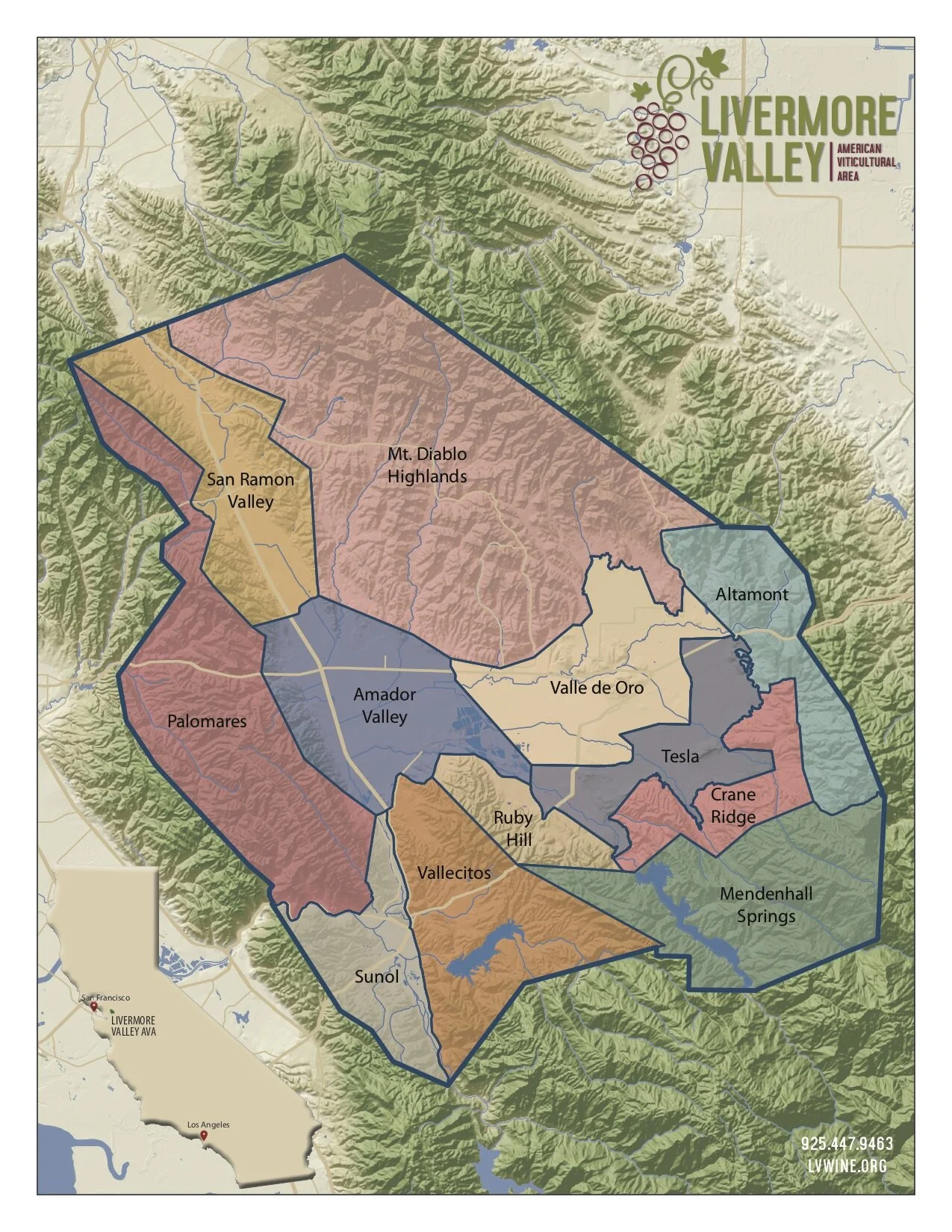 Image 4 of 6
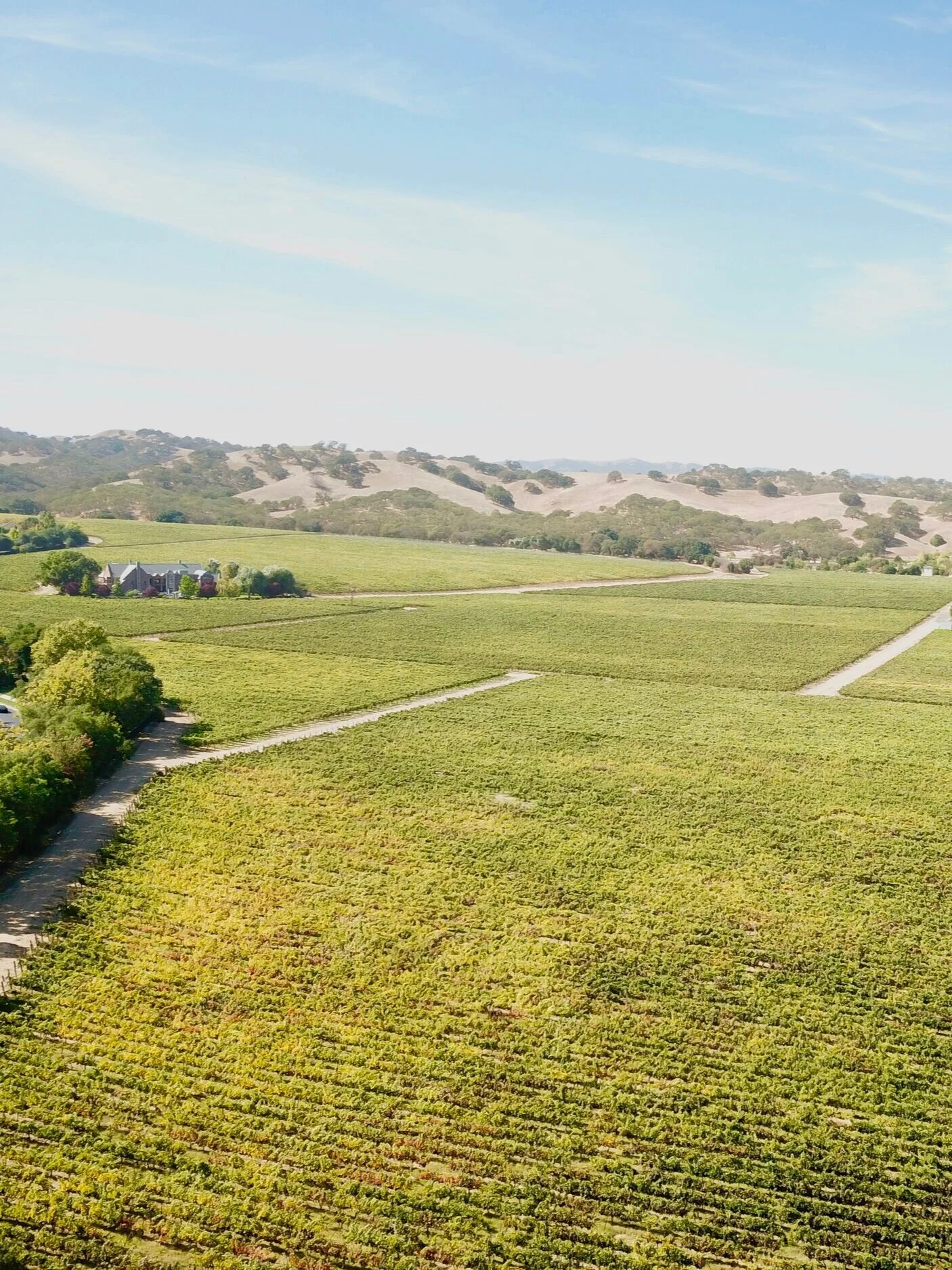 Image 5 of 6
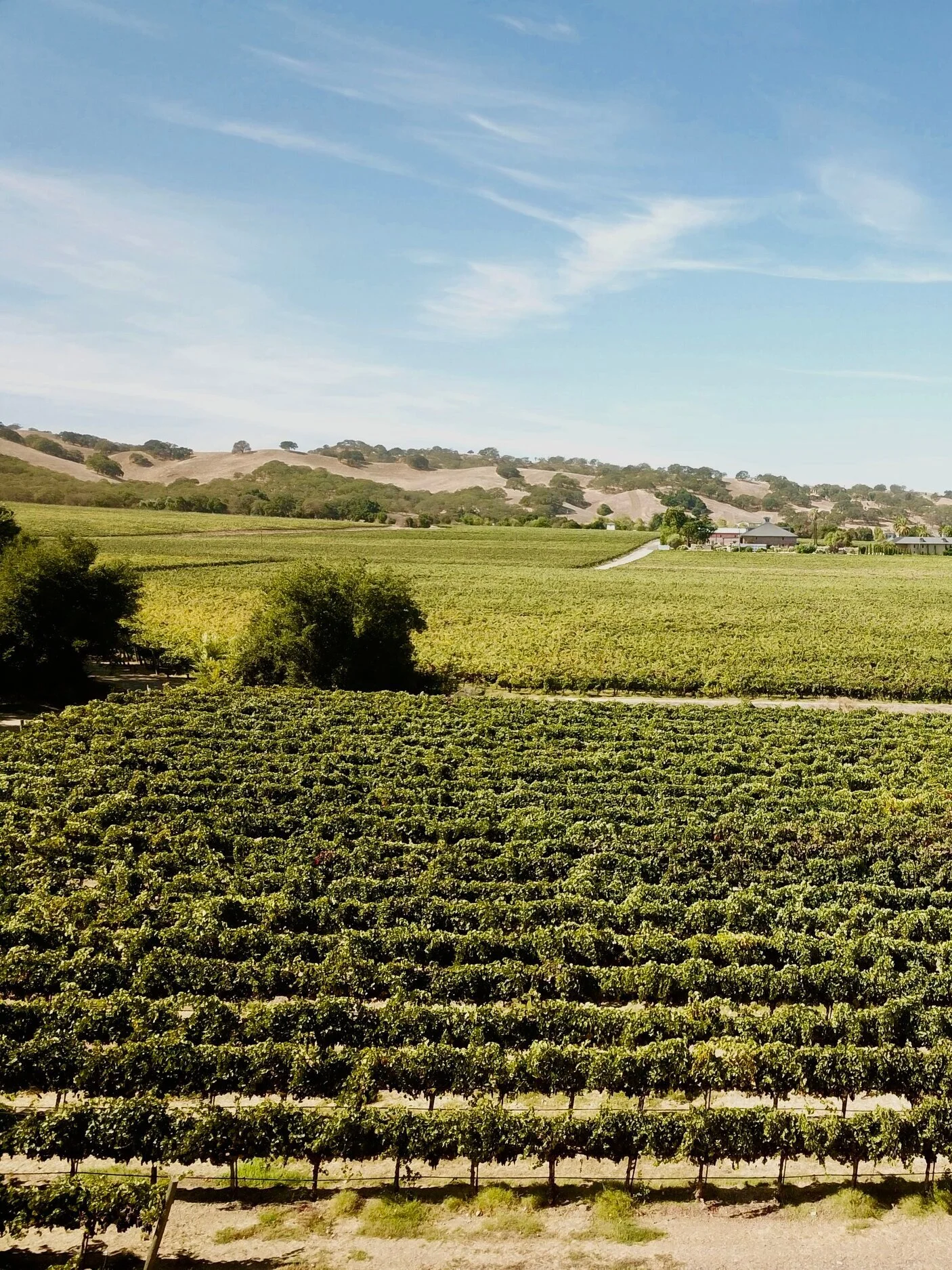 Image 6 of 6