2019 Frozen Juice and Must Buckets For Sale!

Rattlesnake Hills Washington AVA
All of the 2019 Harvest is in and shipping weekly!
Wine Grapes Direct is proud to offer pails from Brehm Vineyards. Peter Brehm has over 40 years experience selecting and freezing premium grapes for producing fine wines.
Each pail includes five gal. of grape must (juice, skins, seeds)
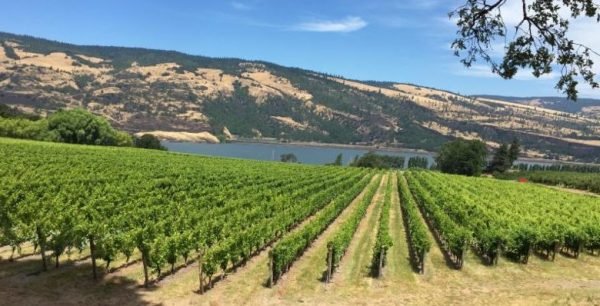
Columbia Gorge, Garnier Vineyards, Mosier, Oregon
Brix: 25.6 , pH: 3.50 , TA: 5.3 g/L , Malic: 1.83 g/L, Yan: 30
“Garnier Vineyards overlooks the scenic Columbia River from the historic, 300+ acre Mayerdale Estate near Mosier, Oregon. Ours is one of more than 40 vineyards in the Columbia River Gorge area. Grape growers, vintners, and wine aficionados [or experts] prize the area’s fertile soil, distinct fruit-bearing weather, and unique micro-climates.
The Mosier Syrah is grown in a relatively cool area. This particular Syrah field is in a basalt hole sheltered from the strong prevailing winds. The basalt container walls reflect the heat onto the vines and the loess soil they are rooted in. This is a special place that gives life to special grapes.
Garnier Vineyards’ soil is sandy with a light clay content, imparting a perfect mix of nutrients for growing grapes and other fruit. The vineyard’s proximity to the Columbia River and low elevation provide valuable added heat-units during the growing season and frost protection during winter.”
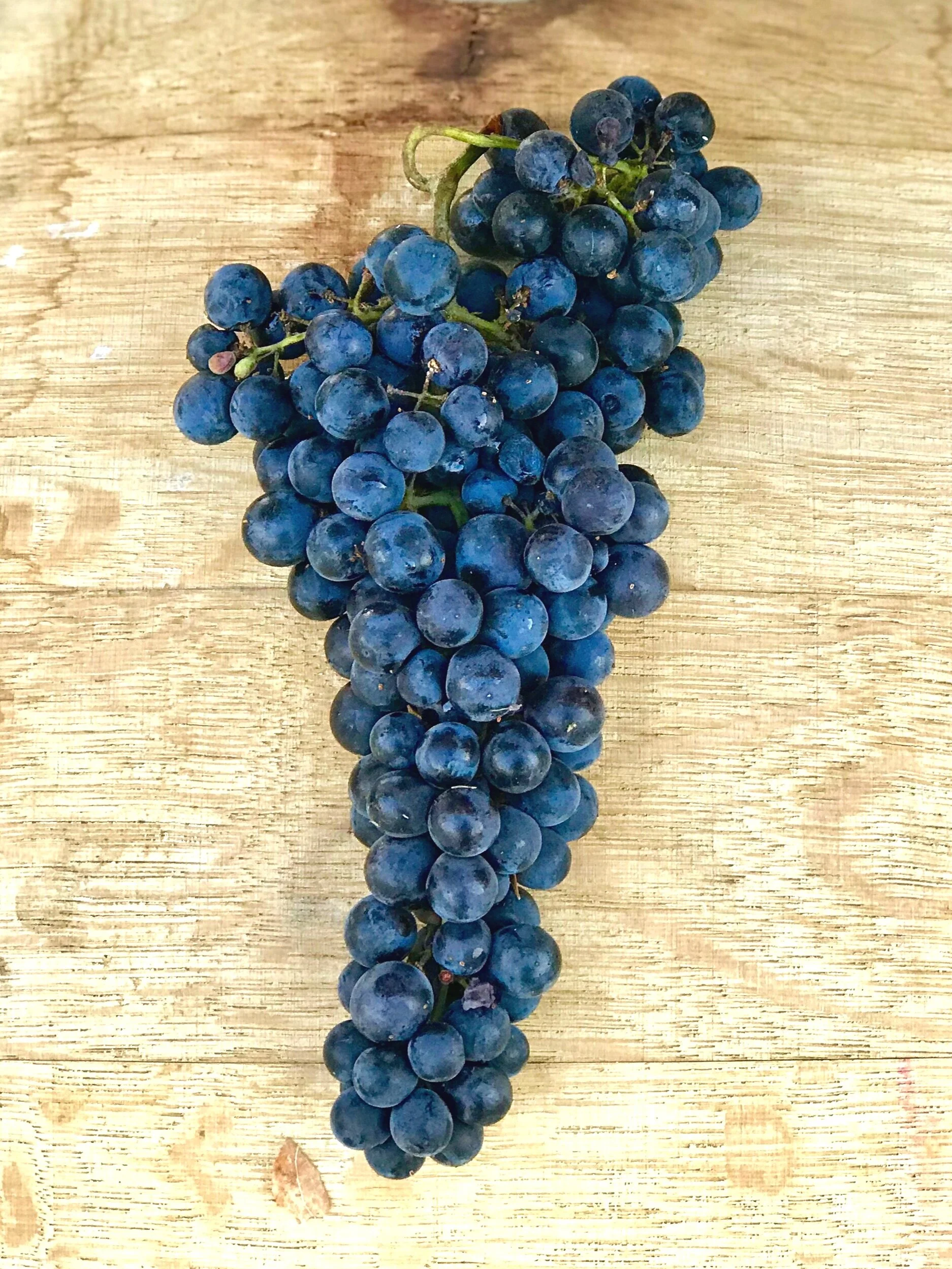
Each pail includes five gallons of grape must. Product will arrive partially frozen.
The Oak Knoll District of Napa Valley, California
Brix: 22-26, pH: 3.70, TA: .7
Harvested October 27th, 2019
“The District lies at the southern end of the renowned Napa Valley where the growing season is longer—cooler in summer than the warmer Upper Valley and drier in winter allowing soils to warm earlier in the spring. The marine influence from San Pablo Bay is strong here with foggy mornings and cool summer nights. Summer daytime temperatures can average 10°F cooler than St. Helena. This creates the longest growing season in the valley, providing early bud break and a long, leisurely growing season for optimal, balanced ripeness. The cooler nights and slowly rising daytime temperatures create a naturally long hang time for fruit to achieve bright acidity, great texture, fruit-forward aromas and elegant flavors.”
LOW BRIX 2019 Cab Sauv, Oak Knoll (Napa Valley) CA -
Brix: 21, pH: NA (likely lower than 3.7 of the high brix Napa), TA: NA Winemaking: Chaptalize/add sugar, or blend with high brix fruit.

Each pail includes five gallons of grape must. Product will arrive partially frozen.
Knights Valley AVA, Sonoma County, California
Brix: 29.1, pH: 3.93, TA: .52
Harvested October 26th, 2019
This fruit requires an adjustment to make a dry wine! We recommend adding around 2 liters of distilled water and 30 grams of tartaric acid per pail prior to fermentation. Check out our custom winemaking calculator to fine-tune your winemaking.
The Knights Valley separates the northern tip of the Napa Valley from the Southern end of Sonoma’s Alexander Valley. It is the warmest and most rural AVA in Sonoma County. Beringer Vineyards established the region in the late 1960’s and remains the most prominent name in the area alongside the Peter Michael Winery.
The Knights Valley sits at the foot of Mount St. Helena and lays in the original path of the Russian River. The soils here are a unique combination of being both volcanic from the lava flows off St Helena and granitic alluvial from the old river bed. The land appears rocky and cobbled on the surface, but the soils run deep and very well draining.
Each pail includes five gallons of grape must. Product will arrive partially frozen.
**This product is de-stemmed white grapes that include juice, skins, seeds and pulp and is intended for producing orange wine.
Walla Walla Valley AVA, Washington State
Brix: 22.3 , pH: 3.63 , TA: 4.4 g/L (Full Lab Report in Photos)
Harvested September 8th, 20203
“Orange Wine” is simply a white wine that is fermented on the skins. The time the juice spends on the skins can be as little as a few days to as much as a year-long extended maceration. This time on the skins extracts color and has some oxidizing effects giving the wine an orangish hue. But more importantly it extracts phenololics and flavors from the skins and seeds, giving the resulting wine much more structure and intensity than a traditional white wine. The wines are often made in a non-interventionist manner and aged underground in clay vessels. But there are a lot of ways to make orange wine and you should never let the natural wine hipsters tell you that you’re doing it wrong.