Making the 2025 Rutherford Petite Verdot – Winemaker Guide
Let’s take a look at the best approach for this 2025 Alsace Vineyard Rutherford Petit Verdot.
This is serious fruit. ENT400 clone. Small berries. Thick skins. Gravelly Rutherford soils. Warm afternoons, cool nights. The structure and color are already built in.
Petit Verdot isn’t meant to be soft. It isn’t meant to be diluted. It’s meant to bring intensity.
If you’re blending (which is very common with Cabernet and Merlot), you actually want as much punch as possible from this lot. Its job is to add color density, tannin backbone, and that violet-dark fruit lift right through the mid-palate.
If you’re bottling it on its own?
25.2° Brix is right where a powerful Napa Petit Verdot should be.
You can expect:
• very solid tannins
• deep saturation
• a powerful but focused profile
• a wine that fills in the middle of the palate beautifully
Petit Verdot doesn’t sprawl wide like Merlot. It drives straight through the core.
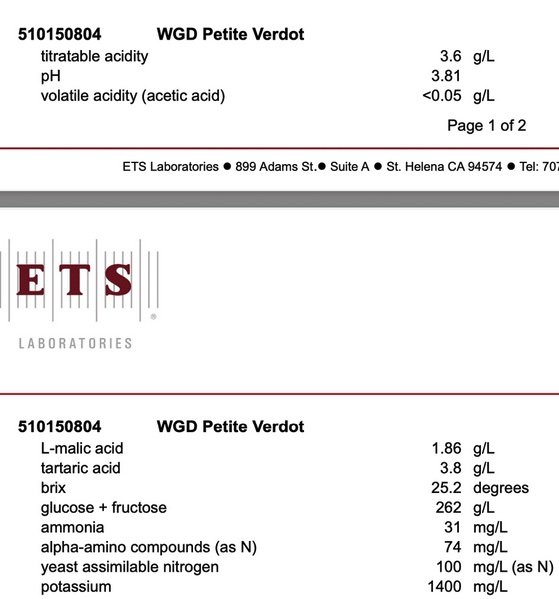
Lab Highlights (ETS Analysis)
Brix: 25.2°
pH: 3.81
TA: 3.6 g/L
L-Malic Acid: 1.86 g/L
Tartaric Acid: 3.8 g/L
YAN: 105 mg/L (31 mg/L ammonia + 74 mg/L amino N)
Volatile Acidity: <0.05 g/L
In practical terms:
Fully ripe Napa Petit Verdot
Solid natural structure
Moderate pH that benefits from precision adjustment
Enough malic that MLF will soften and raise pH slightly
This fruit has power. The key is framing it correctly.
Quick Winemaker Summary (Read This First)
• Water-back: Not recommended
• Acid addition (initial): ~20 g tartaric per 5-gallon pail
• Re-check pH post-MLF and fine-tune if needed
• Yeast options:
• 5 g BDX → graphite-driven, structured
• 5 g BM45 / D254 → plush mid-palate density
• CLOS → successful trial noted below
• Fermentation temps: mid–high 80s °F acceptable
• Extended maceration: 5–10 days reasonable
• Structure support:
• 5 g Opti-Red
• 7–10 g FT Rouge
• Oak: 30–40% new equivalent supported
• Overall: intense, mid-palate-driven Rutherford Petit Verdot built for blending or aging
• Chemistry: 25.2 °Brix | pH 3.81 | TA 3.6 g/L | YAN 105 mg/
Water-Back: My Recommendation
I would not water this back.
At 25.2° Brix:
• It’s exactly where a powerful Napa Petit Verdot should be.
• Dilution reduces the very intensity that makes this varietal valuable.
• If blending, you want maximum impact.
• If standalone, you want structural authority.
This grape’s role is concentration.
Leave it alone.
Acid Strategy: Measured and Intentional
With pH at 3.81 and malic at 1.86 g/L, MLF will:
• Soften perceived acidity
• Slightly increase pH
Rather than over-correcting upfront, I would:
Start with ~20 grams tartaric acid per 5-gallon pail before fermentation.
That gives you:
• Improved microbial footing
• Better color stability
• Structural lift without over-tightening
After MLF is complete, test again and make a precise final adjustment if needed.
You’ll be close enough to dial it in properly at that stage.
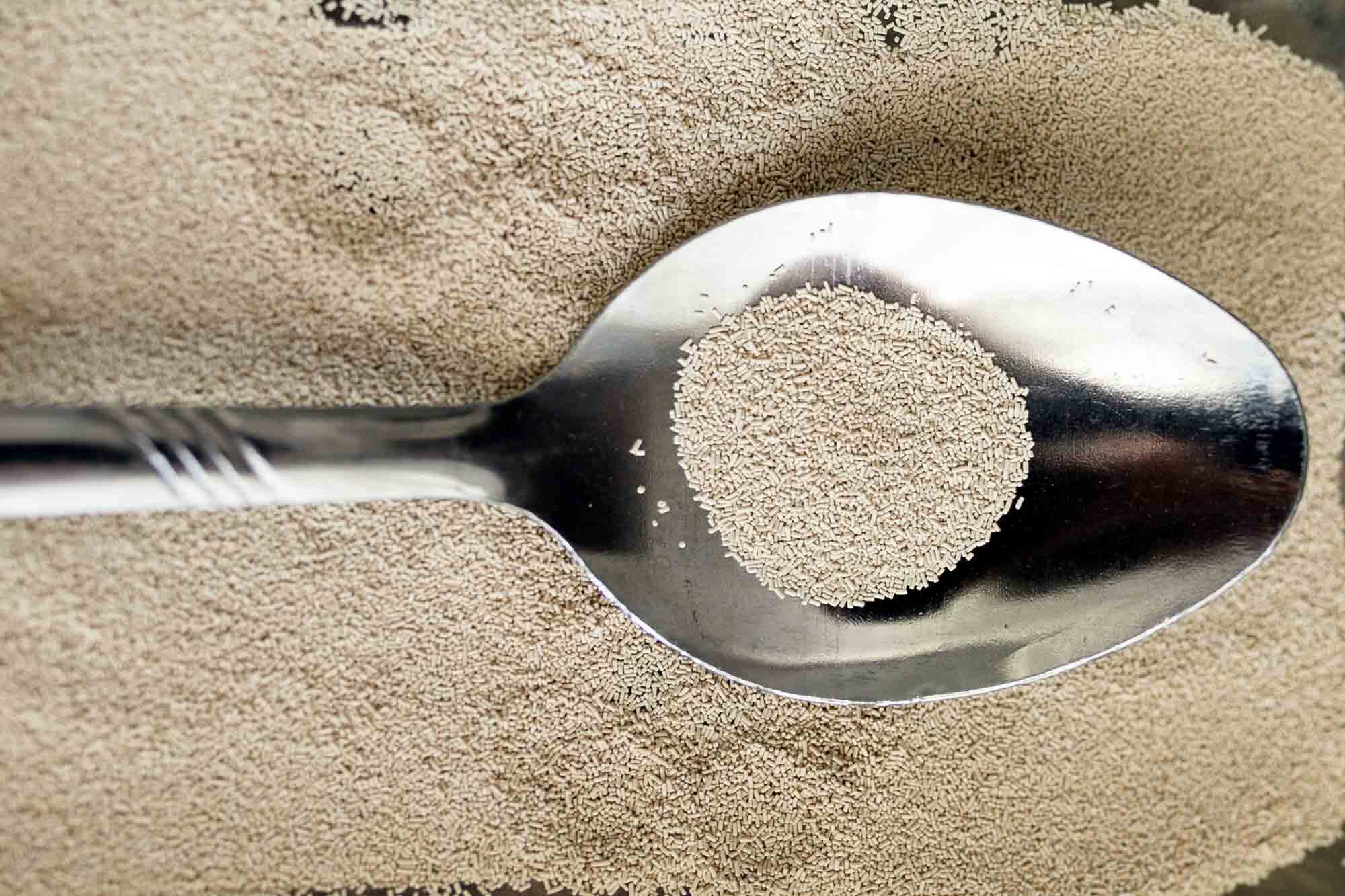
Fermentation Approach: Let It Extract
Petit Verdot can take more heat and more skin time than Merlot.
You can comfortably:
• Allow temps into the high-80s °F
• Punch down 2–3× daily
• Extend maceration 5–10 days post-dryness
Daily tasting should guide your endpoint.
This fruit is firm but not green. Extended maceration deepens mid-palate authority — exactly where Petit Verdot shines.
Nutrients & Structure
YAN at 105 mg/L is adequate but still benefits from extra insurance.
• 5 g Go-Ferm during rehydration
• 5 g Fermaid O early fermentation
For framing:
• 5 g Opti-Red
• 7–10 g FT Rouge
Petit Verdot responds beautifully to early tannin integration. It becomes more polished with time.
Field Notes From the Cellar
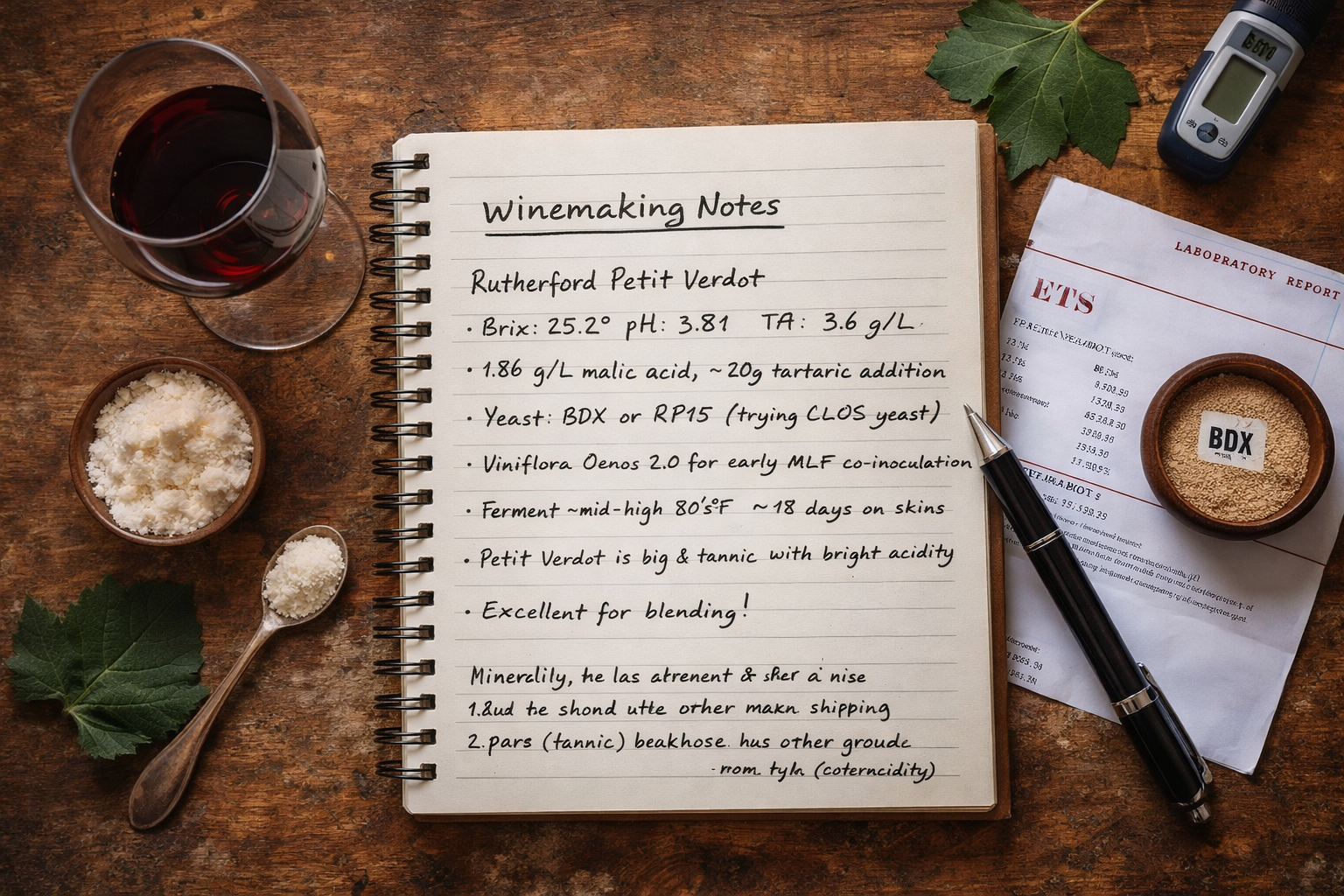
One of our customers, Mark, shared the following thoughts after fermenting this Rutherford Petit Verdot.
“Petit Verdot – I have made a couple Petit Verdots in the past… all of which I have used in a blend except for one that I made into a port. For the Rutherford Petit Verdot, I just made a small acid adjustment and tried a new yeast strain, CLOS. In the past, my go to yeast strains were BDX or RP15. Fermentation went well and used Viniflora Oenos 2.0 for early co-inoculation (for MLF – a new approach that I am trying this season). I did a light press after 18 days (tests indicate MLF was complete). The Petit Verdot is showing to be a big tannic red with quite a bit of brightness to it. My initial thought is that this will be a nice wine to blend into other wines to bring a firm (tannic) backbone but also provide some lift (with the acidity). A nice combination to have available.”
I especially like his phrase “big tannic red with quite a bit of brightness.”
That combination — backbone plus lift — is exactly what this Rutherford site should deliver.
His 18 days on skins with a light press aligns well with the extraction window I’d recommend. And the modest acid adjustment approach mirrors the strategy above: frame it early, refine it after MLF.
Steve, shared the following thoughts:
Petite Verdot - 5gallon carboy
Starting Brix 25.6
ph 3.81 TA 3.6
· Acid or tannin adjustments – add 23g TA, 7g tannin riche
· Yeast choice - BDX added opti red and ft rouge prior to pitching yeast
· Fermentation temperatures 3 day cold maceration, 9 day fermentation at temps from 73-80, 7 day extended maceration.
· Post-MLF chemistry added VP41 and opti malo tested after 6 weeks, ph 3.72
· Any stylistic or structural notes - strong, powerful, dark fruit, good depth and density, masculine
I plan to use the French oak cubes to soften the edges and gain a little complexity. I plan to blend with the Merlot. My initial thoughts were 70/30 merlot to petite Verdot but after several tastings I’m preferring 2/3 PV and 1/3 merlot. The merlot is plummy, silky, more elegant. Personal choice but I leaning my blend towards a more structured napa red than a Rutherford merlot with some backbone. I wonder if I will be changing my mind in a couple months after the oak layers in.
As always, I appreciate you guys for making this such a fun learning experience. Over the years I feel like the wines I have made have gotten incrementally better as I’ve learned how to make adjustments along the way.
Steve
I especially like his description of the wine as “strong, powerful, dark fruit with good depth and density.” That combination — intensity with structure — is exactly what Petite Verdot should bring to the table.
His three-day cold soak followed by a nine-day fermentation and a week of extended maceration sits right in the extraction window I’d typically recommend for this variety. With Petite Verdot’s natural tannin load, that measured approach helps build depth without pushing the wine too hard.
The early acid and tannin adjustments also make sense given the starting chemistry, framing the wine before fermentation and allowing the structure to integrate naturally.
And the blending discussion is interesting — leaning toward a Petite Verdot–driven blend with Merlot rounding the edges should produce something structured and age-worthy, especially once the French oak begins to soften the tannins and layer in complexity.
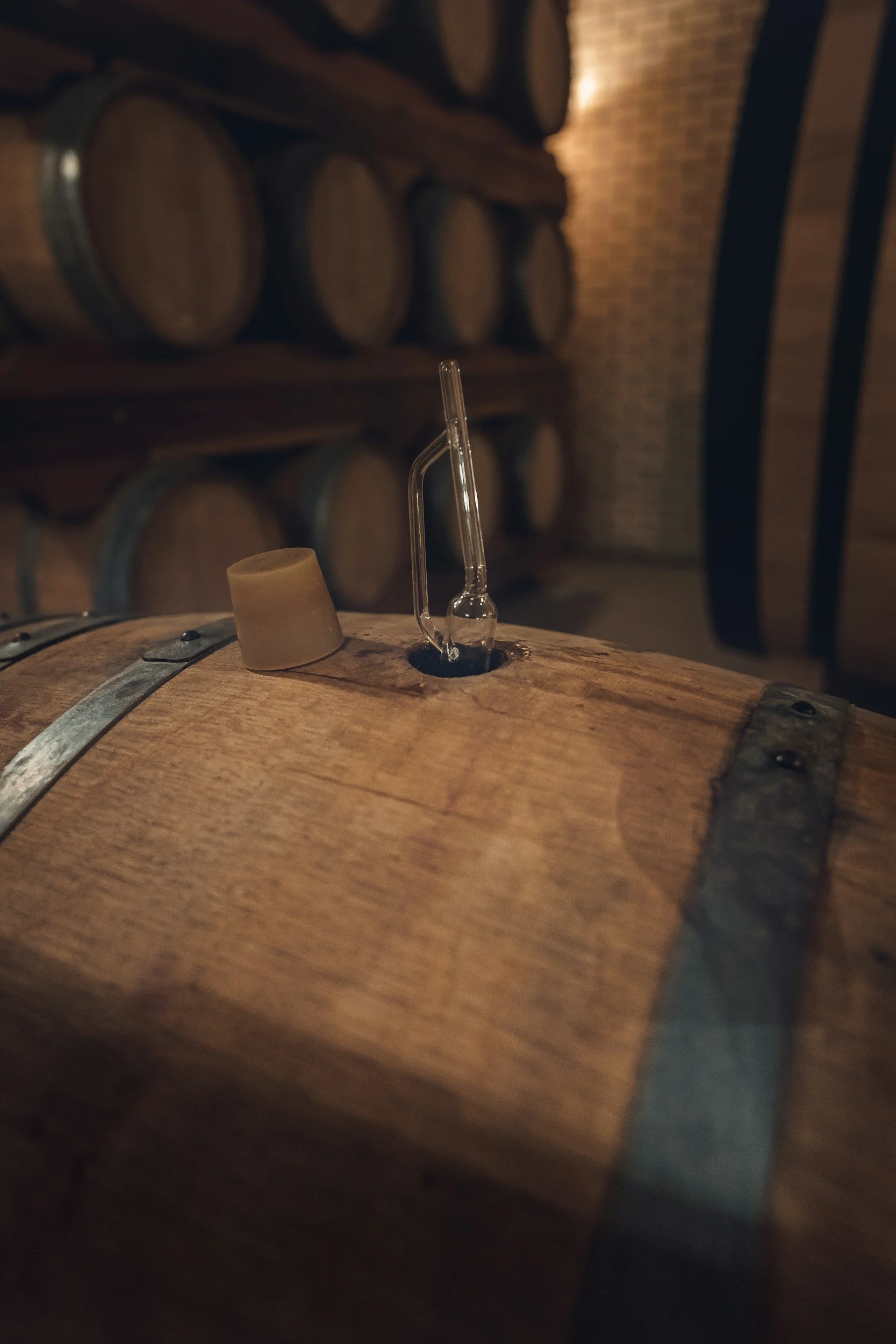
Oak Program
Expect:
• Deep violet-black color
• Dark cherry
• Dark chocolate
• Graphite
• Classic Rutherford dust
This wine can comfortably handle:
• 30–40% new oak equivalent
• 30–50 g oak in carboy to start
• Medium+ toast French oak preferred
Petit Verdot is not shy. Structure-forward oak complements it well.
What to Expect in the Glass
• Inky saturation
• Vivid violet aromatics
• Dark cherry and blackberry core
• Firm, powerful tannin
• Long mineral-driven finish
It’s intense. It’s mid-palate-driven. And it does exactly what Petit Verdot is supposed to do.
Final Thoughts
The 2025 Alsace Vineyard Rutherford Petit Verdot is built for impact.
Whether you:
• Strengthen a Cabernet blend
• Reinforce Merlot
• Or bottle it on its own
Keep the intensity. Frame it with measured acid. Extract confidently.
That’s the best approach for this fruit.