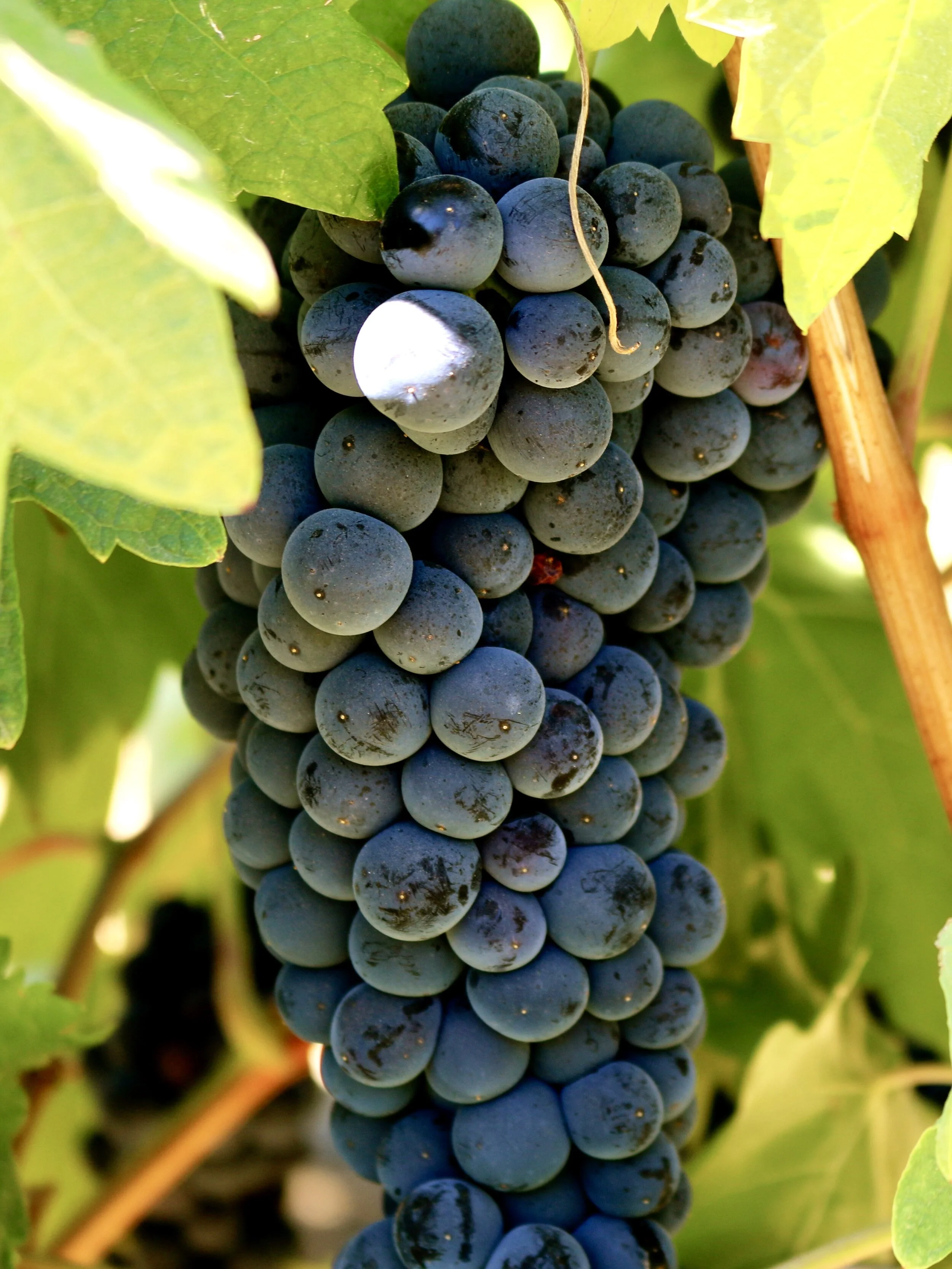
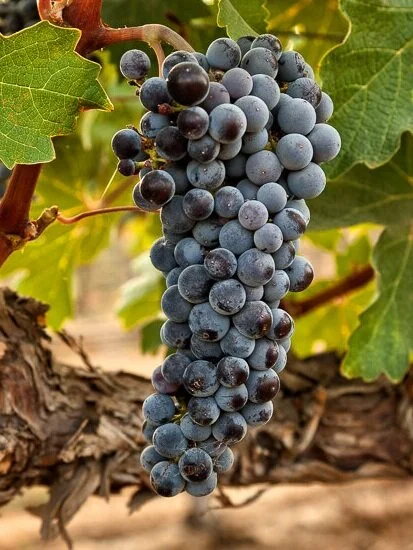
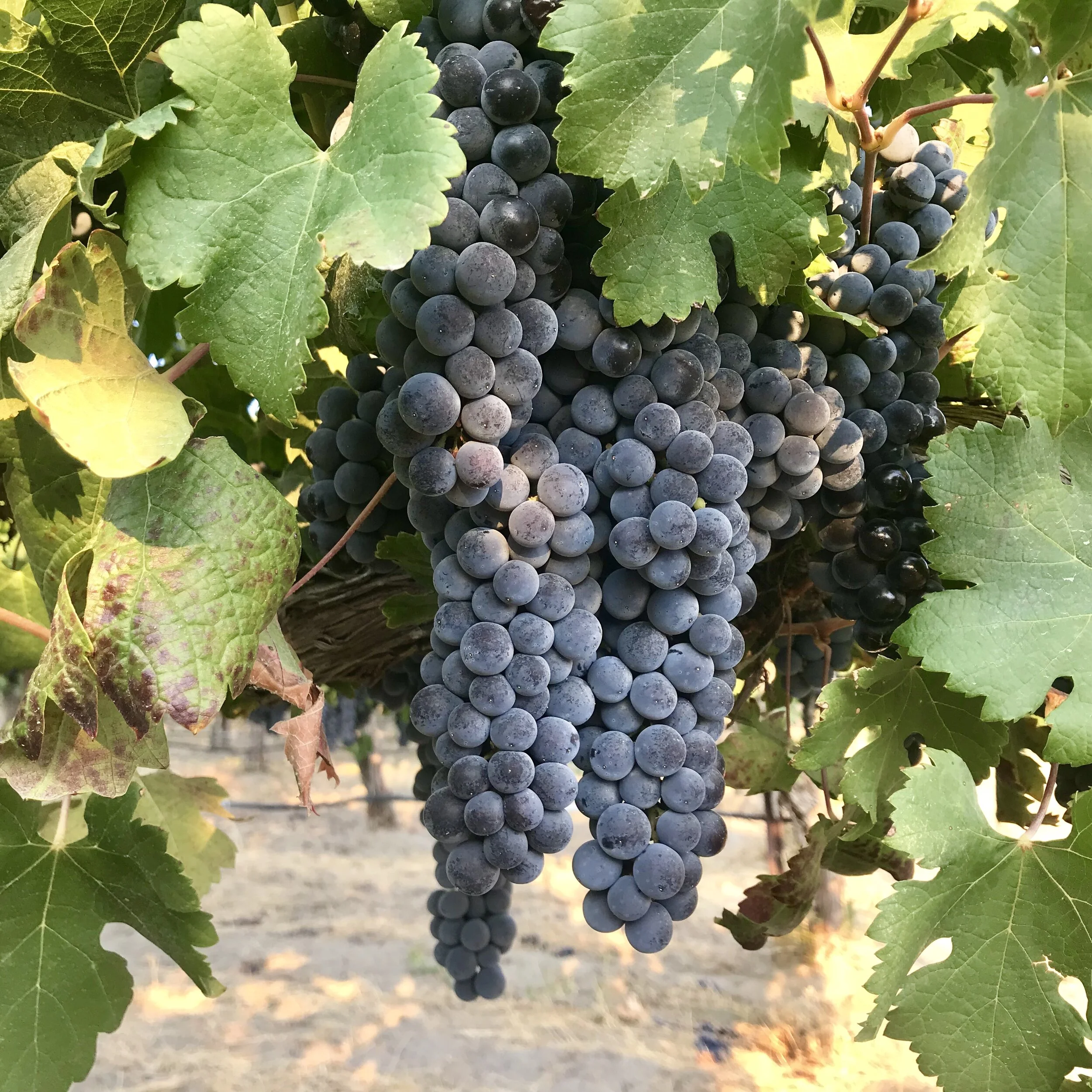
The Rattlesnake Hills AVA contains the ideal growing environment for thick skinned, late ripening reds like Cabernet Sauvignon and Mourvedre. The AVA lies within the larger Yakima Valley AVA which itself lies inside the much larger Columbia Valley AVA. The Rattlesnake Hills averages 2700 degree days a year which is 500 degree days more than the rest of theYakima Valley to the west and 100 degree days less than Red Mountain to the East ( Bordeaux gets roughly 2500 degree days and Napa gets 2900 degree days). Night time temps drop 40+ degrees during the growing season to preserve acidity and freshness. Rain is a seldom occurrence here with the area receiving just 7-10 inches of rain per year.
The Cabernet Sauvignon and Mourvedre vines are planted in the Harwood-Burke-Wiehl series silt loams that distinguish the Rattlesnake Hills AVA. These soils are a combination of wind deposited ancient or sedimentary alluvials and decomposed basalt over a lime-silica hard pan. This combination provides both exceptional drainage and ideal soil alkalinity for growing Vinifera.
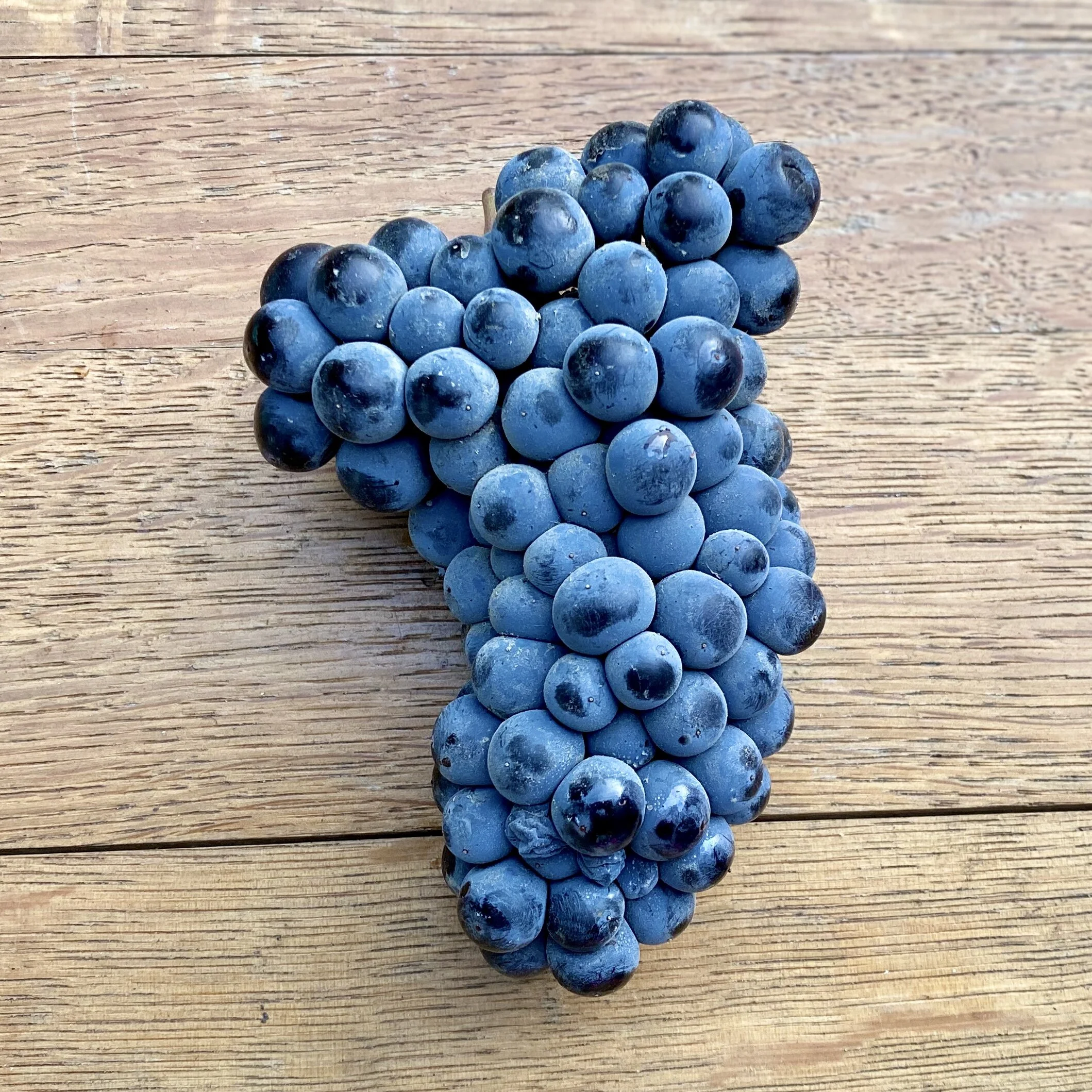
CURRENTLY AVAILABLE RATTLESNAKE HILLS AVA VARIETALS:
Each pail includes five gallons of grape must. Product will arrive partially frozen.
Rattlesnake Hills AVA, Washington State
Brix: 24.5, pH: 3.65, TA: .5
Harvested October 9th, 2020
The Rattlesnake Hills AVA contains the ideal growing environment for thick-skinned, late-ripening reds like Cabernet Franc. The AVA lies within the larger Yakima Valley AVA, which itself lies inside the much larger Columbia Valley AVA. The Rattlesnake Hills averages 2700 degree days a year which is 500 degree days more than the rest of the Yakima Valley to the west and 100 degree days less than Red Mountain to the East (Bordeaux gets roughly 2500 degree days and Napa gets 2900 degree days). Nighttime temps drop 40+ degrees during the growing season, preserving acidity and freshness. Rain is a seldom occurrence here with the area receiving just 7-10 inches of rain per year.
This Cabernet Franc should produce a full flavored and complex wine with concentrated dark berry fruit, rich tannins, and long finish. The vineyard is located at the far west end of the Yakima Valley where the climate is relatively cool.
Each pail includes five gallons of grape must. Product will arrive partially frozen.
Rattlesnake Hills AVA, Washington State
Brix: 24.25, pH: 3.51, TA: .7
Harvested October 7th, 2019
The Rattlesnake Hills AVA contains the ideal growing environment for thick-skinned, late-ripening reds like Cabernet Sauvignon. The AVA lies within the larger Yakima Valley AVA, which itself lies inside the much larger Columbia Valley AVA. The Rattlesnake Hills averages 2700 degree days a year which is 500 degree days more than the rest of the Yakima Valley to the west and 100 degree days less than Red Mountain to the East (Bordeaux gets roughly 2500 degree days and Napa gets 2900 degree days). Nighttime temps drop 40+ degrees during the growing season, preserving acidity and freshness. Rain is a seldom occurrence here with the area receiving just 7-10 inches of rain per year.
The Cabernet Sauvignon vines are planted in the Harwood-Burke-Wiehl series silt loams that distinguish the Rattlesnake Hills AVA. These soils are a combination of wind-deposited ancient or sedimentary alluvials and decomposed basalt over a lime-silica hard pan. This combination provides both exceptional drainage and ideal soil alkalinity for growing Vinifera.
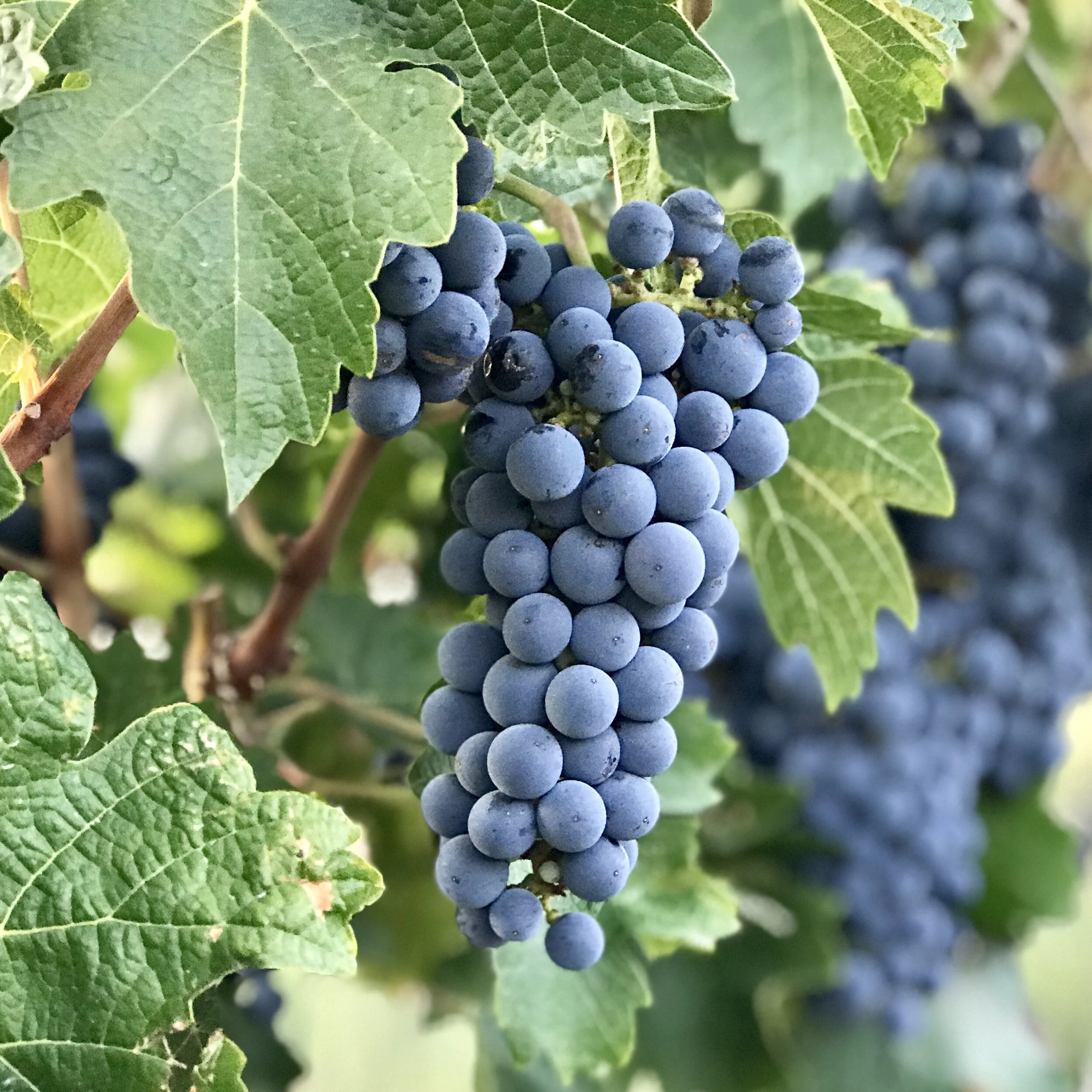
Each pail includes five and quarter gallons of grape juice. Product will arrive partially frozen.
Rattlesnake Hills, Washington
Brix: 24.2, pH: 3.34, TA: .47
Harvested September 9th, 2018
“The big surprise is Roussanne, such purity, almost a crystaline nature to the Roussanne grown here.” Bob Betz, Master of Wine
Roussanne is most famously known for its role in the Rhone Valley white wines of Chateauneuf du Pape, Hermitage, and St. Joseph. Here the wines are noted for their intense aromatics and distinct herbal/tea leaf flavors. New world examples of Roussanne are better characterized by a “fruit salad” bouquet that displays a wide range of fruits ranging from tropical to orchard to citrus.
The wines thrive in either neutral oak or stainless fermentations, so be very judicious with any new oak additions. The word Roussanne is derived from the French word roux which translates to the reddish- brown (russet) color that the the grape takes on when ripening. This wine can be bottled as a straight varietal or is an ideal blending partner for Viognier, Marsanne, Chenin Blanc, and can even be co-fermented with cool-climate Syrah.
Each pail includes five gallons of grape must. Product will arrive partially frozen.
Rattlesnake Hills, Washington
Brix: 24.6, pH:3.36, TA: .54
Harvested October 11th, 2018
The Rattlesnake Hills AVA lies within the larger Yakima Valley AVA, which itself lies inside the much larger Columbia Valley AVA. The Rattlesnake Hills averages 2700 degree days a year which is 500 degree days more than the rest of the Yakima Valley to the west and 100 degree days less than Red Mountain to the East (Bordeaux gets roughly 2500 degree days and Napa gets 2900 degree days). Nighttime temps drop 40+ degrees during the growing season; preserving acidity and freshness. Rain is a seldom occurrence here with the area receiving just 7-10 inches of rain per year.
Each pail includes five gallons of grape must. Product will arrive partially frozen.
Rattlesnake Hills, Washington
Brix: 25, pH:3.15, TA: .81
Harvested November 2nd, 2018
“Petite Verdot is the most startling discovery of what’s going on in Washington state today…Dense, highly pigmented, wonderful color, black-purple in the glass with a penetration of fruit flavor. It’s pretty incredible”. – Bob Betz, Master of Wine
The Rattlesnake Hills AVA contains the ideal growing environment for thick-skinned, late-ripening reds like Petite Verdot. The AVA lies within the larger Yakima Valley AVA, which itself lies inside the much larger Columbia Valley AVA. The Rattlesnake Hills averages 2700 degree days a year which is 500 degree days more than the rest of the Yakima Valley to the west and 100 degree days less than Red Mountain to the East (Bordeaux gets roughly 2500 degree days and Napa gets 2900 degree days). Nighttime temps drop 40+ degrees during the growing season, preserving acidity and freshness. Rain is a seldom occurrence here with the area receiving just 7-10 inches of rain per year.
The Petite Verdot vines are planted in the Harwood-Burke-Wiehl series silt loams that distinguish the Rattlesnake Hills AVA. These soils are a combination of wind-deposited ancient or sedimentary alluvials and decomposed basalt over a lime-silica hard pan. This combination provides both exceptional drainage and ideal soil alkalinity for growing Vinifera.
Each pail includes five gallons of grape must. Product will arrive partially frozen.
Red Mountain, Washington
Brix: 26.5, pH:3.62, TA: .54
Harvested September 12th, 2018
Our Merlot vines were planted in 1991, ten years before Red Mountain became an AVA, making them some of the oldest vines on the mountain. They’re located in the heart of the AVA , right off Sunset Road between the historic Kiona Estate and the famed Ciel du Cheval wineries.
“The Red Mountain AVA is located on a southwest-facing slope in south central Washington, a three and one-half hour drive from Seattle or Portland. At 4040 acres (1,635 hectares), this is the smallest, warmest wine-grape growing region in Washington. It has a unique combination of diverse geology, gentle south slope, consistent winds and notable heat profile. A complex mixture of the most rare and highly-valued soil types in Washington was created by wind-blown silt and sand over glacial outflow. ” – Red Mountain Alliance
Red Mountain is famed for its powerful, tannic red wines of immense concentration. The grapes are the most sought after (expensive) fruit in the entire state and have produced three of the only wines to ever receive a perfect 100-point score from Robert Parker’s Wine advocate.
Each pail includes five gallons of grape must. Product will arrive partially frozen.
**This product is de-stemmed white grapes that include juice, skins, seeds and pulp and is intended for producing orange wine.
Rattlesnake Hills AVA, Washington State
Brix: 23.6, pH: 3.75, TA: .75
Harvested September 24th, 2019
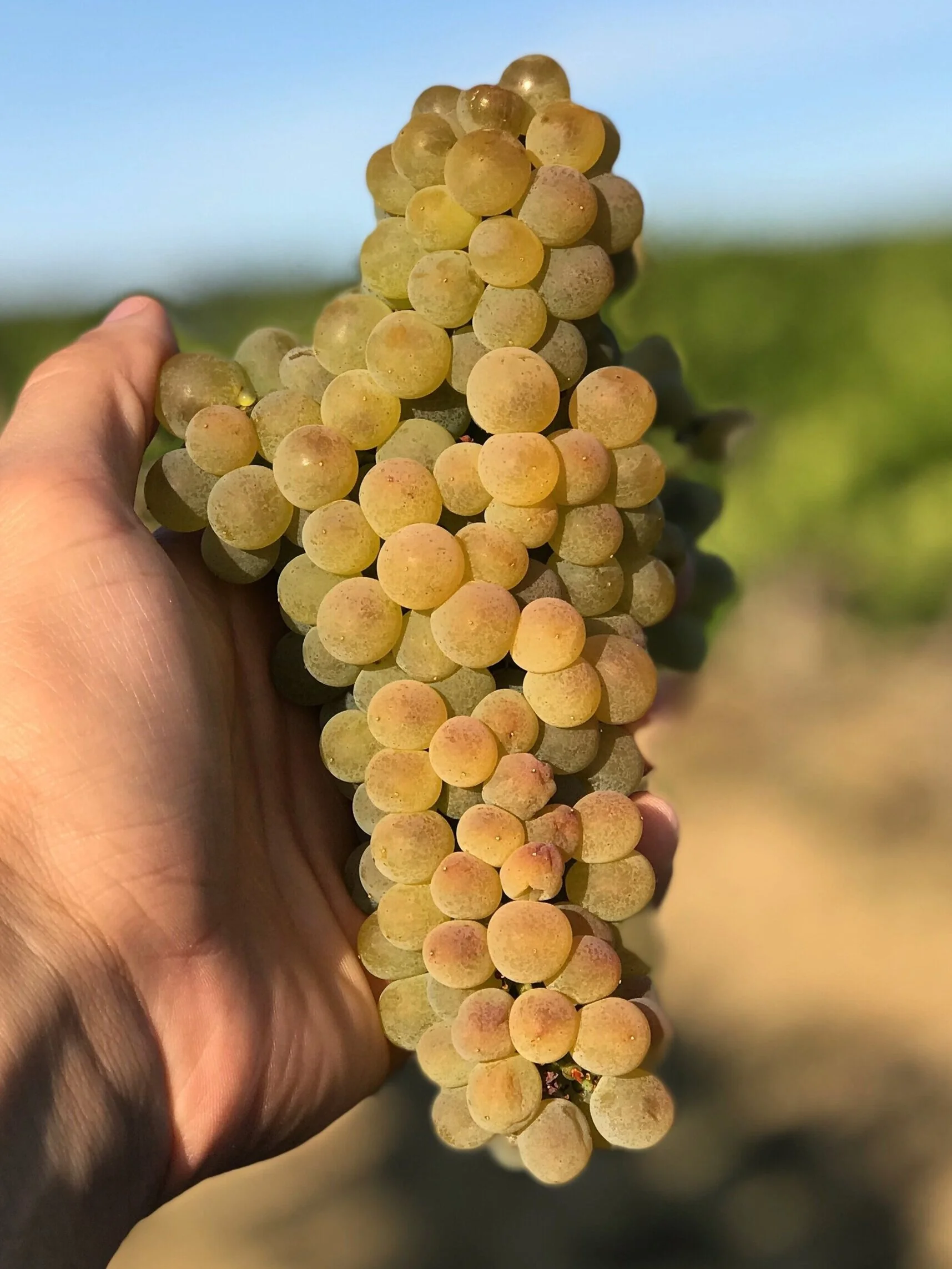
“The big surprise is Roussanne, such purity, almost a crystaline nature to the Roussanne grown here.” Bob Betz, Master of Wine
“Orange Wine” is simply a white wine that is fermented on the skins. The time the juice spends on the skins can be as little as a few days to as much as a year-long extended maceration. This time on the skins extracts color and has some oxidizing effects giving the wine an orangish hue. But more importantly it extracts phenololics and flavors from the skins and seeds, giving the resulting wine much more structure and intensity than a traditional white wine. The wines are often made in a non-interventionist manner and aged underground in clay vessels. But there are a lot of ways to make orange wine and you should never let the natural wine hipsters tell you that you’re doing it wrong.
Roussanne is most famously known for its role in the Rhone Valley white wines of Chateauneuf du Pape, Hermitage, and St. Joseph. Here the wines are noted for their intense aromatics and distinct herbal/tea leaf flavors. New world examples of Roussanne are better characterized by a “fruit salad” bouquet that displays a wide range of fruits ranging from tropical to orchard to citrus.