Making the 2025 Rutherford Merlot – Winemaker Guide
If you’re planning to make Merlot this season—or you’ve picked up our 2025 Rutherford AVA Merlot frozen must—this fruit is wonderfully expressive and straightforward to work with. It shows deep color, ripe fruit, and that classic Rutherford profile, with a lingering dark-plum note that is already obvious in the aromatics.
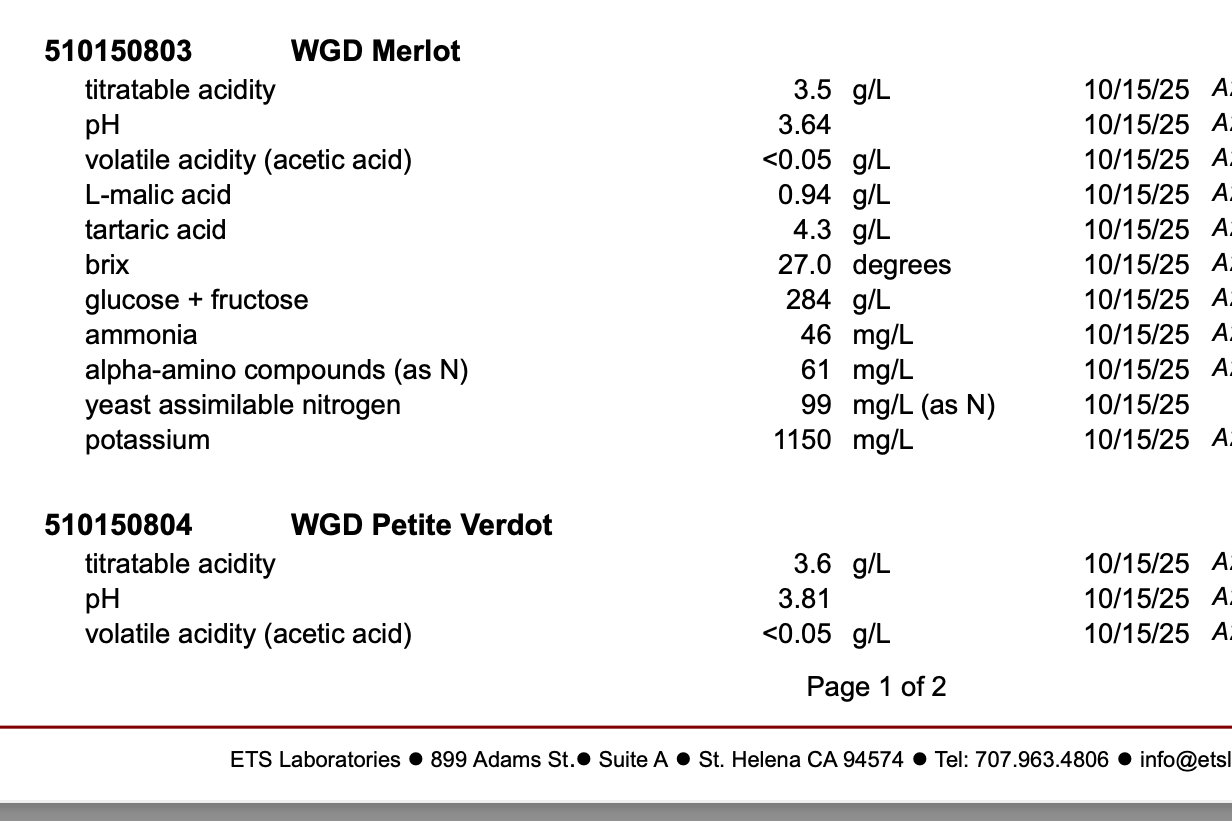
Lab highlights (ETS analysis)
Brix: 27.0
pH: 3.64
TA: 3.5 g/L
YAN: 99 mg/L
In practical terms, this means ripe Merlot with real natural acidity and great balance.
Quick Winemaker Summary (Read This First)
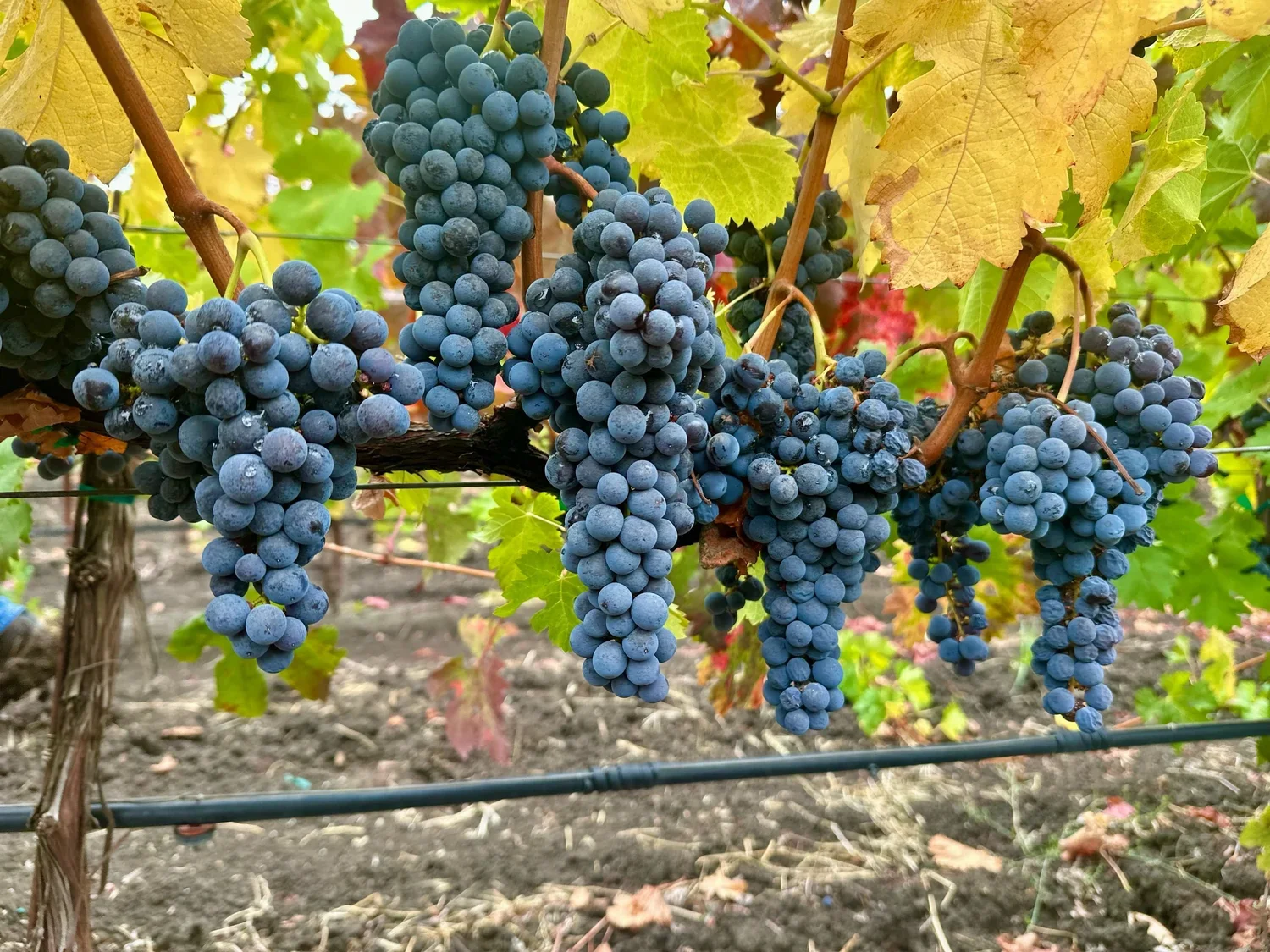
2025 Rutherford AVA Merlot – Frozen Must
Chemistry: 27.0 °Brix | pH 3.64 | TA 3.5 g/L | YAN 99 mg/L
Style: ripe dark plum, classic Rutherford earth, great natural acidity
Water-back: optional 0–2 Brix (style choice, not required)
Acid add (optional): ~10 g tartaric per 5-gallon pail to keep freshness post-MLF
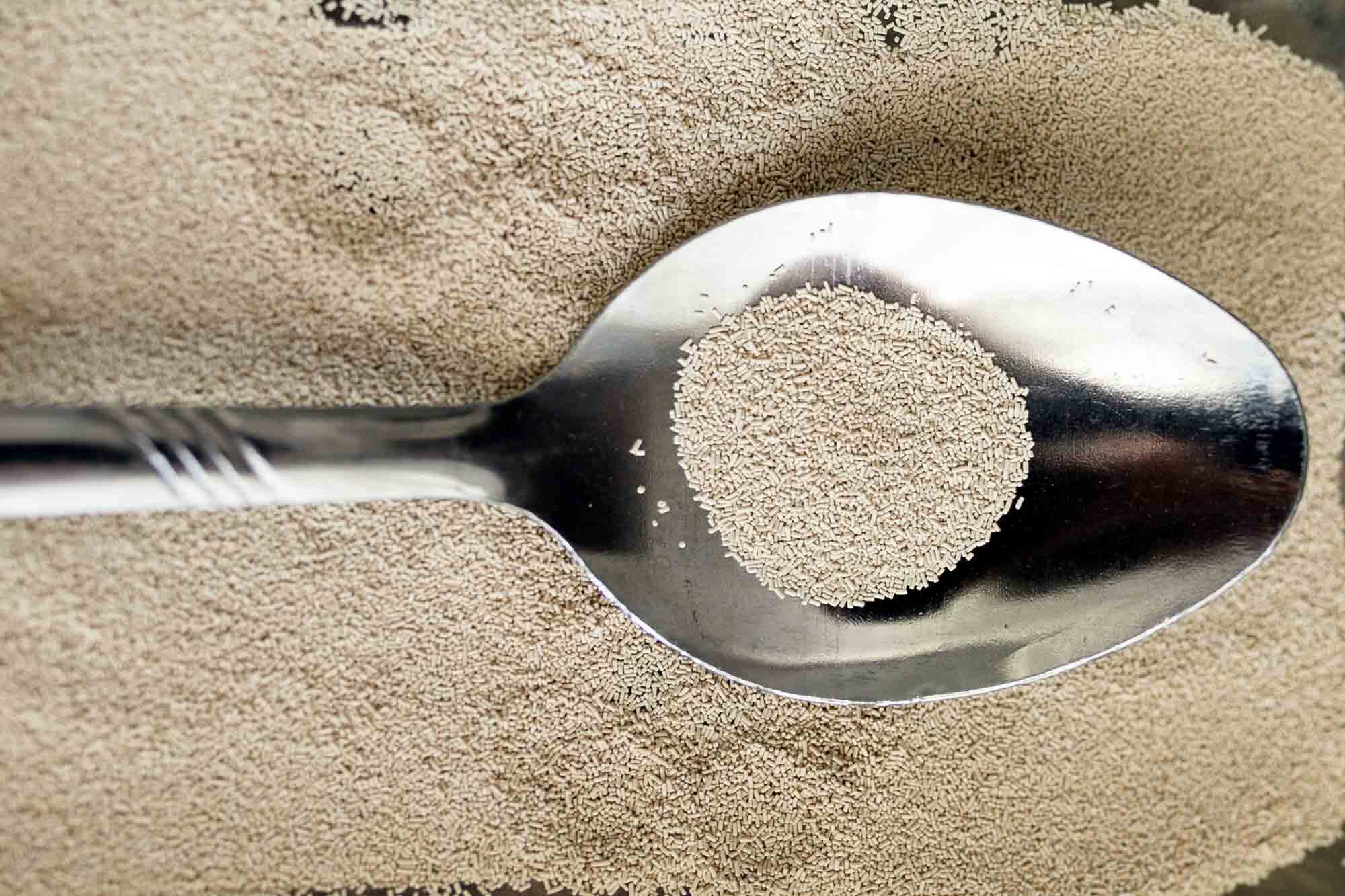
Yeast: 5 g BDX for earth/structure • Rhône-style for plush plum
Nutrients:
5 g Go-Ferm — yeast rehydration
5 g Fermaid O — early fermentation nutrient (recommended regardless of YAN)
Cap management: standard punchdowns 2–3×/day — no need for aggressive heat
Color / tannin support: 5 g Opti-Red + 7 g FT Rouge Tannin strongly recommended
MLF: plan on completing it; use MLF nutrient
Oak: let the plum shine — ≤25% new equivalent; start 20–40 g in carboy
Overall: easy-to-ferment Merlot with big plum and balanced acidity
Making the 2025 Rutherford Merlot – Details
Let’s dive in!
Style choice: water-back or not?
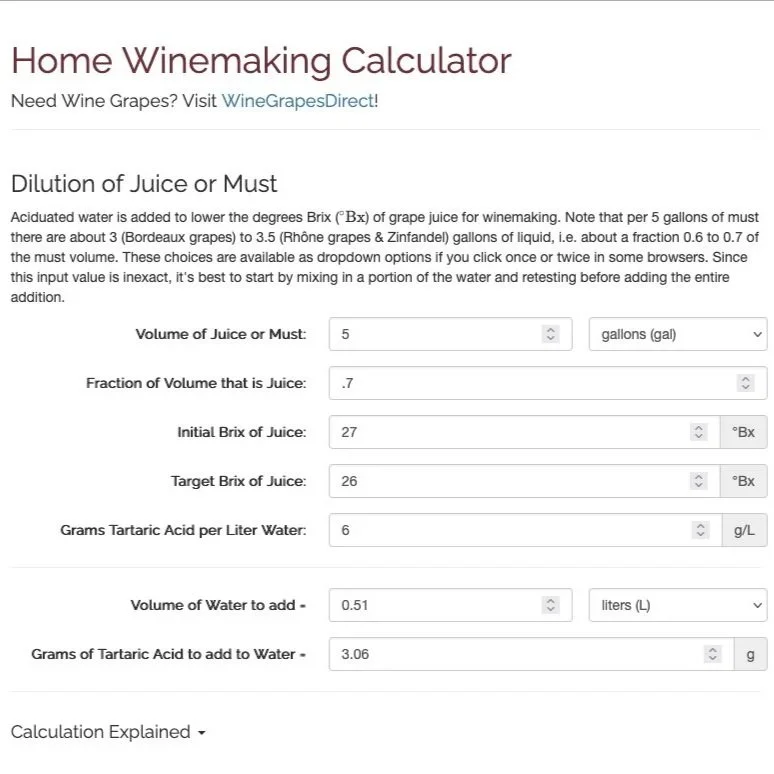
Use our water addition calculator: CLICK HERE
At 27° Brix, you’re exactly at the stylistic decision point.
leave it alone → richer, higher-alcohol Napa style
reduce by 1–2 Brix → slightly lighter, more “classic” expression
1 brix dilution - mix .51 liters non-hard chlorine free water with 3.06 grams tartaric acid and add prior to fermentation
2 brix dilution - mix 1.06 liters non-hard chlorine free water with 6.36 grams tartaric acid and add prior to fermentation
Neither option is wrong; it’s purely stylistic.
Optional tartaric acid addition
MLF will lower acidity slightly. To keep the wine fresh and lifted:
👉 add ~10 grams tartaric acid per 5-gallon pail
Optional but recommended if you like brightness in Merlot.
Yeast choices
Two clear stylistic lanes:
5 grams BDX → earth, graphite, Bordeaux structure
5 grams Rhône-style red yeast → rounder texture, more plush plum fruit
Both pair beautifully with this chemistry.
Fermentation & cap management
This Merlot extracts easily—no heroics needed.
moderate fermentation temps (low–mid 80s °F peak)
2–3 punchdowns per day
no need to chase very hot ferments
Deliberate oxygen addition is not necessary; normal cap work is enough.
Nutrients, color, and tannin management
With YAN at 99 mg/L, support the fermentation with 5 grams of FermAid O but keep it simple.
Strong start
Use:
5 grams Go-Ferm or Flash™ during yeast rehydration
Color & body
5 grams Opti-Red at standard label rate
color stability
mid-palate density
Fermentation tannin
7 grams FT Rouge Tannin (or equivalent)
structure
color protection
oxidation resistance
During MLF
use your preferred MLF nutrient for a clean finish
Field Notes from the Cellar – 2025 Rutherford Merlot
Mateusz, who made two pails of the Rutherford Merlot alongside his Cabernets, shared the following fermentation data and impressions:
Initial Chemistry & Adjustments
Specific Gravity (SG)
1.114 → adjusted to 1.106
Initial pH / TA (g/L)
3.65 / 5.58
YAN
148.96 mg/L
Yeast / MLF (concurrent inoculation)
D21 / VP41
Fermentation Temperature (start/peak)
70°F / 80°F
⸻
Post-MLF Acidity
Final pH / TA (g/L)
3.53 / 7.18
He noted:
“The Merlot had a slightly stuck fermentation onset, but caught up eventually.
The Merlot is the most approachable and has a fruity taste and a bit of a perception of sweetness despite being dry.”
He pressed at 12 days after the onset of fermentation. The Merlot was nearly dry at press and finished within two days in secondary.
All lots received:
• Lallzyme EX-V
• Opti-Red
• Three tannin additions during fermentation
• Fermaid O (two additions)
• Cellaring tannins at the end of fermentation
⸻
His Take on the Wine
“I am quite happy with the outcome of the acid additions and final acid stats.
The Merlot is quite approachable. I may consider cold stabilizing it to bring down the TA a bit, but at this point, it is quite approachable, so I will not opt for it unless that changes.”
The wine is aging in carboy with Winestix and is planned for a full three years before bottling.
⸻
My Commentary
A few things stand out here:
• Final pH of 3.53 is excellent for long-term stability.
• The TA rising to 7.18 g/L post-MLF gives this Merlot backbone — yet he’s still perceiving fruit and approachability.
• The “perception of sweetness despite being dry” is classic ripe Merlot behavior when fruit expression and acid are in balance.
What’s especially interesting is that even with enzyme use and tannin additions, this Merlot finished as the most approachable wine of his lineup. That speaks directly to the natural plushness of the Rutherford fruit this year.
This reinforces what I mentioned in the main guide:
You can structure this wine confidently — it still carries fruit.
Oak program: frame the fruit
The star flavor here is ripe black plum.
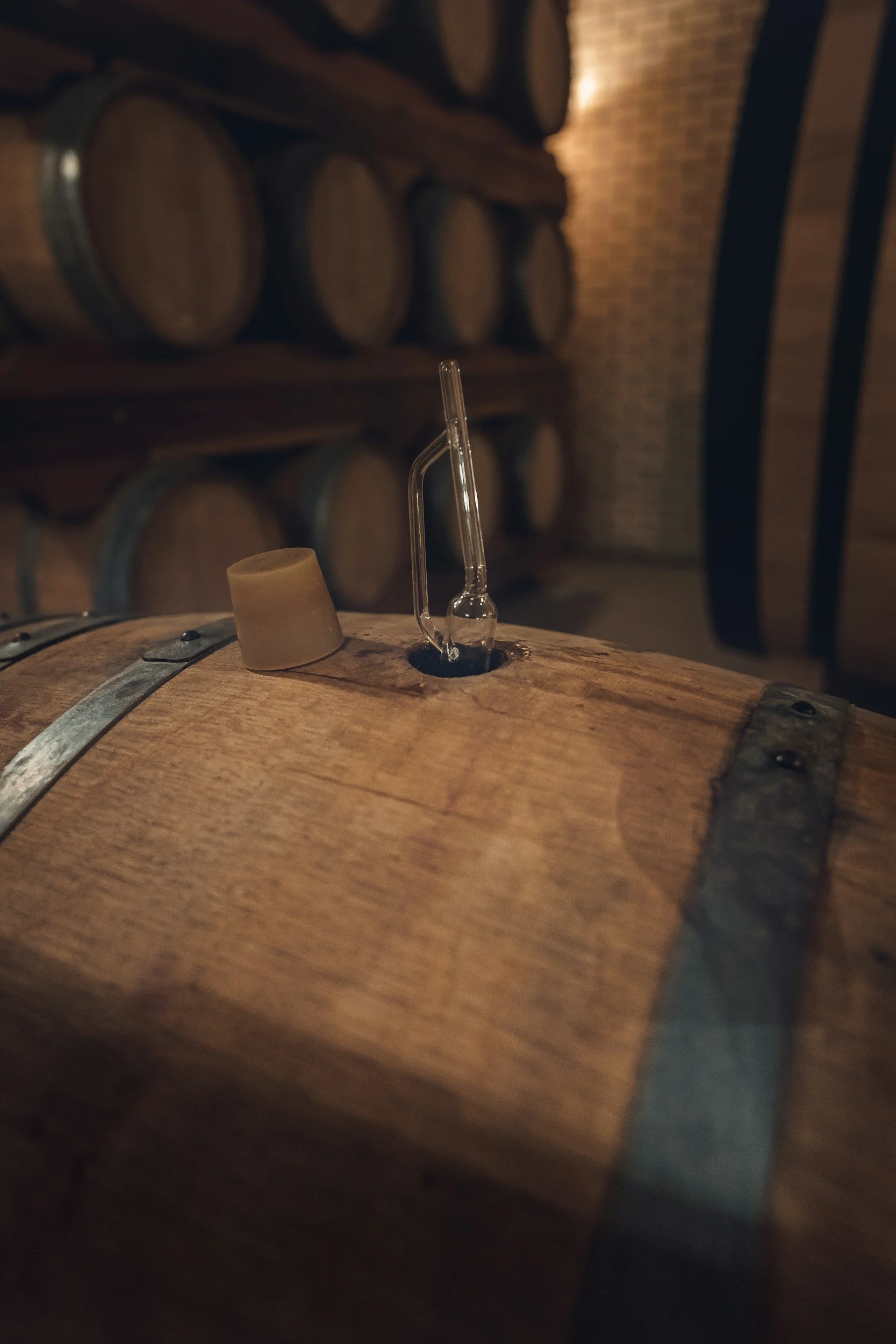
≤ 25% new oak if using barrels
for carboys: start 20–40 g oak, taste periodically, add slowly
preferred: medium toast French oak
alternatives:
American → sweet spice
Hungarian → vanilla tones
What to expect in the glass
ripe black plum
dark cherry
cocoa dust
subtle Rutherford earth
Generous but not syrupy — polished, classic Rutherford Merlot.